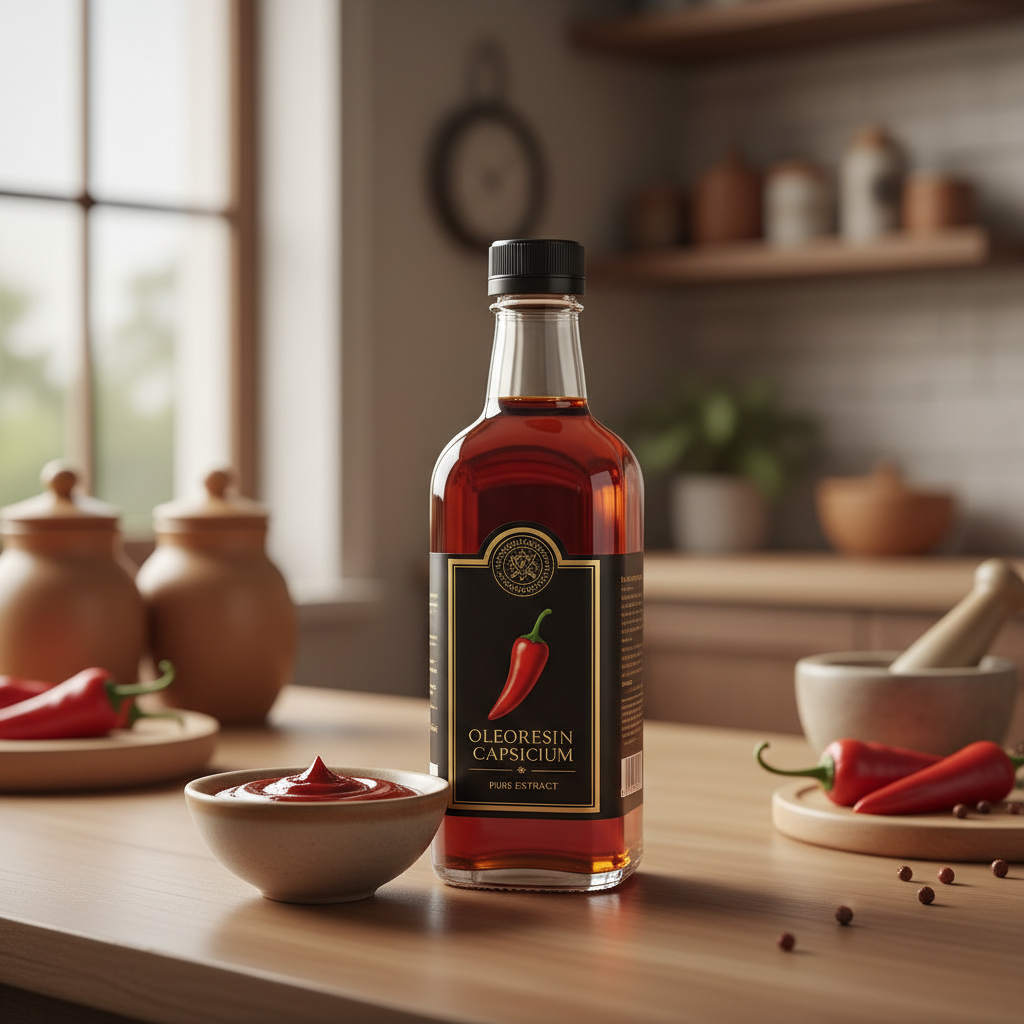
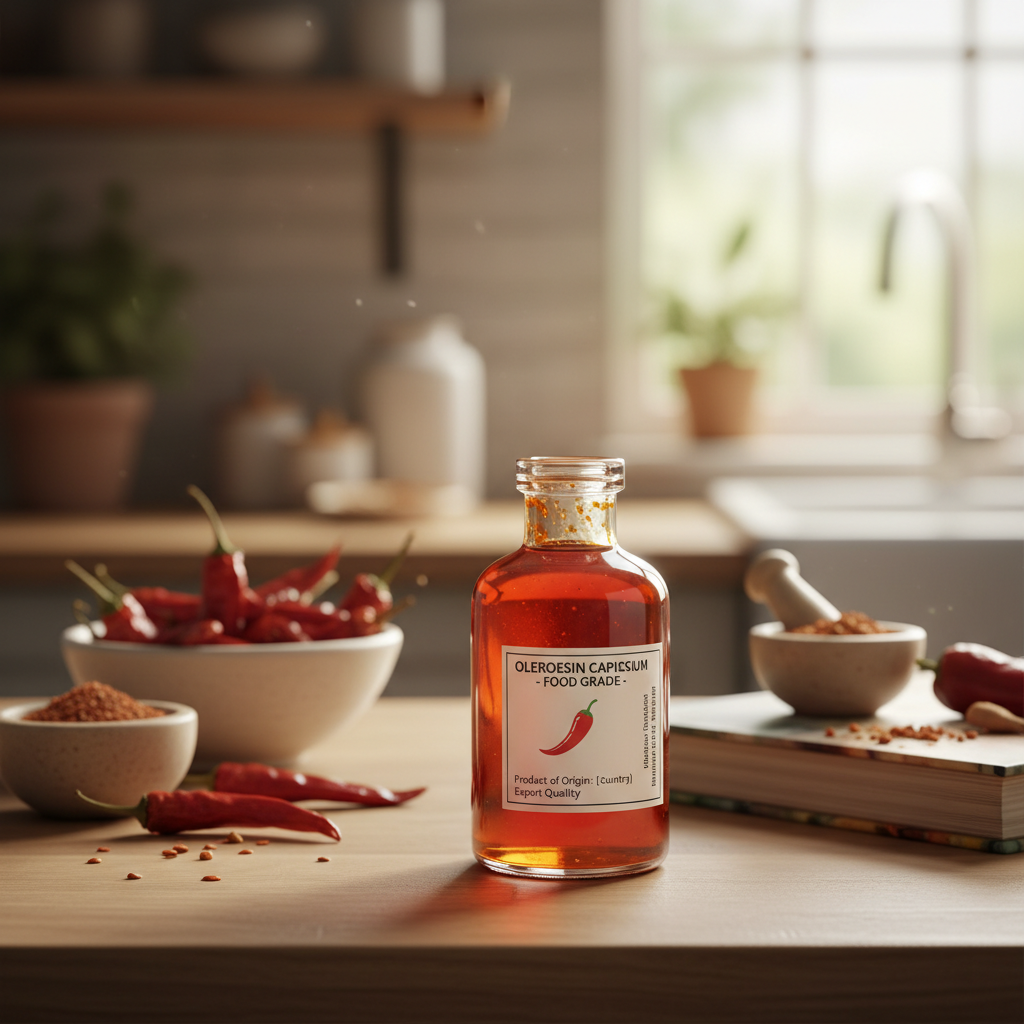
Oleoresin capsicum, a naturally occurring chemical compound extracted from chili peppers, holds a surprisingly diverse and globally significant role. From its traditional culinary uses to its modern applications in personal safety and industrial processes, understanding oleoresin capsicum is crucial in fields ranging from food science and pharmacology to law enforcement and defense. This understanding unlocks innovative solutions and enhances safety protocols worldwide.
The demand for oleoresin capsicum continues to rise, driven by increased security concerns, a growing health and wellness market, and expanding applications in animal repellents and agricultural pest control. This demand creates a need for sustainable sourcing, efficient extraction methods, and standardized quality control – challenges that require ongoing research and development. Successfully navigating these complexities is vital for ensuring a reliable and responsible supply chain.
Ultimately, the responsible utilization of oleoresin capsicum, coupled with continuous innovation in its production and application, promises to offer substantial benefits to various sectors, fostering security, enhancing well-being, and driving technological advancements on a global scale. oleoresin capsicum plays a role in these advancements.
The Global Significance of Oleoresin Capsicum
The global market for oleoresin capsicum is estimated to be worth millions of dollars annually, and is steadily growing, as documented by organizations like the ISO and various market research firms. This growth is largely driven by increasing demand for non-lethal personal defense sprays, security products, and specialized food additives. The United Nations has also highlighted the potential of capsaicinoids, the active components of oleoresin capsicum, in pest control, offering a sustainable alternative to traditional pesticides.
A major challenge addressed by oleoresin capsicum is the need for effective and humane self-defense tools. Traditional methods can be lethal, leading to legal complications and ethical concerns. Oleoresin capsicum provides a powerful, yet typically non-lethal, alternative, empowering individuals to protect themselves without causing permanent harm. Furthermore, advancements in extraction and purification techniques are continually improving the quality and consistency of oleoresin capsicum products.
Defining Oleoresin Capsicum
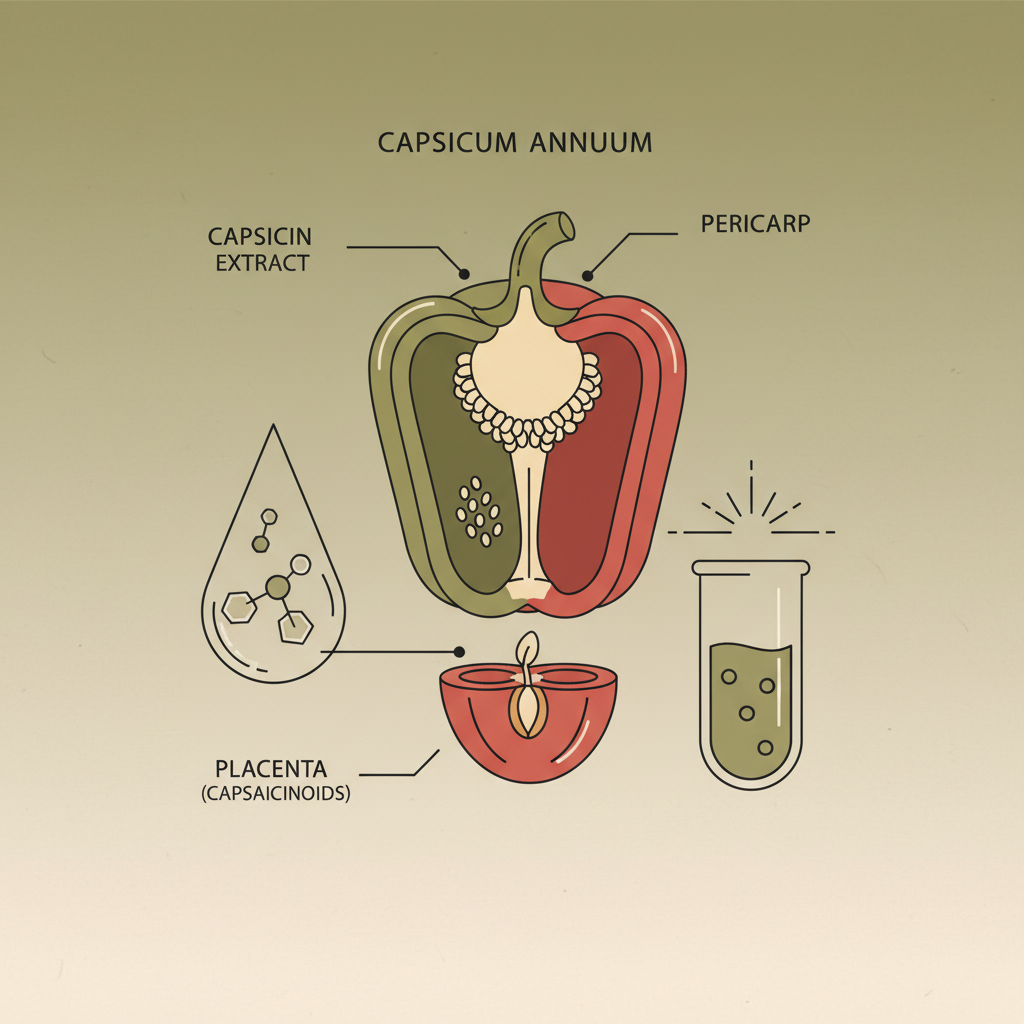
Oleoresin capsicum (OC) is a naturally occurring oil extracted from chili peppers, primarily from varieties of Capsicum annuum, Capsicum frutescens, and Capsicum chinense. It’s not simply the hot substance within peppers; it’s a complex mixture of capsaicinoids, with capsaicin being the predominant component responsible for its pungent heat. The Scoville Heat Unit (SHU) is the standard measure of the heat level of oleoresin capsicum, reflecting the concentration of capsaicinoids.
In modern industry, oleoresin capsicum's utility extends far beyond flavoring. It's a critical ingredient in personal safety devices like pepper spray, used globally by law enforcement and civilians for self-defense. It's also employed as a bear deterrent, a tool for protecting livestock from predators, and increasingly, in innovative agricultural applications as a natural pest repellent.
The humanitarian needs addressed by oleoresin capsicum often center around safety and security. Providing effective self-defense tools to vulnerable populations, particularly women and those living in high-crime areas, is a key aspect. Sustainable sourcing and responsible distribution are paramount to ensure its benefits are accessible to those who need it most, and that it does not contribute to harm or exploitation.
Key Components of Oleoresin Capsicum
The core of oleoresin capsicum’s functionality lies in its capsaicinoid content. Capsaicin is the most abundant and well-studied capsaicinoid, responsible for the majority of the heat sensation. However, other capsaicinoids – dihydrocapsaicin, nordihydrocapsaicin, homocapsaicin, and homodihydrocapsaicin – contribute to the overall profile, influencing the intensity and duration of the burning effect.
Beyond capsaicinoids, oleoresin capsicum contains a complex array of other compounds, including carotenoids (responsible for the color), fatty acids, and volatile oils. These compounds play a role in the stability, solubility, and overall efficacy of the extract. The specific composition varies depending on the chili pepper variety, growing conditions, and extraction method.
The purity and concentration of capsaicinoids are critical quality control parameters. These are carefully measured using techniques like High-Performance Liquid Chromatography (HPLC) to ensure products meet safety and performance standards. Standardized oleoresin capsicum with a known SHU level is essential for applications where consistent results are required, such as in law enforcement or pharmaceutical formulations.
Practical Applications of Oleoresin Capsicum
One significant application is in personal safety. Pepper spray, utilizing oleoresin capsicum, provides a non-lethal means of self-defense. The immediate effects – temporary incapacitation, intense burning sensation, and involuntary eye closure – allow individuals to escape potentially dangerous situations. Different formulations vary in SHU and delivery methods (stream, fog, gel), tailored to specific needs.
In agriculture, oleoresin capsicum is increasingly utilized as a natural pest deterrent. Applied to crops, it repels insects and mammals without the harmful environmental effects of synthetic pesticides. This sustainable approach aligns with the growing demand for organic and eco-friendly farming practices. Furthermore, oleoresin capsicum extracts are being explored for their potential in controlling fungal diseases in plants.
Oleoresin Capsicum Application Efficiency
Global Applications and Use Cases
In North America, law enforcement agencies extensively utilize oleoresin capsicum-based pepper spray as a less-lethal alternative for controlling potentially violent situations. This application also extends to private security firms and civilian self-defense markets. Moreover, significant agricultural areas utilize OC for crop protection, minimizing reliance on synthetic pesticides.
Across Europe, the use of oleoresin capsicum is regulated more stringently, with variations in legality depending on the country and concentration levels. However, it still finds application in specialized security products and animal repellents, particularly in rural regions. Increasing demand for organic farming is driving increased investigation into agricultural uses.
Advantages and Long-Term Value
The primary advantage of oleoresin capsicum lies in its effectiveness as a non-lethal deterrent. It provides a significant opportunity to de-escalate conflict without inflicting serious harm. This translates to reduced liability for law enforcement, increased safety for civilians, and a more humane approach to security. From a sustainability standpoint, utilizing a natural compound derived from chili peppers reduces reliance on synthetic chemicals.
The long-term value extends beyond immediate safety applications. In agriculture, reduced pesticide use promotes biodiversity and protects ecosystems. Investing in research and development to improve extraction methods and formulations enhances product quality and reduces environmental impact, fostering a circular economy and long-term sustainability.
Furthermore, the increasing consumer demand for natural and sustainable products positions oleoresin capsicum as a valuable ingredient in a wide range of industries, driving innovation and economic growth.
Future Trends and Innovations
Ongoing research is focused on developing more targeted and effective delivery systems for oleoresin capsicum, maximizing its impact while minimizing collateral effects. Nanotechnology and microencapsulation techniques are being explored to enhance stability, control release rates, and improve the overall performance of OC formulations.
The development of bio-based polymers for pepper spray canisters and packaging is another key trend, aligning with the principles of sustainability. Additionally, advancements in genetic engineering are exploring the potential to enhance capsaicinoid production in chili peppers, increasing yields and reducing production costs.
Digital transformation will likely play a role in monitoring supply chains and ensuring the authenticity and quality of oleoresin capsicum products, utilizing blockchain technology to track provenance and prevent counterfeiting.
Challenges and Solutions
A significant challenge is the potential for misuse and abuse of oleoresin capsicum, particularly in the form of excessive force or discriminatory application. Implementing comprehensive training programs for law enforcement and security personnel, coupled with clear guidelines and accountability measures, is crucial to mitigate this risk.
Another challenge is ensuring the ethical and sustainable sourcing of chili peppers, preventing exploitation of farmers and protecting biodiversity. Supporting fair trade practices and investing in sustainable agricultural initiatives are essential. Furthermore, improving extraction methods to reduce environmental impact and increase efficiency is an ongoing need.
Finally, the inconsistent regulation of oleoresin capsicum products across different countries and regions presents a challenge for international trade and standardization. Collaboration between regulatory bodies and industry stakeholders is necessary to establish harmonized standards and ensure consumer safety.
Analysis of Oleoresin Capsicum Extraction Methods
| Extraction Method |
Efficiency (1-10) |
Environmental Impact (1-10) |
Cost (USD/kg) |
| Solvent Extraction (Hexane) |
9 |
3 |
50 |
| Supercritical CO2 Extraction |
8 |
7 |
120 |
| Ethanol Extraction |
7 |
6 |
80 |
| Maceration (Oil Infusion) |
5 |
9 |
40 |
| Enzyme-Assisted Extraction |
6 |
8 |
100 |
| Microwave-Assisted Extraction |
7 |
5 |
70 |
FAQS
The key differences lie in the SHU (Scoville Heat Unit) concentration, spray pattern (stream, fog, gel), and carrier solvent. Higher SHU generally means greater incapacitation potential. Stream sprays offer longer range and are less affected by wind, while fog sprays provide wider coverage. Gel sprays are less likely to cause cross-contamination and are ideal for indoor use. Understanding these distinctions is crucial when selecting a pepper spray for personal safety.
Generally, yes. Oleoresin capsicum is a naturally derived compound and breaks down relatively quickly in the environment. This contrasts with many synthetic pesticides that can persist for extended periods, accumulating in the food chain and harming beneficial insects and wildlife. However, responsible sourcing and minimizing overspray are still important to avoid unintended consequences.
Concentrated oleoresin capsicum is extremely irritating. Always wear gloves, eye protection, and a respirator when handling it. Work in a well-ventilated area and avoid contact with skin and eyes. In case of accidental exposure, flush the affected area with copious amounts of water and seek medical attention if irritation persists. Proper storage and labeling are also essential.
The SHU measures the concentration of capsaicinoids, the compounds responsible for the heat. A higher SHU generally indicates a stronger and more quickly incapacitating effect. However, effectiveness also depends on other factors, such as spray pattern, delivery system, and individual sensitivity. SHU provides a useful comparative measure, but is not the sole determinant of performance.
While typically considered non-lethal, exposure to oleoresin capsicum can cause temporary discomfort and irritation. Long-term health effects are rare, but repeated or prolonged exposure could potentially lead to respiratory issues or skin sensitization in susceptible individuals. Individuals with pre-existing respiratory conditions should exercise caution.
Regulations vary significantly by country and region. In many jurisdictions, pepper spray is legal for self-defense, but may be subject to restrictions on SHU levels, canister size, and permitted users. Some areas prohibit the sale or possession of OC altogether. It's crucial to check local laws before purchasing or using any oleoresin capsicum product.
Conclusion
In conclusion, oleoresin capsicum is a remarkably versatile compound with applications spanning personal safety, agriculture, and industrial processes. Its non-lethal deterrent properties, coupled with its natural origins, make it a compelling alternative to more harmful or environmentally damaging solutions. Understanding its composition, extraction methods, and responsible application is crucial for maximizing its benefits and mitigating potential risks.
Looking ahead, continued research and innovation in oleoresin capsicum technology – from refining extraction techniques to developing targeted delivery systems – hold immense promise. Embracing sustainable sourcing practices and fostering collaboration between industry stakeholders and regulatory bodies will be essential for unlocking its full potential and ensuring its long-term value for society. For more information on oleoresin capsicum and our products, visit our website today!



 English
  Afrikaans
  Albanian
  Amharic
  Arabic
  Armenian
  Azerbaijani
  Basque
  Belarusian
  Bengali
  Bosnian
  Bulgarian
  Catalan
  Cebuano
  Corsican
  Croatian
  Czech
Czech  Danish
  Dutch
Dutch  Esperanto
  Estonian
  Finnish
  French
  Frisian
  Galician
  Georgian
  German
  Greek
Greek  Gujarati
  Haitian Creole
  Hausa
Hausa  Hawaiian
  Hebrew
  Hindi
Hindi  Miao
Miao  Hungarian
  Icelandic
  Igbo
Igbo  Indonesian
  Irish
Irish  Italian
  Japanese
  Javanese
  Kannada
  Kazakh
  Khmer
Khmer  Rwandese
  Korean
  Kurdish
  Kyrgyz
  Lao
Lao  Latin
Latin  Latvian
  Lithuanian
  Luxembourgish
  Macedonian
  Malgashi
  Malay
Malay  Malayalam
  Maltese
  Maori
Maori  Marathi
  Mongolian
  Myanmar
  Nepali
  Norwegian
  Norwegian
  Occitan
  Pashto
  Persian
  Polish
  Portuguese
  Punjabi
  Romanian
  Russian
  Samoan
  Scottish Gaelic
  Serbian
  Sesotho
  Shona
Shona  Sindhi
  Sinhala
  Slovak
  Slovenian
  Somali
  Spanish
  Sundanese
  Swahili
  Swedish
  Tagalog
  Tajik
Tajik  Tamil
Tamil  Tatar
Tatar  Telugu
  Thai
Thai  Turkish
  Turkmen
  Ukrainian
  Urdu
Urdu  Uighur
  Uzbek
Uzbek  Vietnamese
  Welsh
Welsh  Bantu
Bantu  Yiddish
  Yoruba
  Zulu
Zulu