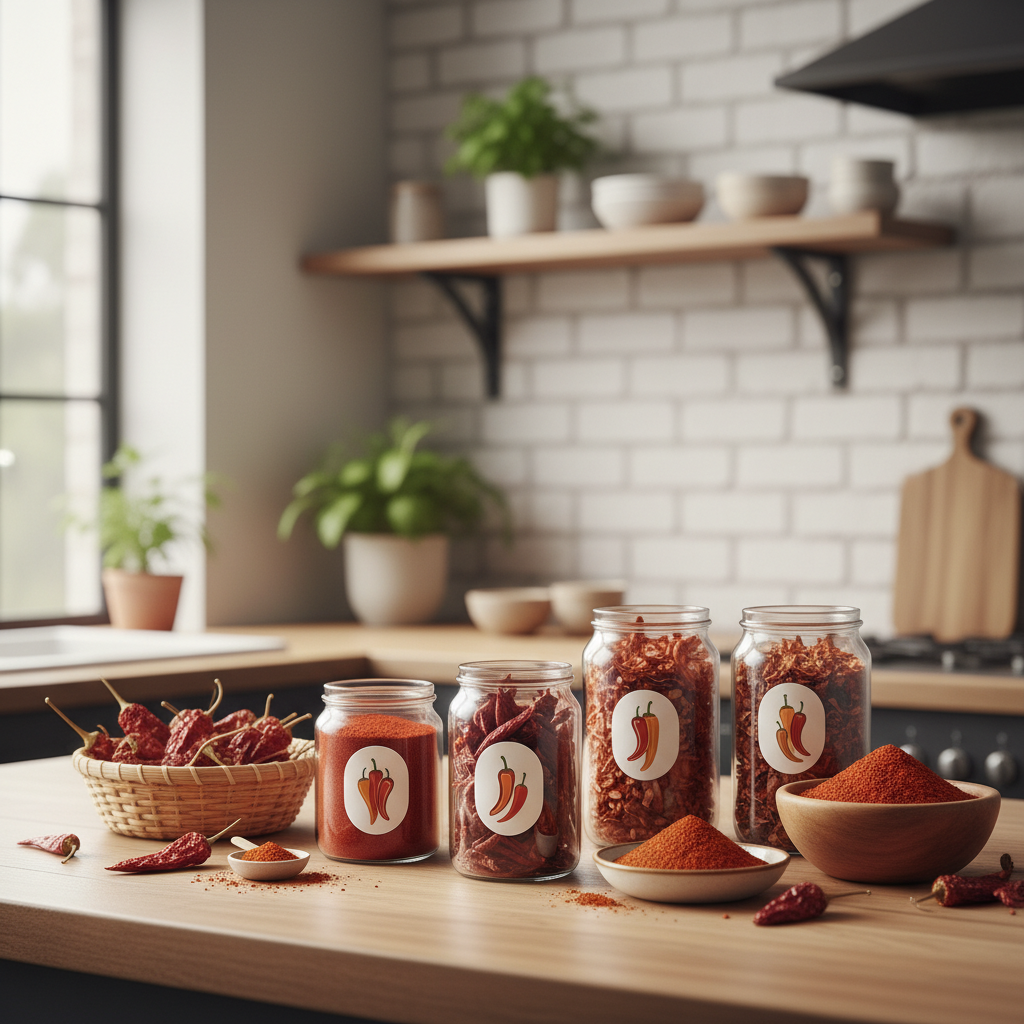
Paprika products, derived from dried peppers of the Capsicum annuum family, are a globally recognized spice and coloring agent. From the vibrant red hues enhancing culinary creations to their use in traditional medicine, paprika’s influence spans continents and cultures. Understanding the nuances of paprika products—from their various grades and origins to their chemical compositions and applications—is crucial for food producers, culinary professionals, and health enthusiasts alike. This understanding unlocks the full potential of this versatile ingredient.
The global paprika market is substantial, with Hungary, Spain, and China being leading producers. The United Nations’ Food and Agriculture Organization (FAO) reports consistently growing demand for spices, driven by increasing disposable incomes and evolving consumer preferences for flavorful and visually appealing food. However, challenges exist regarding quality control, sustainable sourcing, and the impact of climate change on pepper yields. Navigating these complexities is essential for ensuring a stable supply of high-quality paprika products.
Paprika products are more than just a kitchen staple; they are integral to industries like cosmetics, pharmaceuticals, and even animal feed. The rich carotenoid content, particularly beta-carotene, provides natural coloring and antioxidant properties, driving innovation in product development. As consumer demand for natural ingredients increases, the versatility and health benefits of paprika products continue to solidify their position in the global market.
Introduction: Global or Industry Context
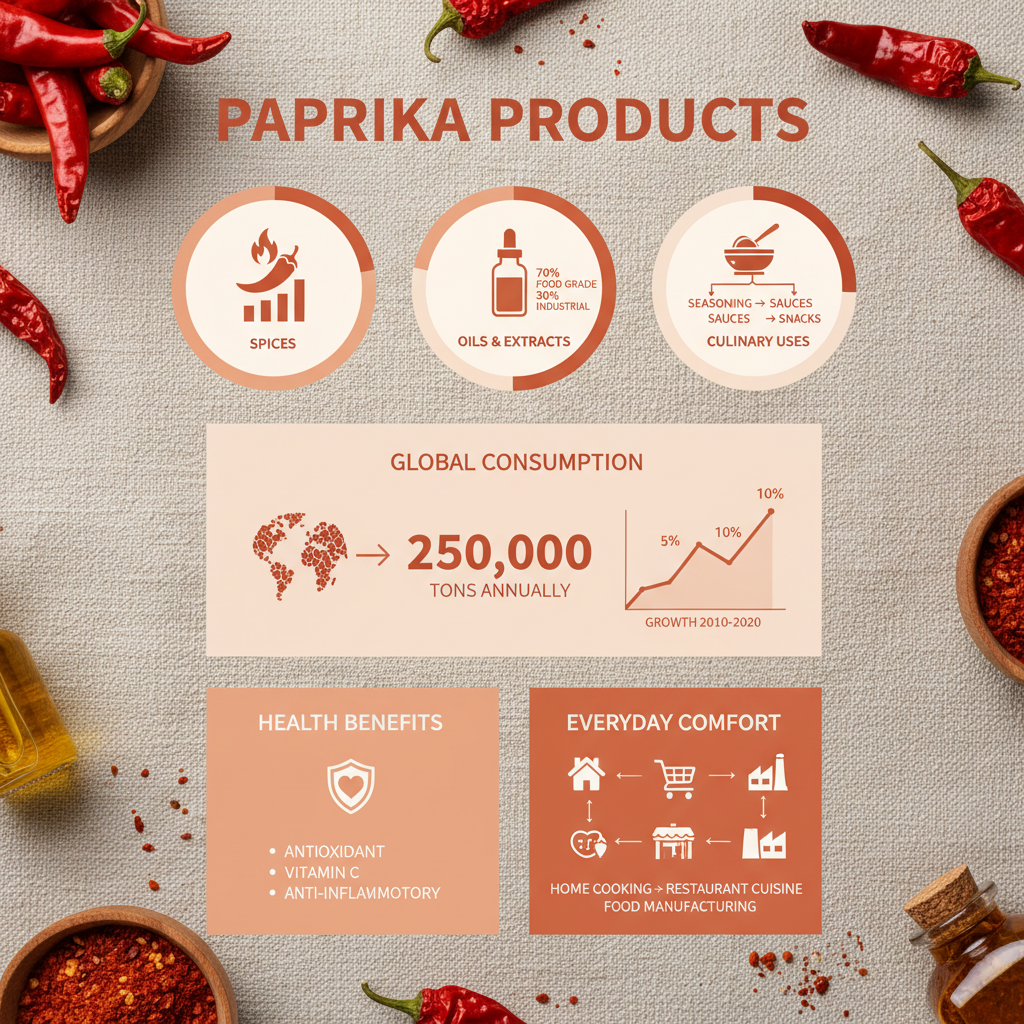
The global paprika products industry is estimated to be worth over $2.5 billion, with a projected annual growth rate of 3-5% according to recent market research. This growth is fueled by increasing demand from the food processing, cosmetic, and pharmaceutical sectors. The spice’s versatility, ranging from culinary uses to natural coloring agents, underpins its economic importance. Furthermore, the rising popularity of ethnic cuisines, which heavily utilize paprika, contributes to market expansion.
However, the paprika industry faces several critical challenges. Climate change poses a significant threat to pepper cultivation, leading to fluctuating yields and impacting pricing. Supply chain disruptions, geopolitical instability, and increasing regulatory scrutiny regarding food safety and quality control also present obstacles. Successfully navigating these challenges requires investment in sustainable agricultural practices, robust quality assurance systems, and proactive risk management strategies.
The quality of paprika products varies significantly based on the pepper variety, growing conditions, processing methods, and storage practices. Factors like the Scoville heat unit (SHU), color intensity (measured using ASTA color units), and carotenoid content are crucial indicators of quality. Consumers are increasingly seeking paprika products with specific characteristics, driving demand for traceable and certified supply chains.
FAQS
Sweet paprika is made from peppers with lower capsaicin levels, resulting in a mild, fruity flavor and a vibrant red color. Smoked paprika utilizes peppers dried over oak wood, imparting a distinctive smoky aroma and taste. Hot paprika comes from peppers with higher capsaicin content, delivering a spicy kick. These variations cater to different culinary preferences and applications, influencing the overall flavor profile of a dish. Choosing the right type of paprika is crucial for achieving the desired result.
Paprika is susceptible to degradation from light, air, and moisture. To preserve its flavor and color, store it in an airtight container in a cool, dark, and dry place. Avoid storing it near heat sources or direct sunlight. Properly stored paprika can maintain its quality for 1-2 years. Using opaque containers is recommended to minimize light exposure.
Pure paprika powder is naturally gluten-free. However, cross-contamination can occur during processing or packaging. Individuals with severe gluten allergies should look for paprika products specifically certified as gluten-free. Paprika is generally considered safe for most allergies, but those with pepper sensitivities should exercise caution. Always check the product label for potential allergens.
Paprika is rich in antioxidants, particularly carotenoids like beta-carotene, which may help protect against chronic diseases. It also contains vitamin C, vitamin E, and iron. These nutrients contribute to overall health and wellbeing. Some studies suggest that paprika may have anti-inflammatory properties. However, it’s important to consume paprika as part of a balanced diet.
While paprika doesn’t truly “spoil” in the sense of becoming unsafe, it loses its flavor and color over time. Signs of degradation include a faded color, a weak aroma, and a bland taste. If the paprika has been exposed to moisture, it may clump together. While still safe to use, it won’t provide the desired flavor impact.
Hungarian paprika is renowned for its high quality and distinctive flavor profiles, regulated by strict standards. It’s classified into several grades – sweet, semi-sweet, and hot – each with specific color and flavor characteristics. Hungarian paprika often boasts a more complex aroma and a richer color than paprika from other regions. The soil and climate of Hungary contribute to its unique quality.
Conclusion
Paprika products represent a versatile and valuable ingredient with a rich history and a promising future. From its culinary applications to its industrial uses, paprika’s vibrant color, diverse flavor profiles, and beneficial health properties continue to drive its global demand. Understanding the key factors influencing quality, sustainability, and innovation is crucial for navigating the evolving paprika market.
Looking ahead, embracing technological advancements, promoting sustainable farming practices, and prioritizing traceability will be essential for ensuring the long-term viability of the paprika industry. We encourage you to explore the possibilities that paprika products offer and discover how they can enhance your culinary creations and innovative product development. Visit our website at paprika products to learn more.
Related Posts
-
Advancements in Construction Materials and Prefabrication Techniques for Modern Building
-
Navigating Modern Construction Trends with Capsicum Annuum Paprika Insights
-

Capsicum Extract for Weight Loss A Comprehensive Guide to Benefits and Applications
-
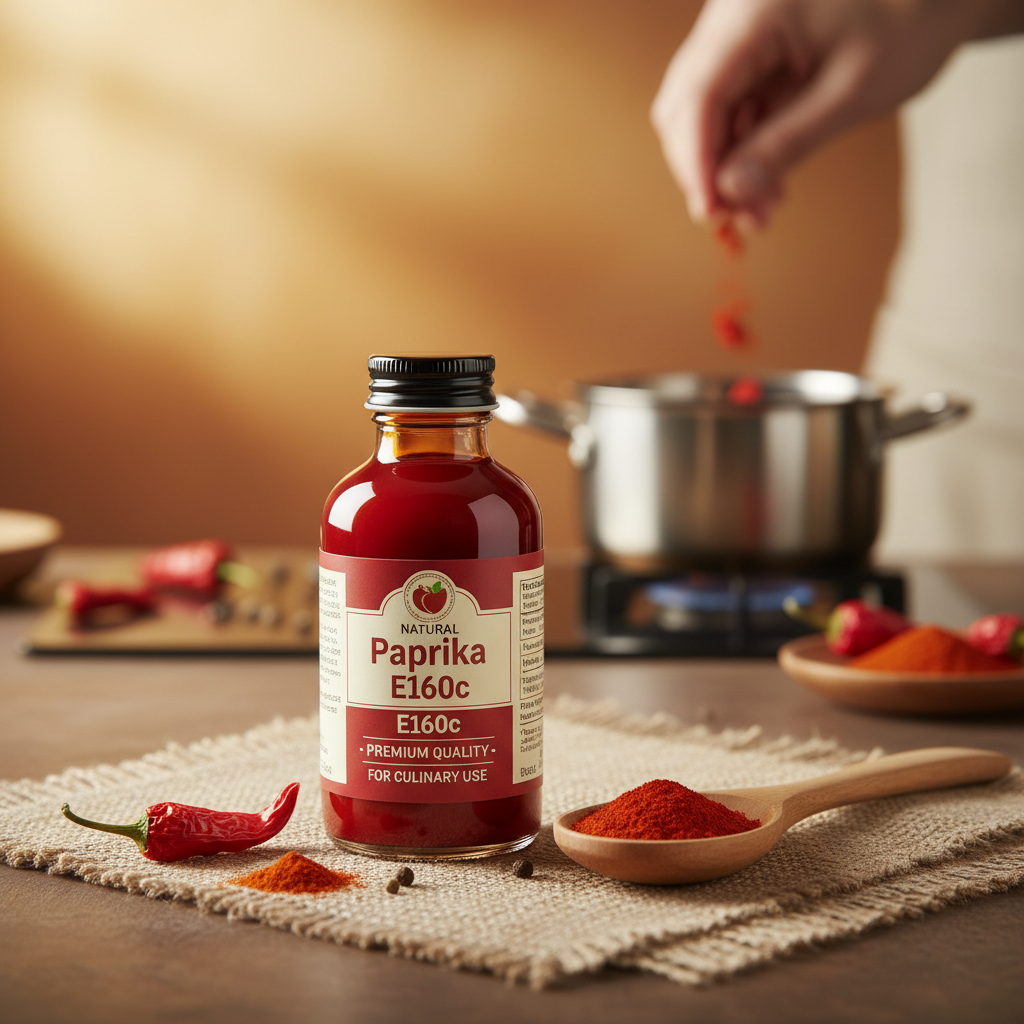
Exploring Paprika Extract E160c Applications Production and Future Trends

 English
  Afrikaans
  Albanian
  Amharic
  Arabic
  Armenian
  Azerbaijani
  Basque
  Belarusian
  Bengali
  Bosnian
  Bulgarian
  Catalan
  Cebuano
  Corsican
  Croatian
  Czech
Czech  Danish
  Dutch
Dutch  Esperanto
  Estonian
  Finnish
  French
  Frisian
  Galician
  Georgian
  German
  Greek
Greek  Gujarati
  Haitian Creole
  Hausa
Hausa  Hawaiian
  Hebrew
  Hindi
Hindi  Miao
Miao  Hungarian
  Icelandic
  Igbo
Igbo  Indonesian
  Irish
Irish  Italian
  Japanese
  Javanese
  Kannada
  Kazakh
  Khmer
Khmer  Rwandese
  Korean
  Kurdish
  Kyrgyz
  Lao
Lao  Latin
Latin  Latvian
  Lithuanian
  Luxembourgish
  Macedonian
  Malgashi
  Malay
Malay  Malayalam
  Maltese
  Maori
Maori  Marathi
  Mongolian
  Myanmar
  Nepali
  Norwegian
  Norwegian
  Occitan
  Pashto
  Persian
  Polish
  Portuguese
  Punjabi
  Romanian
  Russian
  Samoan
  Scottish Gaelic
  Serbian
  Sesotho
  Shona
Shona  Sindhi
  Sinhala
  Slovak
  Slovenian
  Somali
  Spanish
  Sundanese
  Swahili
  Swedish
  Tagalog
  Tajik
Tajik  Tamil
Tamil  Tatar
Tatar  Telugu
  Thai
Thai  Turkish
  Turkmen
  Ukrainian
  Urdu
Urdu  Uighur
  Uzbek
Uzbek  Vietnamese
  Welsh
Welsh  Bantu
Bantu  Yiddish
  Yoruba
  Zulu
Zulu