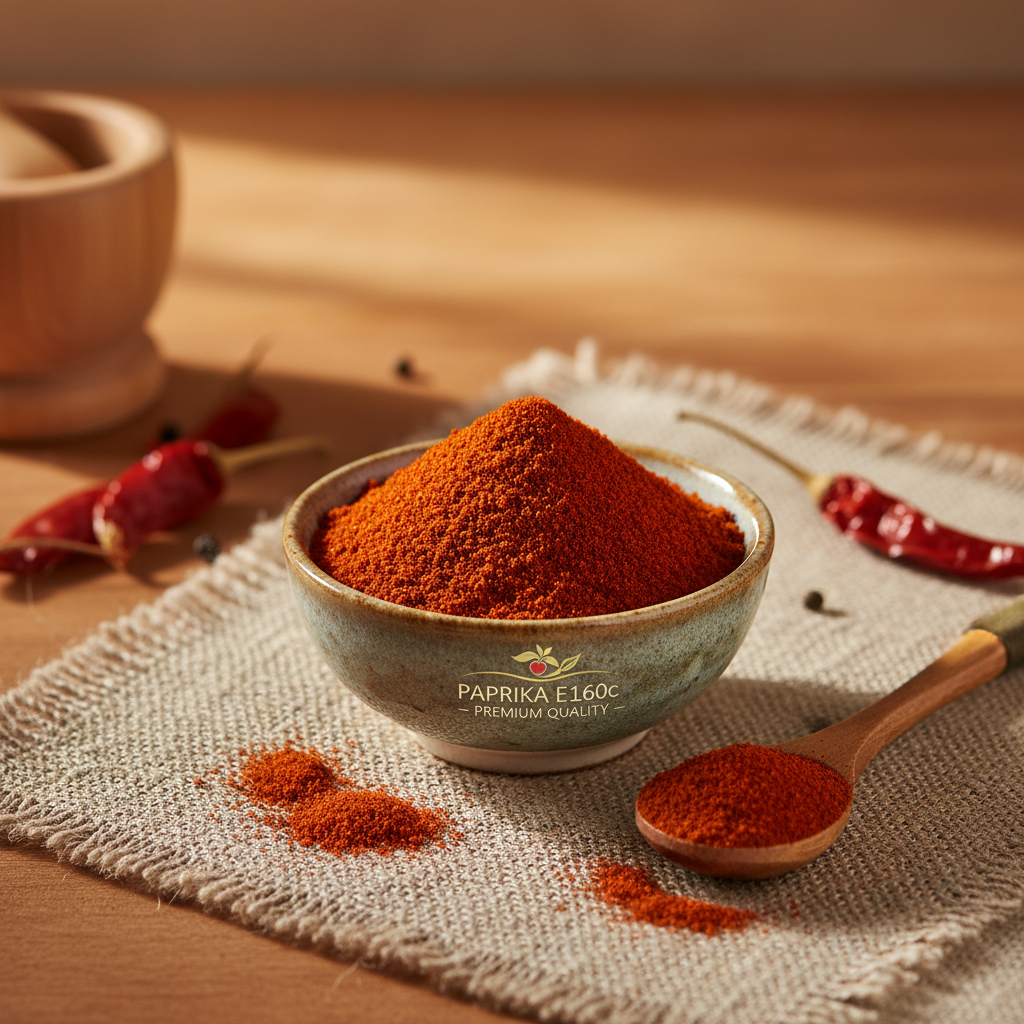
Paprika e160c, a vibrant red pigment derived from dried peppers of the Capsicum annum family, holds a surprisingly crucial position in a multitude of industries globally. Beyond its culinary applications adding color and flavor to dishes worldwide, paprika e160c acts as a natural colorant in food processing, pharmaceuticals, cosmetics, and even some industrial coatings. Its global relevance stems from a growing consumer demand for natural, safe, and aesthetically pleasing products. Understanding the nuances of paprika e160c – its production, composition, quality control, and applications – is therefore essential for manufacturers, regulators, and consumers alike.
The demand for paprika e160c is intrinsically linked to the broader trends of natural food coloring and sustainable sourcing. With increasing scrutiny over synthetic dyes and their potential health implications, the market for natural alternatives like paprika e160c is experiencing substantial growth. According to a report by Grand View Research, the global natural food colors market size was valued at USD 2.46 billion in 2022 and is projected to grow at a compound annual growth rate (CAGR) of 6.1% from 2023 to 2030. This growth is particularly pronounced in emerging economies where consumer awareness of health and wellness is rising.
This escalating demand presents both opportunities and challenges. Ensuring a consistent supply of high-quality paprika e160c, maintaining sustainable farming practices, and addressing potential issues like adulteration and variability in pigment strength are key concerns. The future success of this natural colorant hinges on innovation in cultivation techniques, processing technologies, and quality assurance protocols.
The Global Significance of Paprika e160c
Paprika e160c isn't simply a spice; it’s a globally traded commodity impacting food security, economic development, and public health. Major producing countries, including Spain, Hungary, China, and India, contribute significantly to the global supply chain, often supporting the livelihoods of numerous smallholder farmers. The United Nations Sustainable Development Goals (SDGs), particularly those related to responsible consumption and production (SDG 12) and reduced inequalities (SDG 10), are directly relevant to the sustainable cultivation and fair trade of paprika e160c.
Fluctuations in weather patterns, disease outbreaks affecting pepper crops, and geopolitical instability in key producing regions can all disrupt the supply of paprika e160c, leading to price volatility and impacting industries reliant on this natural colorant. Addressing these vulnerabilities through diversification of sourcing, investment in climate-resilient agriculture, and robust quality control measures is crucial for ensuring a stable and sustainable supply of paprika e160c.
Defining Paprika e160c
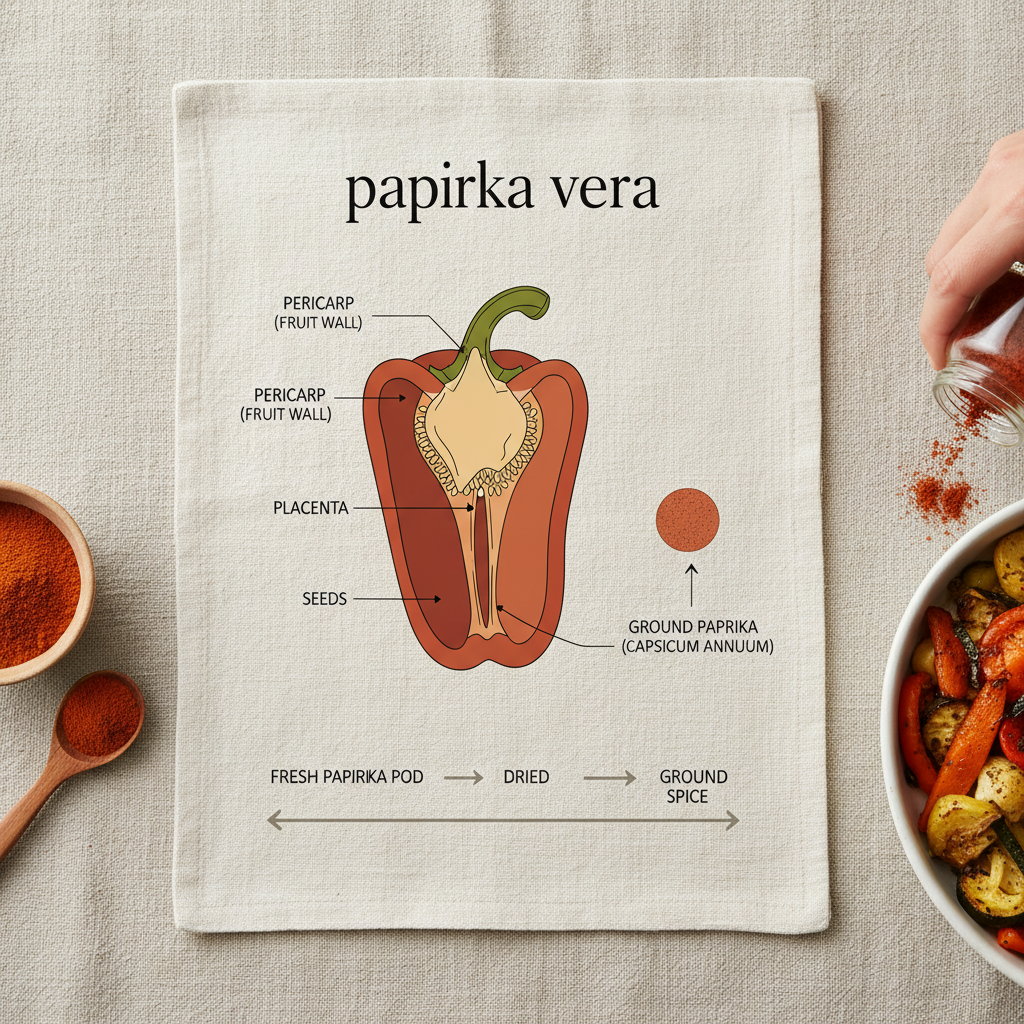
Paprika e160c is the color additive extracted from the fruits of Capsicum annum (paprika peppers). The “e160c” designation refers to its European Union E number, signifying its approval as a food additive. Unlike synthetic red dyes, paprika e160c is a naturally derived carotenoid pigment, primarily consisting of capsanthin and capsorubin, responsible for its vibrant red hue. The intensity of the color varies depending on the pepper variety, growing conditions, and processing methods.
Its connection to modern industry extends beyond simply replacing synthetic colorants. Paprika e160c offers functional benefits, too. It contributes subtle flavor notes, and some research suggests its carotenoid content possesses antioxidant properties. These attributes make it particularly attractive for manufacturers seeking “clean label” ingredients – those perceived as natural, wholesome, and minimally processed.
Importantly, ‘paprika’ and ‘paprika e160c’ are not always synonymous. While paprika spice contains the color, ‘paprika e160c’ specifically refers to the isolated and standardized color extract meeting specific purity and intensity criteria, making it suitable for precise coloring applications.
Key Characteristics of Paprika e160c
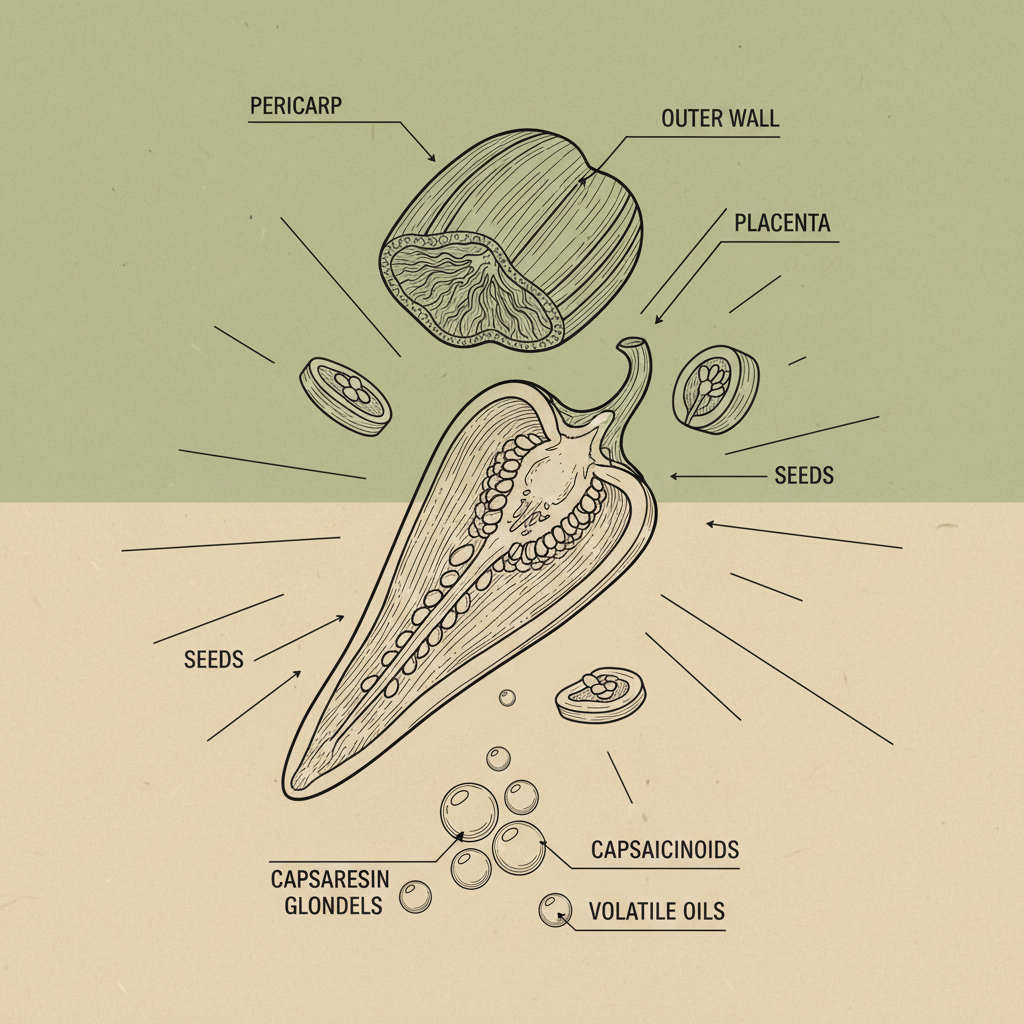
Several key characteristics define the quality and applicability of paprika e160c. First, its color strength, measured in ASTA color units, determines its tinting power – higher ASTA values signify more intense color. Secondly, its capsaicinoid content influences its pungency; sweet paprika contains very little capsaicin, while hot paprika has a noticeable heat.
Another crucial factor is purity. Regulations dictate acceptable limits for heavy metals, pesticides, and other contaminants. Furthermore, the solubility of paprika e160c in different solvents – water, oil, alcohol – affects its suitability for diverse applications. Lastly, stability – its resistance to fading or degradation under light, heat, and pH changes – determines its shelf life and performance in finished products.
These characteristics are not inherent but are significantly influenced by the paprika pepper cultivar, growing environment (soil type, climate), harvesting methods, drying processes, and extraction techniques used. Therefore, careful control throughout the entire production chain is essential to deliver consistent and high-quality paprika e160c.
Global Applications and Diverse Use Cases
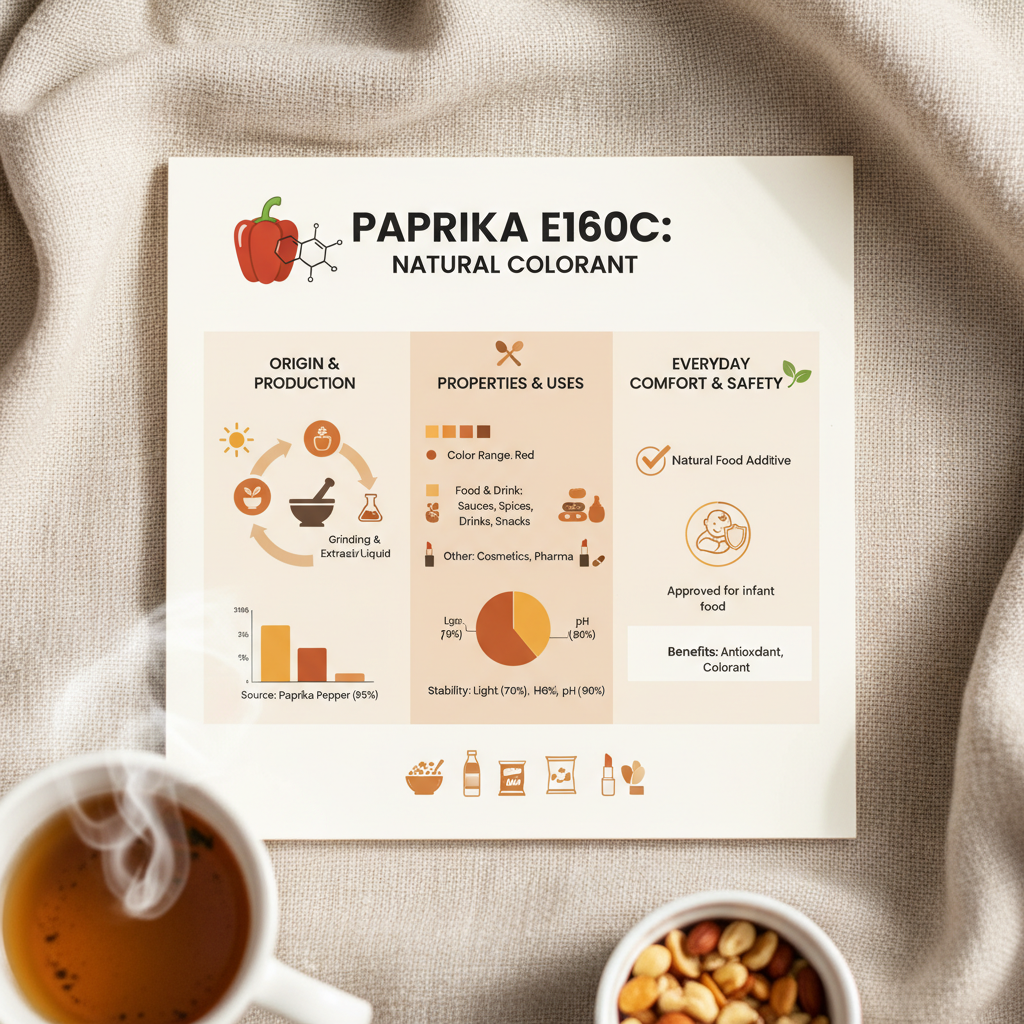
The applications of paprika e160c span a vast range of industries. In the food industry, it’s used to color processed meats (sausages, ham), sauces, seasonings, snacks, confectionery, dairy products, and beverages. Its use is particularly common in products where a natural red hue is desired.
Beyond food, paprika e160c finds applications in the cosmetics industry as a natural colorant for lipsticks, blushers, and other makeup products. In the pharmaceutical industry, it’s used in capsule coatings and tablet formulations. Even niche industries like textile dyeing and art supplies occasionally utilize paprika e160c for its natural pigment properties.
Geographically, Spain and Hungary remain dominant suppliers to the European market, while China and India are significant exporters to Asia and North America. The demand for paprika e160c is especially strong in regions with established paprika-based cuisines, such as Spain, Portugal, Hungary, and parts of Latin America.
Paprika e160c Application Market Share
Advantages and Long-Term Value Proposition
The advantages of utilizing paprika e160c extend beyond its coloring properties. From a cost perspective, while sometimes more expensive than synthetic alternatives initially, the increasing demand and production efficiencies are driving prices down. Its sustainability is a key benefit, stemming from its natural origin and potential for organic and regenerative farming practices. Socially, supporting paprika e160c production can empower farming communities and promote fair trade.
In terms of reliability, consistently high-quality paprika e160c offers predictable performance in applications, a crucial factor for manufacturers. The appeal extends to enhancing brand image through natural ingredient declarations, resonating with health-conscious consumers. The inherent antioxidant properties associated with its carotenoids offer a potential value-added benefit, boosting consumer confidence and product appeal.
Future Trends and Innovations in Paprika e160c
The future of paprika e160c is poised for innovation. Research into novel extraction techniques – such as supercritical fluid extraction – promises higher yields and purer extracts. Genetic engineering and selective breeding programs are focused on developing paprika pepper varieties with enhanced pigment content and improved resistance to disease.
The increasing emphasis on traceability and transparency in supply chains will drive the adoption of blockchain technology to track paprika e160c from farm to finished product. This technology can help verify authenticity, prevent adulteration, and ensure ethical sourcing. Furthermore, advancements in microencapsulation techniques could enhance the stability and bioavailability of paprika e160c, expanding its potential applications.
Challenges and Sustainable Solutions
Despite its benefits, paprika e160c production faces challenges. Climate change poses a significant threat to pepper crops, with increasingly frequent droughts, floods, and extreme temperatures impacting yields. Adulteration – the addition of cheaper pigments like synthetic dyes – remains a concern, requiring stringent quality control measures.
Sustainable solutions include investing in climate-resilient farming practices, such as water conservation techniques and drought-resistant pepper varieties. Promoting organic farming and regenerative agriculture can improve soil health and reduce reliance on synthetic pesticides. Implementing robust analytical testing methods and certification programs can help ensure authenticity and prevent adulteration.
Collaboration between farmers, processors, regulators, and researchers is essential to overcome these challenges and build a resilient and sustainable paprika e160c supply chain. Supporting fair trade initiatives and empowering smallholder farmers are also crucial for ensuring long-term viability.
Summary of Challenges and Solutions for Paprika e160c
| Challenge Area |
Impact on Paprika e160c |
Proposed Solution |
Implementation Level |
| Climate Change |
Reduced yields, inconsistent quality |
Drought-resistant varieties, water conservation |
Medium |
| Adulteration |
Loss of consumer trust, compromised quality |
Advanced analytical testing, certification |
High |
| Supply Chain Transparency |
Difficulty verifying origin and ethical practices |
Blockchain technology, traceability systems |
Medium |
| Pest & Disease Outbreaks |
Crop loss, increased production costs |
Resistant varieties, integrated pest management |
Medium |
| Farmer Livelihoods |
Economic vulnerability, lack of incentives |
Fair trade practices, direct sourcing |
Low |
| Processing Efficiency |
Lower extraction yields, increased costs |
Supercritical fluid extraction, optimized methods |
Medium |
FAQS
Paprika e160c is a natural pigment derived from peppers, offering a safer and more wholesome alternative to synthetic red dyes like Allura Red AC (Red 40). Synthetic dyes are produced chemically and may raise health concerns for some consumers. Paprika e160c, while providing a similar red hue, is perceived as a cleaner, more natural option, aligning with the growing demand for “clean label” products. It also provides subtle flavour notes that synthetic dyes lack.
While generally considered safe, paprika e160c, being a plant-derived product, can potentially trigger allergic reactions in individuals with sensitivities to nightshades (the plant family to which peppers belong). Allergic reactions are rare, but symptoms can include skin rashes, itching, or digestive discomfort. Individuals with known nightshade allergies should exercise caution and consult with a healthcare professional.
The quality of paprika e160c is assessed through various parameters, including its ASTA color value (measuring color strength), capsanthin and capsorubin content (determining pigment concentration), moisture levels, heavy metal content, and pesticide residues. Standardized analytical methods, such as spectrophotometry and chromatography, are employed to ensure compliance with regulatory standards. Certificates of Analysis (COAs) are typically provided by suppliers.
To maintain its quality and potency, paprika e160c should be stored in a cool, dry, and dark environment, away from direct sunlight and heat. Airtight containers are essential to prevent oxidation and moisture absorption. Proper storage can extend the shelf life of paprika e160c, ensuring its continued effectiveness as a natural colorant. Ideally stored below 25°C.
Yes, paprika e160c derived from organically grown peppers can be used in certified organic food products, provided it meets the requirements of organic standards. Suppliers must demonstrate that the paprika peppers were grown without synthetic pesticides, herbicides, or fertilizers, and that the extraction process adheres to organic processing guidelines. Certification from a reputable organic certifying body is typically required.
Processing methods significantly impact the color and quality of paprika e160c. Gentle drying techniques, such as low-temperature air drying, help preserve the vibrant red hue and prevent degradation of carotenoids. The extraction method – whether using solvents like ethanol or more advanced techniques like supercritical fluid extraction – also influences the purity and yield. Overheating or harsh chemical processing can diminish color strength and introduce impurities.
Conclusion
Paprika e160c stands as a testament to the power of natural solutions in a world increasingly demanding transparency and sustainability. From its vibrant colour to its potential health benefits and its role in supporting agricultural communities, paprika e160c offers a compelling alternative to synthetic dyes. The insights discussed highlight its global importance, the critical factors influencing its quality, and the innovative approaches shaping its future.
Looking ahead, continued investment in research, sustainable farming practices, and robust quality control measures will be paramount to ensuring a stable and reliable supply of paprika e160c. Embracing advancements in extraction technology and traceability systems will further enhance its value proposition and solidify its position as a leading natural colorant in diverse industries. For more information and to explore our range of paprika e160c products, visit our website: www.hongrispice.com



 English
  Afrikaans
  Albanian
  Amharic
  Arabic
  Armenian
  Azerbaijani
  Basque
  Belarusian
  Bengali
  Bosnian
  Bulgarian
  Catalan
  Cebuano
  Corsican
  Croatian
  Czech
Czech  Danish
  Dutch
Dutch  Esperanto
  Estonian
  Finnish
  French
  Frisian
  Galician
  Georgian
  German
  Greek
Greek  Gujarati
  Haitian Creole
  Hausa
Hausa  Hawaiian
  Hebrew
  Hindi
Hindi  Miao
Miao  Hungarian
  Icelandic
  Igbo
Igbo  Indonesian
  Irish
Irish  Italian
  Japanese
  Javanese
  Kannada
  Kazakh
  Khmer
Khmer  Rwandese
  Korean
  Kurdish
  Kyrgyz
  Lao
Lao  Latin
Latin  Latvian
  Lithuanian
  Luxembourgish
  Macedonian
  Malgashi
  Malay
Malay  Malayalam
  Maltese
  Maori
Maori  Marathi
  Mongolian
  Myanmar
  Nepali
  Norwegian
  Norwegian
  Occitan
  Pashto
  Persian
  Polish
  Portuguese
  Punjabi
  Romanian
  Russian
  Samoan
  Scottish Gaelic
  Serbian
  Sesotho
  Shona
Shona  Sindhi
  Sinhala
  Slovak
  Slovenian
  Somali
  Spanish
  Sundanese
  Swahili
  Swedish
  Tagalog
  Tajik
Tajik  Tamil
Tamil  Tatar
Tatar  Telugu
  Thai
Thai  Turkish
  Turkmen
  Ukrainian
  Urdu
Urdu  Uighur
  Uzbek
Uzbek  Vietnamese
  Welsh
Welsh  Bantu
Bantu  Yiddish
  Yoruba
  Zulu
Zulu