Paprika tea, a warming and subtly spiced beverage, is experiencing a global resurgence in popularity, moving beyond traditional medicinal uses to become a sought-after wellness drink and culinary ingredient. This renewed interest stems from a growing awareness of paprika’s rich antioxidant profile and potential health benefits, coupled with a desire for unique and flavorful tea experiences. Understanding the nuances of paprika tea – from sourcing and processing to brewing methods and health implications – is becoming increasingly vital for both consumers and industry professionals.
The global spice trade has a long and intricate history, with paprika, derived from capsicum peppers, playing a crucial role for centuries. Now, its application as a tea offers a novel perspective on this established commodity. Factors such as increasing demand for natural and functional foods, coupled with the rising popularity of herbal teas, are driving the market for paprika tea. According to market research, the herbal tea sector is expected to grow significantly in the next decade, offering a promising outlook for paprika tea producers and suppliers.
The potential of paprika tea extends beyond a simple beverage; it represents an innovative use of agricultural products, offering opportunities for sustainable farming practices and value-added processing. Addressing consumer demand for healthier and more unique options, paprika tea is uniquely positioned to capture a niche market within the broader tea and wellness industries.

The Global Rise of Paprika Tea

Paprika tea's increasing global reach isn't merely a trend; it’s a reflection of evolving consumer preferences toward functional beverages and natural remedies. Originating from traditional medicinal practices in regions like Hungary and Spain, where paprika peppers have been cultivated for centuries, paprika tea is now gaining traction in North America, Europe, and Asia. The United Nations has reported a growing global interest in spice-based health solutions, making paprika tea a promising product in this expanding market.
The demand for paprika tea addresses the challenges posed by modern lifestyles, such as increasing stress levels and a focus on preventative health measures. Consumers are seeking natural alternatives to support their well-being, and paprika tea, with its potential anti-inflammatory and antioxidant properties, provides a compelling option. This creates opportunities for farmers, processors, and retailers alike.
FAQS
Paprika tea is rich in antioxidants, particularly carotenoids like beta-carotene, which are known to support eye health and boost the immune system. Additionally, capsaicinoids present in paprika may possess anti-inflammatory properties, potentially aiding in digestive health and reducing discomfort. However, more research is needed to fully validate these benefits.
To brew paprika tea, start with one teaspoon of high-quality paprika powder per cup of hot water. Steep for 5-7 minutes, depending on your desired strength. You can add honey, lemon, or ginger for flavor. Avoid over-steeping, as this can result in a bitter taste. Experiment with different paprika varieties to find your favorite flavor profile.
While generally safe, paprika tea may not be suitable for everyone. Individuals with sensitivities to nightshade vegetables (like tomatoes, peppers, and eggplants) should exercise caution. Those taking blood thinners or with gastrointestinal issues should consult with a healthcare professional before consuming paprika tea regularly.
Paprika tea and chili tea are both made from peppers, but differ significantly in flavor and heat. Chili tea is typically made with hot chili peppers and delivers a pronounced spicy kick. Paprika tea, made from milder paprika peppers, offers a warmer, more subtle flavor with a gentle, smoky undertone. The heat level is considerably lower in paprika tea.
Look for paprika that is sourced from reputable suppliers known for their quality control and sustainable farming practices. Organic paprika is often a good choice. Specialty spice shops, online retailers, and directly from paprika farmers are all potential sources. Ensure the paprika is a vibrant red color and has a fresh, aromatic scent.
Yes, paprika tea can be enjoyed cold! Brew a strong concentration of tea and allow it to cool completely before pouring over ice. You can also add a squeeze of lemon or orange juice for a refreshing twist. Cold paprika tea makes a unique and flavorful summer beverage.
Conclusion
Paprika tea represents a compelling intersection of tradition, innovation, and wellness. From its humble origins as a folk remedy to its emerging status as a globally recognized beverage, paprika tea offers a unique flavor profile and potential health benefits that resonate with today’s health-conscious consumers. Its sustainable production possibilities and adaptability to diverse culinary applications further enhance its appeal.
Looking ahead, continued research into the health benefits of paprika tea, coupled with investments in sustainable farming practices and innovative product development, will be crucial for unlocking its full potential. We encourage you to explore the world of paprika tea and discover the warmth and vitality it has to offer.
Related Posts
-

Exploring Capsicum Frutescens Oleoresin Applications and Global Market Trends
-

Exploring Capisum Extract A Sustainable Material for Diverse Applications
-

Exploring the Global Landscape of Paprikachili Products and Their Diverse Applications
-
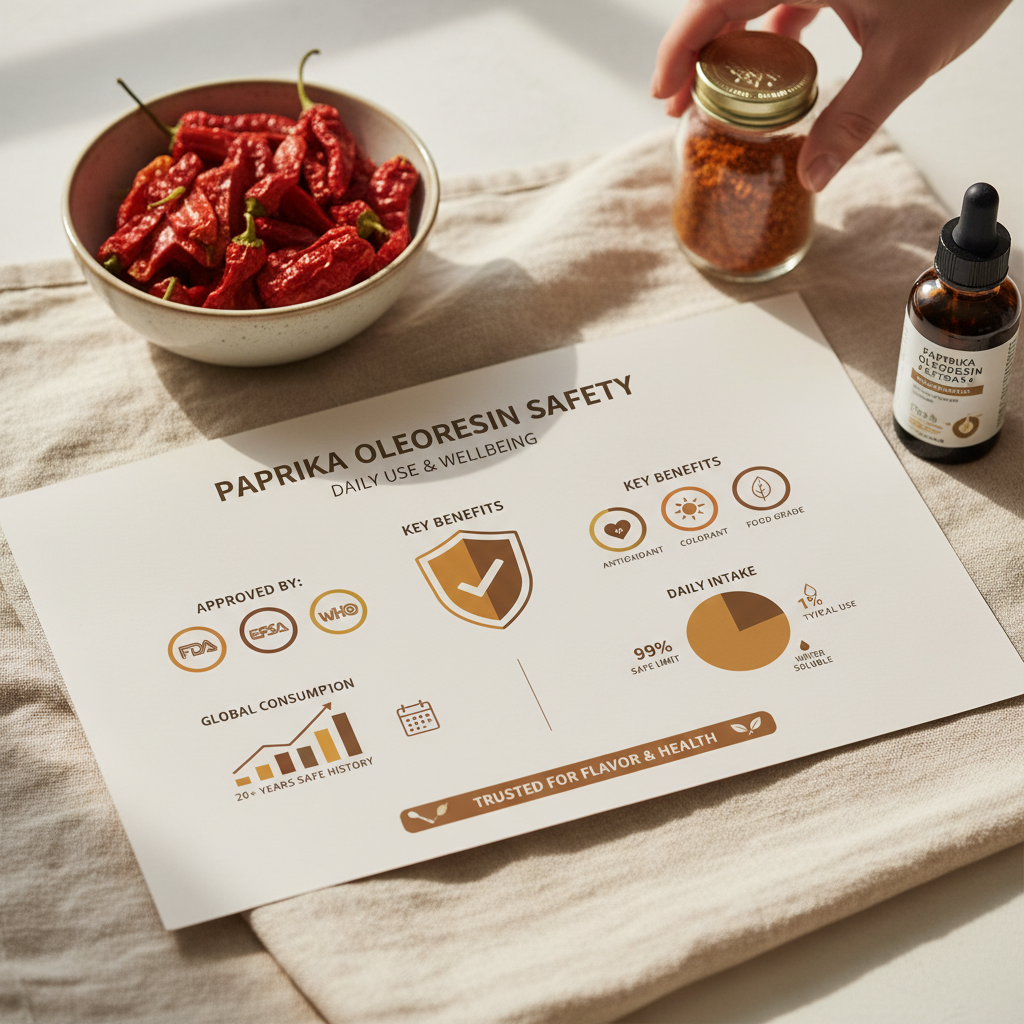
Ensuring Paprika Oleoresin Safe Quality for Food and Industrial Applications

 English
  Afrikaans
  Albanian
  Amharic
  Arabic
  Armenian
  Azerbaijani
  Basque
  Belarusian
  Bengali
  Bosnian
  Bulgarian
  Catalan
  Cebuano
  Corsican
  Croatian
  Czech
Czech  Danish
  Dutch
Dutch  Esperanto
  Estonian
  Finnish
  French
  Frisian
  Galician
  Georgian
  German
  Greek
Greek  Gujarati
  Haitian Creole
  Hausa
Hausa  Hawaiian
  Hebrew
  Hindi
Hindi  Miao
Miao  Hungarian
  Icelandic
  Igbo
Igbo  Indonesian
  Irish
Irish  Italian
  Japanese
  Javanese
  Kannada
  Kazakh
  Khmer
Khmer  Rwandese
  Korean
  Kurdish
  Kyrgyz
  Lao
Lao  Latin
Latin  Latvian
  Lithuanian
  Luxembourgish
  Macedonian
  Malgashi
  Malay
Malay  Malayalam
  Maltese
  Maori
Maori  Marathi
  Mongolian
  Myanmar
  Nepali
  Norwegian
  Norwegian
  Occitan
  Pashto
  Persian
  Polish
  Portuguese
  Punjabi
  Romanian
  Russian
  Samoan
  Scottish Gaelic
  Serbian
  Sesotho
  Shona
Shona  Sindhi
  Sinhala
  Slovak
  Slovenian
  Somali
  Spanish
  Sundanese
  Swahili
  Swedish
  Tagalog
  Tajik
Tajik  Tamil
Tamil  Tatar
Tatar  Telugu
  Thai
Thai  Turkish
  Turkmen
  Ukrainian
  Urdu
Urdu  Uighur
  Uzbek
Uzbek  Vietnamese
  Welsh
Welsh  Bantu
Bantu  Yiddish
  Yoruba
  Zulu
Zulu