Paprika extract e160c, derived from the dried fruits of Capsicum annuum plants, is a vibrant coloring agent and flavorant widely used across the food industry. Its versatility extends beyond culinary applications, finding uses in cosmetics and even pharmaceutical preparations. Understanding paprika extract e160c's composition, production methods, and regulations is crucial for ensuring product quality, safety, and compliance in a globally interconnected market.
The demand for natural colorants is steadily rising, driven by consumer preference for clean-label products and a growing awareness of potential health concerns associated with synthetic alternatives. Paprika extract e160c, as a natural source of carotenoids, stands to benefit from this trend, presenting opportunities for sustainable sourcing and innovative applications. The global paprika market is projected to continue expanding, making knowledge of this extract vital for producers, suppliers, and end-users alike.
This exploration delves into the nuances of paprika extract e160c, from its fundamental characteristics to its future potential. We’ll examine key factors influencing its quality and stability, its diverse applications across various industries, and the challenges and opportunities that lie ahead in optimizing its production and utilization. A thorough understanding of paprika extract e160c is essential for navigating the evolving landscape of natural food colorings.
Introduction to Paprika Extract E160c
Paprika extract e160c plays a significant role in the food coloring industry, providing a natural alternative to synthetic dyes. The extract is obtained through solvent extraction of the dried fruits of Capsicum annuum, and its color intensity and characteristics depend on factors like the paprika variety, growing conditions, and extraction process. Understanding these variables is crucial for maintaining consistent product quality.
The increasing demand for clean-label products and natural ingredients has spurred greater interest in paprika extract e160c. Food manufacturers are actively seeking alternatives to artificial colorings, driven by consumer concerns and evolving regulatory requirements. This presents a substantial opportunity for growth within the paprika extract industry, provided sustainable and reliable sourcing can be ensured.
Defining Paprika Extract E160c
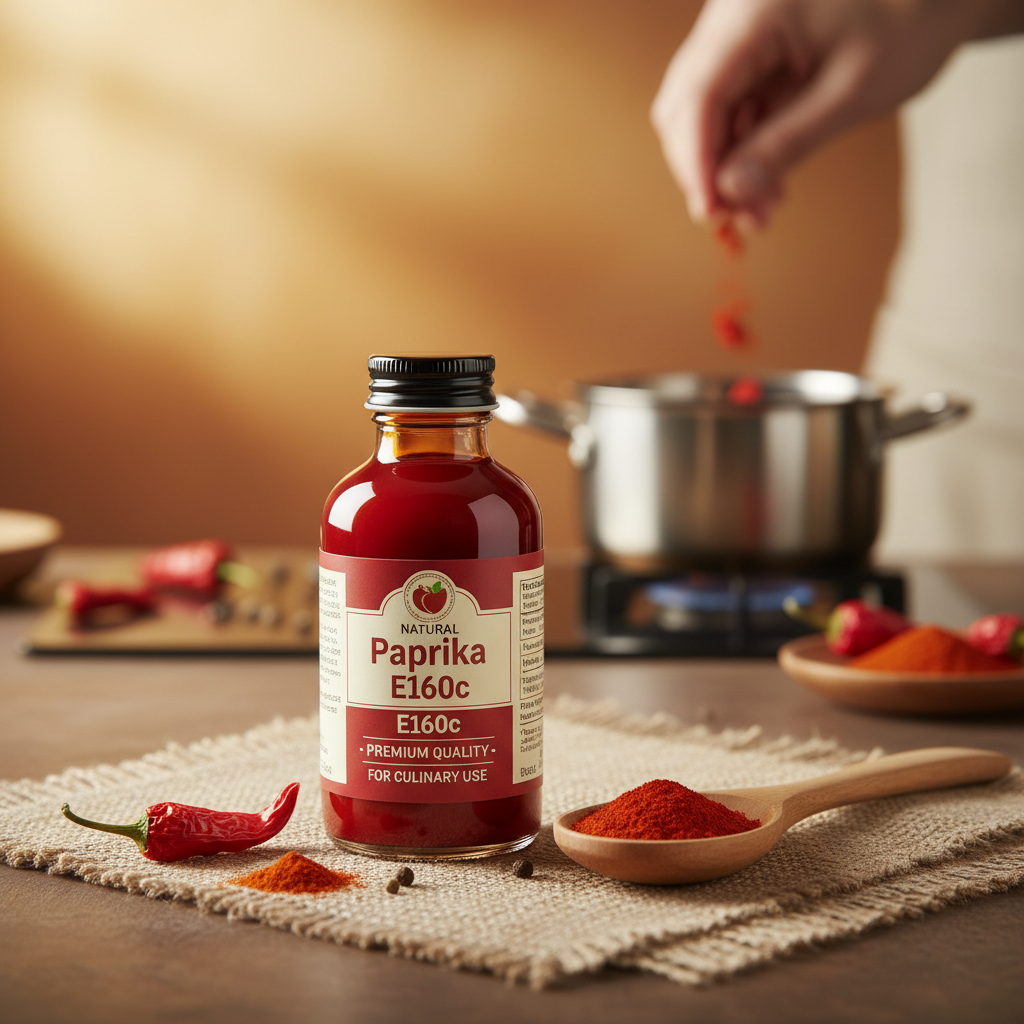
Paprika extract e160c is a natural colorant obtained from the fruits of Capsicum annuum, commonly known as paprika peppers. It’s categorized as a carotenoid pigment, primarily consisting of capsanthin and capsorubin, responsible for its vibrant red hue. The ‘e160c’ designation is part of the European Union's E number system, identifying it as a permitted food additive.
Unlike simple paprika powder, which contains the whole dried fruit, paprika extract e160c is a concentrated form. This concentration is achieved through solvent extraction, yielding a more potent coloring agent. This makes it particularly valuable in applications where a strong, consistent color is required with minimal impact on flavor.
The extract's connection to modern industry stems from its ability to meet the rising demand for natural and safe food colorings. As consumers become more conscious of ingredient lists, manufacturers are actively reformulating products to incorporate naturally derived alternatives like paprika extract e160c, appealing to a wider audience and aligning with current market trends.
Key Components of Paprika Extract E160c
The primary components responsible for the color of paprika extract e160c are capsanthin and capsorubin. Capsanthin imparts a bright red-orange hue, while capsorubin contributes a more reddish tone. The ratio of these carotenoids varies depending on the paprika variety and processing methods, influencing the final color profile of the extract.
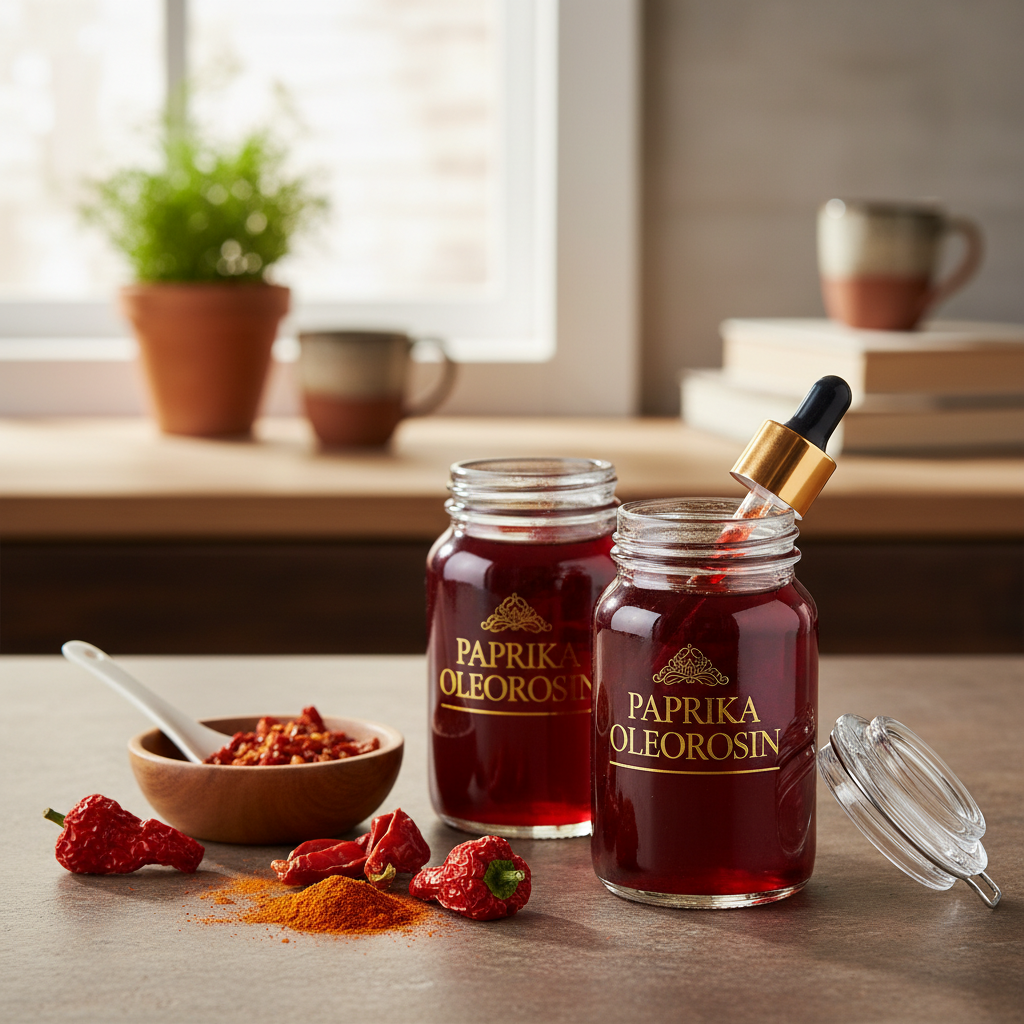
Beyond capsanthin and capsorubin, paprika extract e160c contains other carotenoids, such as β-carotene and lutein, albeit in smaller quantities. Oleoresin, a mixture of volatile compounds, also contributes to the extract’s flavor profile, providing subtle nuances beyond just color. The presence of these other compounds adds complexity and contributes to the overall quality of the extract.
Solvent residues are a critical consideration in the composition of paprika extract e160c. Rigorous quality control measures are essential to ensure that residual solvent levels comply with regulatory standards, ensuring the safety of the extract for human consumption. Common solvents used in extraction include ethanol and acetone, and their complete removal is paramount.
Global Applications & Use Cases
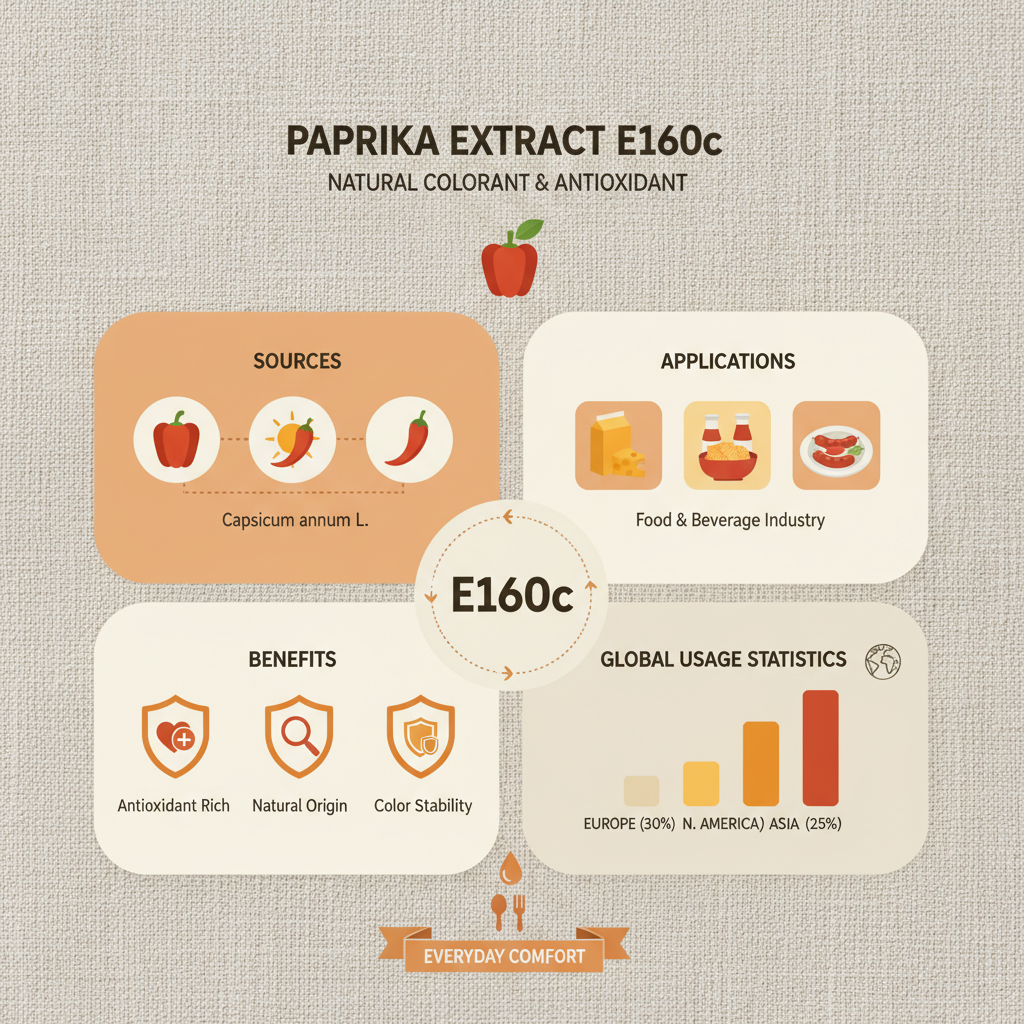
Paprika extract e160c finds extensive application in the food industry, particularly in processed meats, snacks, dairy products, and sauces. Its ability to impart a consistent red color makes it ideal for products like sausages, salami, paprika chips, cheese spreads, and ketchup. The demand for natural colorants in these sectors is driving consistent growth in the use of paprika extract e160c.
Beyond food, paprika extract e160c is increasingly used in the cosmetics industry as a natural coloring agent in lipsticks, blushers, and other makeup products. Its natural origin aligns with the growing trend towards ‘clean beauty’ and sustainable cosmetics. The pharmaceutical industry also utilizes paprika extract e160c as a coloring agent in certain medications and supplements.
Paprika Extract E160c Application Breakdown
Advantages & Long-Term Value
The primary advantage of paprika extract e160c lies in its natural origin, meeting the growing consumer demand for clean-label products. Compared to synthetic colorings, it avoids potential health concerns and regulatory scrutiny. This translates to enhanced brand reputation and consumer trust for manufacturers utilizing paprika extract e160c.
From a sustainability perspective, paprika cultivation can be relatively environmentally friendly, particularly when utilizing responsible farming practices. The long-term value extends to economic benefits for paprika-growing regions, supporting local communities and promoting sustainable agriculture. Its stability and color intensity also offer advantages over some other natural colorants, reducing the need for frequent re-application.
Future Trends & Innovations
Research is ongoing to optimize paprika cultivation and extraction processes, focusing on increasing carotenoid yield and reducing environmental impact. Biotechnology is exploring the potential to enhance carotenoid production through genetic modification of paprika plants, though regulatory hurdles remain.
Microencapsulation technologies are gaining traction, aiming to improve the stability and bioavailability of paprika extract e160c. These techniques protect the carotenoids from degradation caused by light, oxygen, and pH changes, extending their shelf life and enhancing their color performance in various applications.
Challenges & Solutions
A key challenge facing paprika extract e160c is color consistency. Variations in growing conditions and extraction processes can lead to inconsistencies in the final product's hue. Standardization of cultivation practices and rigorous quality control throughout the supply chain are vital solutions.
Sourcing sustainable and ethically produced paprika is another significant challenge. Traceability and certification programs are essential to ensure responsible sourcing and prevent exploitation of farmers. Investing in farmer education and fair trade practices contributes to a more sustainable and equitable supply chain.
The relatively high cost of paprika extract e160c compared to some synthetic alternatives can be a barrier to adoption. Optimizing extraction efficiency and exploring alternative solvent systems can help reduce production costs, making it more competitive in the market.
Overview of Key Factors Influencing Paprika Extract E160c Quality
| Paprika Variety |
Growing Conditions |
Extraction Method |
Quality Control |
| Sweet paprika, Hot paprika, Semi-sweet paprika |
Climate, Soil Quality, Irrigation |
Solvent Extraction (Ethanol, Acetone), Supercritical CO2 Extraction |
Carotenoid Content, Solvent Residue Analysis, Color Strength |
| Varietal differences significantly impact color intensity and carotenoid profile. |
Optimal growing conditions lead to higher carotenoid accumulation in the paprika fruits. |
Solvent choice influences extraction efficiency and purity of the final product. |
Regular monitoring ensures compliance with regulatory standards and product consistency. |
| Score: 9/10 (Impact on Color) |
Score: 8/10 (Impact on Yield) |
Score: 7/10 (Impact on Purity) |
Score: 10/10 (Impact on Safety) |
| Specific cultivars bred for high carotenoid content are preferred. |
Regions with long, warm summers and well-drained soils are ideal for paprika cultivation. |
Supercritical CO2 extraction is considered a greener alternative to solvent extraction. |
HPLC and spectrophotometry are common techniques used for quality control. |
| Maintaining genetic diversity within paprika varieties is crucial for resilience. |
Sustainable farming practices minimize environmental impact and improve soil health. |
Solvent recovery and recycling are important for reducing waste and costs. |
Third-party certification ensures adherence to quality and safety standards. |
| Research into new paprika varieties with enhanced color properties is ongoing. |
Climate change poses a threat to paprika cultivation in some regions. |
Optimization of extraction parameters can maximize carotenoid yield and purity. |
Continuous improvement of quality control procedures is essential for maintaining product integrity. |
FAQS
Paprika powder is made from ground whole paprika peppers, containing both color and flavor compounds. Paprika extract e160c, however, is a concentrated form obtained through solvent extraction, isolating the color pigments (capsanthin and capsorubin). This results in a more potent coloring agent with a less pronounced flavor profile, ideal for applications where color is paramount without altering taste significantly. Extract provides a more consistent color strength than the powder.
Yes, paprika extract e160c is widely recognized as a natural food coloring. It is derived from the dried fruits of Capsicum annuum peppers and undergoes a process to concentrate the naturally occurring carotenoid pigments. This contrasts with synthetic food colorings, which are artificially produced. Regulations in most countries, including the EU and the US, categorize it as a natural ingredient.
Commonly used solvents in paprika extract e160c production include ethanol and acetone. While these are solvents, rigorous quality control measures are employed to ensure that residual solvent levels are well below regulatory limits deemed safe for human consumption. Supercritical CO2 extraction is a greener alternative gaining popularity, as it leaves no solvent residue.
The stability of paprika extract e160c's color can vary depending on the food matrix. Factors like pH, light exposure, temperature, and the presence of oxidizing agents can affect its color intensity. Microencapsulation techniques can improve stability by protecting the carotenoids from degradation. Careful formulation and packaging are crucial for maintaining color retention.
Paprika extract e160c is generally considered non-allergenic. However, individuals with allergies to other members of the Capsicum family (such as chili peppers) may experience a cross-reaction, although this is rare. As with any food ingredient, it is always advisable to check the ingredient list if you have known allergies.
The shelf life of paprika extract e160c depends on storage conditions and formulation. When stored properly in a cool, dark, and dry place, and protected from oxygen, it can maintain its quality for at least one to two years. Microencapsulated forms generally have a longer shelf life. It is always best to consult the manufacturer’s specifications for accurate shelf life information.
Conclusion
Paprika extract e160c stands as a versatile and valuable natural colorant with growing importance in the food, cosmetic, and pharmaceutical industries. Its natural origin, coupled with its vibrant color and relatively stable properties, makes it an increasingly attractive alternative to synthetic dyes. Understanding its composition, production processes, and applications is crucial for manufacturers seeking to meet consumer demands for cleaner and more sustainable products.
Looking ahead, continued research and innovation in cultivation techniques, extraction methods, and stabilization technologies will further enhance the quality and cost-effectiveness of paprika extract e160c. Investing in sustainable sourcing practices and promoting transparency throughout the supply chain are essential for ensuring its long-term viability and establishing it as a cornerstone of the natural colorant market. For more information, and to explore our range of paprika extract e160c products, visit our website: paprika extract e160c.



 English
  Afrikaans
  Albanian
  Amharic
  Arabic
  Armenian
  Azerbaijani
  Basque
  Belarusian
  Bengali
  Bosnian
  Bulgarian
  Catalan
  Cebuano
  Corsican
  Croatian
  Czech
Czech  Danish
  Dutch
Dutch  Esperanto
  Estonian
  Finnish
  French
  Frisian
  Galician
  Georgian
  German
  Greek
Greek  Gujarati
  Haitian Creole
  Hausa
Hausa  Hawaiian
  Hebrew
  Hindi
Hindi  Miao
Miao  Hungarian
  Icelandic
  Igbo
Igbo  Indonesian
  Irish
Irish  Italian
  Japanese
  Javanese
  Kannada
  Kazakh
  Khmer
Khmer  Rwandese
  Korean
  Kurdish
  Kyrgyz
  Lao
Lao  Latin
Latin  Latvian
  Lithuanian
  Luxembourgish
  Macedonian
  Malgashi
  Malay
Malay  Malayalam
  Maltese
  Maori
Maori  Marathi
  Mongolian
  Myanmar
  Nepali
  Norwegian
  Norwegian
  Occitan
  Pashto
  Persian
  Polish
  Portuguese
  Punjabi
  Romanian
  Russian
  Samoan
  Scottish Gaelic
  Serbian
  Sesotho
  Shona
Shona  Sindhi
  Sinhala
  Slovak
  Slovenian
  Somali
  Spanish
  Sundanese
  Swahili
  Swedish
  Tagalog
  Tajik
Tajik  Tamil
Tamil  Tatar
Tatar  Telugu
  Thai
Thai  Turkish
  Turkmen
  Ukrainian
  Urdu
Urdu  Uighur
  Uzbek
Uzbek  Vietnamese
  Welsh
Welsh  Bantu
Bantu  Yiddish
  Yoruba
  Zulu
Zulu