Capsicum seed extract, derived from the seeds of chili peppers, is gaining prominence not just as a culinary ingredient, but as a source of potent bioactive compounds with applications spanning pharmaceuticals, nutraceuticals, and even agricultural advancements. The global demand for natural and sustainable ingredients is driving increased research and investment into capsicum’s potential, presenting opportunities for innovative product development and improved health outcomes. Understanding the properties and applications of capsicum seed extract is becoming increasingly vital across multiple industries.
The increasing focus on preventative healthcare and functional foods has placed capsicum seed extract in a unique position. Its primary active component, capsaicin, alongside other capsaicinoids and antioxidants, demonstrates a range of beneficial effects. Furthermore, sustainable sourcing and extraction methods are becoming key considerations, aligning with the growing consumer demand for eco-friendly products. This convergence of factors is fueling rapid innovation and market growth related to capsicum seed extract.
The versatility of capsicum seed extract extends beyond direct human consumption. Emerging applications include its use in natural pest control, bioplastics development, and as a potential ingredient in advanced materials. As research continues to unveil its multifaceted properties, the future of capsicum seed extract looks promising, driven by scientific discovery and a commitment to sustainable practices.
The Significance of Capsicum Seed Extract
Capsicum seed extract represents a fascinating intersection of traditional knowledge and modern scientific inquiry. For centuries, cultures around the globe have utilized chili peppers for both culinary and medicinal purposes. However, it's the focused extraction and analysis of compounds from the seeds that unlocks a wealth of potential for targeted applications.
The growing interest in natural alternatives to synthetic compounds is a significant driver for the increased attention on capsicum seed extract. Its inherent antioxidant and anti-inflammatory properties make it an attractive component for a wide array of products, ranging from dietary supplements to cosmetic formulations. Further research is continually revealing new benefits.
Global Relevance and Industry Context
The global market for botanical extracts is experiencing substantial growth, projected to reach billions of dollars in the coming years (source: Grand View Research, 2023). Within this market, capsicum seed extract is a rising star, fueled by rising consumer demand for natural health solutions. The United Nations Sustainable Development Goals, particularly those related to health, sustainable agriculture, and responsible consumption, also align with the ethical sourcing and production of capsicum seed extract.
A significant challenge within the nutraceutical and pharmaceutical industries is the reliance on synthetic ingredients and the associated concerns about side effects and long-term health impacts. Capsicum seed extract offers a compelling alternative, providing naturally-derived compounds with a proven safety profile (when produced and utilized responsibly).
Furthermore, the increasing prevalence of chronic diseases worldwide—such as cardiovascular disease, diabetes, and inflammatory conditions—is driving demand for preventative healthcare solutions. Capsicum seed extract, with its antioxidant and anti-inflammatory properties, has the potential to play a role in mitigating these health challenges, making it globally relevant.
Defining Capsicum Seed Extract
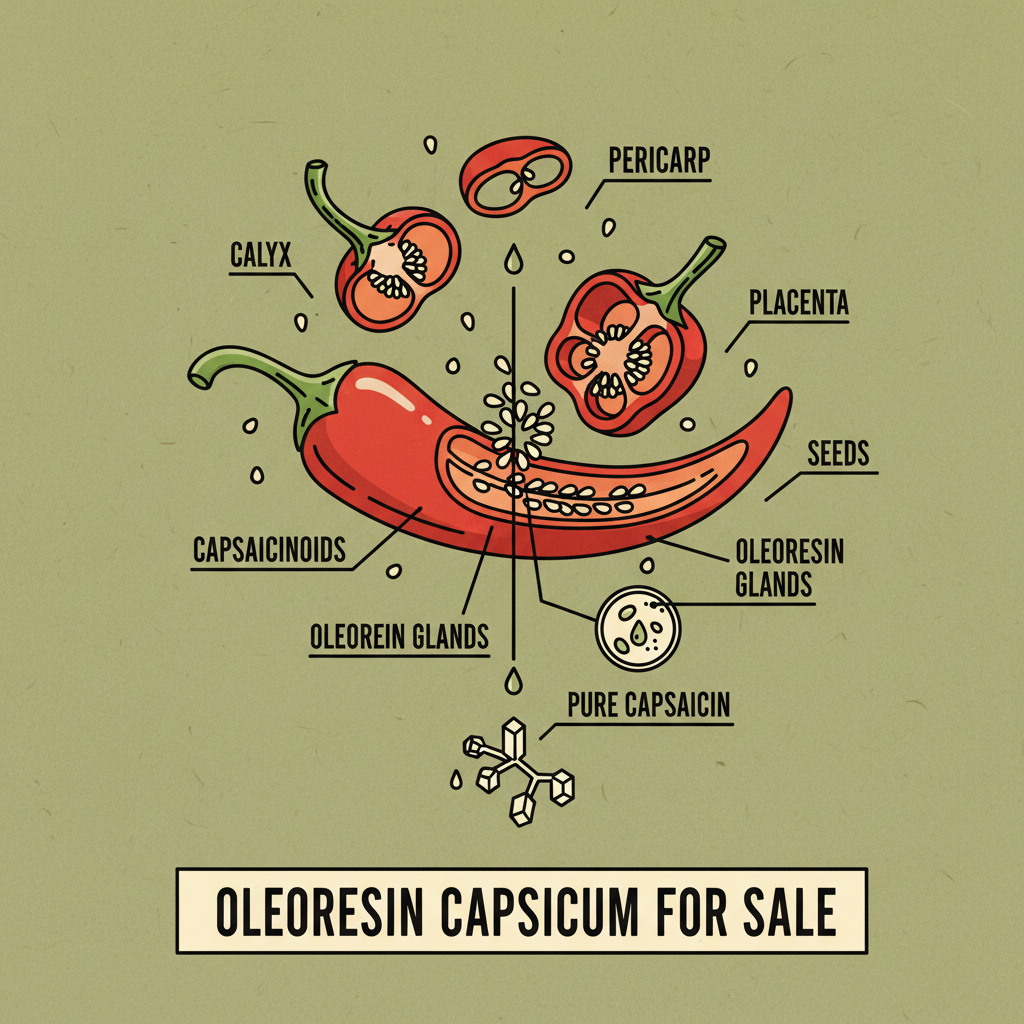
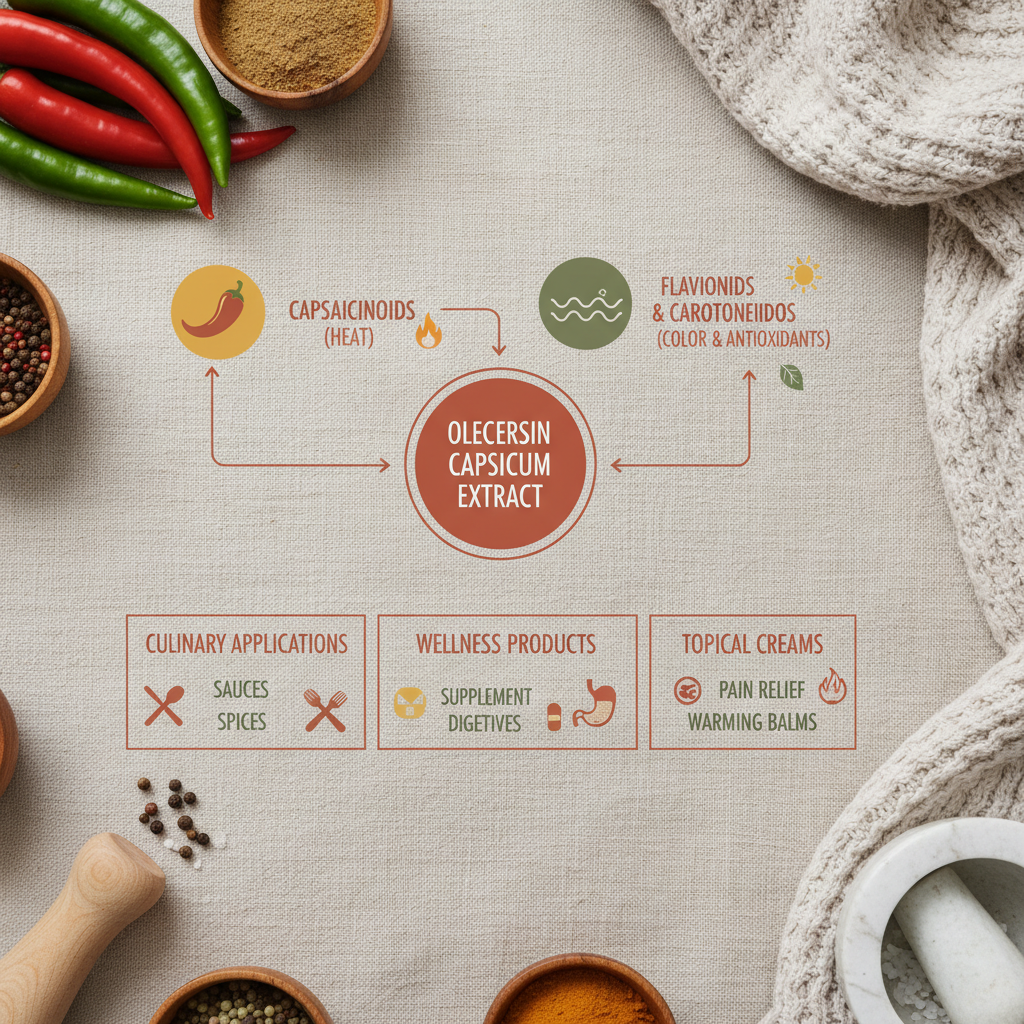
Capsicum seed extract is a concentrated form of bioactive compounds derived from the seeds of Capsicum species, commonly known as chili peppers. The extraction process typically involves solvent extraction, supercritical fluid extraction, or other modern techniques to isolate key components like capsaicinoids, flavonoids, and carotenoids. The resulting extract is often available in powder, oil, or liquid forms.
Its connection to modern industry lies in its versatility as a functional ingredient. It’s used in pharmaceuticals for pain relief and anti-inflammatory treatments, in nutraceuticals as a dietary supplement, in cosmetics for its warming and circulation-boosting properties, and in agriculture as a natural pest repellent. The growing emphasis on plant-based alternatives across these industries further strengthens this connection.
Unlike consuming whole chili peppers, capsicum seed extract allows for precise dosage and delivery of specific bioactive compounds. This controlled delivery is crucial for achieving consistent and predictable results in both therapeutic and industrial applications. It's this level of control that makes capsicum seed extract a valuable asset in modern formulations.
Core Components and Factors
Several key factors determine the quality and efficacy of capsicum seed extract. Firstly, Capsaicinoid Content is paramount. Higher concentrations of capsaicinoids directly correlate with the extract’s potential for pain relief and metabolic benefits. Secondly, Antioxidant Capacity – the level of flavonoids and carotenoids – determines its ability to combat oxidative stress.
Thirdly, Purity and Standardization are essential. A high-quality extract should be free from contaminants and consistently standardized to a specific level of active compounds. Fourthly, Extraction Method significantly impacts the composition and yield of the extract; supercritical CO2 extraction is often preferred for its efficiency and environmental friendliness.
Capsicum Seed Extract Quality Comparison
Global Applications and Use Cases
In the pharmaceutical industry, capsicum seed extract is utilized in topical analgesics for conditions like arthritis and neuropathic pain. In post-disaster relief operations, its anti-inflammatory properties can assist in managing injuries. Nutraceutical companies incorporate it into dietary supplements aimed at improving metabolism and reducing inflammation.
Within the agricultural sector, capsicum seed extract is increasingly explored as a natural biopesticide, offering a sustainable alternative to synthetic insecticides. This is particularly relevant in regions focused on organic farming practices, such as parts of Europe and North America. Additionally, in remote industrial zones with limited access to conventional healthcare, topical applications of capsicum seed extract can provide localized pain relief for workers.
Advantages and Long-Term Value
The advantages of utilizing capsicum seed extract are multifaceted. From a cost perspective, it can often be a more affordable alternative to synthetic compounds, especially when sourced directly from producing regions. Sustainability is another key benefit; responsible cultivation and extraction practices minimize environmental impact.
Beyond these practical advantages, capsicum seed extract offers significant social impact. Supporting local farmers and promoting sustainable agriculture contributes to economic empowerment and community development. Reliability stems from its natural origin and proven safety profile (when properly processed), fostering trust among consumers and industries alike.
Future Trends and Innovations
Several exciting trends are shaping the future of capsicum seed extract. Research into novel extraction techniques, such as enzyme-assisted extraction, promises to increase yield and reduce environmental impact. Furthermore, the development of nano-encapsulation technologies aims to improve bioavailability and targeted delivery of capsaicinoids.
Digital transformation is also playing a role, with blockchain technology being explored to enhance traceability and transparency in the supply chain. The integration of capsicum seed extract into 3D-printed pharmaceuticals and personalized medicine represents another emerging innovation, offering customized dosages and release profiles.
Finally, the growing emphasis on the circular economy is driving research into utilizing chili pepper waste – including seeds – for creating sustainable materials and energy sources.
FAQS
Capsicum seed extract is most renowned for its anti-inflammatory and analgesic properties, primarily due to capsaicinoids. These compounds can help reduce pain perception, improve circulation, and support metabolic health. Research also suggests potential benefits for cardiovascular health and weight management, though more studies are ongoing. It’s important to note that individual responses may vary, and consulting a healthcare professional is always recommended.
While generally considered safe, capsicum seed extract may not be suitable for everyone. Individuals with sensitive stomachs, gastrointestinal issues, or allergies to chili peppers should exercise caution. It's also advisable to avoid high doses, as this can cause discomfort. Pregnant or breastfeeding women should consult with their doctor before using supplements containing capsicum seed extract.
Look for products from reputable suppliers that provide third-party testing for purity and potency. Standardized extracts, meaning they contain a consistent concentration of capsaicinoids, are generally preferred. Certifications like organic or non-GMO can also indicate higher quality standards. Transparency regarding the source of the chili peppers is also a positive sign.
The extraction method significantly impacts the final product. Supercritical CO2 extraction is often considered the gold standard due to its efficiency, purity, and environmental friendliness. Solvent extraction using ethanol or other solvents is also common, but residual solvent levels must be carefully monitored. Cold-pressed extraction can preserve more heat-sensitive compounds, but may yield a lower concentration of capsaicinoids.
Yes, topical applications of capsicum seed extract are widely used for pain relief. Capsaicin works by depleting substance P, a neurotransmitter involved in transmitting pain signals. Creams, ointments, and patches containing capsicum seed extract are often used for conditions like arthritis, muscle soreness, and nerve pain. However, it's important to follow product instructions and avoid contact with eyes and mucous membranes.
The shelf life of capsicum seed extract varies depending on the form and storage conditions. Powdered extracts typically have a shelf life of 2-3 years when stored in a cool, dry, and dark place. Liquid extracts may have a shorter shelf life of 1-2 years. Always check the manufacturer's expiration date and follow recommended storage guidelines to maintain potency and quality.
Conclusion
In conclusion, capsicum seed extract represents a valuable resource with expanding applications across diverse industries. From its potent bioactive compounds offering health benefits to its sustainable sourcing potential and role in innovative technologies, it's clear that this extract is poised for significant growth. Understanding its properties, applications, and the factors influencing its quality is crucial for maximizing its benefits.
Looking ahead, continued research, investment in sustainable practices, and the exploration of novel extraction and delivery methods will be key to unlocking the full potential of capsicum seed extract. Its role in preventative healthcare, sustainable agriculture, and advanced materials offers a compelling vision for a future where natural resources are harnessed responsibly and effectively.





 English
  Afrikaans
  Albanian
  Amharic
  Arabic
  Armenian
  Azerbaijani
  Basque
  Belarusian
  Bengali
  Bosnian
  Bulgarian
  Catalan
  Cebuano
  Corsican
  Croatian
  Czech
Czech  Danish
  Dutch
Dutch  Esperanto
  Estonian
  Finnish
  French
  Frisian
  Galician
  Georgian
  German
  Greek
Greek  Gujarati
  Haitian Creole
  Hausa
Hausa  Hawaiian
  Hebrew
  Hindi
Hindi  Miao
Miao  Hungarian
  Icelandic
  Igbo
Igbo  Indonesian
  Irish
Irish  Italian
  Japanese
  Javanese
  Kannada
  Kazakh
  Khmer
Khmer  Rwandese
  Korean
  Kurdish
  Kyrgyz
  Lao
Lao  Latin
Latin  Latvian
  Lithuanian
  Luxembourgish
  Macedonian
  Malgashi
  Malay
Malay  Malayalam
  Maltese
  Maori
Maori  Marathi
  Mongolian
  Myanmar
  Nepali
  Norwegian
  Norwegian
  Occitan
  Pashto
  Persian
  Polish
  Portuguese
  Punjabi
  Romanian
  Russian
  Samoan
  Scottish Gaelic
  Serbian
  Sesotho
  Shona
Shona  Sindhi
  Sinhala
  Slovak
  Slovenian
  Somali
  Spanish
  Sundanese
  Swahili
  Swedish
  Tagalog
  Tajik
Tajik  Tamil
Tamil  Tatar
Tatar  Telugu
  Thai
Thai  Turkish
  Turkmen
  Ukrainian
  Urdu
Urdu  Uighur
  Uzbek
Uzbek  Vietnamese
  Welsh
Welsh  Bantu
Bantu  Yiddish
  Yoruba
  Zulu
Zulu