The global culinary landscape has seen a dramatic surge in the demand for complex, earthy flavors, with paprika smoked paprika standing at the forefront of this sensory revolution. As a cornerstone of Spanish gastronomy and now a global pantry staple, this spice offers a unique intersection of sweetness, heat, and a deep, woody aroma that cannot be replicated by standard paprika. Understanding the nuances of its production and application is essential for food manufacturers and chefs aiming to elevate their product profiles.
Beyond its aromatic appeal, the integration of smoked paprika into industrial food processing addresses the growing consumer preference for "clean label" ingredients that provide intense flavor without relying on artificial smoke flavorings. By utilizing traditional smoking methods or high-quality extracts, manufacturers can achieve a consistent, authentic taste that resonates with a sophisticated global audience. This transition toward natural, smoke-infused ingredients represents a shift in the food processing industry toward authenticity and transparency.
From an economic perspective, the market for paprika smoked paprika is influenced by agricultural yields in key regions and the evolving standards of international food safety. As consumers move toward healthier, plant-based diets, the versatility of smoked paprika as a flavor enhancer for vegan and vegetarian proteins has positioned it as a high-value commodity. Exploring the technical specifications and application methods of this spice is key to unlocking its full commercial potential.
Global Industry Context of Paprika Smoked Paprika
The global trade of paprika smoked paprika is deeply intertwined with the agricultural output of the Mediterranean and Central Asian regions. With the rising influence of fusion cuisine, the demand for authentic smoked capsicum products has expanded into North American and Asian markets. According to ISO standards for spice quality, the consistency of color (ASTA units) and the purity of the smoke profile are the primary metrics for determining market value, ensuring that industrial buyers receive a product that maintains flavor integrity across large batches.
However, the industry faces a critical challenge: the variability of raw material quality due to climate change. Fluctuations in rainfall and temperature in primary growing zones can affect the capsaicin levels and the natural sugar content of the peppers, which in turn alters how the spice reacts to the smoking process. This volatility necessitates a more rigorous approach to sourcing and processing to ensure that the end-user experiences the same signature "smoky" note regardless of the harvest year.
Definition and Technical Meaning of Smoked Paprika
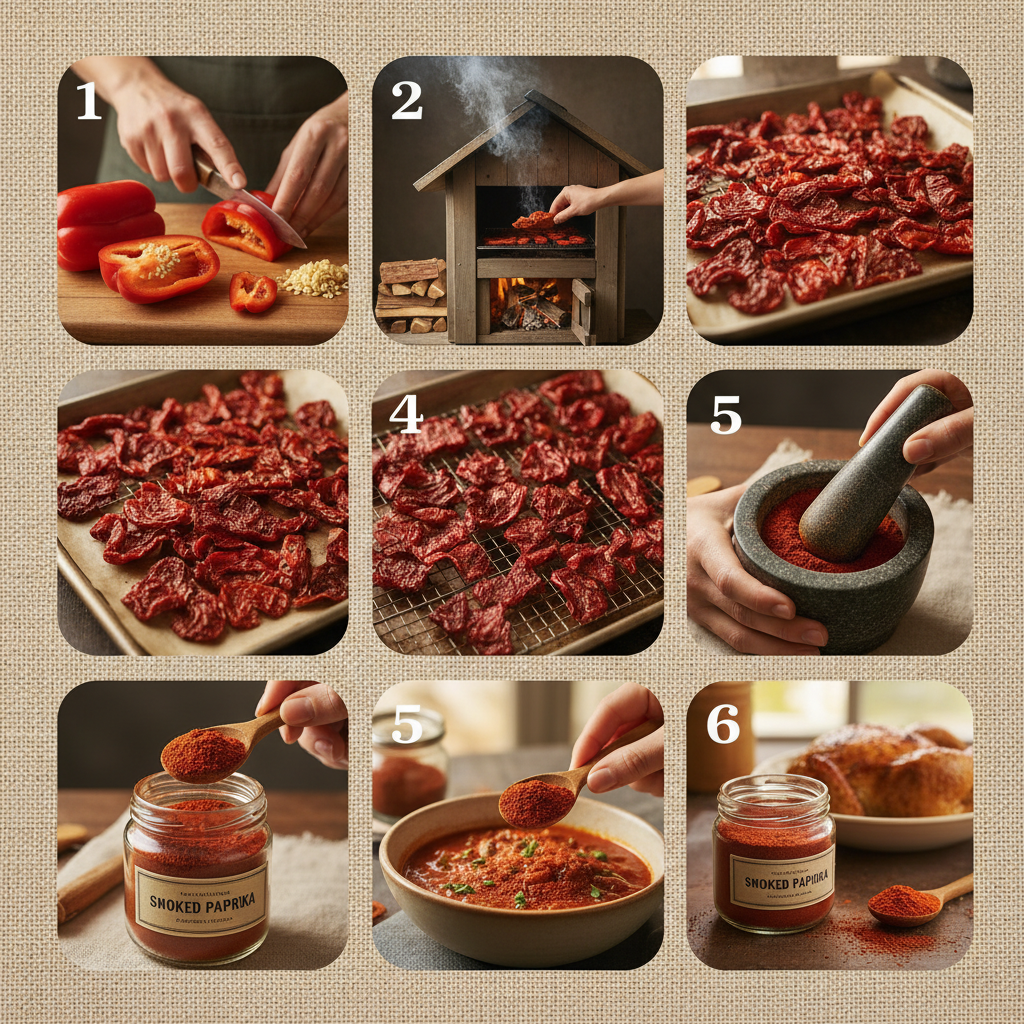
Technically, paprika smoked paprika is produced by drying ground or whole Capsicum annuum peppers over slow-burning oak fires. Unlike liquid smoke additives, traditional smoked paprika absorbs the volatile phenolic compounds from the wood smoke directly into the cellular structure of the pepper. This process not only imparts the characteristic aroma but also acts as a natural preservative, reducing the moisture content and inhibiting microbial growth.
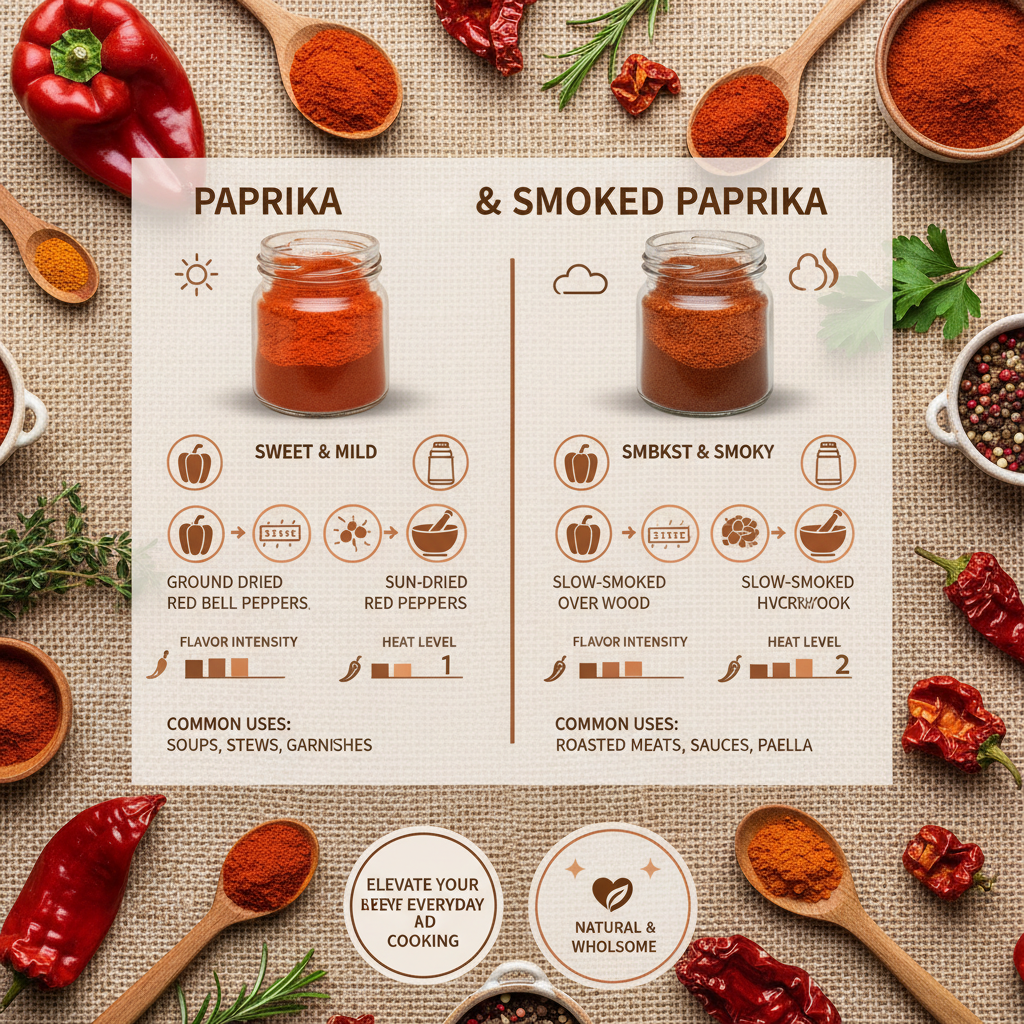
In the context of modern food manufacturing, "smoked paprika" refers to a specific grade of spice where the smoking process is controlled to balance the bittersweet notes of the pepper with the acidity of the smoke. It is distinguished from regular paprika by its deeper red-brown hue and a flavor profile that includes notes of toasted nuts and campfire embers, making it indispensable for creating "grilled" or "roasted" flavor profiles in shelf-stable products.
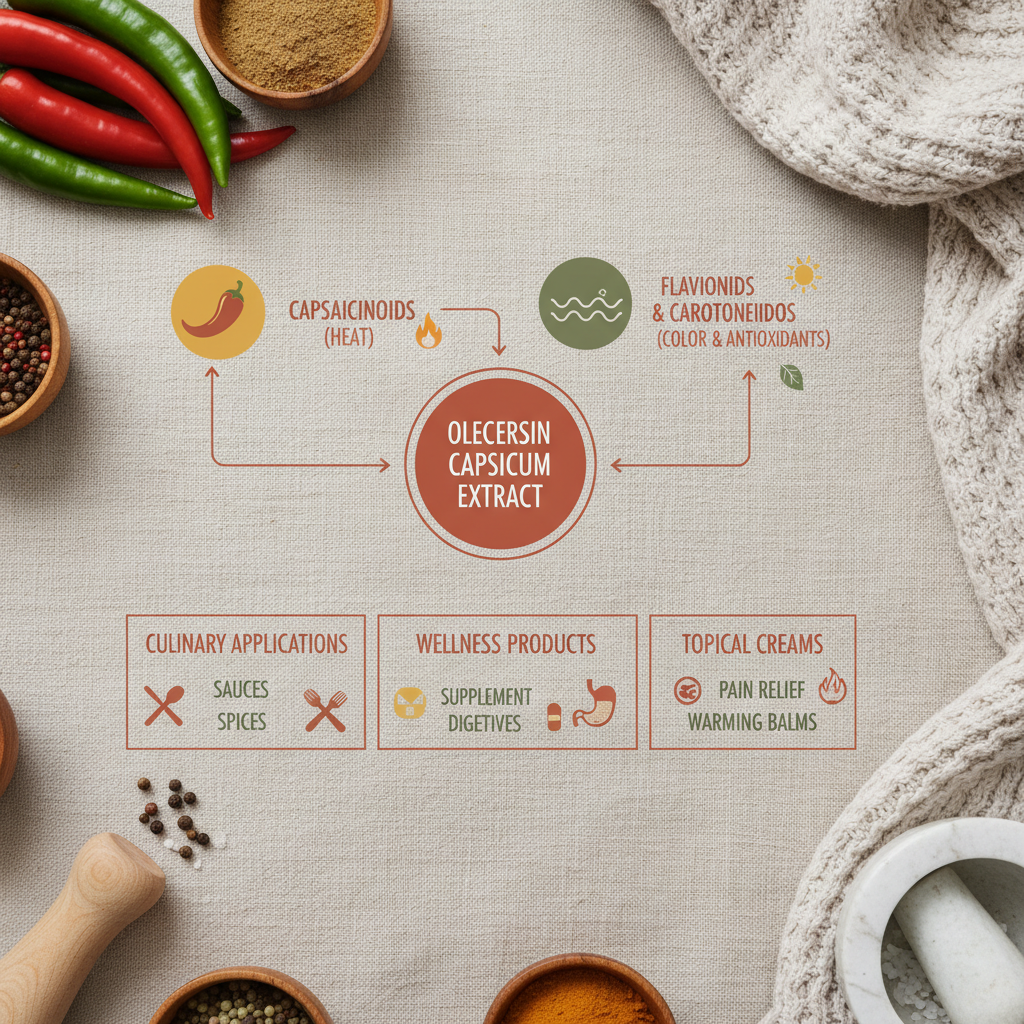
For humanitarian and large-scale food security projects, the use of concentrated paprika and capsicum oleoresins provides a way to deliver essential flavor and nutritional antioxidants to fortified foods. By standardizing the smoke intensity, food scientists can create consistent taste experiences in nutrient-dense pastes or powders that are easily transported and stored in diverse climatic conditions.
Core Components of High-Quality Paprika Smoked Paprika
The primary driver of quality in paprika smoked paprika is the ASTA color value. This measurement ensures that the spice provides the vivid red aesthetic required for sauces, meats, and snacks without needing artificial dyes. A high ASTA rating indicates a rich concentration of carotenoids, which are not only visually appealing but also offer significant antioxidant properties.
Equally important is the "Smoke Profile Balance," where the intensity of the oak smoke must complement rather than overpower the natural sweetness of the pepper. In professional grade paprika smoked paprika, this is achieved through precise temperature control during the smoking phase, preventing the sugars in the pepper from charring, which would otherwise introduce an unpleasant bitterness.
Finally, the particle size distribution (mesh size) determines the scalability of the product in industrial settings. A fine, uniform grind ensures that the spice blends seamlessly into emulsions and oils, avoiding "clumping" in automated dosing systems. This technical precision allows food processors to maintain a consistent flavor distribution across millions of units of production.
Practical Applications and Industrial Use Cases
In the commercial food sector, paprika smoked paprika is widely utilized as a natural colorant and flavor enhancer. In the meat processing industry, it is a critical ingredient for chorizos, pepperoni, and smoked sausages, where it provides a deep red hue and a rustic, smoked depth. In the snack food industry, it is frequently used in seasoned potato chips and extruded corn snacks to create a "BBQ" or "Smoky Chili" profile that appeals to global taste palettes.
Beyond traditional snacks, this spice is finding new life in the plant-based protein sector. For companies developing vegan burgers or soy-based meats, smoked paprika helps mimic the "maillard reaction" and charred taste of grilled meat, providing a sensory bridge that makes plant-based alternatives more palatable to omnivores. This application is particularly prevalent in European and North American markets where the "clean label" movement is driving the removal of synthetic flavorings.
Comparative Performance of Paprika Smoked Paprika Grades
Long-Term Value and Sustainability Benefits
The long-term value of investing in high-quality paprika smoked paprika lies in its ability to reduce reliance on synthetic chemicals. By utilizing a single-ingredient solution for both color and flavor, brands can simplify their ingredient lists, which is a powerful marketing tool in the current "conscious consumption" era. This transparency builds trust with the consumer and enhances brand loyalty.
Furthermore, the move toward sustainably sourced paprika—grown using regenerative agriculture and processed with energy-efficient smoking kilns—reduces the carbon footprint of the spice supply chain. Companies that prioritize these ethical sourcing practices not only ensure a more resilient supply of raw materials but also align themselves with global ESG (Environmental, Social, and Governance) goals, creating a sustainable competitive advantage in the global market.
Future Trends in Smoked Spice Technology
The future of paprika smoked paprika is being shaped by the integration of "Smart Smoking" technologies. Using IoT-enabled sensors, producers can now monitor the chemical composition of smoke in real-time, adjusting airflow and temperature to ensure an exact flavor profile for every batch. This automation eliminates human error and ensures that the sensory characteristics of the spice remain identical across different production cycles.
Additionally, we are seeing a rise in the development of micro-encapsulated smoked paprika. This technology allows the volatile aromatic compounds of the smoke to be trapped in a protective shell, which only releases the flavor upon heating or hydration. This is a game-changer for the ready-to-eat (RTE) meal industry, as it prevents the "flavor fade" that often occurs during the sterilization and long-term storage of packaged foods.
Sustainability is also driving the adoption of biomass-powered smoking houses. Instead of using virgin oak forests, manufacturers are beginning to utilize agricultural waste and sustainable wood pellets to fuel the smoking process. This transition not only lowers the cost of production but also transforms the production of paprika smoked paprika into a more circular economic model.
Challenges and Solutions in Spice Standardization
One of the most persistent challenges in the industry is the prevention of contamination, particularly from aflatoxins and pesticides. Because paprika smoked paprika is an agricultural product, it is susceptible to molds during the drying phase. The solution lies in the implementation of steam sterilization and advanced infrared sorting technology, which can detect and remove contaminated pods before they enter the grinding process.
Another hurdle is the volatility of the smoke flavor during transportation. The aromatic compounds in smoked paprika are highly sensitive to oxygen and light, which can lead to oxidation and a loss of the characteristic "smoky" punch. To combat this, the industry is shifting toward high-barrier, vacuum-sealed packaging and nitrogen flushing, which extends the shelf life and preserves the potency of the spice.
Finally, bridging the gap between artisanal quality and industrial quantity remains a struggle. The solution is the "Hybrid Processing" approach, where the initial smoking is done using traditional wood-fire methods to establish the base flavor, followed by precision milling and standardization through the blending of different harvest batches. This ensures that the soul of the traditional product is preserved while meeting the rigorous demands of global supply chains.
Comparative Analysis of Paprika Smoked Paprika Quality Standards
|
Quality Metric
|
Artisanal Grade
|
Industrial Standard
|
Impact on Final Product
|
| ASTA Color Value |
160 - 200+ |
120 - 150 |
Visual vibrancy & saturation |
| Smoke Intensity |
Deep/Complex |
Moderate/Consistent |
Aromatic depth and "char" notes |
| Mesh Size |
Coarse/Varied |
Fine/Uniform |
Blending efficiency & texture |
| Moisture Content |
8% - 12% |
< 7% |
Shelf stability & mold prevention |
| Purity Level |
High (Single Origin) |
Standardized Blends |
Consistency across batches |
| Preservation |
Natural Smoke |
Smoke + Stabilizers |
Long-term flavor retention |
FAQS
The primary difference lies in the processing method. While regular paprika is simply dried and ground, paprika smoked paprika is dried over oak fires, allowing the peppers to absorb smoke. This results in a deeper, woodier flavor profile and a slightly darker color, whereas regular paprika is more focused on the natural sweetness or heat of the pepper.
Absolutely. Smoked paprika is one of the most effective ingredients for vegan and vegetarian products because it provides the "grilled" or "charred" sensory experience typically associated with animal proteins. It helps mask the earthy tones of soy or pea protein and adds a sophisticated, savory depth that improves consumer acceptance.
For industrial procurement, you should request a Certificate of Analysis (CoA) that specifies the ASTA color value, moisture content, and microbial load. Additionally, ensuring the supplier uses steam sterilization and high-barrier packaging is crucial to preventing aflatoxin contamination and flavor degradation during international shipping.
Yes, it is. The deep red color comes from natural carotenoids found in the Capsicum pepper. By using paprika smoked paprika, manufacturers can achieve a rich, appealing color without the need for synthetic dyes, aligning their products with the "clean label" trend.
When stored in a cool, dark place in airtight packaging, smoked paprika typically maintains its potency for 12 to 24 months. However, because the aromatic oils are volatile, we recommend nitrogen-flushed packaging for bulk industrial storage to prevent oxidation and maintain the smoke intensity.
The smoking process primarily affects the flavor and aroma. While some heat-sensitive vitamins may slightly decrease, the process often concentrates the antioxidants (carotenoids) and adds phenolic compounds from the smoke, which have their own antimicrobial properties, effectively preserving the nutritional core of the spice.
Conclusion
In summary, paprika smoked paprika is far more than a simple seasoning; it is a technical solution for the modern food industry. By balancing visual appeal (ASTA color), sensory depth (oak smoke), and industrial scalability (mesh size), it allows manufacturers to create authentic, clean-label products that satisfy a global appetite for complex flavors. From the rigorous standards of ISO compliance to the innovation of micro-encapsulation, the journey of this spice from the field to the factory represents the pinnacle of flavor engineering.
Looking forward, the success of brands in the competitive food landscape will depend on their ability to source sustainable, high-consistency ingredients. Embracing regenerative agriculture and smart-processing technologies will ensure that the signature depth of smoked paprika remains available for future generations. For those seeking to elevate their product lines with authentic, premium spices, we invite you to explore our range of solutions. Visit our website: www.hongrispice.com

 English
  Afrikaans
  Albanian
  Amharic
  Arabic
  Armenian
  Azerbaijani
  Basque
  Belarusian
  Bengali
  Bosnian
  Bulgarian
  Catalan
  Cebuano
  Corsican
  Croatian
  Czech
Czech  Danish
  Dutch
Dutch  Esperanto
  Estonian
  Finnish
  French
  Frisian
  Galician
  Georgian
  German
  Greek
Greek  Gujarati
  Haitian Creole
  Hausa
Hausa  Hawaiian
  Hebrew
  Hindi
Hindi  Miao
Miao  Hungarian
  Icelandic
  Igbo
Igbo  Indonesian
  Irish
Irish  Italian
  Japanese
  Javanese
  Kannada
  Kazakh
  Khmer
Khmer  Rwandese
  Korean
  Kurdish
  Kyrgyz
  Lao
Lao  Latin
Latin  Latvian
  Lithuanian
  Luxembourgish
  Macedonian
  Malgashi
  Malay
Malay  Malayalam
  Maltese
  Maori
Maori  Marathi
  Mongolian
  Myanmar
  Nepali
  Norwegian
  Norwegian
  Occitan
  Pashto
  Persian
  Polish
  Portuguese
  Punjabi
  Romanian
  Russian
  Samoan
  Scottish Gaelic
  Serbian
  Sesotho
  Shona
Shona  Sindhi
  Sinhala
  Slovak
  Slovenian
  Somali
  Spanish
  Sundanese
  Swahili
  Swedish
  Tagalog
  Tajik
Tajik  Tamil
Tamil  Tatar
Tatar  Telugu
  Thai
Thai  Turkish
  Turkmen
  Ukrainian
  Urdu
Urdu  Uighur
  Uzbek
Uzbek  Vietnamese
  Welsh
Welsh  Bantu
Bantu  Yiddish
  Yoruba
  Zulu
Zulu