In the rapidly evolving global food service industry, the demand for precision, hygiene, and portion control has led to the rise of the paprika sachet. These meticulously measured packets ensure that the vibrant color and distinct smoky or sweet notes of premium paprika are delivered consistently across thousands of servings, eliminating the waste and variability associated with bulk seasoning.
From high-end restaurant chains to rapid-deployment food kits in humanitarian aid, the transition to single-serve formats addresses a critical need for stability. By protecting the delicate carotenoids and aromatic compounds in paprika from oxygen and light, a high-quality sachet extends shelf life and maintains the sensory integrity of the spice, which is essential for maintaining brand consistency in the food manufacturing sector.
Understanding the technical nuances of paprika sachet production—from the choice of barrier films to the granularity of the powder—allows food processors to optimize their supply chains. This approach not only improves operational efficiency but also aligns with modern consumer expectations for convenience and safety in the global condiment market.
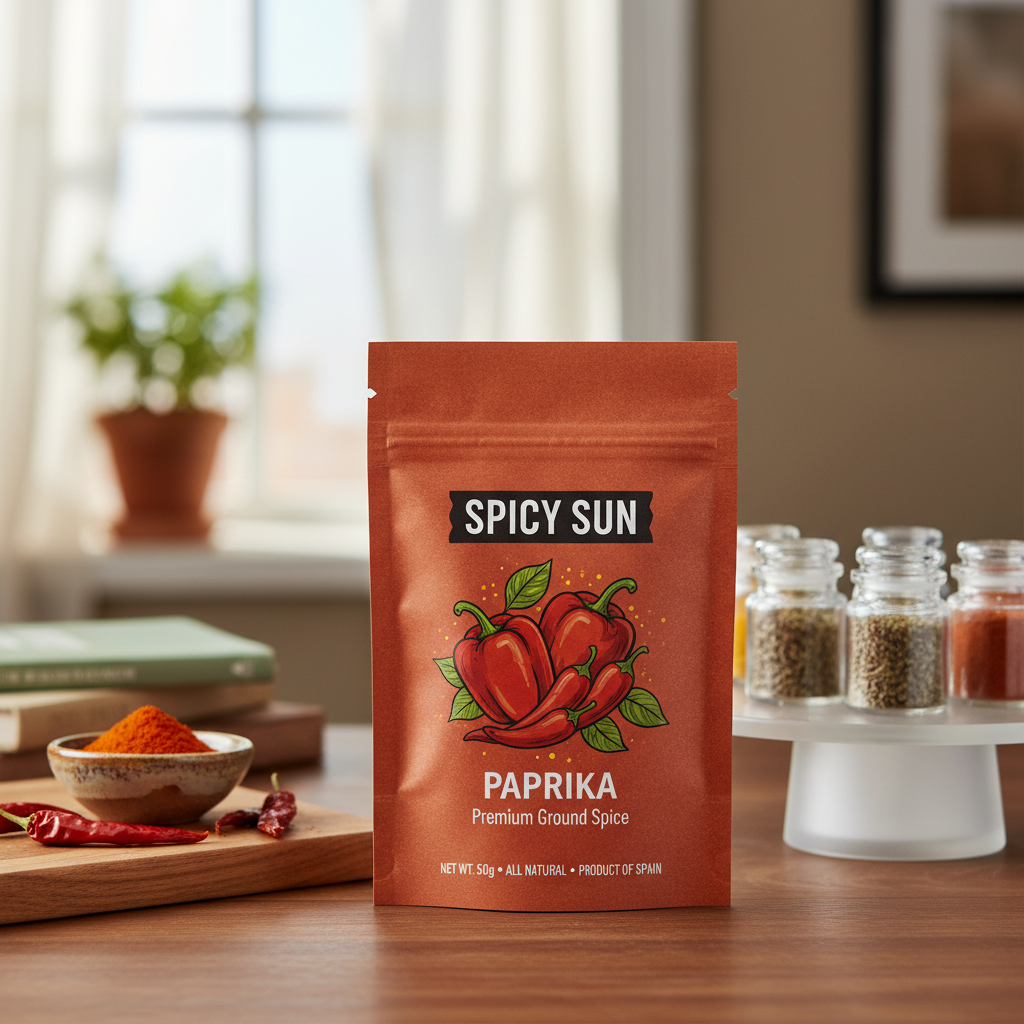
Global Market Relevance of Paprika Sachets
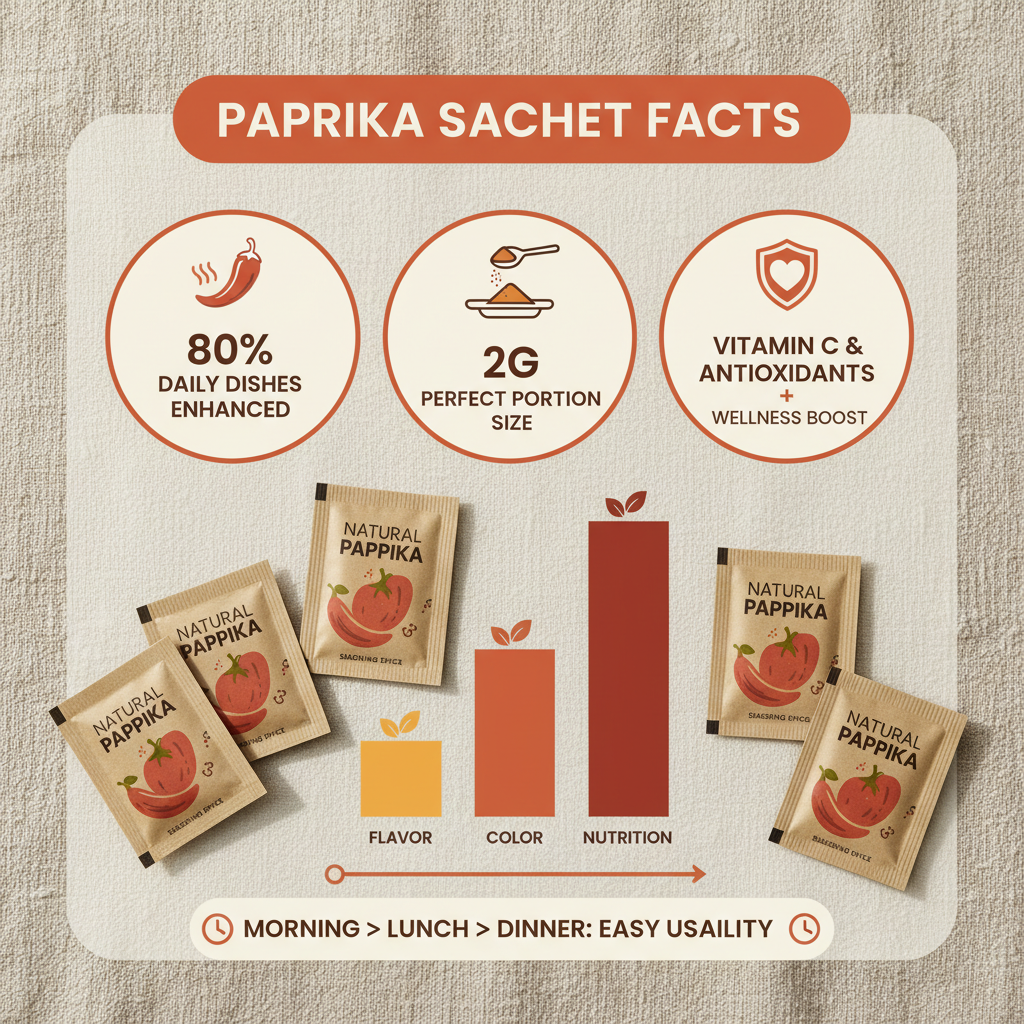
The global condiments market has seen a significant shift toward "on-the-go" consumption, with the paprika sachet becoming a staple in the QSR (Quick Service Restaurant) and catering sectors. According to market trends aligned with ISO quality standards, the precision of single-dose packaging reduces ingredient wastage by up to 15%, a critical factor for large-scale operators managing tight margins.
Moreover, the geopolitical demand for standardized food additives has grown in emerging markets across Asia and Africa. By utilizing the paprika sachet, exporters can ensure that their products meet strict phytosanitary regulations and maintain flavor profiles across varying climatic conditions, solving the perennial problem of spice degradation during long-haul transit.
FAQS
The primary advantage is the preservation of quality and the precision of dosing. A paprika sachet protects the spice from oxygen and moisture, preventing the degradation of color and flavor. Additionally, it ensures that every serving uses the exact amount of spice, reducing waste and maintaining consistent taste across different batches and locations.
Depending on the packaging material, a paprika sachet can stay fresh for 6 to 24 months. High-barrier aluminum foil laminates offer the longest shelf life (24+ months) by completely blocking UV light and air, while biodegradable options may have a shorter window of 6 to 9 months. Proper storage in a cool, dry place is always recommended.
Traditionally, multi-layer plastics were not eco-friendly. However, the industry is shifting toward compostable PLA films and recyclable mono-materials. Many manufacturers are now producing paprika sachets that are fully biodegradable, helping food companies reduce their plastic footprint while still maintaining necessary barrier properties.
Yes, but it requires a specific type of packaging. For paprika oleoresins or oils, the sachet must be made from materials that are resistant to lipids to prevent the oil from seeping through the layers or reacting with the film. High-density polyethylene (HDPE) or specialized foil laminates are typically used for these products.
The size should be determined by your standard serving size. First, calculate the exact grammage of paprika needed per dish. Then, factor in a small amount of "headspace" for the sealing process. Most businesses choose between 0.5g to 2g sachets, depending on whether the paprika is used as a primary seasoning or a garnish.
Absolutely. Most industrial packaging providers offer full-color rotogravure or flexographic printing. You can include your logo, nutritional information, barcodes, and QR codes. Custom branding on a paprika sachet transforms a simple condiment into a marketing tool that communicates brand value and quality to the end consumer.
Conclusion
In summary, the paprika sachet is an essential tool for the modern food industry, bridging the gap between bulk production and precise, high-quality delivery. By integrating advanced material science with operational efficiency, these sachets protect the sensory profile of the spice, reduce waste, and ensure a consistent consumer experience globally.
As we move toward a more sustainable and transparent food supply chain, the evolution of the paprika sachet into biodegradable and digitally traceable formats will be paramount. For food manufacturers and distributors looking to enhance their reliability and brand image, investing in premium sachet solutions is not just a logistical choice, but a strategic advantage. Visit our website for more professional spice solutions: www.hongrispice.com
Related Posts
-
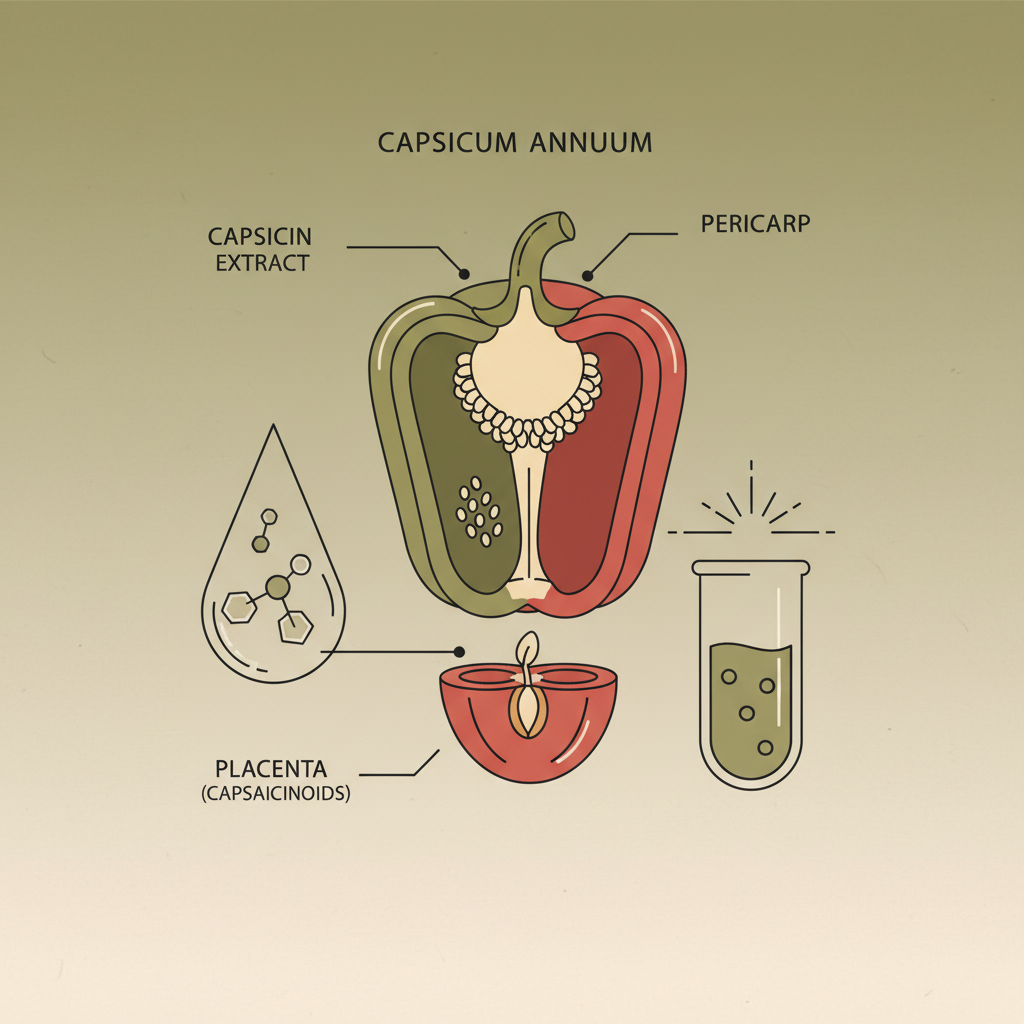
Advanced capsicum extract Solutions for Modern Construction Efficiency
-

Exploring the Versatile Applications of Capiscum Extract Across Industries
-
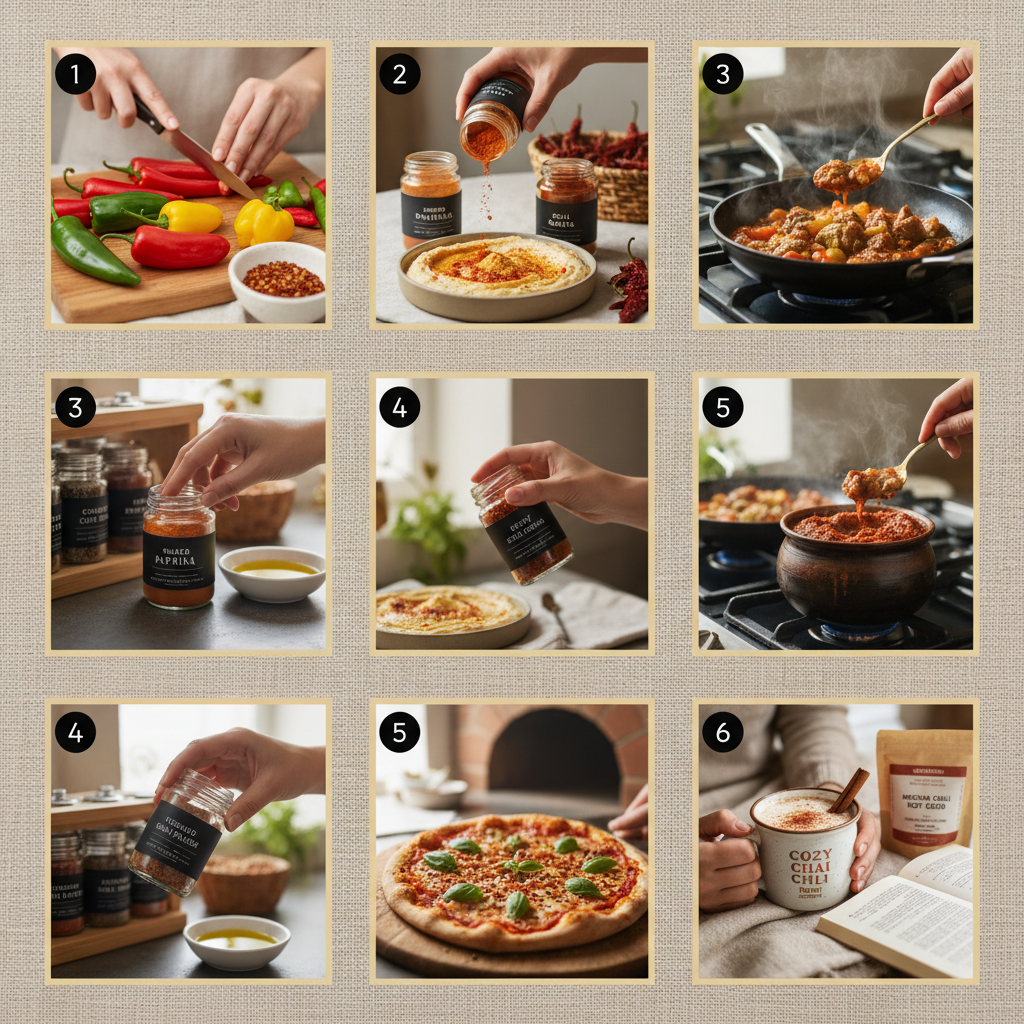
Exploring the Global Landscape of Paprikachili Products and Their Diverse Applications
-
Exploring the Versatility and Global Impact of Paprika Oleoresin E160c

 English
  Afrikaans
  Albanian
  Amharic
  Arabic
  Armenian
  Azerbaijani
  Basque
  Belarusian
  Bengali
  Bosnian
  Bulgarian
  Catalan
  Cebuano
  Corsican
  Croatian
  Czech
Czech  Danish
  Dutch
Dutch  Esperanto
  Estonian
  Finnish
  French
  Frisian
  Galician
  Georgian
  German
  Greek
Greek  Gujarati
  Haitian Creole
  Hausa
Hausa  Hawaiian
  Hebrew
  Hindi
Hindi  Miao
Miao  Hungarian
  Icelandic
  Igbo
Igbo  Indonesian
  Irish
Irish  Italian
  Japanese
  Javanese
  Kannada
  Kazakh
  Khmer
Khmer  Rwandese
  Korean
  Kurdish
  Kyrgyz
  Lao
Lao  Latin
Latin  Latvian
  Lithuanian
  Luxembourgish
  Macedonian
  Malgashi
  Malay
Malay  Malayalam
  Maltese
  Maori
Maori  Marathi
  Mongolian
  Myanmar
  Nepali
  Norwegian
  Norwegian
  Occitan
  Pashto
  Persian
  Polish
  Portuguese
  Punjabi
  Romanian
  Russian
  Samoan
  Scottish Gaelic
  Serbian
  Sesotho
  Shona
Shona  Sindhi
  Sinhala
  Slovak
  Slovenian
  Somali
  Spanish
  Sundanese
  Swahili
  Swedish
  Tagalog
  Tajik
Tajik  Tamil
Tamil  Tatar
Tatar  Telugu
  Thai
Thai  Turkish
  Turkmen
  Ukrainian
  Urdu
Urdu  Uighur
  Uzbek
Uzbek  Vietnamese
  Welsh
Welsh  Bantu
Bantu  Yiddish
  Yoruba
  Zulu
Zulu