When procurement managers search for the paprika 1kg price, they are often looking for more than just a number; they are assessing the balance between pigment intensity, purity, and cost-efficiency. In the global spice trade, the unit price of high-quality paprika is rarely static, as it fluctuates based on harvest yields, ASTA color values, and certification requirements.
For food manufacturers and seasoning blenders, the cost of 1kg of paprika represents a critical variable in the Bill of Materials (BOM). Whether sourcing for mild coloring or pungent flavor, understanding the drivers behind the pricing—such as the difference between whole pods and ground powder—is essential for maintaining margin stability in a volatile agricultural market.
This guide examines the commercial factors that influence paprika pricing and provides a framework for evaluating suppliers to ensure that a lower price per kilogram does not translate into a loss of product quality or regulatory non-compliance.

Analyzing the Core Variables of Paprika Pricing

The market price for 1kg of paprika is not a uniform figure but a spectrum determined by the grade of the raw material. High-ASTA (American Spice Trade Association) paprika, known for its deep red color, commands a premium because it allows manufacturers to use smaller quantities to achieve the desired visual effect in food products.
Beyond color, the pungency level—measured in Scoville Heat Units (SHU)—creates distinct pricing tiers. While mild paprika is used primarily for color and sweetness, pungent varieties (capsicum) are priced according to their heat intensity, ranging from 1,000 SHU to 30,000 SHU depending on the specific breed and processing method.
Logistics and certification also add layers to the cost. Products with BRC, ISO, HACCP, HALAL, and KOSHER certifications often have a higher baseline price due to the rigorous quality control and laboratory testing required to ensure the product is natural, pesticide-free, and contains zero additives.
Technical Specifications That Drive Market Value
From a technical standpoint, the value of paprika is tied to its moisture content and purity. Industry standards typically require moisture to be under 18% to prevent microbial growth and ensure a longer shelf life, which directly impacts the drying costs and, consequently, the final price per kilogram.
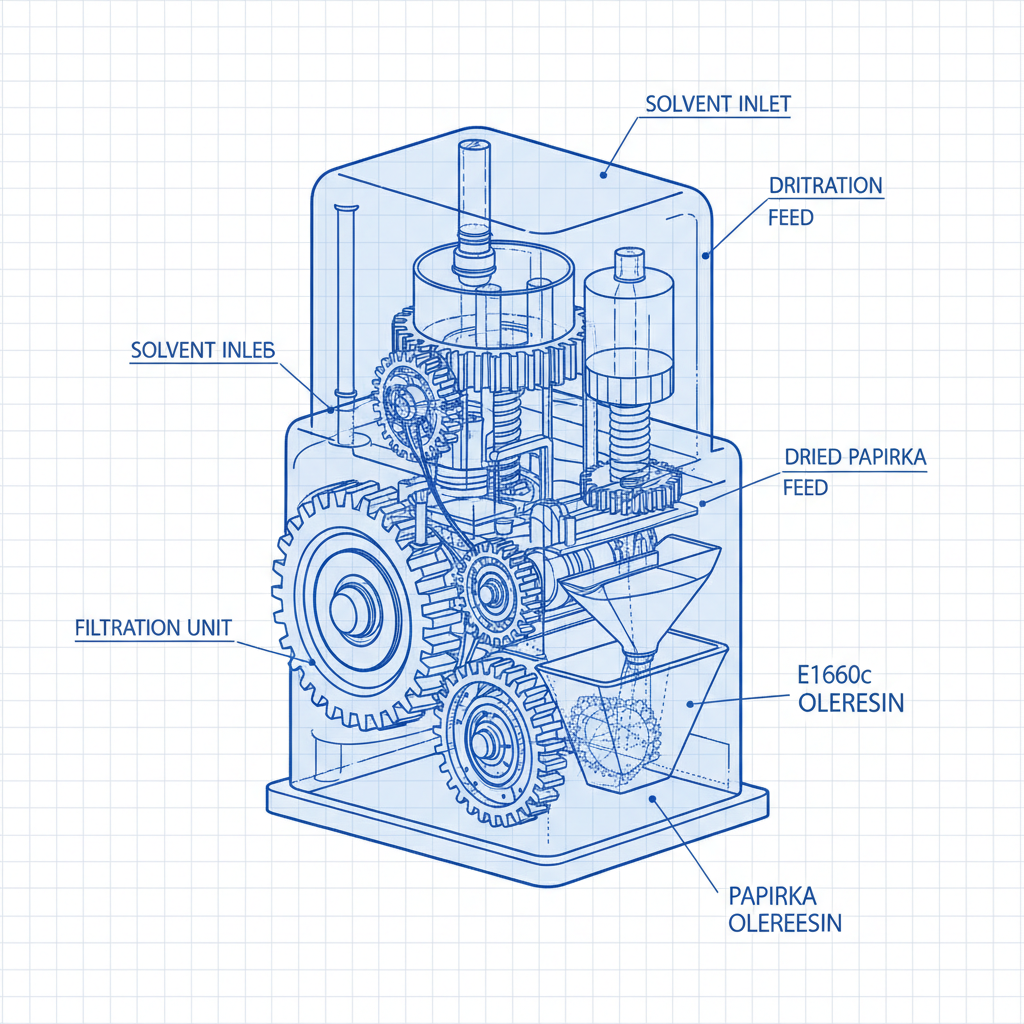
Processing methods also differentiate value. Oleoresin extraction, which produces a concentrated liquid form of paprika, involves advanced technology and higher capital expenditure compared to simple grinding. This results in a product with higher potency and stability, shifting the valuation from weight-based to potency-based.
The integrity of the raw pods—whether they are dried whole or crushed—affects the volatility of the essential oils. Properly processed paprika retains its unique pungency and aroma, which are critical for cuisines in East Asia, Mexico, and India, making "platinum quality" products more resilient to price drops.
Industrial Applications and Consumption Patterns
Paprika is utilized across diverse food processing sectors, from the manufacturing of hot sauces and sriracha to the seasoning of meats and snacks. In these scenarios, the required specification of paprika varies; for instance, a sauce manufacturer may prioritize high color stability, while a snack food producer may prioritize a specific SHU range for consistent heat.
The application of paprika oleoresin is particularly prevalent in industrial food coloring where a standardized, concentrated dose is required to avoid the bulkiness of powder. This application reduces shipping costs and simplifies the mixing process in large-scale manufacturing plants.
Regional culinary demands also drive price surges. For example, the high demand for Sichuanese-style heat in China or traditional Mexican paprika profiles creates seasonal spikes in procurement, forcing buyers to secure long-term contracts to avoid the volatility of the spot market.
Comparative Analysis of Spice Quality Metrics
To evaluate whether a specific price point for paprika is competitive, buyers must look at performance metrics such as color intensity and purity. A lower price per kg is often a red flag for the presence of fillers or lower ASTA values, which increases the total amount of product needed to achieve the same result.
When comparing standard grade paprika with premium, additive-free options, the "efficiency ratio" becomes the primary metric. Premium products typically exhibit higher solubility and a more consistent flavor profile, reducing waste during the food processing cycle.
paprika 1kg price Performance Metrics
The data indicates that while premium-grade spices have a higher initial cost, they provide a superior return in terms of color density and flavor potency, effectively lowering the cost per application unit compared to budget-grade alternatives.
Strategic Procurement for Food Grade Paprika
Effective procurement begins with a detailed specification sheet. Rather than simply asking for a price, buyers should specify the required ASTA color value, the SHU range, and the maximum allowable moisture content. This ensures that the quotes received are comparable and based on the same quality baseline.
Evaluating the supplier's infrastructure is equally important. A manufacturer with a large construction area and advanced extraction equipment, such as those used for oleoresin, is more likely to maintain consistency across 1,500 metric tons of production than a small-scale trader.
Furthermore, verifying certifications like ISO 22000 and HACCP is non-negotiable for international trade. These certifications guarantee that the production environment is controlled, reducing the risk of contamination and ensuring that the product meets the food safety laws of the destination country.
Future Outlook on Global Capsicum Trends
The trend toward "clean label" ingredients is likely to drive the demand for pesticide-free and zero-additive paprika. As consumers become more aware of synthetic dyes, the industry is expected to shift further toward natural extracts and oleoresins that provide intense color without chemical additives.
Technological advancements in grinding and extraction are expected to further refine the purity of spice powders. We may see more precision-controlled SHU ranges, allowing manufacturers to target extremely specific heat profiles for niche markets with greater accuracy.
Climate volatility remains a significant risk factor for pricing. Changes in growing conditions in key regions could lead to fluctuations in raw pod availability, making diversified sourcing strategies essential for enterprises that rely on high volumes of paprika and chili products.
Decision Matrix for Paprika Supplier Selection
When choosing between different paprika grades, the decision should be based on the end-product's requirements. A budget-grade powder might suffice for low-cost bulk seasonings, but a premium extract is necessary for high-end food products where visual appeal and purity are paramount.
The following matrix provides a comparative look at different product categories to help procurement officers align their needs with the correct spice specification.
| Product Type | Primary Use Case | Key Value Driver | Price Sensitivity |
|---|---|---|---|
| Standard Powder | Bulk Seasoning | Weight & Bulk | High |
| High-ASTA Paprika | Food Coloring | Color Intensity | Moderate |
| Pungent Capsicum | Hot Sauces | SHU Level | Moderate |
| Paprika Oleoresin | Industrial Extracts | Concentration | Low |
| Organic Powder | Health Foods | Purity Certs | Low |
| Custom Blends | Specialized Recipes | Flavor Profile | Moderate |
Ultimately, the most cost-effective procurement strategy involves balancing the unit price with the operational efficiency provided by a reliable, certified manufacturer.
Frequently Asked Questions
Conclusion
Determining the ideal paprika 1kg price requires a shift in perspective from "cost per kilo" to "cost per application." By prioritizing ASTA color values, SHU consistency, and verified certifications, procurement professionals can avoid the hidden costs of low-grade spices, such as batch inconsistency and regulatory risks.
For enterprises seeking professional-grade paprika, chili products, or oleoresin extracts, reviewing the capacity and certification standards of a leading manufacturer is the most reliable path to quality. Readers evaluating these specifications can review the relevant product and company information available through www.hongrispice.com.


 English
 Afrikaans
 Albanian
 Amharic
 Arabic
 Armenian
 Azerbaijani
 Basque
 Belarusian
 Bengali
 Bosnian
 Bulgarian
 Catalan
 Cebuano
 Corsican
 Croatian
 Czech
 Danish
 Dutch
 Esperanto
 Estonian
 Finnish
 French
 Frisian
 Galician
 Georgian
 German
 Greek
 Gujarati
 Haitian Creole
 Hausa
 Hawaiian
 Hebrew
 Hindi
 Miao
 Hungarian
 Icelandic
 Igbo
 Indonesian
 Irish
 Italian
 Japanese
 Javanese
 Kannada
 Kazakh
 Khmer
 Rwandese
 Korean
 Kurdish
 Kyrgyz
 Lao
 Latin
 Latvian
 Lithuanian
 Luxembourgish
 Macedonian
 Malgashi
 Malay
 Malayalam
 Maltese
 Maori
 Marathi
 Mongolian
 Myanmar
 Nepali
 Norwegian
 Norwegian
 Occitan
 Pashto
 Persian
 Polish
 Portuguese
 Punjabi
 Romanian
 Russian
 Samoan
 Scottish Gaelic
 Serbian
 Sesotho
 Shona
 Sindhi
 Sinhala
 Slovak
 Slovenian
 Somali
 Spanish
 Sundanese
 Swahili
 Swedish
 Tagalog
 Tajik
 Tamil
 Tatar
 Telugu
 Thai
 Turkish
 Turkmen
 Ukrainian
 Urdu
 Uighur
 Uzbek
 Vietnamese
 Welsh
 Bantu
 Yiddish
 Yoruba
 Zulu