The global culinary landscape is defined by its colors and aromas, and few ingredients are as visually and sensorially impactful as paprika spice. Derived from dried peppers of the genus Capsicum, this versatile condiment has evolved from a regional staple into a global industrial powerhouse, essential for everything from gourmet cooking to large-scale food manufacturing. Understanding the nuances of its production and application is key for food processors seeking to balance aesthetic appeal with consistent flavor profiles.
From a commercial perspective, the importance of high-quality paprika lies in its dual role as both a coloring agent and a flavor enhancer. In the competitive food manufacturing sector, achieving a consistent "golden-red" hue across batches is a significant technical challenge. This necessitates a deep dive into the chemical composition of the spice, specifically the carotenoids and capsaicin levels, which determine the grade and application of the final product.
Moreover, as global health trends shift toward natural ingredients, the demand for clean-label paprika spice has surged. Industry professionals are moving away from synthetic dyes, opting instead for the organic vibrancy provided by natural paprika extracts and oleoresins. This transition not only meets consumer expectations for transparency but also elevates the overall quality and nutritional value of processed foods.
The Global Market Relevance of Paprika Spice
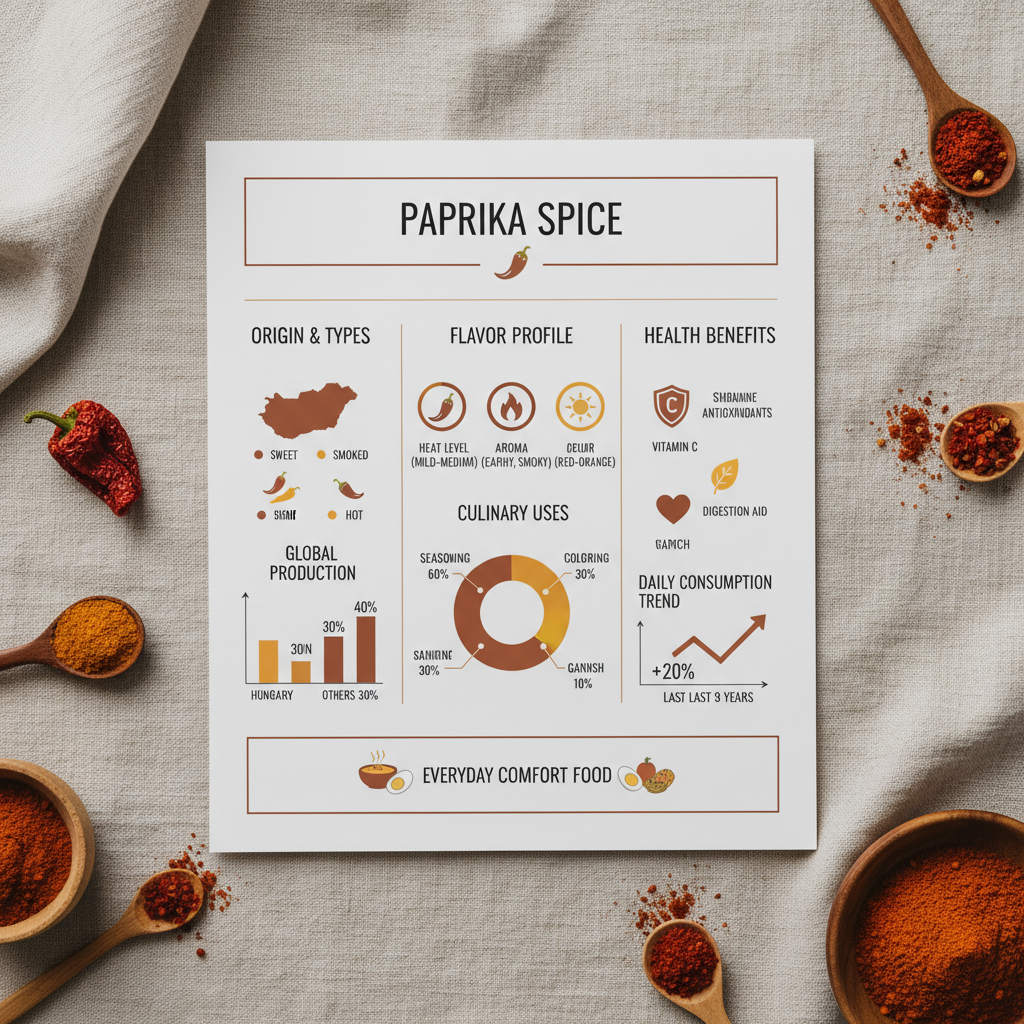
The economic footprint of paprika spice is substantial, with production concentrated in regions like Spain, China, and Hungary. According to trade data and ISO standards for spice quality, the demand for paprika has seen a steady CAGR as emerging markets in Asia and Africa integrate Western and Latin American flavor profiles into their local diets. This globalized demand puts immense pressure on supply chains to maintain consistency despite climatic variations.
One of the primary challenges facing the industry is the volatility of raw material quality. Variations in soil composition and harvesting techniques can lead to inconsistent ASTA (American Spice Trade Association) color values. For a food manufacturer, a shift in the color of their paprika spice can result in a visually inconsistent end product, potentially damaging brand trust and consumer perception.
Defining Paprika Spice in Modern Food Processing
In simple terms, paprika spice is a powder obtained from grinding dried fruits of the species Capsicum annuum. However, in a modern industrial context, it is far more than just a powder. It is categorized into various forms: sweet, hot, and smoked, each serving a specific functional purpose. The distinction between these grades is determined by the removal of placental tissues (where the heat resides) and the specific drying process employed.
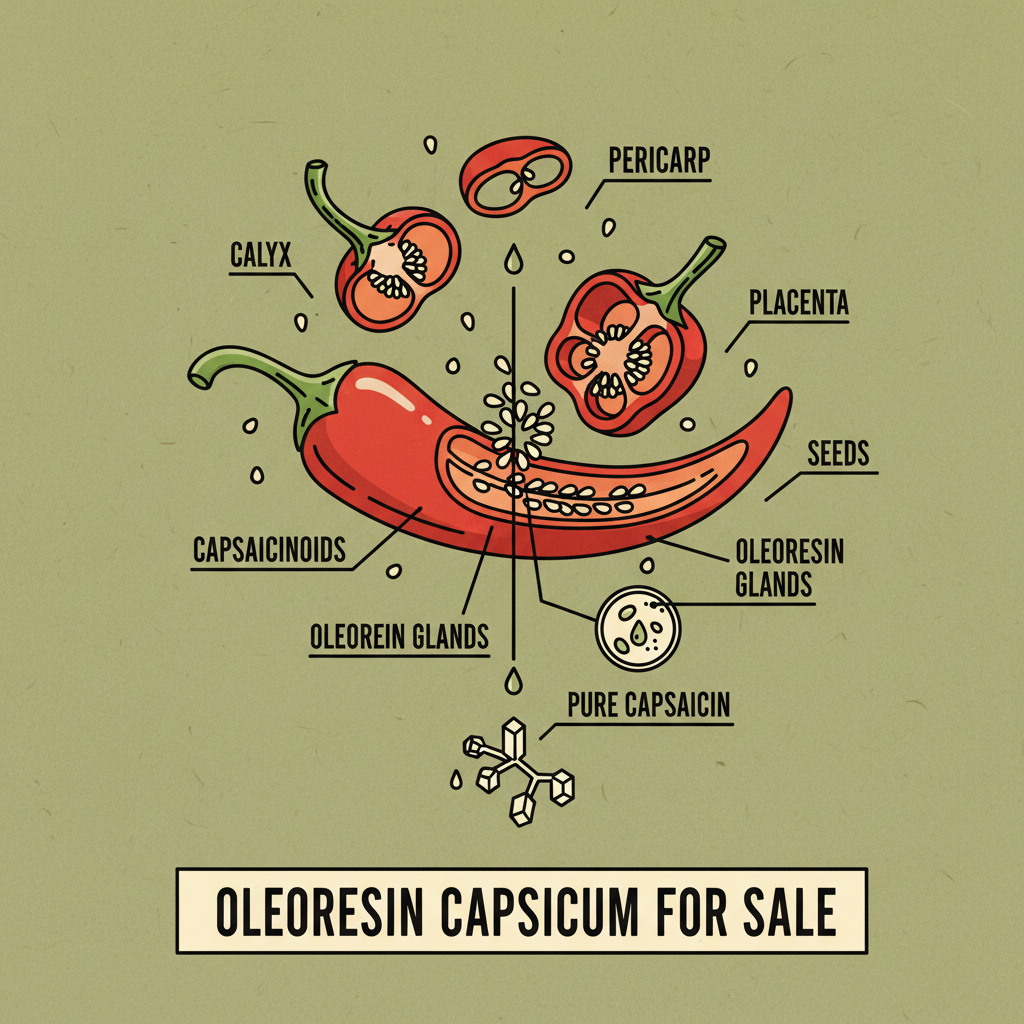
Beyond the powder, the industry has evolved toward "Oleoresins"—concentrated extracts that capture the essence of the spice. These extracts allow manufacturers to control the heat (capsaicin) and color (carotenoids) independently. This precision is vital for humanitarian food aid programs and large-scale nutritional supplements where precise dosage of vitamins and minerals must not be interfered with by the bulk of traditional spice powders.
Ultimately, the meaning of paprika in the 21st century is centered on "standardization." Whether it is used in a small-batch artisan sauce or a million-unit run of snack foods, the goal is a predictable sensory experience. This necessitates rigorous laboratory testing for purity, ensuring the absence of contaminants and adulterants, which is a critical humanitarian concern regarding food safety globally.
Core Components Affecting Quality and Grade
The most critical component of any paprika spice is its color intensity, measured by the ASTA unit. This value represents the concentration of carotenoids, primarily capsanthin and capsorubin. High ASTA values mean less product is required to achieve the desired red hue, directly impacting the cost-efficiency of the manufacturing process.
Another core factor is the heat level, determined by capsaicinoids. In the production of sweet paprika, the goal is to minimize these compounds to ensure a mild flavor. Conversely, for spicy variants, the concentration is meticulously managed. The balance between color and heat is what defines the "grade" of the paprika spice, influencing its price and suitability for different food categories.
Finally, stability and solubility are paramount. In the case of oleoresins, the ability of the paprika spice extract to remain stable under high-temperature processing (like frying or baking) without fading is a key metric. This stability is achieved through advanced encapsulation techniques or the use of specific carriers, ensuring the product looks as fresh on the shelf as it did at the factory.
Industrial Applications and Use Cases
The application of paprika spice extends far beyond simple seasoning. In the meat industry, it is used not only for flavor but as a preservative and antioxidant due to its carotenoid content. In the snack food sector, paprika oleoresins are sprayed onto chips and nuts to provide a uniform, vibrant orange-red coating that is resistant to rubbing off during transport.
Interestingly, paprika is also utilized in specialized industrial zones for non-food applications, such as natural pigments for cosmetics or pharmaceutical coatings. In remote industrial food processing plants, the use of concentrated extracts is preferred over bulk powder to reduce shipping costs and storage space, illustrating a move toward "lean" ingredient management.
Comparative Performance of Paprika Spice Derivatives
Tangible Advantages of Premium Paprika Extracts
Switching to premium paprika spice extracts provides immediate cost benefits through dose reduction. Because extracts are concentrated, a small amount provides the same color intensity as a large volume of powder. This reduces the "bulk" of the recipe, preventing the texture of the final food product from becoming gritty or overly thick, which is a common problem in sauce manufacturing.
Beyond the logical benefits of cost and texture, there is an emotional angle of trust and safety. Premium suppliers ensure that their paprika spice is free from aflatoxins and pesticide residues. For global brands, this reliability is non-negotiable, as it protects the consumer's health and the brand's reputation from costly recalls and regulatory penalties.
Future Trends in Sustainable Spice Sourcing
The future of paprika spice is inextricably linked to sustainability and digital transformation. We are seeing the rise of "Precision Agriculture," where IoT sensors and drone imagery are used to optimize the irrigation and fertilization of pepper crops. This not only increases yield but ensures that the chemical precursors for color and heat are maximized naturally.
Furthermore, the industry is moving toward "Green Extraction" methods. Traditional solvent extraction is being replaced by Supercritical CO2 extraction, which eliminates toxic residues and preserves the volatile aromatic compounds of the paprika spice. This alignment with green chemistry is a major selling point for eco-conscious consumers.
Automation in processing plants is also reducing human error in grading. AI-driven optical sorting machines can now identify and remove discolored or diseased peppers at speeds impossible for human workers, ensuring that only the highest quality raw materials enter the grinding and extraction phase.
Technical Challenges and Industrial Solutions
One of the most persistent challenges in the use of paprika spice is oxidation. Exposure to light and air causes the vibrant reds to fade into a dull brown, a process known as degradation. To combat this, industry experts recommend the use of vacuum-sealed packaging and the addition of natural antioxidants like tocopherols to stabilize the carotenoids.
Another limitation is the variability of heat levels between different harvests. To solve this, manufacturers utilize "standardized blends." By mixing batches of high-heat and low-heat paprika spice, they can achieve a consistent Scoville Heat Unit (SHU) level, ensuring the consumer doesn't experience an unexpectedly spicy or bland product.
Finally, microbial contamination remains a risk in raw spice powders. The solution lies in advanced sterilization techniques such as steam treatment or irradiation, which eliminate pathogens without compromising the flavor or color of the spice.
Technical Analysis of Paprika Spice Quality Parameters
| Product Grade |
ASTA Color Value |
Heat Level (SHU) |
Stability Rating (1-10) |
| Standard Powder |
60 - 100 |
500 - 2,000 |
5 |
| Premium Powder |
120 - 160 |
1,000 - 5,000 |
6 |
| Oleoresin (Color) |
40,000+ |
< 500 |
9 |
| Oleoresin (Hot) |
20,000+ |
50,000+ |
8 |
| Smoked Grade |
80 - 120 |
1,000 - 3,000 |
7 |
| Capsicum Extract |
30,000+ |
Variable |
10 |
FAQS
Paprika powder is the ground dried fruit of the pepper, providing both flavor and color in a bulk form. Paprika oleoresin is a concentrated extract obtained through solvent extraction, which isolates the carotenoids (color) and capsaicinoids (heat). Oleoresins are preferred in industrial food production because they are more potent, easier to disperse in fats/oils, and offer much higher consistency in color and heat levels compared to powder.
The ASTA color value is measured using a spectrophotometer based on the standards set by the American Spice Trade Association. It measures the absorbance of light by the carotenoids in a solution of the spice. A higher ASTA value indicates a deeper, more intense red color, which means the manufacturer can use less of the product to achieve the desired visual result, improving overall cost-efficiency.
Yes, paprika oleoresins and extracts are among the most effective natural alternatives to synthetic dyes like Allura Red. They provide a vibrant, appealing red-orange hue that is widely accepted by consumers seeking "clean label" products. While they may have a slight flavor profile compared to dyes, this is usually seen as an advantage in food products, adding a layer of authentic taste.
Color fading is primarily caused by oxidation and UV exposure. To prevent this, we recommend using opaque packaging to block light and vacuum-sealing or nitrogen-flushing to remove oxygen. Additionally, utilizing stabilized paprika spice extracts that have been encapsulated or blended with natural antioxidants (like Vitamin E) can significantly extend the shelf-life of the color.
Yes, the primary difference is the drying process. While sweet paprika is typically oven-dried or sun-dried, smoked paprika is dried over slow-burning oak fires. This process infuses the peppers with a distinct smoky aroma and flavor. Industrially, this is sometimes replicated using "liquid smoke" or specialized smoking chambers to ensure consistency and food safety standards are met.
Manufacturers should demand Certificates of Analysis (CoA) for every batch, specifically looking for tests on aflatoxins, sudan dyes (illegal adulterants), and microbial counts. Sourcing from suppliers who adhere to ISO 22000 or HACCP certifications is crucial. Regular third-party audits and the use of standardized ASTA testing ensure that the paprika spice meets international food safety and quality regulations.
Conclusion
In summary, paprika spice is far more than a simple kitchen condiment; it is a sophisticated industrial ingredient that balances aesthetics, flavor, and chemistry. From the critical importance of ASTA color values and heat standardization to the efficiency of oleoresin extracts, the quality of paprika directly influences the commercial success of processed foods. By integrating sustainable sourcing and advanced stabilization techniques, manufacturers can ensure a product that is not only visually stunning but also safe and consistent for a global audience.
Looking forward, the move toward clean-label ingredients and green extraction technology will continue to redefine the spice industry. We suggest that food processors transition toward standardized extracts to minimize waste and maximize sensory impact. As consumer demand for transparency grows, the commitment to purity and sustainability in the supply chain will be the primary differentiator for industry leaders. For premium, standardized solutions, visit our website: www.hongrispice.com



 English
  Afrikaans
  Albanian
  Amharic
  Arabic
  Armenian
  Azerbaijani
  Basque
  Belarusian
  Bengali
  Bosnian
  Bulgarian
  Catalan
  Cebuano
  Corsican
  Croatian
  Czech
Czech  Danish
  Dutch
Dutch  Esperanto
  Estonian
  Finnish
  French
  Frisian
  Galician
  Georgian
  German
  Greek
Greek  Gujarati
  Haitian Creole
  Hausa
Hausa  Hawaiian
  Hebrew
  Hindi
Hindi  Miao
Miao  Hungarian
  Icelandic
  Igbo
Igbo  Indonesian
  Irish
Irish  Italian
  Japanese
  Javanese
  Kannada
  Kazakh
  Khmer
Khmer  Rwandese
  Korean
  Kurdish
  Kyrgyz
  Lao
Lao  Latin
Latin  Latvian
  Lithuanian
  Luxembourgish
  Macedonian
  Malgashi
  Malay
Malay  Malayalam
  Maltese
  Maori
Maori  Marathi
  Mongolian
  Myanmar
  Nepali
  Norwegian
  Norwegian
  Occitan
  Pashto
  Persian
  Polish
  Portuguese
  Punjabi
  Romanian
  Russian
  Samoan
  Scottish Gaelic
  Serbian
  Sesotho
  Shona
Shona  Sindhi
  Sinhala
  Slovak
  Slovenian
  Somali
  Spanish
  Sundanese
  Swahili
  Swedish
  Tagalog
  Tajik
Tajik  Tamil
Tamil  Tatar
Tatar  Telugu
  Thai
Thai  Turkish
  Turkmen
  Ukrainian
  Urdu
Urdu  Uighur
  Uzbek
Uzbek  Vietnamese
  Welsh
Welsh  Bantu
Bantu  Yiddish
  Yoruba
  Zulu
Zulu