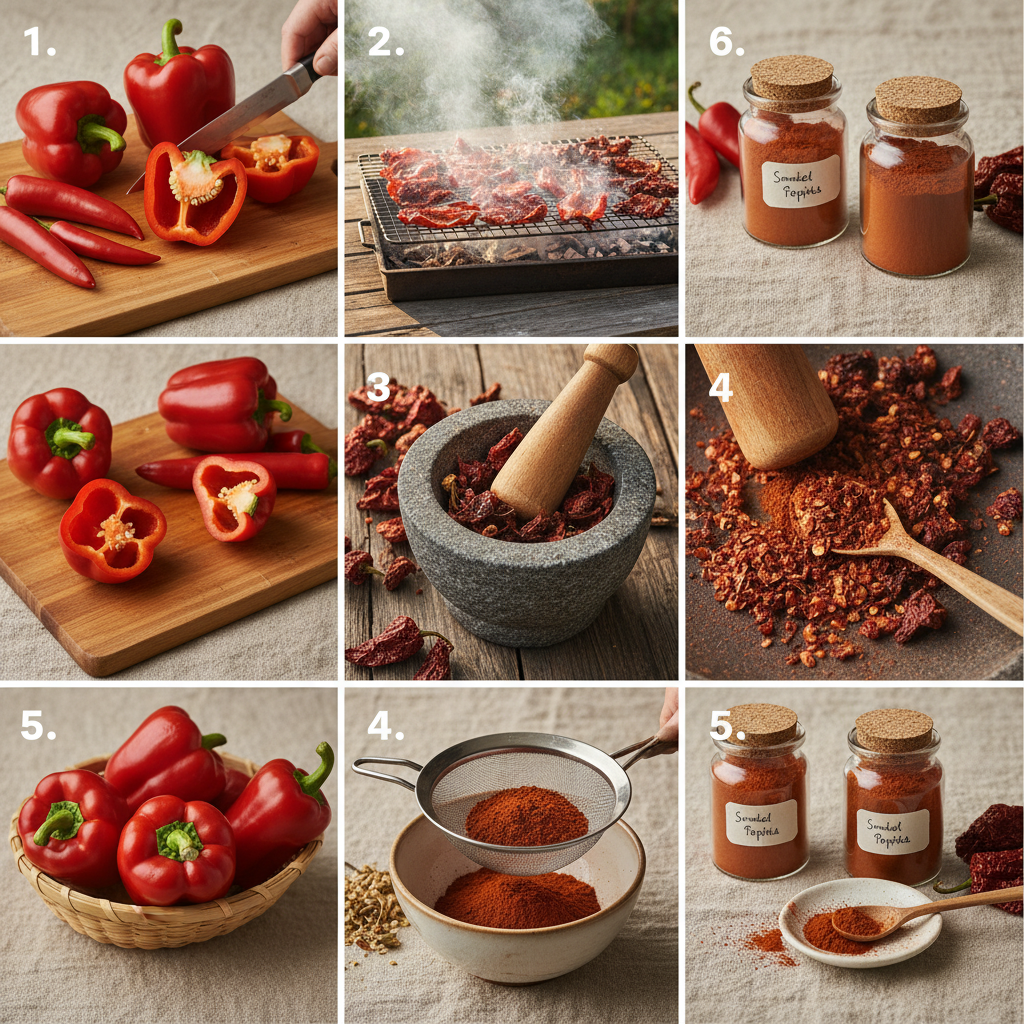
In the diverse world of culinary spices, paprika smoked sweet stands out as a cornerstone for adding depth, color, and a sophisticated aroma to a vast array of dishes. This unique condiment is not merely a powder but a result of a careful curing process where selected peppers are dried over oak fires, merging the natural sweetness of the fruit with a haunting, woody essence. Understanding the nuances of this ingredient allows food manufacturers and chefs to elevate simple recipes into gourmet experiences.
Globally, the demand for high-quality paprika smoked sweet has surged as consumer preferences shift toward "authentic" and "artisanal" flavor profiles. From the traditional pimentón of Spain to modern fusion cuisines in Asia and North America, the ability to provide a consistent, sweet-yet-smoky taste without the need for actual open-flame cooking is a significant advantage for the food processing industry.
For professional food producers, sourcing a stable and pure paprika smoked sweet is crucial for maintaining brand consistency. Whether integrated into snack seasonings, processed meats, or plant-based alternatives, the right balance of smoke intensity and sweetness can define the success of a product line, ensuring a sensory experience that resonates with the modern palate.
The Global Industrial Relevance of Paprika Smoked Sweet
From an industrial perspective, paprika smoked sweet represents a intersection of agricultural tradition and modern food science. According to global trade data, the market for specialty pepper powders has grown steadily, driven by the rise of the "clean label" movement. Manufacturers are increasingly replacing artificial liquid smoke with authentic smoked powders to meet ISO standards for quality and consumer demands for natural ingredients.
The challenge for the industry lies in the standardization of the "smoke" element. Because traditional smoking varies by wood type and humidity, achieving a consistent batch of paprika smoked sweet requires precision-controlled drying environments. This ensures that every shipment provides the same sensory profile, preventing costly variations in the final food product.
Defining the Profile of Paprika Smoked Sweet
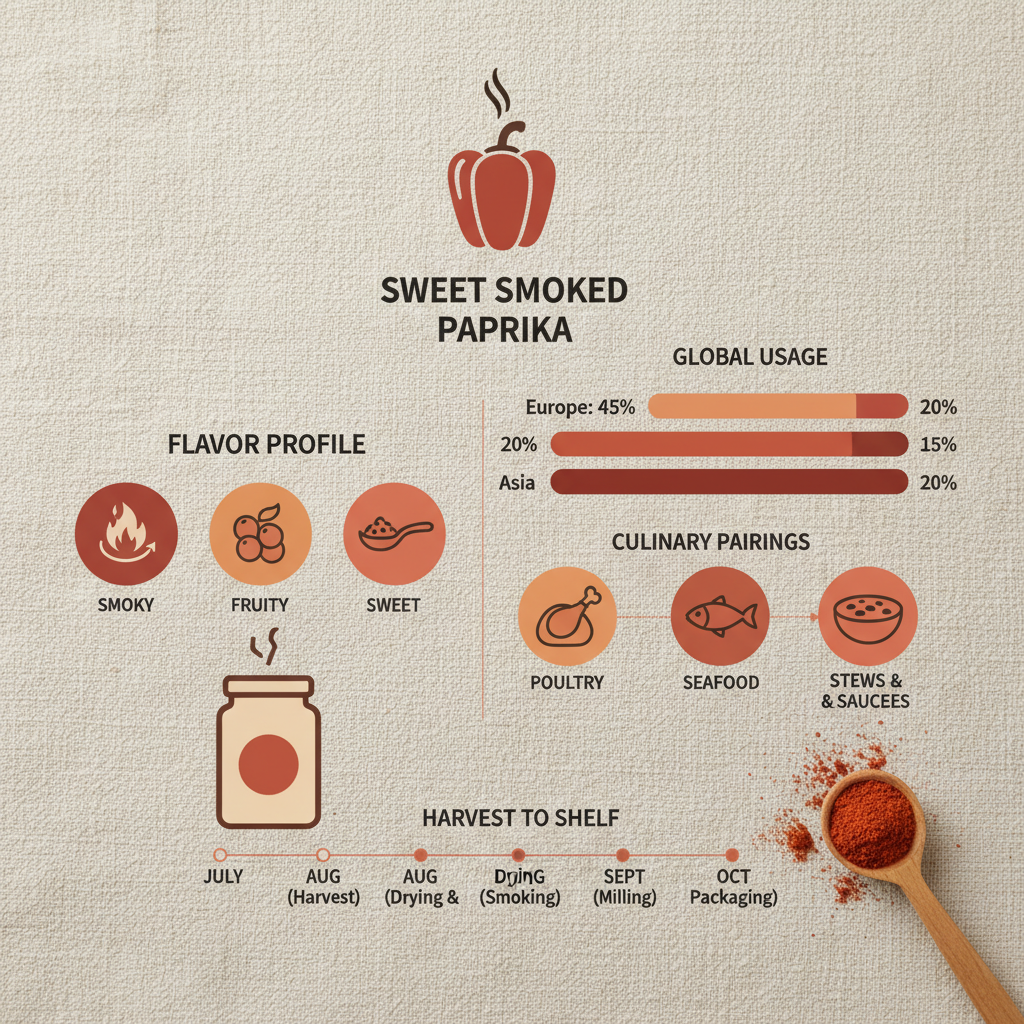
At its core, paprika smoked sweet is a ground spice derived from dried Capsicum annuum peppers that have been exposed to smoke during the drying process. Unlike "hot" paprika, the "sweet" variety is selected from cultivars with low capsaicin levels, ensuring that the flavor is characterized by a mild, fruity sweetness rather than a burning heat.
In the context of modern food processing, this ingredient serves as a multi-functional additive. It provides an immediate visual appeal through its deep red hue—attributed to natural carotenoids—while simultaneously introducing an olfactory dimension of charred wood and sweetness. This makes it indispensable for creating complex flavors in processed foods without adding excessive sodium or artificial enhancers.
Furthermore, the connection to humanitarian and nutritional needs is evident in its role as a natural antioxidant. The rich concentrations of vitamins and pigments found in paprika smoked sweet contribute to the nutritional value of fortified foods, making it a preferred choice for companies aiming to combine taste with health-conscious formulations.
Core Components of High-Quality Smoked Paprika
The first critical factor of paprika smoked sweet is its color stability. High-grade paprika must maintain its vibrant red color even after exposure to heat during cooking. This is achieved by selecting the right pepper variety and ensuring the grinding process does not introduce excessive heat, which could degrade the natural pigments.
Secondly, the aromatic balance of paprika smoked sweet is determined by the wood used for smoking. Hardwoods like oak are typically preferred to avoid bitter off-notes. The goal is a harmonious blend where the smokiness complements the sweetness of the pepper, rather than overpowering it, creating a "sweet-smoke" synergy.
Finally, the purity and particle size are essential for industrial scalability. A uniform mesh size allows paprika smoked sweet to blend seamlessly into dry rubs or sauces without clumping. This technical precision ensures that the flavor is distributed evenly across the product, providing a consistent taste in every bite.
Practical Application Factors and Efficiency
Integrating paprika smoked sweet into large-scale production requires a focus on cost-efficiency and flavor potency. Because a small amount of high-potency powder can flavor a large volume of product, the "smoke intensity" becomes a key metric. Manufacturers must balance the cost of premium smoked paprika against the desired sensory impact to optimize their bills of materials (BOM).
Another critical factor is solubility and dispersion. In liquid applications, such as sauces or dressings, the fat-soluble nature of the pigments in paprika smoked sweet means it integrates best when mixed with oils or fats, ensuring a glossy finish and a lasting flavor profile that doesn't fade during shelf-life.
Performance Metrics of Paprika Smoked Sweet Variations
Global Use Cases in Food Manufacturing
The application of paprika smoked sweet spans multiple continents and industries. In Western Europe, particularly Spain and Germany, it is an essential component of chorizos and traditional sausages, where the smoky sweetness acts as a natural preservative and flavor enhancer. In the North American market, it has found a new home in the "BBQ" category, utilized in dry rubs for ribs and brisket to provide an "outdoor grill" taste to indoor-processed meats.
Beyond meats, the plant-based revolution has embraced paprika smoked sweet. For vegan "bacon" or plant-based burgers, this spice is critical in mimicking the savory, charred notes of animal proteins. By utilizing a sweet smoked profile, developers can mask the earthy tones of pea or soy proteins, replacing them with a familiar, appetizing aroma that appeals to a broader consumer base.
Long-Term Value and Sustainability
Investing in high-quality paprika smoked sweet offers tangible long-term value by reducing the reliance on artificial smoke flavorings. Liquid smoke often contains chemicals that can be flagged on ingredient labels; by switching to a naturally smoked powder, brands can claim "no artificial flavors," which significantly increases trust and brand loyalty among health-conscious consumers.
Sustainability is also a key driver. Modern production of paprika smoked sweet is moving toward energy-efficient drying tunnels and sustainably sourced hardwoods for smoking. This reduces the carbon footprint of the spice production process and ensures that the ecological balance of the regions producing the peppers is maintained.
From an economic standpoint, the versatility of a "sweet smoked" profile means a single ingredient can serve multiple product lines. Whether it is a spicy snack, a mild sauce, or a savory baked good, the flexibility of paprika smoked sweet simplifies inventory management for large food conglomerates, reducing waste and streamlining the supply chain.
Future Innovations in Paprika Smoked Sweet Production
The future of paprika smoked sweet lies in the integration of digital transformation and biotechnology. Precision agriculture is now being used to cultivate pepper varieties with higher natural sugar content, ensuring that the "sweet" part of the profile is maximized before the smoking process even begins. This results in a more robust flavor that requires less additive seasoning.
Furthermore, the industry is exploring " encapsulation" technology. By coating paprika smoked sweet particles in a thin, food-grade protective layer, the volatile smoke aromas can be preserved for longer periods. This means the spice remains as potent at the end of its shelf life as it was on the day of production, solving one of the oldest problems in the spice trade: flavor degradation.
Automation in the smoking process is also evolving, with AI-driven sensors monitoring the smoke density and temperature in real-time. This ensures that every batch of paprika smoked sweet is identical, eliminating human error and optimizing the use of fuel, making the process greener and more consistent.
Comparative Analysis of Paprika Smoked Sweet Processing Methods
|
Processing Method
|
Smoke Intensity (1-10)
|
Color Retention
|
Production Cost
|
| Traditional Oak Smoking |
9 |
Excellent |
High |
| Controlled Smoke Tunnel |
8 |
Very Good |
Medium |
| Liquid Smoke Infusion |
6 |
Good |
Low |
| Cold-Smoke Curing |
7 |
Superior |
High |
| Hybrid Thermal Process |
7 |
Good |
Medium |
| Rapid Air-Dry + Smoke |
5 |
Fair |
Low |
FAQS
The primary difference is the drying process. Regular paprika is typically air-dried or oven-dried, resulting in a purely fruity or earthy taste. paprika smoked sweet is dried over smoldering hardwoods, which infuses the pepper with a characteristic smoky aroma and flavor while maintaining the natural sweetness of the fruit.
No, the "sweet" designation means it is made from mild peppers with very low capsaicin content. While it has a deep, complex flavor, it does not provide the "heat" associated with hot paprika or cayenne. It is designed to add flavor and color without making the dish spicy.
Consistency is achieved by sourcing from suppliers who use controlled smoke tunnels rather than open-air pits. By regulating temperature, humidity, and wood type, the intensity of the paprika smoked sweet remains uniform across different batches, ensuring your final product's taste doesn't fluctuate.
Absolutely. In fact, it is one of the most popular ingredients for vegan products. It helps replicate the "charred" or "grilled" taste of meat, making plant-based proteins like soy or pea protein more palatable and satisfying for consumers seeking traditional savory flavors.
High-quality paprika smoked sweet is rich in stable carotenoids. While some fading can occur at extremely high temperatures for long periods, it generally maintains its vibrant red hue. Using it in oil-based applications further helps lock in the color.
To preserve the volatile smoke oils and vibrant color, it should be stored in airtight, light-proof containers in a cool, dry environment. Exposure to sunlight and oxygen can lead to oxidation, which diminishes both the aroma and the redness of the spice.
Conclusion
In summary, paprika smoked sweet is much more than a simple spice; it is a versatile tool for the modern food industry. By combining natural sweetness with a controlled smoky essence, it allows manufacturers to create products that are visually appealing, aromatically complex, and aligned with clean-label trends. From the technical precision of its production to its wide-ranging applications in meat and plant-based alternatives, the value it adds to the sensory experience is unmatched.
Looking ahead, the transition toward sustainable sourcing and AI-driven production will only further refine the quality of this essential ingredient. For companies aiming to capture the essence of traditional craftsmanship while maintaining industrial efficiency, integrating premium smoked paprika is a strategic move. We invite you to explore our professional-grade solutions to elevate your product line. Visit our website: www.hongrispice.com


 English
  Afrikaans
  Albanian
  Amharic
  Arabic
  Armenian
  Azerbaijani
  Basque
  Belarusian
  Bengali
  Bosnian
  Bulgarian
  Catalan
  Cebuano
  Corsican
  Croatian
  Czech
Czech  Danish
  Dutch
Dutch  Esperanto
  Estonian
  Finnish
  French
  Frisian
  Galician
  Georgian
  German
  Greek
Greek  Gujarati
  Haitian Creole
  Hausa
Hausa  Hawaiian
  Hebrew
  Hindi
Hindi  Miao
Miao  Hungarian
  Icelandic
  Igbo
Igbo  Indonesian
  Irish
Irish  Italian
  Japanese
  Javanese
  Kannada
  Kazakh
  Khmer
Khmer  Rwandese
  Korean
  Kurdish
  Kyrgyz
  Lao
Lao  Latin
Latin  Latvian
  Lithuanian
  Luxembourgish
  Macedonian
  Malgashi
  Malay
Malay  Malayalam
  Maltese
  Maori
Maori  Marathi
  Mongolian
  Myanmar
  Nepali
  Norwegian
  Norwegian
  Occitan
  Pashto
  Persian
  Polish
  Portuguese
  Punjabi
  Romanian
  Russian
  Samoan
  Scottish Gaelic
  Serbian
  Sesotho
  Shona
Shona  Sindhi
  Sinhala
  Slovak
  Slovenian
  Somali
  Spanish
  Sundanese
  Swahili
  Swedish
  Tagalog
  Tajik
Tajik  Tamil
Tamil  Tatar
Tatar  Telugu
  Thai
Thai  Turkish
  Turkmen
  Ukrainian
  Urdu
Urdu  Uighur
  Uzbek
Uzbek  Vietnamese
  Welsh
Welsh  Bantu
Bantu  Yiddish
  Yoruba
  Zulu
Zulu