- No. 268 Xianghe Street, Economic Development Zone of Xingtai city, Hebei 054001 China
- Byron@hbhongri.cn
Benefits and Uses of Extra Hot Crushed Red Pepper: Global Insights and Trends
All About Extra Hot Crushed Red Pepper: Why It Matters Globally
Extra hot crushed red pepper isn’t just the fiery kick your favorite dishes crave; it’s a fascinating ingredient with global significance. Spanning from culinary traditions to agricultural economics, this pepper variety carries benefits that ripple through health, industry, and even humanitarian sectors. Understanding what makes extra hot crushed red pepper stand out helps us appreciate more than just the heat — it’s about culture, economy, and innovation on a worldwide scale.
Introduction: Global Context of Extra Hot Crushed Red Pepper
Did you know that chili peppers—Capsicum species—are cultivated in more than 60 countries worldwide? According to the FAO, global production surpasses 36 million tonnes annually, with an increasing demand for hotter varieties such as extra hot crushed red pepper. This trend aligns with shifting culinary tastes and rising awareness of capsaicin's health benefits. However, global warming and fluctuating climate patterns pose challenges for chili farmers, amplifying the need for resilient pepper strains and sustainable processing methods.
More than just spicing up foods, extra hot crushed red pepper plays a role in medicinal and industrial uses, contributing to pain relief creams, natural pesticides, and even food preservation. Facing the challenges of changing climates and market demands, innovations in cultivation and processing are crucial.
Mini takeaway: This tiny, fiery pepper packs a punch far beyond the plate, linking agriculture, health, and global trade in profound ways.
What Exactly Is Extra Hot Crushed Red Pepper?
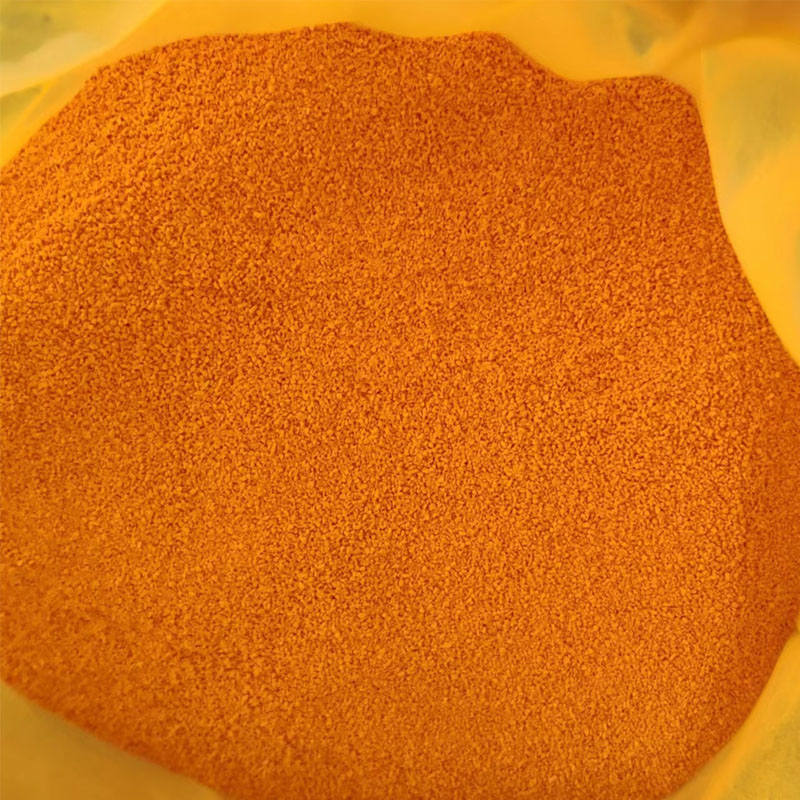
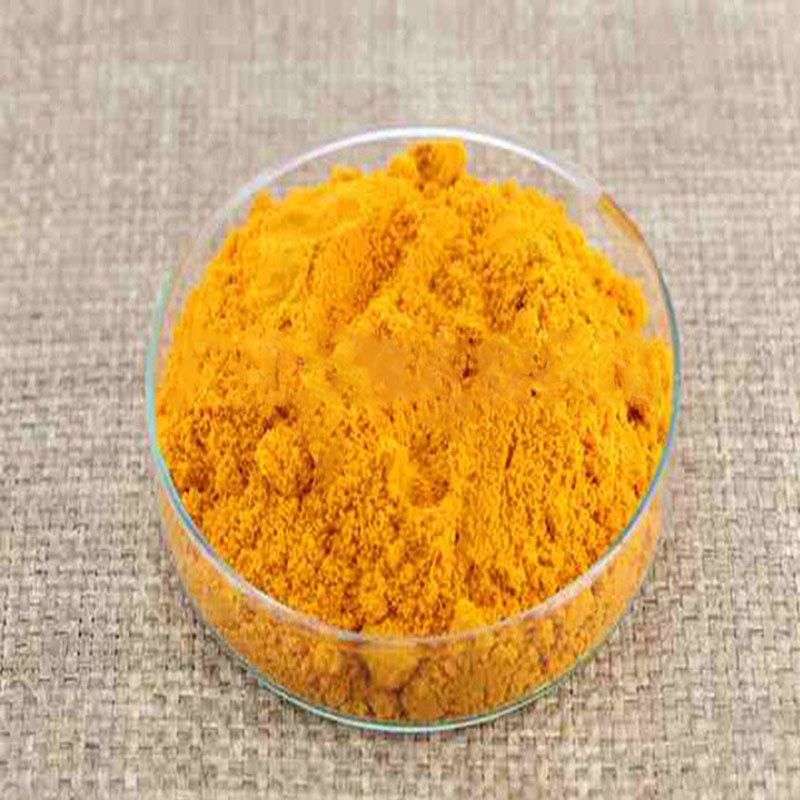
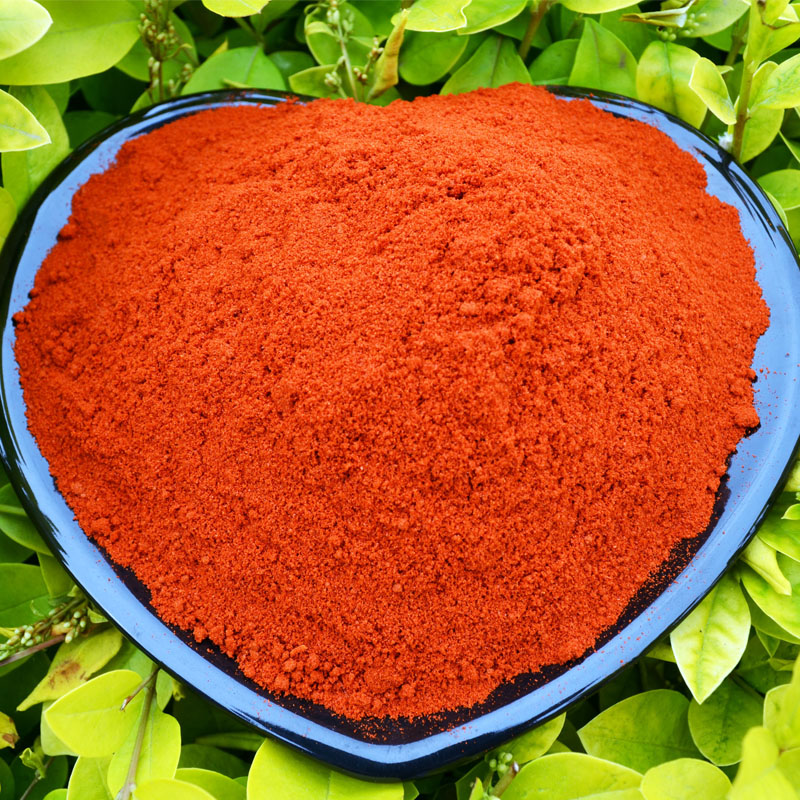
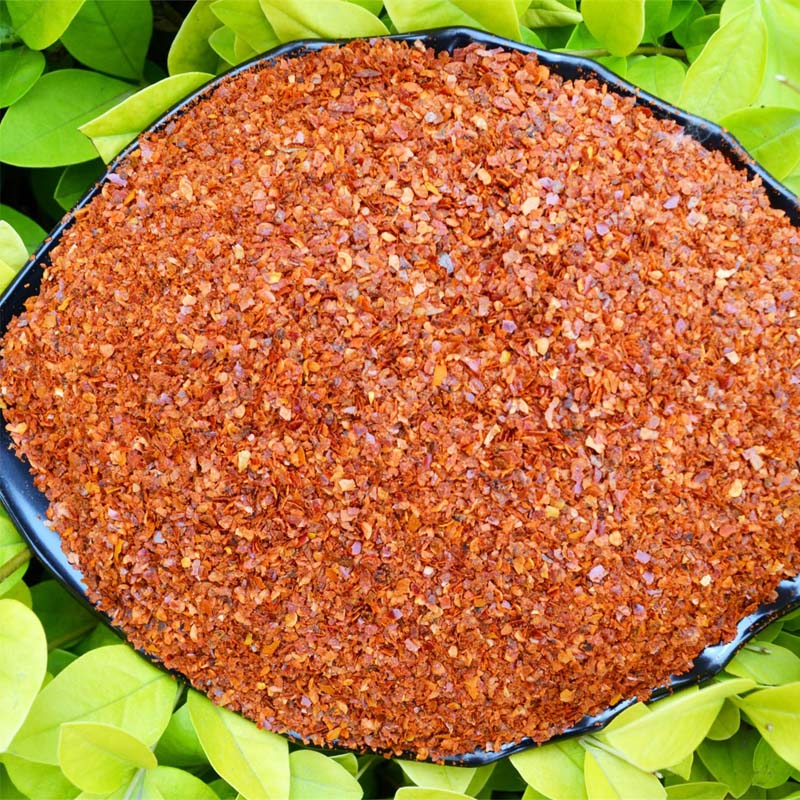
In simple terms, extra hot crushed red pepper is dried red chili peppers that have been crushed into coarse flakes, prized for their intense heat, which often measures over 100,000 Scoville Heat Units (SHU). It’s commonly made from high-Scoville varieties like cayenne, bird’s eye, or naga jolokia peppers. The crushing process preserves the vibrant color and volatile aromatic oils, delivering that signature pungency and depth of flavor.
Behind the kitchen wizardry, this ingredient intersects with food industry demands for consistency, scalability, and safety standards. Moreover, the capsaicin extracted from these peppers finds use in pharmaceuticals and natural deterrents, showcasing how this humble spice lends itself to modern industrial applications.
Mini takeaway: Extra hot crushed red pepper isn’t just a flavor booster—it’s also an industrial ingredient with versatile uses born from its fiery capsaicin content.
Core Components That Define Extra Hot Crushed Red Pepper
- Heat Level: The cornerstone of its appeal. Extra hot varieties measure between 100,000–350,000 SHU, making them much spicier than regular crushed peppers.
- Flavor Profile: Fruity, smoky, and pungent notes complement the heat, contributing to complex taste layering in dishes.
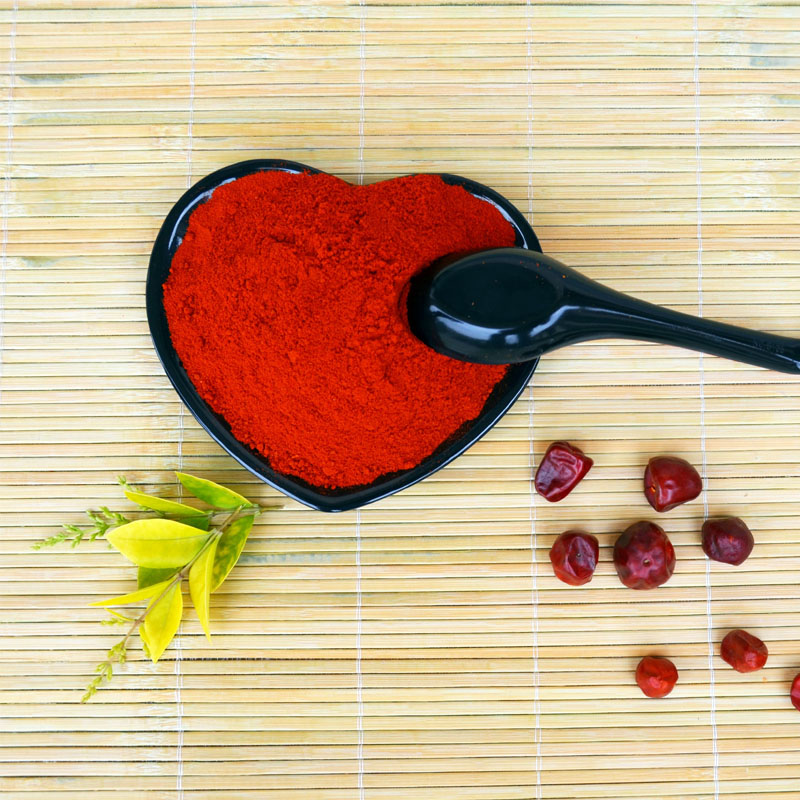
- Color & Appearance: Bright red flakes signal freshness and quality — color retention during drying is key for appealing products.
- Capsaicin Concentration: This active compound determines potency and also influences efficacy in pharmaceutical or pest control uses.
- Origin & Cultivation Methods: Soil quality, altitude, and climate impact the intensity and flavor, with some regions famed for uniquely potent peppers.
- Processing Standards: Proper drying, crushing, and storage techniques preserve potency and prevent contamination, meeting food safety certifications like ISO 22000 or HACCP.
Mini takeaway: The balance of heat, flavor, appearance, and rigorous quality control makes extra hot crushed red pepper what it is.
Product Specifications: Extra Hot Crushed Red Pepper
| Specification | Details |
|---|---|
| Scoville Heat Units (SHU) | 100,000 – 350,000 |
| Color | Bright red to deep crimson |
| Moisture Content | Below 12% |
| Capsaicin Percentage | 0.9% – 1.5% |
| Shelf Life | 1 to 2 years (when stored properly) |
| Packaging | Vacuum sealed / moisture-proof bags |
Worldwide Uses and Applications
Extra hot crushed red pepper transcends pure culinary use, playing diverse roles globally:
- Gastronomy: From Southeast Asia to Southern Italy, chefs incorporate it to provide bold heat and complexity.
- Pharmaceuticals: Capsaicin-based creams help manage neuropathic pain, arthritis, and muscle soreness.
- Agriculture: Used as natural pesticides and repellents, reducing synthetic chemical dependency.
- Food Preservation: Antimicrobial properties help extend shelf life naturally in some traditional food systems.
- Humanitarian Relief: Robust food supply chains for extra hot crushed red pepper assist in nutrition programs in hot climates, enhancing meal acceptance and caloric intake.
Regions like India, Mexico, and China dominate production, but smaller growers worldwide are adopting improved varieties to meet expanding market needs.
Mini takeaway: Whether adding fire to your food or a natural edge to medicines and crops, extra hot crushed red pepper serves many global sectors.
Vendor Comparison: Leading Extra Hot Crushed Red Pepper Suppliers
| Vendor | Origin | Heat Range (SHU) | Certification | Packaging Options |
|---|---|---|---|---|
| RedFlame Spices Ltd. | India | 100,000 – 150,000 | ISO 22000, HACCP | 1kg, 5kg, 25kg vacuum-sealed bags |
| SpiceWorld Traders | Mexico | 150,000 – 220,000 | Organic Certified, ISO 9001 | 500g to 20kg bags, bulk orders available |
| HotRoots Exports | China | 120,000 – 180,000 | HACCP, FSSC 22000 | 10kg and 25kg bulk packaging |
Advantages and Long-Term Value of Extra Hot Crushed Red Pepper
Plainly put, this pepper flake variety brings a lot to the table — literally and figuratively. Cost-efficient to grow (with the right conditions), it provides a powerful natural source of capsaicin that doubles as a flavor enhancer and therapeutic agent. For farmers in vulnerable climates, cultivating extra hot varieties can mean better market prices and crop resilience.
Socially, spicy foods foster identity and tradition, carrying emotional weight across generations. On the industrial side, innovations in drying and packaging enhance shelf life and safety, which fosters trust in the supply chain. Sustainable practices reduce pesticide use, lessening environmental impact.
Mini takeaway: The long-lasting benefits span economic upliftment, cultural significance, and ecological responsibility.
Future Trends & Innovations
Looking ahead, biotechnological advances may further increase heat intensity while improving plant resistance to climate stress. Smart farming, using IoT sensors, helps optimize water and fertilizer use, enhancing yield and quality simultaneously—cutting down waste and greenhouse gas emissions. Meanwhile, demand for organic and fair-trade labels continues to grow, pushing transparency in the supply chain.
In food science, encapsulated capsaicin products offer controlled burn sensation for consumer products, and digital platforms now streamline global trade, making sourcing extra hot crushed red pepper easier and more reliable.
Mini takeaway: Innovation is turning a traditional spice into a modern global commodity with growing economic and ecological value.
Challenges & Expert Solutions
Not everything is rosy, of course. Major challenges include crop vulnerability to pests, inconsistent heat levels due to climate variability, and sometimes poor post-harvest handling that degrades quality. Additionally, enforcement of food safety standards varies widely across producing countries.
Some farmers and processors now use integrated pest management and improved storage technologies, like climate-controlled drying houses. International partnerships foster knowledge exchange, raising production quality and safety.
Mini takeaway: Challenges persist, but creative, scientifically backed solutions offer promising paths forward.
FAQ: Frequently Asked Questions About Extra Hot Crushed Red Pepper
- Q: How hot is extra hot crushed red pepper compared to regular crushed pepper?
- A: Extra hot varieties measure around 100,000 to 350,000 SHU, significantly higher than regular crushed red pepper, which usually ranges between 15,000 and 50,000 SHU. This makes it ideal for those seeking intense heat and flavor.
- Q: What are the best storage practices to maintain potency?
- A: Store in a cool, dry, and dark environment, preferably vacuum-sealed and airtight, to preserve color, flavor, and heat level. Avoid moisture and heat exposure that can degrade quality over time.
- Q: Can extra hot crushed red pepper be used in medicinal products?
- A: Yes, the capsaicin extracted is commonly used in topical creams to relieve pain and inflammation, as well as natural pest repellents in agricultural settings.
- Q: How can small-scale producers access international markets?
- A: Partnering with certified exporters and engaging with digital trade platforms—plus achieving quality certifications like ISO or organic labels—helps gain entry into global supply chains.
Conclusion and Call to Action
Extra hot crushed red pepper proves it’s more than just a spice: it’s an economic driver, a cultural icon, and an evolving commodity forging links between tradition and technology. Its fiery kick is backed by global data on production, uses, and innovations that inspire confidence in its long-term value.
If you want to experience authentic and potent spice that also supports sustainable agriculture and global trade, look no further than extra hot crushed red pepper. Explore our selection and taste the future of flavor today.
A fiery reminder that sometimes the smallest things make the biggest impact.
References
-
Guide to Sourcing and Using Premium Dried Spicy PeppersNewsApr.16,2026
-
Dried Spur Chili Guide to Premium Flavor and Industrial QualityNewsApr.09,2026
-
Exploring the World of Dried Whole Chili Peppers and Their Culinary UsesNewsApr.07,2026
-
Exploring the Culinary World of Dried Whole Chillies and Their Versatile UsesNewsApr.04,2026
-
Exploring the World of Red Dried Chiles and Their Culinary UsesNewsMar.31,2026
-
Exploring the Culinary World of Red Dried Chili Peppers and Their Versatile UsesNewsMar.28,2026
 Afrikaans
 Albanian
 Amharic
 Arabic
 Armenian
 Azerbaijani
 Basque
 Belarusian
 Bengali
 Bosnian
 Bulgarian
 Catalan
 Cebuano
 Corsican
 Croatian
 Czech
Czech
 Danish
 Dutch
Dutch
 Esperanto
 Estonian
 Finnish
 French
 Frisian
 Galician
 Georgian
 German
 Greek
Greek
 Gujarati
 Haitian Creole
 Hausa
Hausa
 Hawaiian
 Hebrew
 Hindi
Hindi
 Miao
Miao
 Hungarian
 Icelandic
 Igbo
Igbo
 Indonesian
 Irish
Irish
 Italian
 Japanese
 Javanese
 Kannada
 Kazakh
 Khmer
Khmer
 Rwandese
 Korean
 Kurdish
 Kyrgyz
 Lao
Lao
 Latin
Latin
 Latvian
 Lithuanian
 Luxembourgish
 Macedonian
 Malgashi
 Malay
Malay
 Malayalam
 Maltese
 Maori
Maori
 Marathi
 Mongolian
 Myanmar
 Nepali
 Norwegian
 Norwegian
 Occitan
 Pashto
 Persian
 Polish
 Portuguese
 Punjabi
 Romanian
 Russian
 Samoan
 Scottish Gaelic
 Serbian
 Sesotho
 Shona
Shona
 Sindhi
 Sinhala
 Slovak
 Slovenian
 Somali
 Spanish
 Sundanese
 Swahili
 Swedish
 Tagalog
 Tajik
Tajik
 Tamil
Tamil
 Tatar
Tatar
 Telugu
 Thai
Thai
 Turkish
 Turkmen
 Ukrainian
 Urdu
Urdu
 Uighur
 Uzbek
Uzbek
 Vietnamese
 Welsh
Welsh
 Bantu
Bantu
 Yiddish
 Yoruba
 Zulu
Zulu
 English