- No. 268 Xianghe Street, Economic Development Zone of Xingtai city, Hebei 054001 China
- Byron@hbhongri.cn
Buy High-Quality Chili Powder 1kg – Pure, Fresh & Bulk Packaging
Understanding Chili Powder 1kg: Why It’s More Than Just a Spice
Chili powder 1kg might sound like a simple product — just a spice packed in a certain quantity — but the truth is, this staple plays an outsized role in kitchens, industries, and even humanitarian aid worldwide. With the ever-increasing demand for authentic flavors, shelf stability, and affordable bulk purchase options, understanding what makes chili powder 1kg a versatile commodity matters beyond just our recipes.
Globally, chili peppers are used in over 75% of cuisines, making chili powder a fundamental ingredient. But there’s also a surprising industrial side, connected to food security, nutritional programs, and commercial food processing. Let’s unpack why chili powder at this 1kg scale has grown into a symbol of quality, practicality, and cultural vitality.
Global Significance of Chili Powder 1kg
According to the Food and Agriculture Organization (FAO), global chili pepper production has seen steady growth, exceeding 38 million tonnes annually as of recent years (1). With developing countries in Asia, Latin America, and Africa driving consumption, the volume of chili powder traded in bulk quantities like 1kg packets has surged. This size perfectly balances wholesale needs with household usage.
One challenge that chili powder 1kg elegantly addresses is ensuring spice quality while minimizing packaging waste and transportation costs. With rising consumer awareness around product origin, sustainable farming, and food safety, having well-packed, consistent 1kg portions supports both retailers and consumers in maintaining freshness and traceability.
What Exactly Is Chili Powder 1kg?
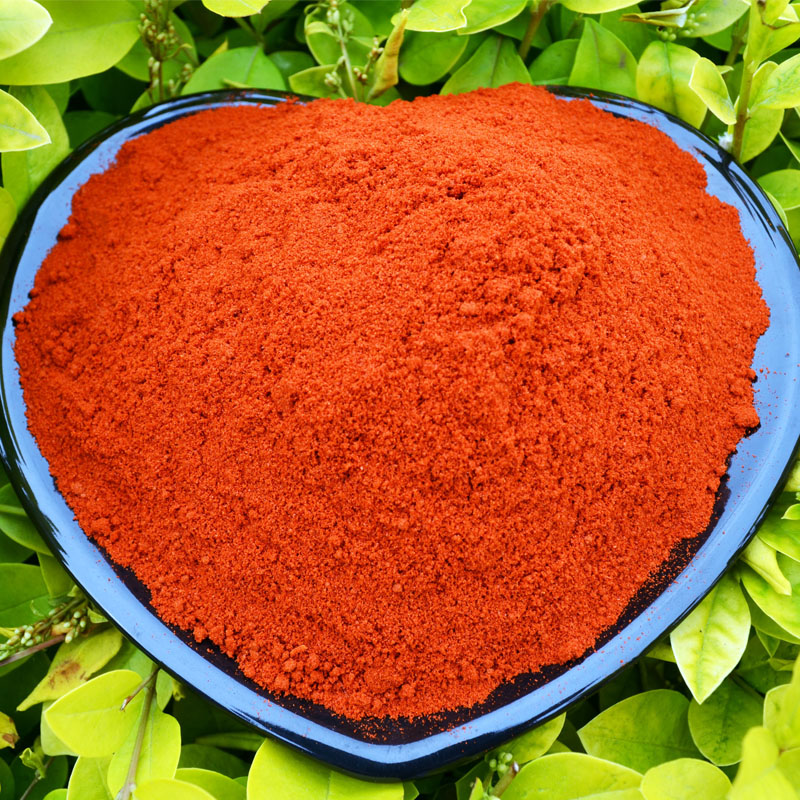
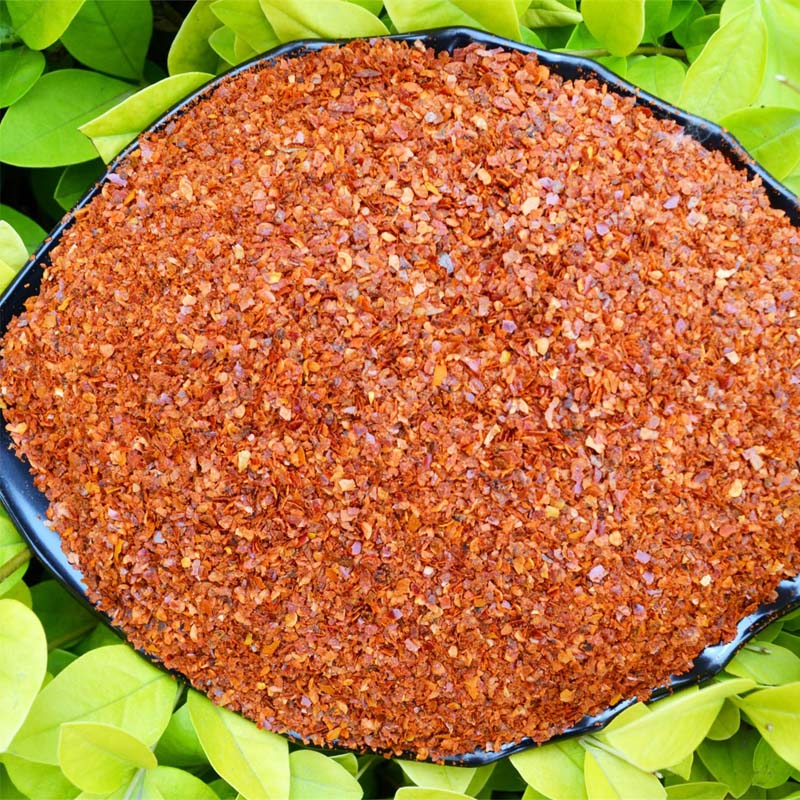
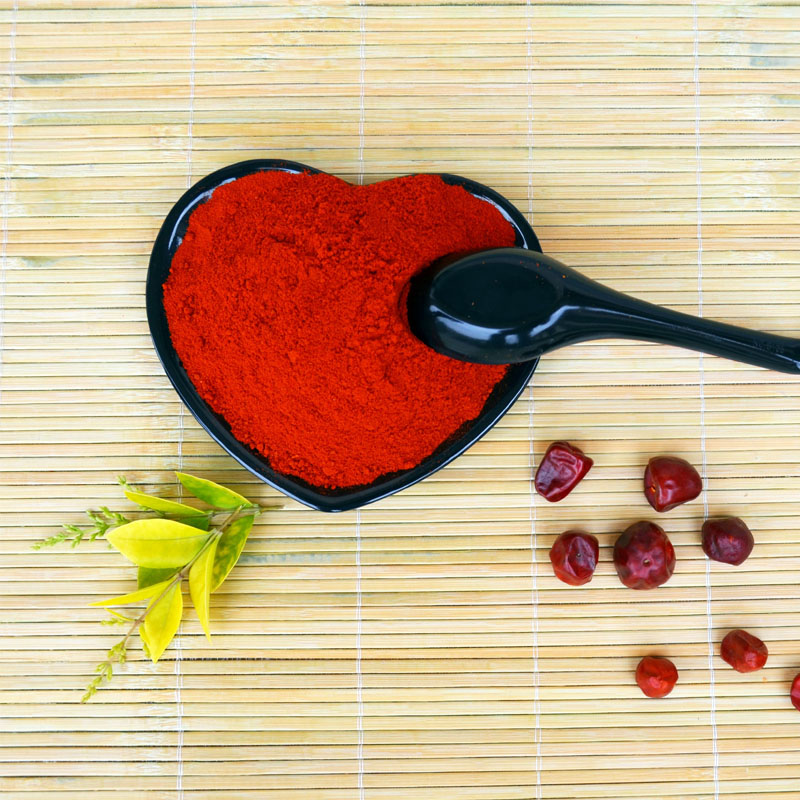
Simply put, chili powder 1kg refers to a one-kilogram package of ground dried chili peppers. Depending on the region and supplier, it might include additional ingredients like cumin, garlic, or oregano — but often, it’s just pure, finely crushed chili peppers.
This quantity is popular in both retail and industrial settings. Smaller than bulk sacks but larger than typical consumer packets, the 1kg chili powder offers practicality for restaurants, caterers, and food manufacturers, as well as for culinary enthusiasts who like to stock up without losing quality. It’s a perfect bridge between commercial and home use.
Beyond kitchens, this packaged product intersects with humanitarian efforts, where stable, nutritious food components are distributed in reliable, easy-to-handle measures — sometimes in large-scale relief food kits.
Core Aspects of Chili Powder 1kg
1. Quality and Purity
The quality of chili powder rests mainly on the pepper variety, drying conditions, and grinding process. High-grade chili powder 1kg ensures uniform texture, vibrant color, and a certain heat level, measured in Scoville Heat Units (SHU). For example, Indian Kashmiri chili powder is known for mild heat but brilliant color — desirable in many recipes.
2. Packaging and Preservation
Good packaging locks in freshness and prevents contamination or moisture seepage. Vacuum-sealed or nitrogen-flushed 1kg packs help prolong shelf life, sometimes up to 12-18 months if stored properly.
3. Scalability and Cost Efficiency
Managing 1kg packets allows traders and industries to optimize distribution chains. Bulk transportation combined with manageable retail units cuts down on logistical complexities — a win-win financially and environmentally.
4. Versatility in Usage
Chili powder 1kg serves many hats: domestic seasoning, ingredient in processed foods, and cultural symbol in festivals. In food science, its antioxidant properties and capsaicin content have attracted research interest (2).
Mini Takeaway
- Chili powder 1kg blends quality with convenience for a wide range of users.
- Packaging innovations help retain freshness and reduce waste.
- It supports both global food cultures and practical supply needs.
Global Applications of Chili Powder 1kg
In real-world scenarios, chili powder 1kg has found its niche across various domains:
- Commercial Kitchens & Food Processing: Large restaurants and food factories rely on consistent quality and supply, which 1kg generally delivers efficiently.
- Retail & Culinary Enthusiasts: Many home cooks prefer the 1kg option for better value without risking the spice going stale too quickly.
- Humanitarian Aid: Emergency food rations sometimes include chili powder for nutritional value and flavor — a subtle morale boost after all.
- Agricultural Export Markets: Many chili-producing countries export spices by this standard, conforming to ISO 3632 standards (3), which certify quality and heat levels.
For instance, in India and Mexico, where chili features heavily in daily diets, suppliers use 1kg packaging to cater to both local markets and international buyers. Meanwhile, industries in Europe and the US prefer this size for controlled portion use.
Advantages & Lasting Benefits
- Cost-effective Bulk Purchase: Saves money and reduces frequent repurchasing.
- Consistent Quality: Standardization in production maintains flavor uniformity.
- Reduced Waste: Practical packaging decreases unused spoilage.
- Food Safety: Certified production reduces contamination risks.
- Cultural Preservation: Sustains culinary traditions worldwide.
Emotionally, using high-quality chili powder is like trusting a kitchen companion — it never lets you down on game day or family dinners. It also reflects social responsibility when sourced from fair-trade farms.
Product Specification Table: Typical Chili Powder 1kg Features
| Specification | Details |
|---|---|
| Weight | 1 Kilogram (1000g) |
| Packaging | Vacuum-sealed pouch or laminated foil bag |
| Scoville Heat Units (SHU) | Varies from 1000 to 100,000 depending on variety |
| Moisture Content | Less than 12% |
| Shelf Life | 12-18 months (when stored cool, dry) |
| Certifications | ISO 3632, HACCP, Organic options available |
Comparing Vendors: Finding the Right 1kg Chili Powder Supplier
| Vendor | Origin | Price per 1kg | Certifications | Package Type |
|---|---|---|---|---|
| HotSpice Co. | India | $15.50 | ISO 3632, HACCP | Vacuum Pouch |
| Sabor México | Mexico | $18.75 | Organic, Fair Trade | Laminated Foil Bag |
| SpiceGlobal Ltd. | Vietnam | $13.00 | ISO, HACCP | Vacuum Bag |
Looking Ahead: Trends & Innovations in Chili Powder Packaging and Production
Oddly enough, it’s not just about the chili itself anymore — the packaging and traceability have become equally critical. Digitally traceable barcodes, QR codes with farmer information, and blockchain supply chains are gradually becoming common in sourcing 1kg chili powder packs.
There’s also a move towards sustainable packaging materials. Companies experimenting with biodegradable or recyclable laminates aim to reduce plastic waste without compromising shelf life. In terms of production, new dehydration technologies that preserve flavor and antioxidants are emerging at the supplier level.
In short, the chili powder 1kg segment is quietly riding the wave of food tech innovations, sustainability pushes, and customer demands for transparency — which all feels pretty exciting for a humble spice.
Challenges & How The Market Is Responding
One common issue with chili powder 1kg is maintaining consistent quality across large batches. Variations in pepper harvests, climatic conditions, and processing methods can cause fluctuations in heat and flavor. To combat this, suppliers invest heavily in quality control labs and standardized testing methods like ISO 3632.
Another challenge is supply chain disruptions, especially during peak seasons or geopolitical uncertainties. Many vendors now stockpile or diversify sourcing regions to ensure uninterrupted supply at the 1kg pack level.
Frequently Asked Questions About Chili Powder 1kg
1. How long does chili powder 1kg stay fresh after opening?
Once opened, chili powder is best used within 3 to 6 months for optimal flavor and heat. Storing it in an airtight container, away from light and heat, will help extend its freshness.
2. Can chili powder 1kg be bought organic, and is it worth it?
Yes, many vendors offer organic-certified 1kg chili powder. Organic options tend to cost more but appeal to consumers focused on pesticide-free and more environmentally friendly products.
3. What’s the difference between chili powder and cayenne pepper?
Chili powder often contains a blend of spices including chili peppers, cumin, and garlic powder, while cayenne is pure ground cayenne chili. The heat level and flavor profile differ significantly.
4. Is the 1kg size suitable for home kitchens?
For passionate home cooks or large families, 1kg can be convenient and economical. However, if you rarely use chili powder, smaller sizes might be preferable to maintain freshness.
5. How can I ensure the authenticity of the chili powder I’m buying?
Look for certifications like ISO 3632, check for batch numbers, and buy from reputable suppliers. Online reviews and direct sourcing from known regions help too.
Wrapping Up: Why Chili Powder 1kg Is Your Kitchen’s Unsung Hero
It might sound a little cheesy to say chili powder 1kg holds the soul of many dishes, but honestly, without it, many favorites just wouldn’t taste the same. Beyond that, the 1kg pack size is a pragmatic choice linking quality, economics, and sustainability — suitable for everyone from street vendors and food giants to passionate home cooks.
Curious? Explore quality options and learn more about chili powder 1kg by visiting chili powder 1kg. Because in food, as in life, the small things often pack the biggest punch.
References
-
Guide to Sourcing and Using Premium Dried Spicy PeppersNewsApr.16,2026
-
Dried Spur Chili Guide to Premium Flavor and Industrial QualityNewsApr.09,2026
-
Exploring the World of Dried Whole Chili Peppers and Their Culinary UsesNewsApr.07,2026
-
Exploring the Culinary World of Dried Whole Chillies and Their Versatile UsesNewsApr.04,2026
-
Exploring the World of Red Dried Chiles and Their Culinary UsesNewsMar.31,2026
-
Exploring the Culinary World of Red Dried Chili Peppers and Their Versatile UsesNewsMar.28,2026
 Afrikaans
 Albanian
 Amharic
 Arabic
 Armenian
 Azerbaijani
 Basque
 Belarusian
 Bengali
 Bosnian
 Bulgarian
 Catalan
 Cebuano
 Corsican
 Croatian
 Czech
Czech
 Danish
 Dutch
Dutch
 Esperanto
 Estonian
 Finnish
 French
 Frisian
 Galician
 Georgian
 German
 Greek
Greek
 Gujarati
 Haitian Creole
 Hausa
Hausa
 Hawaiian
 Hebrew
 Hindi
Hindi
 Miao
Miao
 Hungarian
 Icelandic
 Igbo
Igbo
 Indonesian
 Irish
Irish
 Italian
 Japanese
 Javanese
 Kannada
 Kazakh
 Khmer
Khmer
 Rwandese
 Korean
 Kurdish
 Kyrgyz
 Lao
Lao
 Latin
Latin
 Latvian
 Lithuanian
 Luxembourgish
 Macedonian
 Malgashi
 Malay
Malay
 Malayalam
 Maltese
 Maori
Maori
 Marathi
 Mongolian
 Myanmar
 Nepali
 Norwegian
 Norwegian
 Occitan
 Pashto
 Persian
 Polish
 Portuguese
 Punjabi
 Romanian
 Russian
 Samoan
 Scottish Gaelic
 Serbian
 Sesotho
 Shona
Shona
 Sindhi
 Sinhala
 Slovak
 Slovenian
 Somali
 Spanish
 Sundanese
 Swahili
 Swedish
 Tagalog
 Tajik
Tajik
 Tamil
Tamil
 Tatar
Tatar
 Telugu
 Thai
Thai
 Turkish
 Turkmen
 Ukrainian
 Urdu
Urdu
 Uighur
 Uzbek
Uzbek
 Vietnamese
 Welsh
Welsh
 Bantu
Bantu
 Yiddish
 Yoruba
 Zulu
Zulu
 English