- No. 268 Xianghe Street, Economic Development Zone of Xingtai city, Hebei 054001 China
- Byron@hbhongri.cn
Crushed Red Chili Pepper - Xingtai Hongri Biotech | Heat, Flavor, Nutrition
Crushed Red Chili Pepper is a versatile condiment derived from dried and crushed red chili peppers, offering a unique blend of heat, flavor, and nutritional value. This article explores its production process, technical specifications, applications, and the company behind this premium product.
Crushed red chili pepper is a staple in global cuisine, typically made from cayenne-type peppers within the 10,000-30,000 Scoville unit range. The product's distinct characteristics stem from its composition, which includes seeds, capsaicin, and carotenoids. 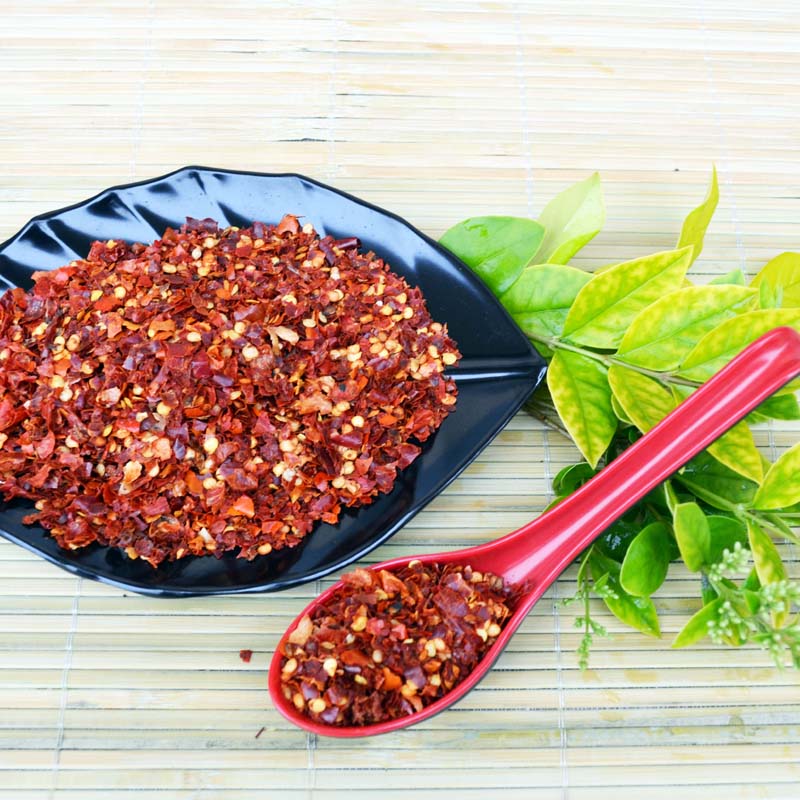
Despite common misconceptions, the seeds are not the primary source of heat—capsaicin is concentrated in the pepper's flesh. This condiment is widely used in food manufacturing, appearing in pickling blends, chowders, spaghetti sauce, and sausage production. 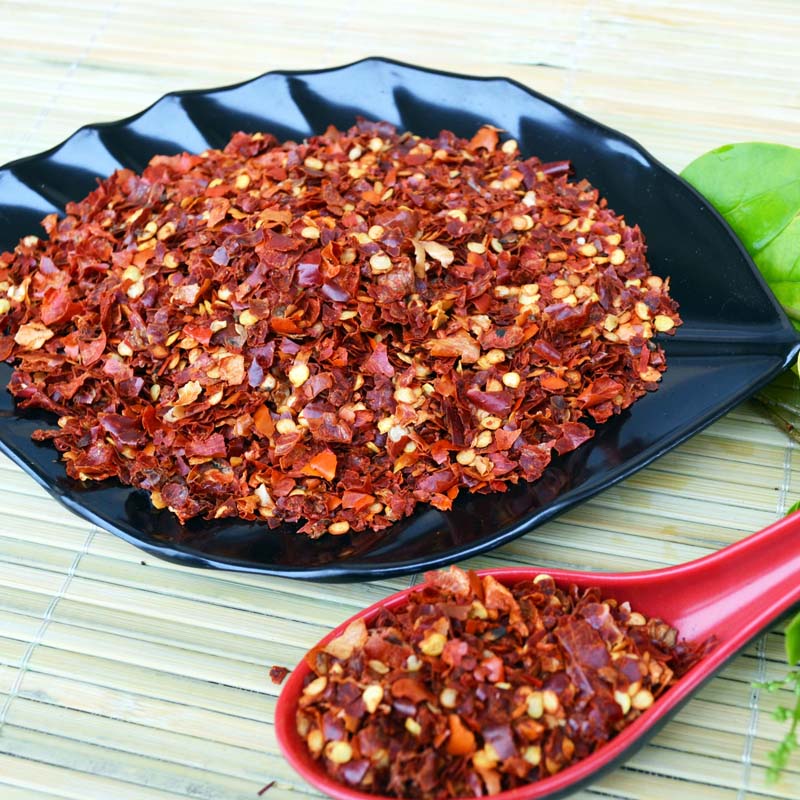
Historical Significance
The origins of crushed red pepper trace back to Central and South America, where it was cultivated as early as 7,500 BC. Spanish explorers introduced the pepper to Europe, where it became a prized ingredient in Asian and Mediterranean cuisines. The village of Bukovo in North Macedonia is often credited with popularizing the crushed form, with its name influencing regional terms like "bukovska piper" in Macedonian and "bukovka" in Serbo-Croatian.
Italian immigrants brought crushed red pepper to the United States in the 19th century, where it became a signature seasoning for pizza and pasta dishes. Today, crushed red pepper shakers are a common feature in Mediterranean restaurants worldwide.
Key Components and Nutritional Benefits
Crushed red chili peppers contain essential nutrients such as vitamins A, C, and B6, along with dietary fiber and antioxidants. The bright red color is attributed to carotenoids, while capsaicin—the compound responsible for the heat—offers potential health benefits. According to NIST (National Institute of Standards and Technology), capsaicin has been studied for its role in cancer prevention, weight management, and digestive health.
Research suggests that capsaicin may help reduce prostate cancer cell growth, suppress appetite, and improve glucose regulation. These properties make crushed red chili pepper not only a culinary enhancer but also a functional food ingredient.
Technical Specifications
| Parameter | Details |
|---|---|
| Scoville Heat Units | 10,000–30,000 SHU |
| Seed Content | Varies by product (affects heat intensity) |
| Color | Bright red (carotenoid-rich) |
| Moisture Content | ≤8% (as per food safety standards) |
| Preservatives | Zero additives (natural and pesticide-free) |
| Certifications | BRC, ISO, HACCP, HALAL, KOSHER |
Applications in Culinary and Industrial Settings
Crushed red chili pepper's versatility makes it a valuable ingredient across multiple industries:
- Food Manufacturing: Used in pickling blends, soups, and sausage formulations.
- Restaurant Industry: Commonly found in pizza sauce, spaghetti sauce, and chowders.
- Home Cooking: A popular seasoning for grilled meats, stews, and marinades.
The product's price is influenced by factors such as seed percentage, Scoville units, and color intensity. 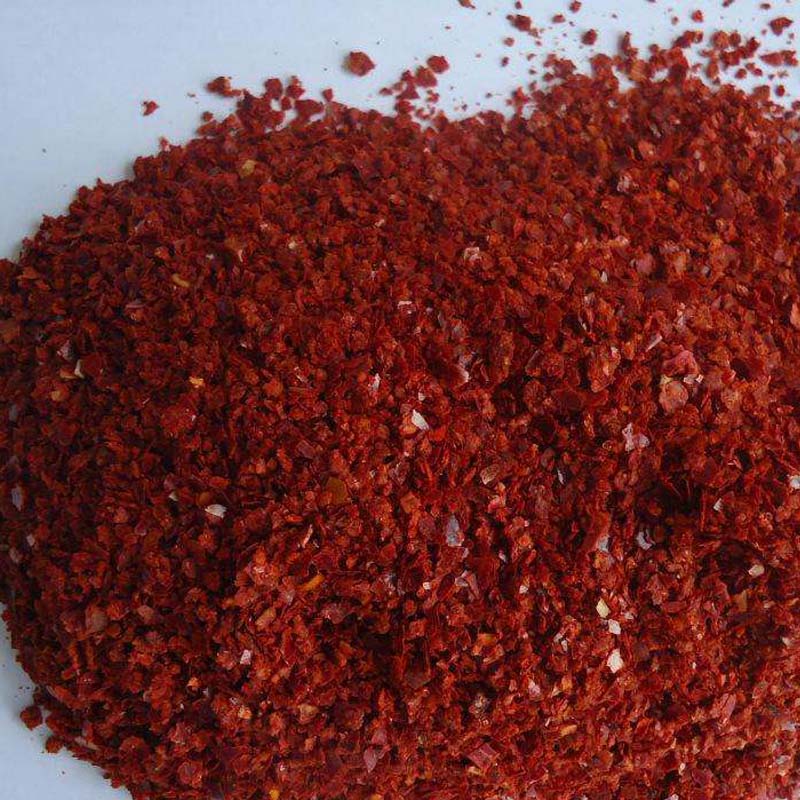
Company Background: Xingtai Hongri Biotech Co., Ltd.
Based in Hebei Province, China, Xingtai Hongri Biotech Co., Ltd. specializes in high-quality spice products. The company adheres to international food safety standards, ensuring its crushed red chili peppers meet rigorous quality requirements. Their product line includes:
- Crushed Red Hot Peppers
- Ground Red Pepper
- Crushed Red Chili Pepper
With certifications from BRC, ISO, and HACCP, Xingtai Hongri Biotech caters to global markets, supplying restaurants, food manufacturers, and retailers. 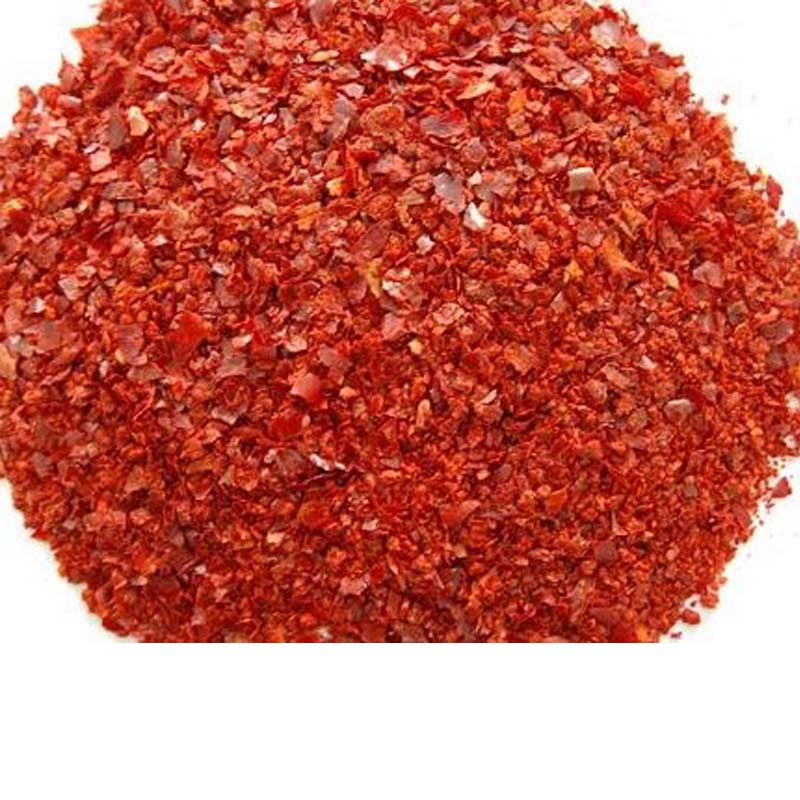
Product Variants and Visuals
Xingtai Hongri Biotech offers multiple variants of crushed red chili products, each with distinct characteristics:
- Crushed Red Chili Pepper – Ideal for bold flavor applications.
- Ground Red Pepper – Finer texture for sauces and rubs.
- Crushed Red Chili Pepper – Balanced heat and flavor profile.
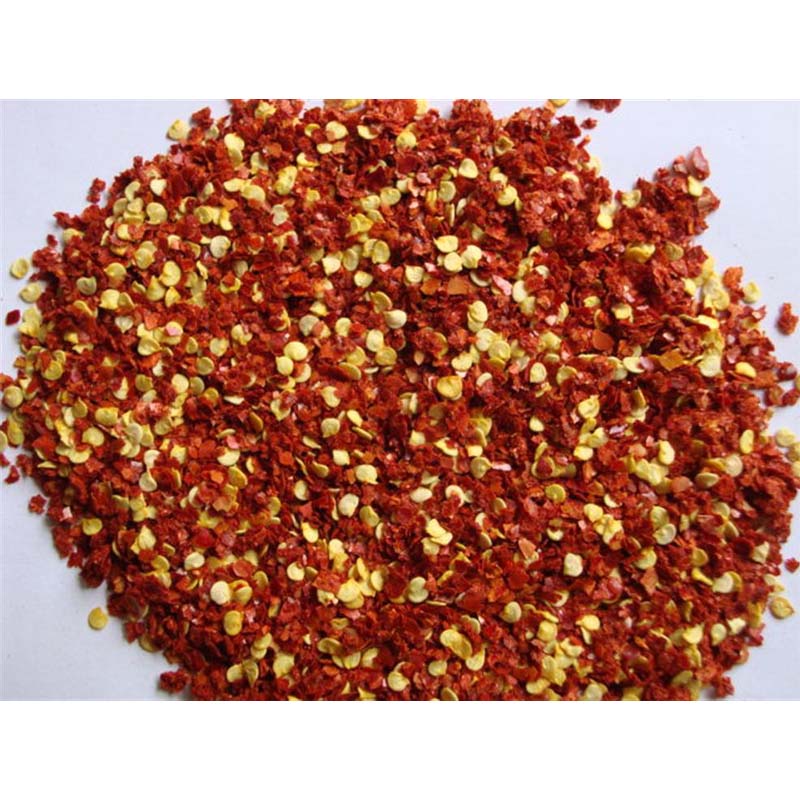
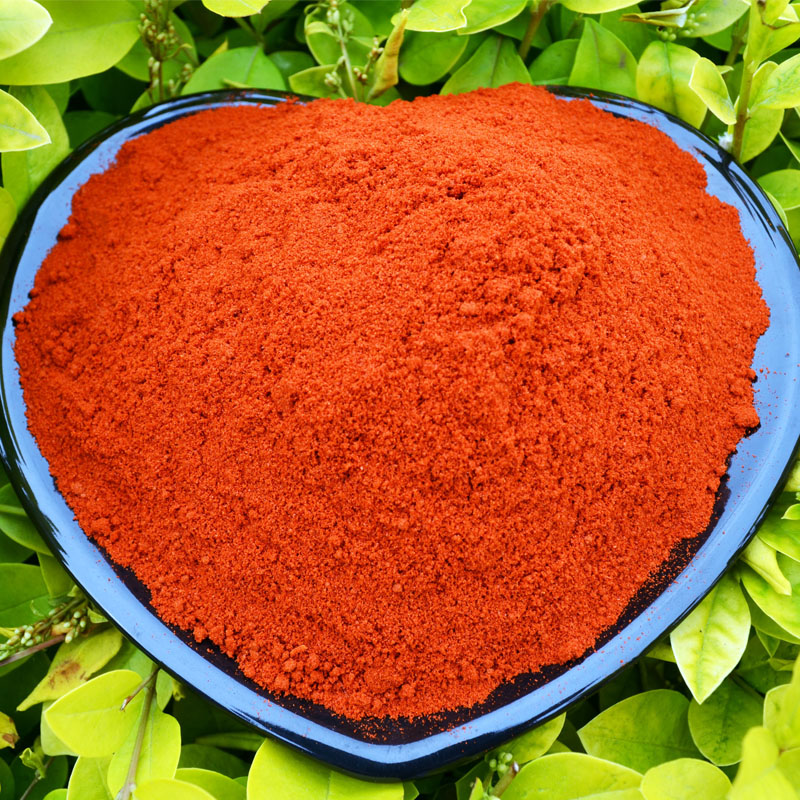
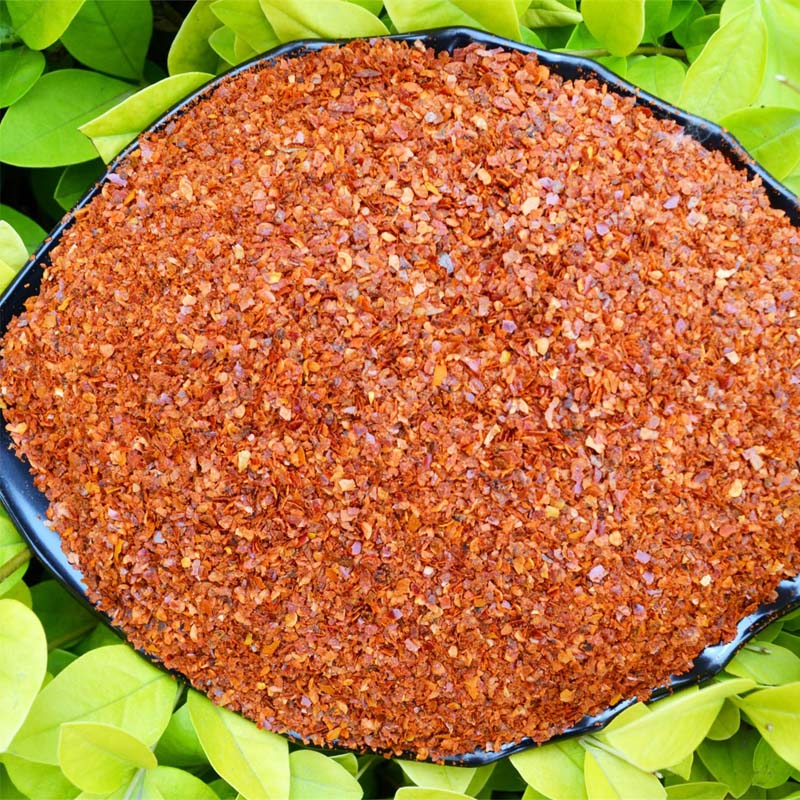
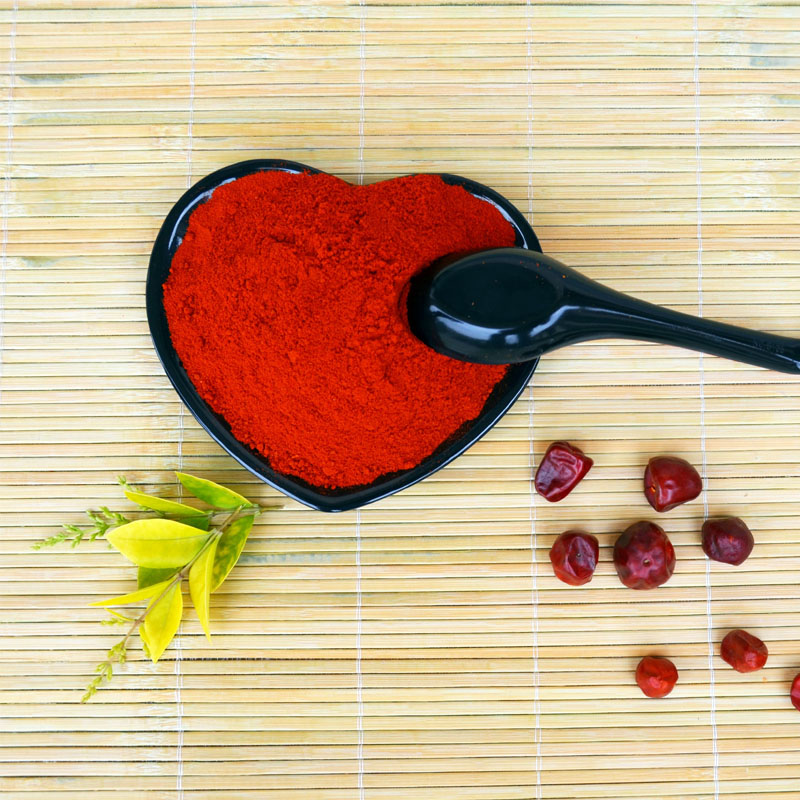
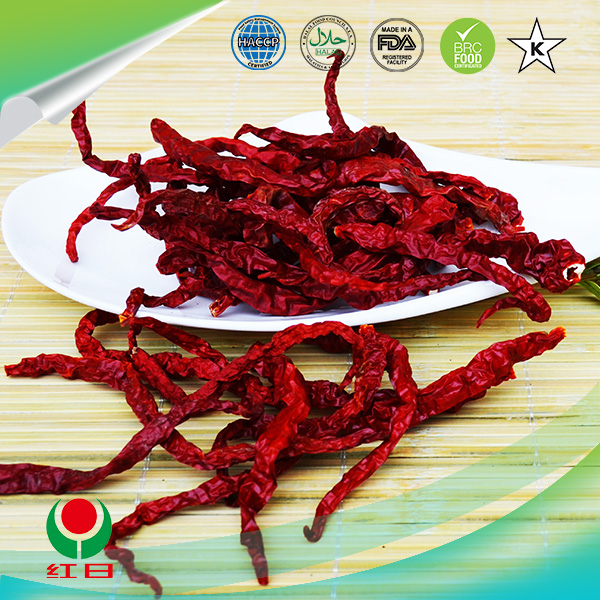
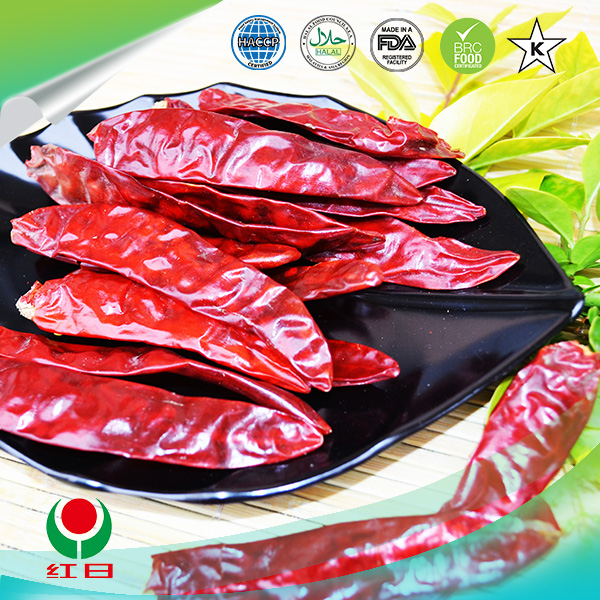
The company's product images highlight the vibrant red color and coarse texture of crushed peppers, while also showcasing their application in various culinary contexts.
Conclusion
Crushed red chili pepper is more than a seasoning—it's a cultural and nutritional cornerstone in global cuisine. Xingtai Hongri Biotech's commitment to quality, safety, and innovation ensures that their products meet the demands of modern food systems. Whether used in home kitchens or industrial food production, this spice continues to enrich dishes with its unique heat and flavor profile.
References
National Institute of Standards and Technology (NIST) – Research on capsaicin's physiological effects and heat measurement standards.
-
Guide to Sourcing and Using Premium Dried Spicy PeppersNewsApr.16,2026
-
Dried Spur Chili Guide to Premium Flavor and Industrial QualityNewsApr.09,2026
-
Exploring the World of Dried Whole Chili Peppers and Their Culinary UsesNewsApr.07,2026
-
Exploring the Culinary World of Dried Whole Chillies and Their Versatile UsesNewsApr.04,2026
-
Exploring the World of Red Dried Chiles and Their Culinary UsesNewsMar.31,2026
-
Exploring the Culinary World of Red Dried Chili Peppers and Their Versatile UsesNewsMar.28,2026
 Afrikaans
 Albanian
 Amharic
 Arabic
 Armenian
 Azerbaijani
 Basque
 Belarusian
 Bengali
 Bosnian
 Bulgarian
 Catalan
 Cebuano
 Corsican
 Croatian
 Czech
Czech
 Danish
 Dutch
Dutch
 Esperanto
 Estonian
 Finnish
 French
 Frisian
 Galician
 Georgian
 German
 Greek
Greek
 Gujarati
 Haitian Creole
 Hausa
Hausa
 Hawaiian
 Hebrew
 Hindi
Hindi
 Miao
Miao
 Hungarian
 Icelandic
 Igbo
Igbo
 Indonesian
 Irish
Irish
 Italian
 Japanese
 Javanese
 Kannada
 Kazakh
 Khmer
Khmer
 Rwandese
 Korean
 Kurdish
 Kyrgyz
 Lao
Lao
 Latin
Latin
 Latvian
 Lithuanian
 Luxembourgish
 Macedonian
 Malgashi
 Malay
Malay
 Malayalam
 Maltese
 Maori
Maori
 Marathi
 Mongolian
 Myanmar
 Nepali
 Norwegian
 Norwegian
 Occitan
 Pashto
 Persian
 Polish
 Portuguese
 Punjabi
 Romanian
 Russian
 Samoan
 Scottish Gaelic
 Serbian
 Sesotho
 Shona
Shona
 Sindhi
 Sinhala
 Slovak
 Slovenian
 Somali
 Spanish
 Sundanese
 Swahili
 Swedish
 Tagalog
 Tajik
Tajik
 Tamil
Tamil
 Tatar
Tatar
 Telugu
 Thai
Thai
 Turkish
 Turkmen
 Ukrainian
 Urdu
Urdu
 Uighur
 Uzbek
Uzbek
 Vietnamese
 Welsh
Welsh
 Bantu
Bantu
 Yiddish
 Yoruba
 Zulu
Zulu
 English