- No. 268 Xianghe Street, Economic Development Zone of Xingtai city, Hebei 054001 China
- Byron@hbhongri.cn
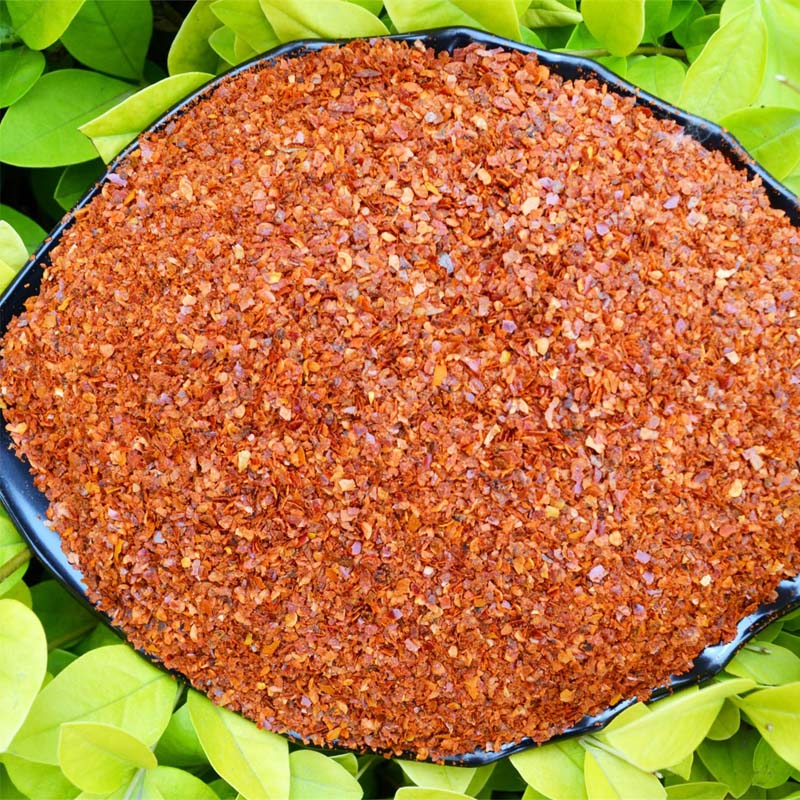
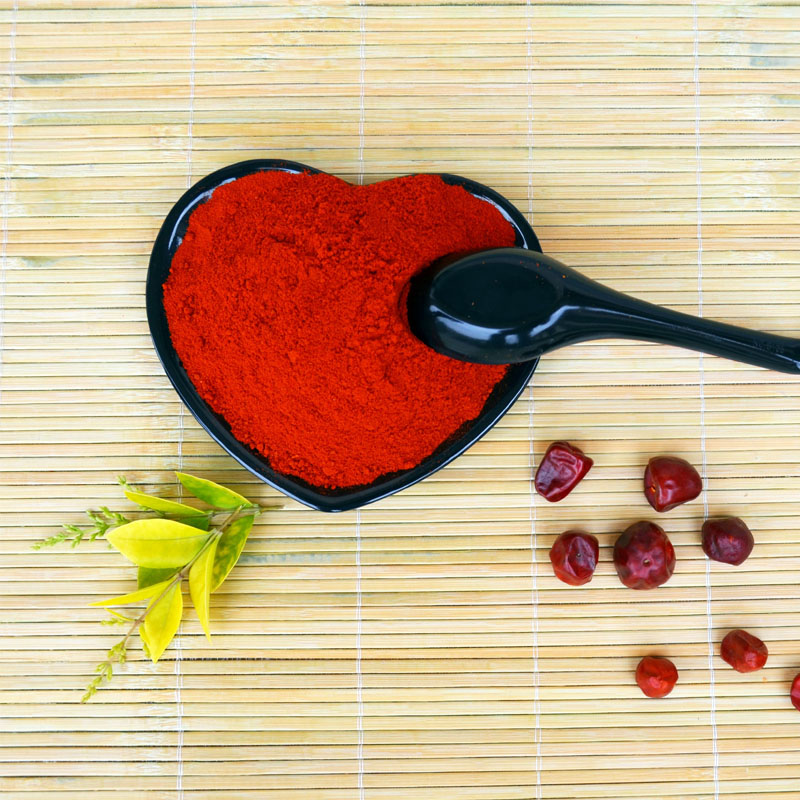
Crushed Red Pepper Benefits | Quality & Uses in Industry and Health
The Surprising Benefits of Crushed Red Pepper in Industry and Beyond
Having spent years in the industrial equipment sector, I never quite thought a seemingly humble spice like crushed red pepper could catch my attention, let alone earn a spot on my favorite product list. Oddly enough, this fiery ingredient isn’t just a kitchen staple — it has benefits that ripple into health, culinary arts, and even certain niche industrial uses. Frankly, the more I learned, the more I appreciated the depth behind what seems like a simple crushed dried chili.
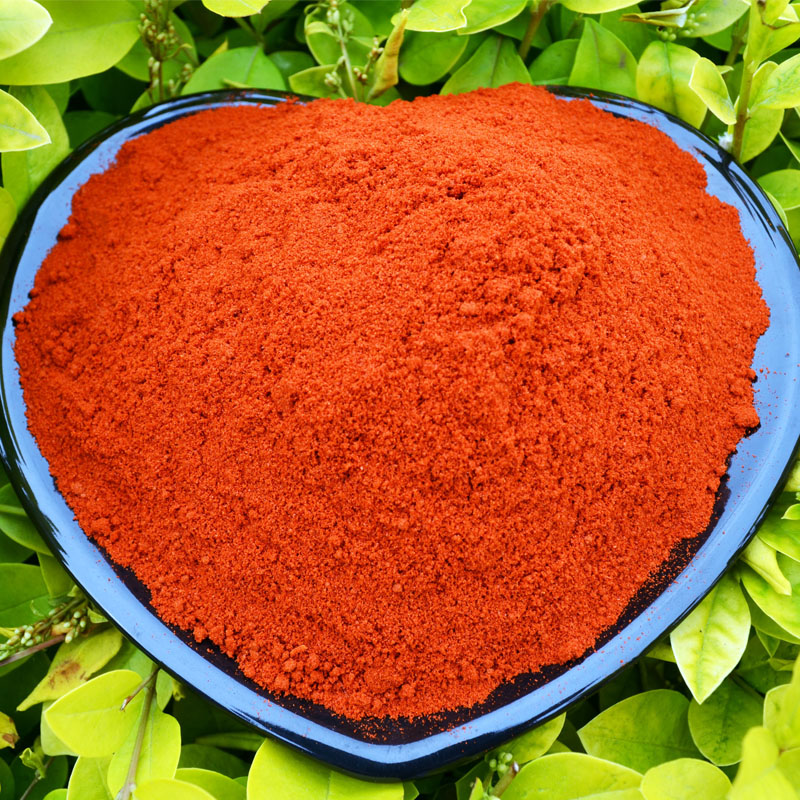
Now, I’m no nutritionist, but crushed red pepper is a powerhouse, packed with capsaicin and antioxidants that lend it exciting properties. From boosting metabolism to enhancing pain management creams, its uses surprise many folks who only know it as a flavor kick. Plus, in food manufacturing lines, its consistent particle size and purity are vital for quality control.
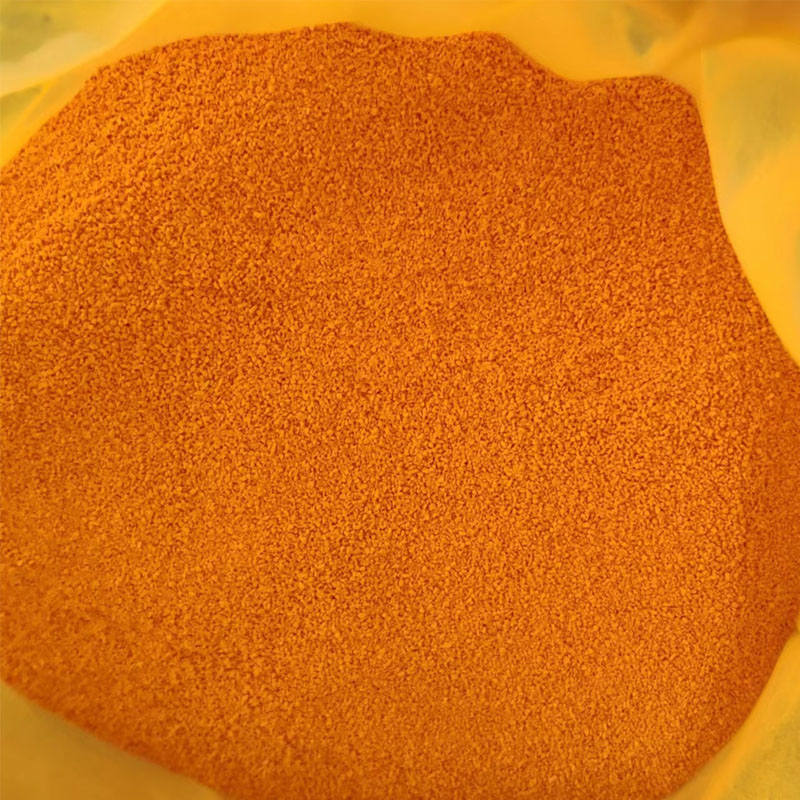
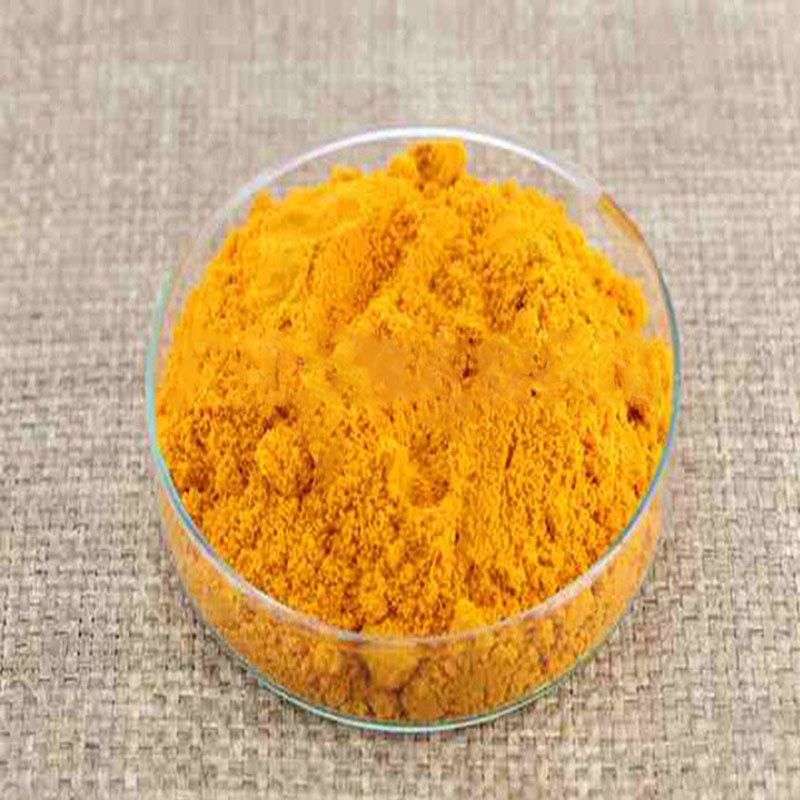
Speaking of particle size, here’s a quick rundown of typical specifications I’ve seen in reliable crushed red pepper products — something I’m always curious about when vetting suppliers or refining production:
| Specification | Typical Range |
|---|---|
| Capsaicin Content | 0.5% - 1.5% |
| Particle Size | 1.5 - 2.5 mm |
| Moisture Content | 8% max |
| Color (ASTA Value) | >50 |
| Foreign Matter | <0.1% |
In real terms, controlling these specs influences not only how the spice behaves during packaging and transport but also its consistency on the end-user’s plate. I recall a client in the food processing industry who switched suppliers due to inconsistent particle size — it was throwing off blending operations. The right crushed red pepper means fewer headaches in quality control, and that’s something any industrial manager can appreciate.
When you start looking into different suppliers, you find quite a range in quality, cost, and service. Below, I’ve put together a quick vendor comparison for crushed red pepper products based on my industry experience, focusing on key factors like price, quality certifications, and shipping reliability. Not exhaustive, but a handy snapshot:
| Vendor | Price per kg | Quality Certifications | Shipping Time | Customer Support |
|---|---|---|---|---|
| Hongri Spice | $6.50 | ISO 22000, HACCP | 7-10 days | Responsive |
| SpicePro Inc. | $7.20 | FDA Registered | 10-14 days | Average |
| RedChili Co. | $5.95 | GMP Certified | 12-15 days | Slow |
Now, something many people don’t realize is that crushed red pepper’s benefits extend beyond taste and industrial utility. Many small-batch manufacturers rely on its consistent heat level from suppliers like Hongri Spice to maintain recipe integrity. I spoke with a local hot sauce maker once, who swore by this spice’s distinct brightness and heat profile — a real “secret weapon” in their formulation. It’s probably why you’ll see it in everything from sauces to meat rubs and even health tinctures.
On the health front, the capsaicin in crushed red pepper has been noted repeatedly for boosting metabolism modestly and offering anti-inflammatory effects. I suppose food scientists get excited about its role in both conventional and alternative medicine. Of course, always best to check with professionals before making any health claims yourself — but it’s this versatility that keeps crushed red pepper interesting no matter your field.
Finally, and a bit surprisingly, there are niche industrial applications where the granularity and heat of crushed red pepper can act as a component in bio-pesticides or even cleaning formulations. These markets aren’t huge, but it's fascinating how diverse the applications stretch.
To sum it up, crushed red pepper isn’t just about spice – it’s about consistent quality, flexibility, and proven benefits you can count on. And after working around all sorts of industrial ingredients and formulations, I can say that’s something worth noticing.
Just my two cents from the field — sometimes the smallest details make the biggest difference.
References:
- International Journal of Food Science and Nutrition on Capsaicin Benefits, 2021.
- Supplier Quality Audits, Spice Industry Whitepapers, 2022.
- Industrial Applications of Capsicum Extracts, Journal of Bioformulations, 2023.
-
Guide to Sourcing and Using Premium Dried Spicy PeppersNewsApr.16,2026
-
Dried Spur Chili Guide to Premium Flavor and Industrial QualityNewsApr.09,2026
-
Exploring the World of Dried Whole Chili Peppers and Their Culinary UsesNewsApr.07,2026
-
Exploring the Culinary World of Dried Whole Chillies and Their Versatile UsesNewsApr.04,2026
-
Exploring the World of Red Dried Chiles and Their Culinary UsesNewsMar.31,2026
-
Exploring the Culinary World of Red Dried Chili Peppers and Their Versatile UsesNewsMar.28,2026
 Afrikaans
 Albanian
 Amharic
 Arabic
 Armenian
 Azerbaijani
 Basque
 Belarusian
 Bengali
 Bosnian
 Bulgarian
 Catalan
 Cebuano
 Corsican
 Croatian
 Czech
Czech
 Danish
 Dutch
Dutch
 Esperanto
 Estonian
 Finnish
 French
 Frisian
 Galician
 Georgian
 German
 Greek
Greek
 Gujarati
 Haitian Creole
 Hausa
Hausa
 Hawaiian
 Hebrew
 Hindi
Hindi
 Miao
Miao
 Hungarian
 Icelandic
 Igbo
Igbo
 Indonesian
 Irish
Irish
 Italian
 Japanese
 Javanese
 Kannada
 Kazakh
 Khmer
Khmer
 Rwandese
 Korean
 Kurdish
 Kyrgyz
 Lao
Lao
 Latin
Latin
 Latvian
 Lithuanian
 Luxembourgish
 Macedonian
 Malgashi
 Malay
Malay
 Malayalam
 Maltese
 Maori
Maori
 Marathi
 Mongolian
 Myanmar
 Nepali
 Norwegian
 Norwegian
 Occitan
 Pashto
 Persian
 Polish
 Portuguese
 Punjabi
 Romanian
 Russian
 Samoan
 Scottish Gaelic
 Serbian
 Sesotho
 Shona
Shona
 Sindhi
 Sinhala
 Slovak
 Slovenian
 Somali
 Spanish
 Sundanese
 Swahili
 Swedish
 Tagalog
 Tajik
Tajik
 Tamil
Tamil
 Tatar
Tatar
 Telugu
 Thai
Thai
 Turkish
 Turkmen
 Ukrainian
 Urdu
Urdu
 Uighur
 Uzbek
Uzbek
 Vietnamese
 Welsh
Welsh
 Bantu
Bantu
 Yiddish
 Yoruba
 Zulu
Zulu
 English