- No. 268 Xianghe Street, Economic Development Zone of Xingtai city, Hebei 054001 China
- Byron@hbhongri.cn
Crushed Red Pepper for Pizza: Global Uses, Benefits, and Future Trends
Why Crushed Red Pepper for Pizza Is a Global Kitchen Staple
Crushed red pepper for pizza — a simple spice that packs a punch — might seem like a niche ingredient, but it’s actually a global culinary icon. Its role goes way beyond just adding heat; it enhances flavor, supports food traditions, and even ties into health and trade dynamics worldwide. Understanding this fiery condiment gives us insight into global food culture, international markets, and how tiny ingredients shape huge gastronomical experiences.
Global Context: A Spicy Phenomenon
Across continents, from North America to Asia and Europe, crushed red pepper is a beloved addition to pizza—a dish originating in Italy that’s now enjoyed universally. According to reports from the Food and Agriculture Organization (FAO), global chili pepper production has been steadily increasing, reflecting rising demand for spices that deliver heat and flavor in one bite.
Oddly enough, the popularity of crushed red pepper on pizza addresses challenges such as taste standardization in diverse markets and meets consumer demand for authentic, customizable flavor profiles. It also supports vibrant spice economies in countries like India, China, and Mexico, ensuring quality crops reach kitchens worldwide.
What Is Crushed Red Pepper for Pizza?
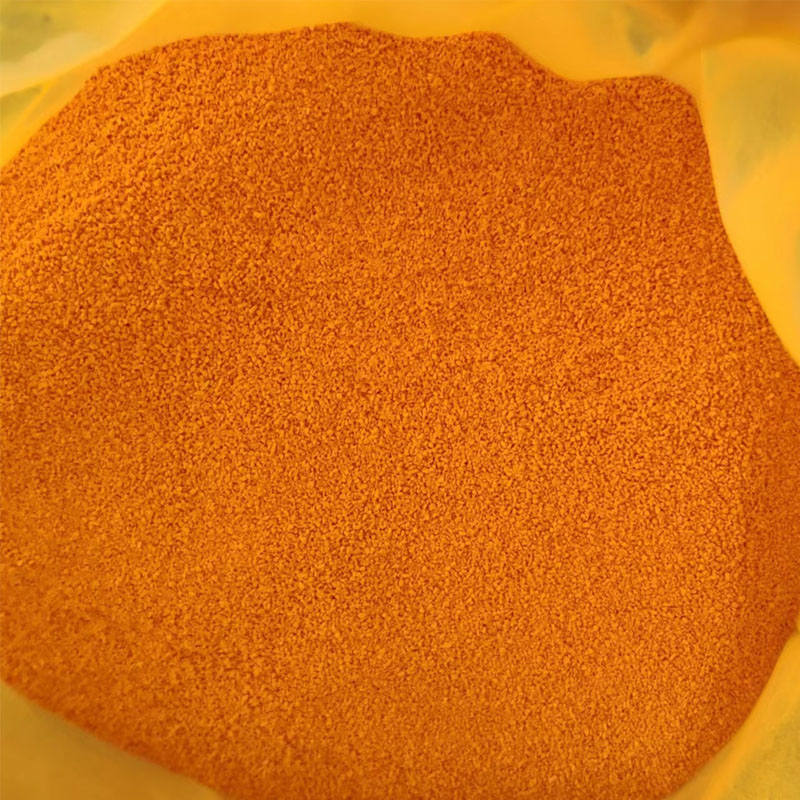
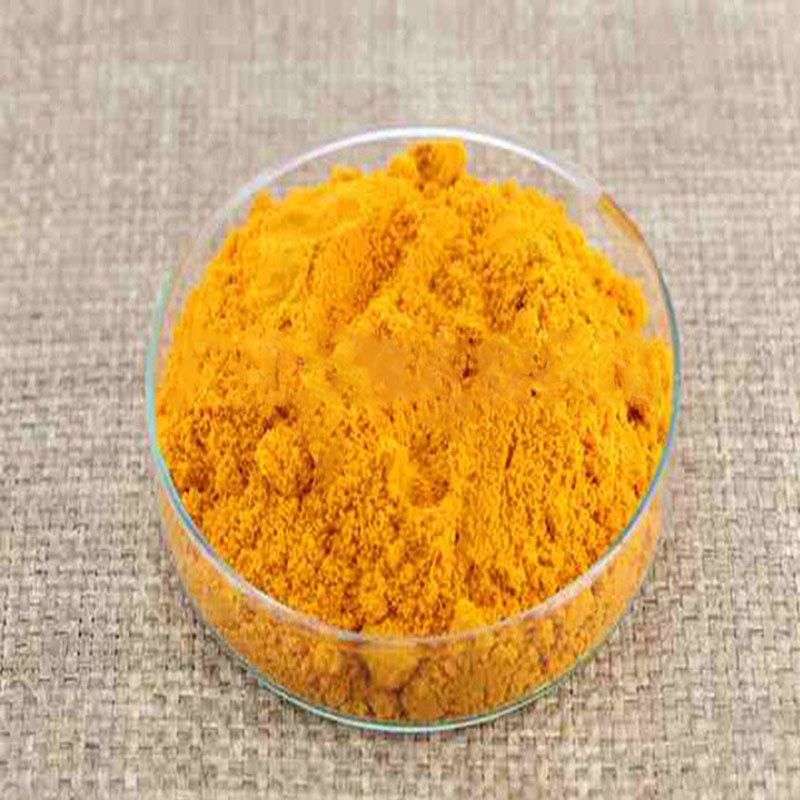
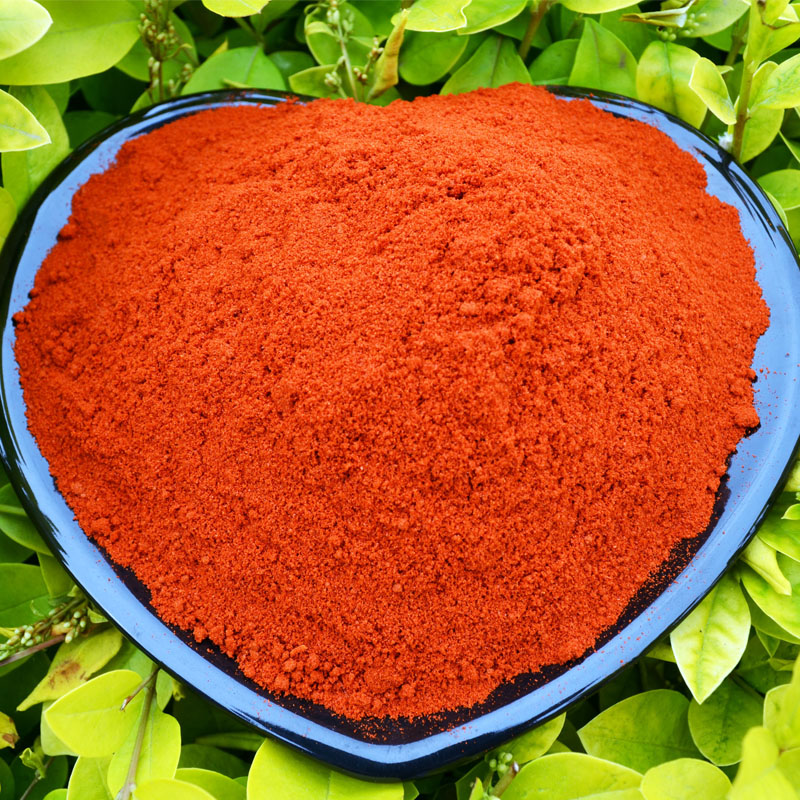
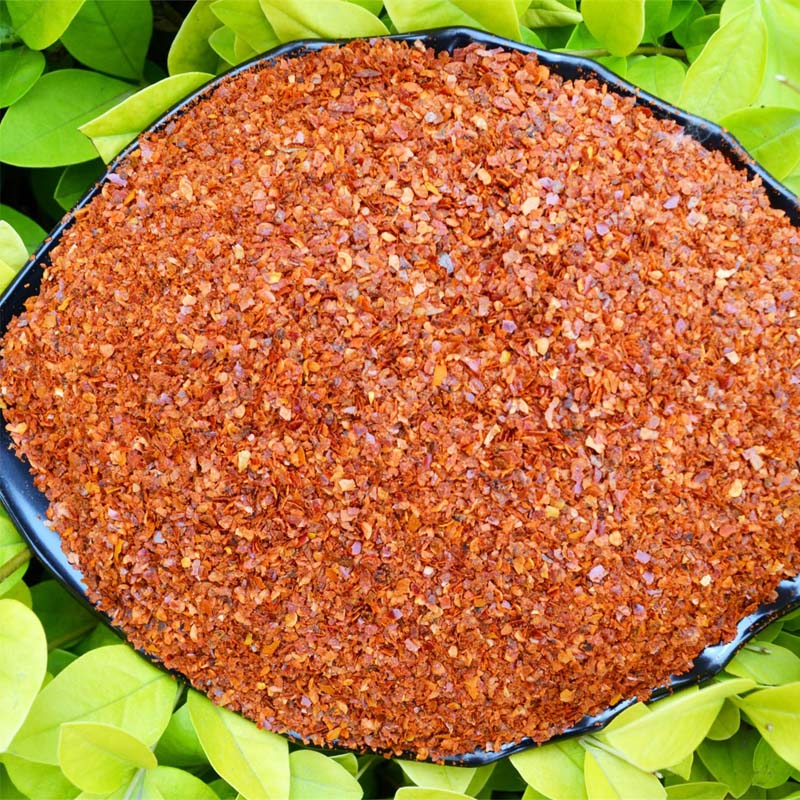
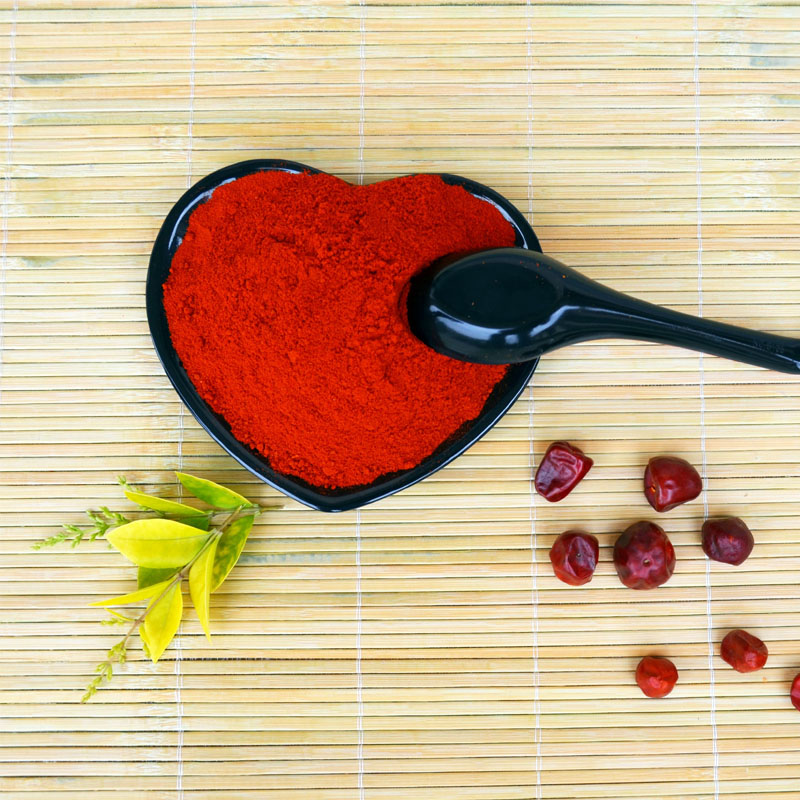
At its core, crushed red pepper is made by drying and breaking red chili peppers into flakes. These flakes usually contain seeds, which add extra heat. It’s specifically favored on pizza because it can be sprinkled easily, distributing spice evenly over cheese and dough. Essentially, it’s an accessible way to elevate a meal, giving lovers just enough zing without overpowering other flavors.
Key Attributes of Crushed Red Pepper
1. Heat Level (Scoville Units)
The spiciness can vary, but for pizza, moderately hot varieties are preferred—typically between 30,000 and 50,000 Scoville Heat Units (SHU). This balance helps heat align smoothly with cheese and sauce.
2. Flavor Complexity
Besides heat, crushed red pepper imparts fruity, smoky undertones, derived from the types of peppers used and drying methods.
3. Shelf Life and Storage
Properly dried and stored away from moisture, crushed red pepper lasts up to two years, maintaining potency and aroma—crucial for restaurants and home kitchens alike.
4. Sourcing and Purity
High-quality red pepper flakes come from trusted farms practicing sustainable agriculture. Purity ensures no fillers or contaminants, which is especially important for consistent flavor and health safety.
Product Specifications
| Feature | Details |
|---|---|
| Heat Level (SHU) | 30,000 - 50,000 |
| Flake Size | Medium (2-5 mm) |
| Shelf Life | Up to 24 months |
| Packaging Options | Glass jars, resealable pouches |
| Origin | India, Mexico, Turkey |
Global Applications & Real-world Use Cases
Crushed red pepper finds its way into homes and eateries globally. In the U.S., pizzerias often offer pepper flakes as a table staple. In Italy, artisanal pizzas sometimes use bespoke blends of crushed peppers to enhance regional authenticity. Even in emerging markets, pepper flakes are used to introduce subtle heat to fast food chains adapting to local tastes.
Moreover, food aid organizations sometimes include dried spices, including crushed red pepper, in relief packages. While it may seem frivolous, adding familiar spices can improve morale and maintain cultural food identities amid displacement.
Vendor Comparison: Crushed Red Pepper Suppliers
| Supplier | Origin | Type | Price per lb | Sustainability |
|---|---|---|---|---|
| RedSpice Co. | India | Organic | $8.50 | Fair Trade Certified |
| SpicyHarvest | Mexico | Non-organic | $6.75 | Moderate |
| FlakeFiesta | Turkey | Organic | $9.25 | Sustainably Harvested |
Advantages and Long-Term Value
Adding crushed red pepper to pizza isn’t just about flavor—it fosters cultural connection, supports agricultural economies, and enhances dining satisfaction. On the cost front, it’s an affordable way for pizzerias and homes to tailor heat levels without extra cooking steps. Plus, spicy food is known to increase metabolism and may offer antioxidant benefits, though I suppose that depends on how often you indulge.
Emotionally, sprinkling pepper flakes onto a hot slice can trigger comfort, warmth, and a sense of adventure. It’s a small act that transforms an everyday meal into a more engaging experience.
Future Trends & Innovations
Looking ahead, innovations in agricultural practices aim to produce more sustainable peppers with consistent heat profiles. Digital traceability using blockchain promises transparency about where and how red pepper flakes are grown. Also, new packaging solutions focus on eco-friendly, resealable containers that lock freshness without plastic waste.
On the culinary frontier, chefs experiment by blending crushed red pepper with complementary spices, creating new heat experiences for pizza enthusiasts globally.
Challenges & Solutions in Using Crushed Red Pepper
Despite its popularity, crushed red pepper faces challenges like inconsistent heat levels from batch to batch and potential contamination if not processed carefully. Some consumers also struggle with digestive sensitivity to capsaicin, the heat compound. To tackle these, suppliers often implement strict quality controls and offer heat-graded products. Meanwhile, educating customers on dosage and pairing can help mitigate overuse.
FAQ: Frequently Asked Questions About Crushed Red Pepper for Pizza
- Q: What makes crushed red pepper ideal for pizza compared to other spices?
A: Its flaky texture and moderate heat allow for easy sprinkling and heat control, complementing cheese and tomato sauce without overpowering. - Q: How long can crushed red pepper be stored without losing flavor?
A: When kept in airtight containers away from light and moisture, it typically retains flavor for up to 24 months. - Q: Is crushed red pepper safe for all dietary restrictions?
A: It’s naturally gluten-free and vegan, but those with chili sensitivity should consume it carefully. - Q: Can restaurants buy bulk crushed red pepper at a consistent quality?
A: Yes, many suppliers specialize in consistent, food-grade pepper flakes tailored for commercial use.
Conclusion: Spice Up Your Slice and Your Understanding
Whether you’re a chef experimenting with toppings or a lover of crushed red pepper for pizza at home, this humble spice holds more than heat — it embodies culture, sustainability, and innovation in the global food web. Don’t just sprinkle it; appreciate it. Next time you reach for the pepper flakes, remember you’re engaging with a product grown and shared worldwide, adding richness far beyond flavor.
For more culinary insights and quality spice options, visit our website at Hongri Spice.
Quick takeaways: Crushed red pepper for pizza delivers balanced heat, cultural value, and sustainable potential, making it a must-have for any pizza lover’s pantry.
References
-
Guide to Sourcing and Using Premium Dried Spicy PeppersNewsApr.16,2026
-
Dried Spur Chili Guide to Premium Flavor and Industrial QualityNewsApr.09,2026
-
Exploring the World of Dried Whole Chili Peppers and Their Culinary UsesNewsApr.07,2026
-
Exploring the Culinary World of Dried Whole Chillies and Their Versatile UsesNewsApr.04,2026
-
Exploring the World of Red Dried Chiles and Their Culinary UsesNewsMar.31,2026
-
Exploring the Culinary World of Red Dried Chili Peppers and Their Versatile UsesNewsMar.28,2026
 Afrikaans
 Albanian
 Amharic
 Arabic
 Armenian
 Azerbaijani
 Basque
 Belarusian
 Bengali
 Bosnian
 Bulgarian
 Catalan
 Cebuano
 Corsican
 Croatian
 Czech
Czech
 Danish
 Dutch
Dutch
 Esperanto
 Estonian
 Finnish
 French
 Frisian
 Galician
 Georgian
 German
 Greek
Greek
 Gujarati
 Haitian Creole
 Hausa
Hausa
 Hawaiian
 Hebrew
 Hindi
Hindi
 Miao
Miao
 Hungarian
 Icelandic
 Igbo
Igbo
 Indonesian
 Irish
Irish
 Italian
 Japanese
 Javanese
 Kannada
 Kazakh
 Khmer
Khmer
 Rwandese
 Korean
 Kurdish
 Kyrgyz
 Lao
Lao
 Latin
Latin
 Latvian
 Lithuanian
 Luxembourgish
 Macedonian
 Malgashi
 Malay
Malay
 Malayalam
 Maltese
 Maori
Maori
 Marathi
 Mongolian
 Myanmar
 Nepali
 Norwegian
 Norwegian
 Occitan
 Pashto
 Persian
 Polish
 Portuguese
 Punjabi
 Romanian
 Russian
 Samoan
 Scottish Gaelic
 Serbian
 Sesotho
 Shona
Shona
 Sindhi
 Sinhala
 Slovak
 Slovenian
 Somali
 Spanish
 Sundanese
 Swahili
 Swedish
 Tagalog
 Tajik
Tajik
 Tamil
Tamil
 Tatar
Tatar
 Telugu
 Thai
Thai
 Turkish
 Turkmen
 Ukrainian
 Urdu
Urdu
 Uighur
 Uzbek
Uzbek
 Vietnamese
 Welsh
Welsh
 Bantu
Bantu
 Yiddish
 Yoruba
 Zulu
Zulu
 English