- No. 268 Xianghe Street, Economic Development Zone of Xingtai city, Hebei 054001 China
- Byron@hbhongri.cn
Crushed Red Pepper Price Guide | Industrial Spice Sourcing Insights
Understanding Crushed Red Pepper Price
Having been around the block in the industrial equipment sector for quite some time, I’ve noticed how something as simple as crushed red pepper price can actually be quite a complex topic. At first glance, it seems straightforward: you want crushed red pepper, you get quoted a price. Yet, when you start unpacking the factors behind that number, it feels like you’re peeling back layers of a surprisingly nuanced onion.
Oddly enough, the price of crushed red pepper isn’t just about cost inflation or supply chain hiccups. There’s a bit of an art and a science to it because the quality and consistency matter a lot — especially for industrial users who demand batch uniformity and precise spiciness levels. Not just any batch will do, frankly. I've seen some factories reject entire shipments because the heat level or color wasn’t right, which inevitably impacts pricing.
In real terms, the source of the chili, the drying and crushing process, and even the storage methods impact the final cost. For example, premium varieties that come from specific regions (think India’s Guntur or Turkey’s Malatya) carry higher prices but bring richer flavor profiles and more consistent heat outputs.
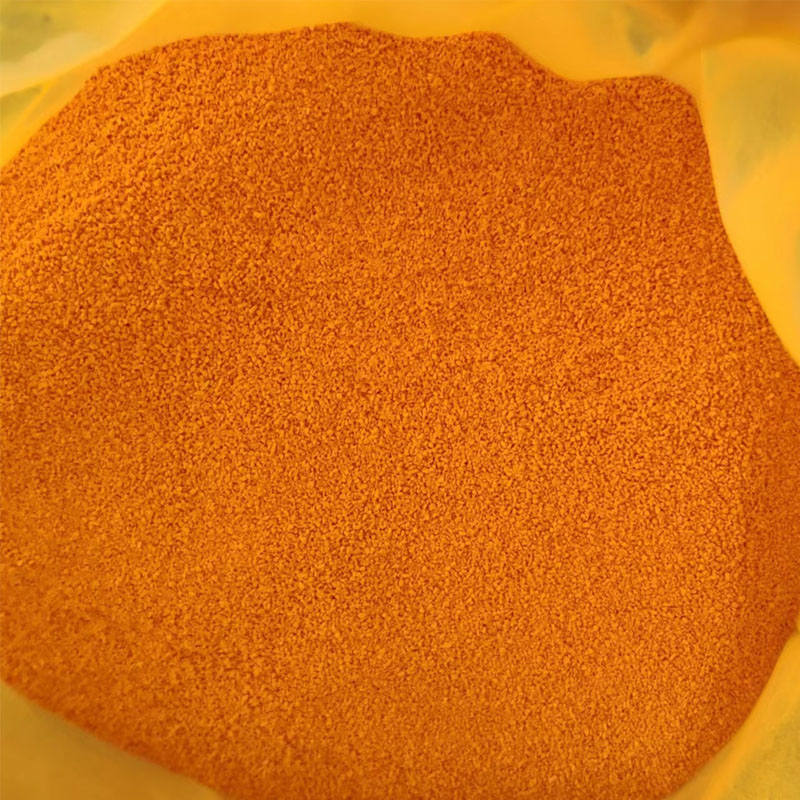
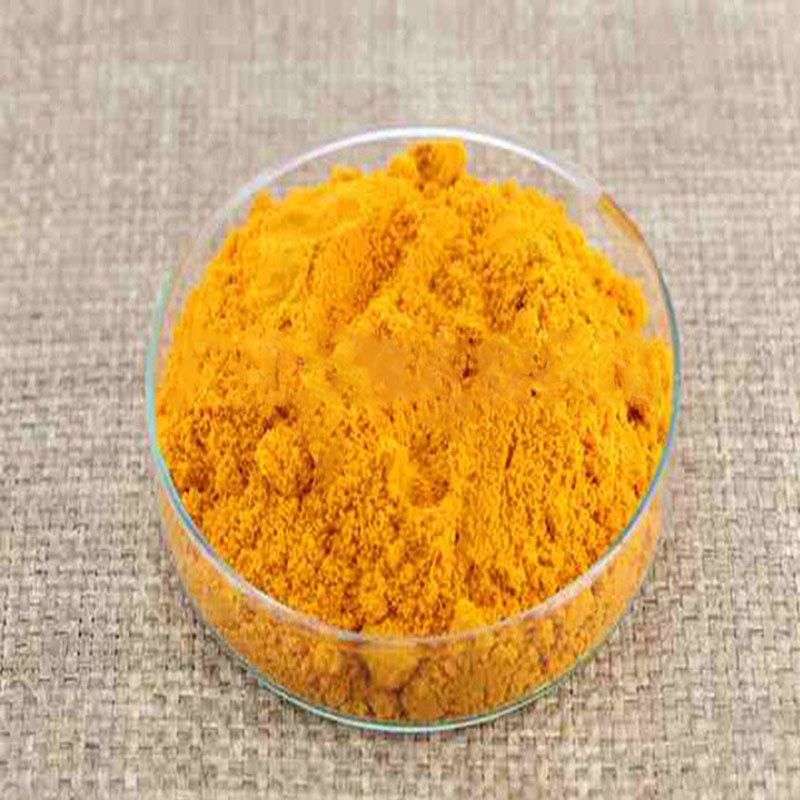
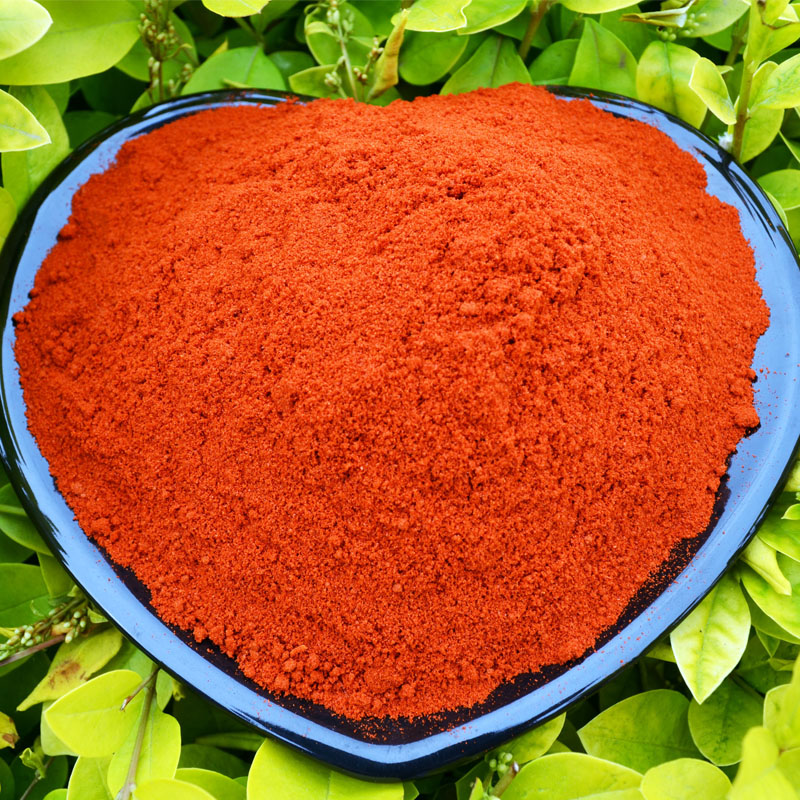
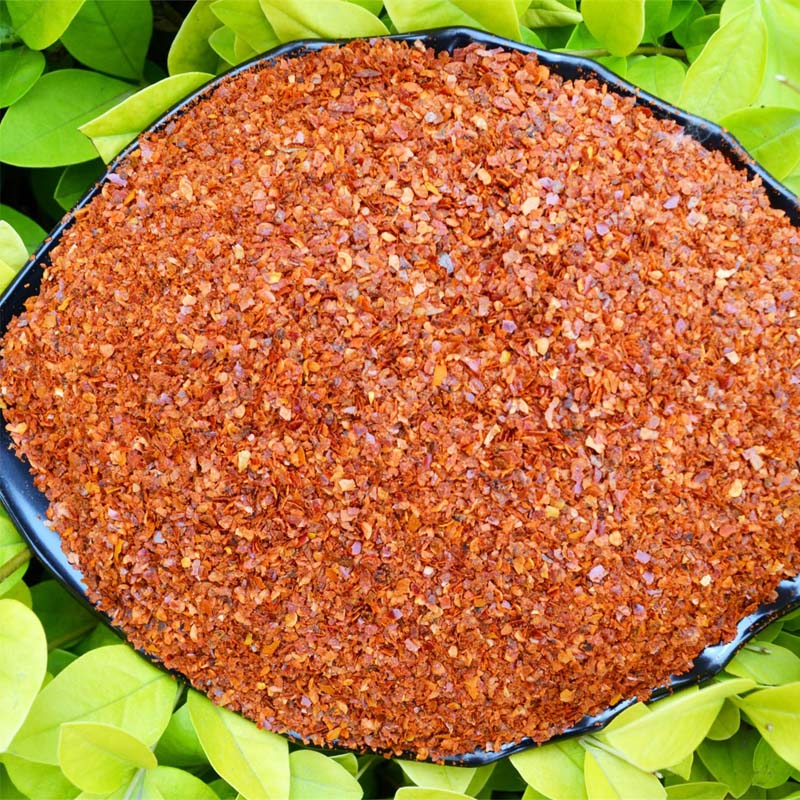
Speaking of specs, here’s a quick snapshot of a typical premium crushed red pepper product you might encounter from a reliable vendor like Hongri Spice:
| Specification | Details |
|---|---|
| Variety | Sun-Dried Guntur |
| Heat Level (SHU) | 30,000 - 50,000 Scoville Units |
| Moisture Content | max 12% |
| Packaging | 25kg Kraft Bags with Food Grade Liner |
| Shelf Life | 12 months (in cool, dry storage) |
What really differentiates vendors goes beyond specs and moves into service, reliability, and pricing consistency. Here’s a quick side-by-side look at a few suppliers I’ve come across through the years. Their pricing fluctuates, as do their delivery times and quality assurances:
| Vendor | Price per kg (USD) | Minimum Order Quantity | Delivery Time | Quality Certification |
|---|---|---|---|---|
| Hongri Spice | $6.50 | 500 kg | 10-14 days | ISO 22000, HACCP |
| PepperPro Inc. | $6.85 | 300 kg | 7-10 days | BRC, GMP |
| Global Spices Ltd. | $6.20 | 1000 kg | 14-18 days | ISO 9001 |
From my experience, it’s not always the cheapest option that ends up saving you money. The reliability of supply and consistent quality at crushed red pepper price points you towards trusted vendors with proven track records. I still recall a customer of mine who once switched to a low-cost supplier, only to face issues with batch variations that threw their production off schedule—costly mistakes that dwarfed the initial purchase savings.
Frankly, consistency in chili heat and particle size can sometimes be undervalued in price discussions. Yet, it affects downstream processes, seasoning uniformity, and ultimately consumer satisfaction. That said, for anyone sourcing crushed red pepper on an industrial scale, understanding how the price links to these quality markers is key.
Testing is another piece of this puzzle. Many vendors provide lab reports verifying heat levels (in Scoville units), moisture content, and microbiological safety. Without this transparency, you’re often guessing — not ideal when margins are tight.
Finally, don’t overlook the packaging and storage aspects; good packaging extends shelf life and avoids clumping — a minor detail but one that has serious operational impact over time.
So, if you’re trying to gauge crushed red pepper price for your next industrial order, keep in mind these little details. Sometimes paying a bit more upfront can save headaches (and money) down the line.
Overall, it’s a balancing act — kind of like all industrial procurement, isn’t it?
— Tom, with 15+ years in industrial ingredient sourcing
References:
- Industry standards from ISO and HACCP certification bodies
- Hongri Spice product brochures and lab certificates
- Personal client case studies and supply chain experience

-
Guide to Sourcing and Using Premium Dried Spicy PeppersNewsApr.16,2026
-
Dried Spur Chili Guide to Premium Flavor and Industrial QualityNewsApr.09,2026
-
Exploring the World of Dried Whole Chili Peppers and Their Culinary UsesNewsApr.07,2026
-
Exploring the Culinary World of Dried Whole Chillies and Their Versatile UsesNewsApr.04,2026
-
Exploring the World of Red Dried Chiles and Their Culinary UsesNewsMar.31,2026
-
Exploring the Culinary World of Red Dried Chili Peppers and Their Versatile UsesNewsMar.28,2026
 Afrikaans
 Albanian
 Amharic
 Arabic
 Armenian
 Azerbaijani
 Basque
 Belarusian
 Bengali
 Bosnian
 Bulgarian
 Catalan
 Cebuano
 Corsican
 Croatian
 Czech
Czech
 Danish
 Dutch
Dutch
 Esperanto
 Estonian
 Finnish
 French
 Frisian
 Galician
 Georgian
 German
 Greek
Greek
 Gujarati
 Haitian Creole
 Hausa
Hausa
 Hawaiian
 Hebrew
 Hindi
Hindi
 Miao
Miao
 Hungarian
 Icelandic
 Igbo
Igbo
 Indonesian
 Irish
Irish
 Italian
 Japanese
 Javanese
 Kannada
 Kazakh
 Khmer
Khmer
 Rwandese
 Korean
 Kurdish
 Kyrgyz
 Lao
Lao
 Latin
Latin
 Latvian
 Lithuanian
 Luxembourgish
 Macedonian
 Malgashi
 Malay
Malay
 Malayalam
 Maltese
 Maori
Maori
 Marathi
 Mongolian
 Myanmar
 Nepali
 Norwegian
 Norwegian
 Occitan
 Pashto
 Persian
 Polish
 Portuguese
 Punjabi
 Romanian
 Russian
 Samoan
 Scottish Gaelic
 Serbian
 Sesotho
 Shona
Shona
 Sindhi
 Sinhala
 Slovak
 Slovenian
 Somali
 Spanish
 Sundanese
 Swahili
 Swedish
 Tagalog
 Tajik
Tajik
 Tamil
Tamil
 Tatar
Tatar
 Telugu
 Thai
Thai
 Turkish
 Turkmen
 Ukrainian
 Urdu
Urdu
 Uighur
 Uzbek
Uzbek
 Vietnamese
 Welsh
Welsh
 Bantu
Bantu
 Yiddish
 Yoruba
 Zulu
Zulu
 English