- No. 268 Xianghe Street, Economic Development Zone of Xingtai city, Hebei 054001 China
- Byron@hbhongri.cn
Ground Chillies: Global Importance, Quality Factors & Future Trends
Understanding Ground Chillies: A Global Spice Essential
Ground chillies might seem like just another kitchen staple, but they play a fascinating and vital role across the globe—not only as a flavor enhancer in countless cuisines but also as a significant agricultural commodity shaping economies, cultures, and even food security. Today, we’ll dive into why ground chillies matter so much worldwide, the core elements defining their quality and production, and some exciting insights into their applications and trends. If you enjoy spices or are curious about global agribusiness, this will probably spice up your knowledge (pun intended!).
Why Ground Chillies Matter Globally
Chillies, originally from Central and South America, have become a universal ingredient embraced by many cultures, from Indian curries to Mexican salsas and Korean kimchi. According to the Food and Agriculture Organization (FAO), chili pepper cultivation spans over 5 million hectares worldwide, yielding more than 37 million tons annually. Ground chillies—in powdered form—are the most versatile product derived from these fruits, captivating chefs and consumers alike.
Why such widespread interest? Besides the culinary passion, chillies contain capsaicin, which has health benefits like pain relief and metabolism boosting. Furthermore, the economic impact is huge: countries like India, China, and Mexico generate substantial export revenues from dried and ground chillies, bolstering rural livelihoods. However, with climate change creating unpredictable growing conditions, producers face challenges in maintaining quality and supply consistency, making understanding ground chillies a key matter for food security and trade.
What are Ground Chillies?
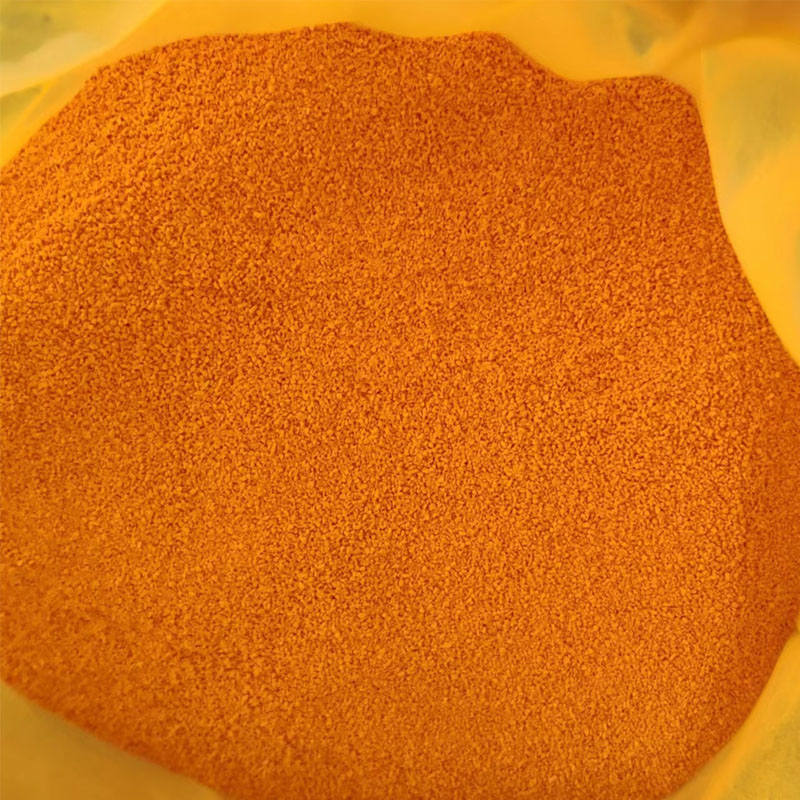
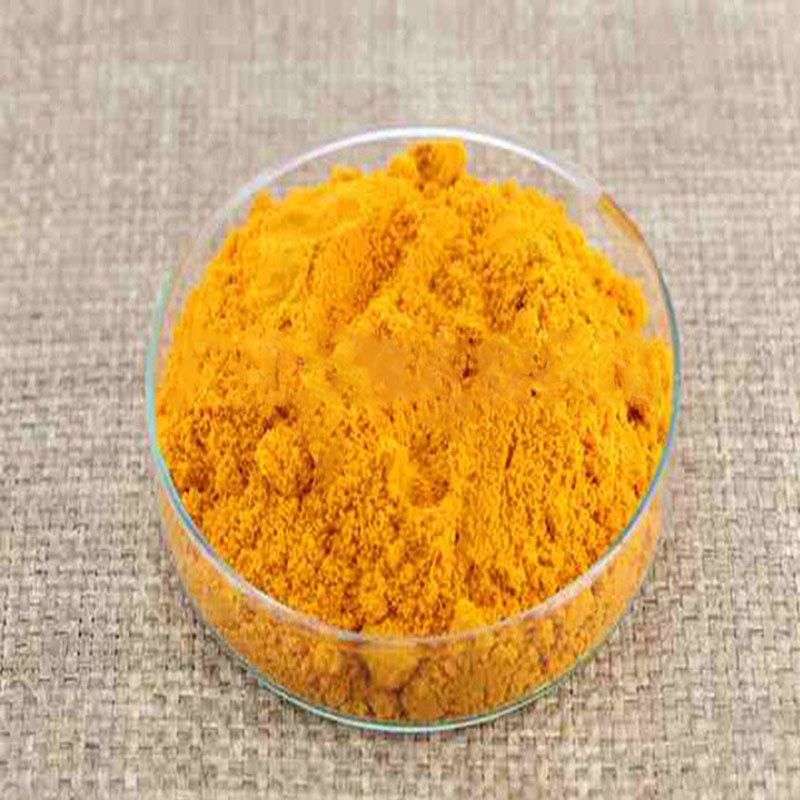
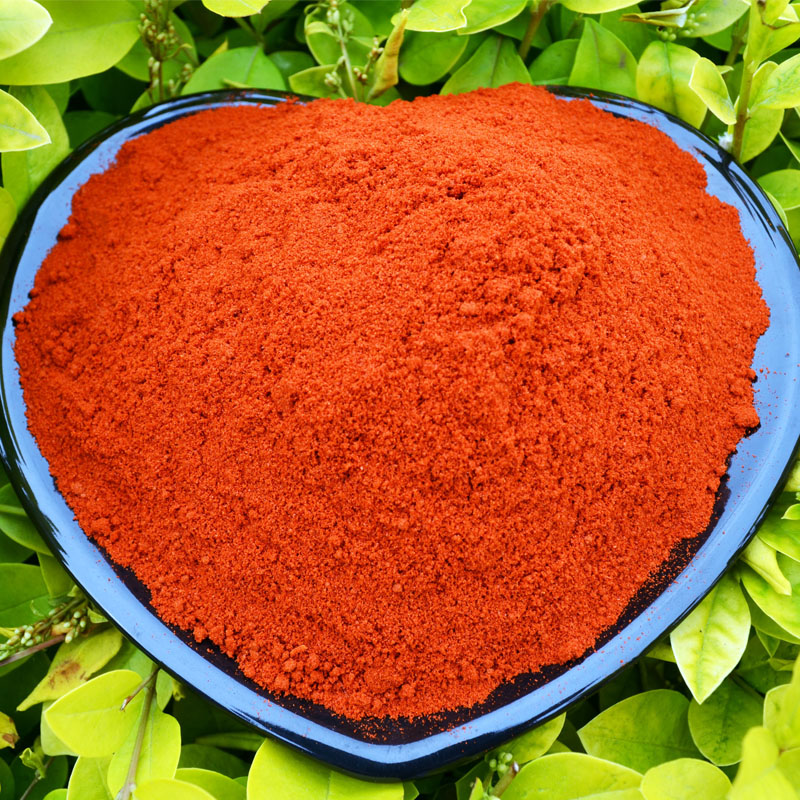
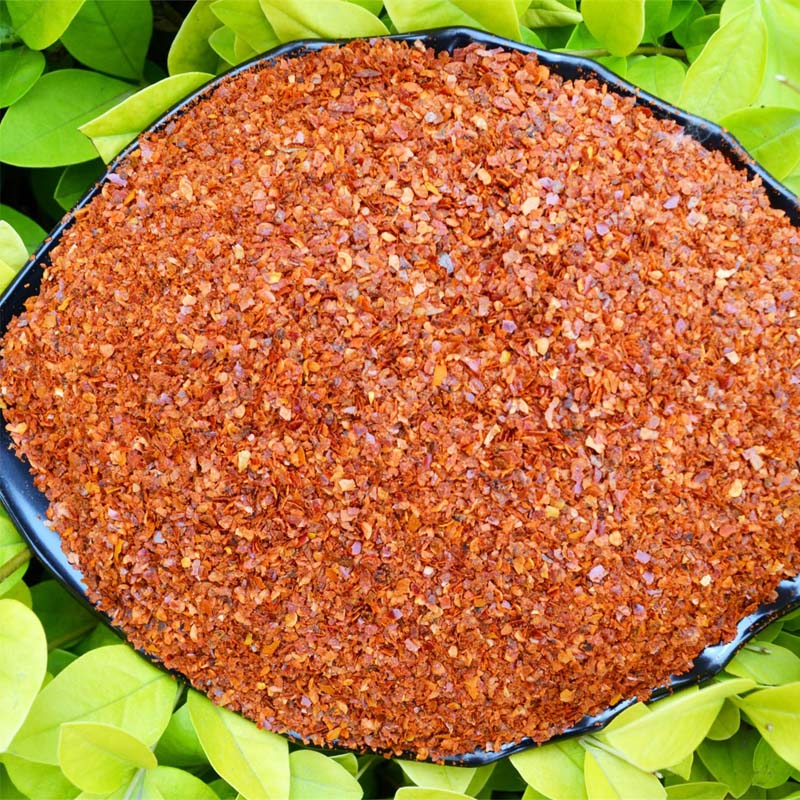
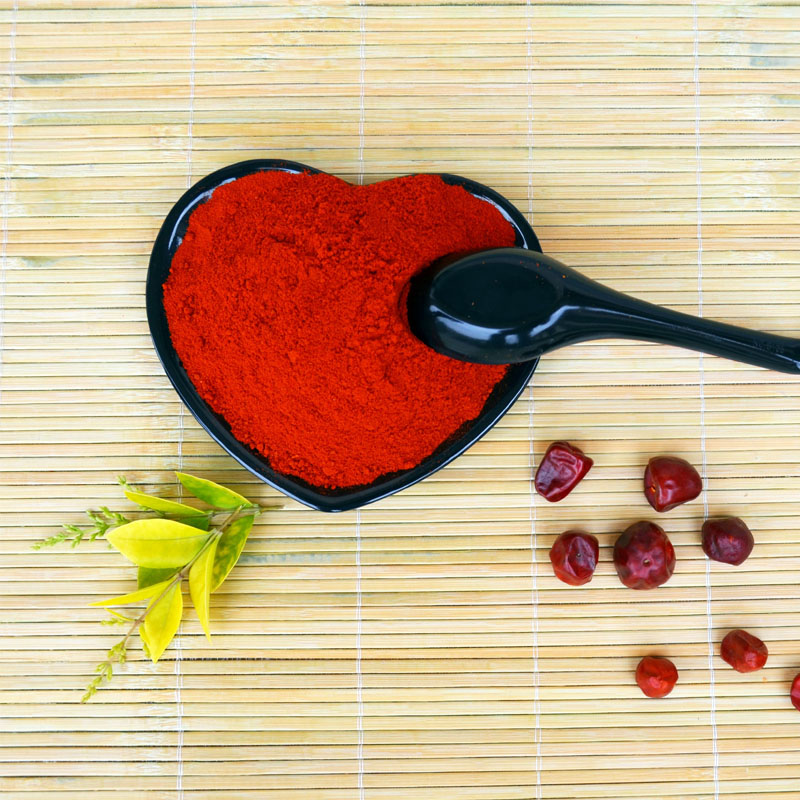
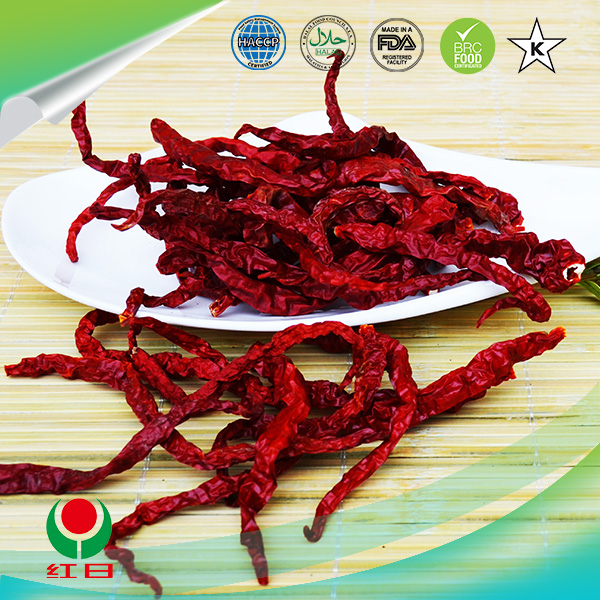
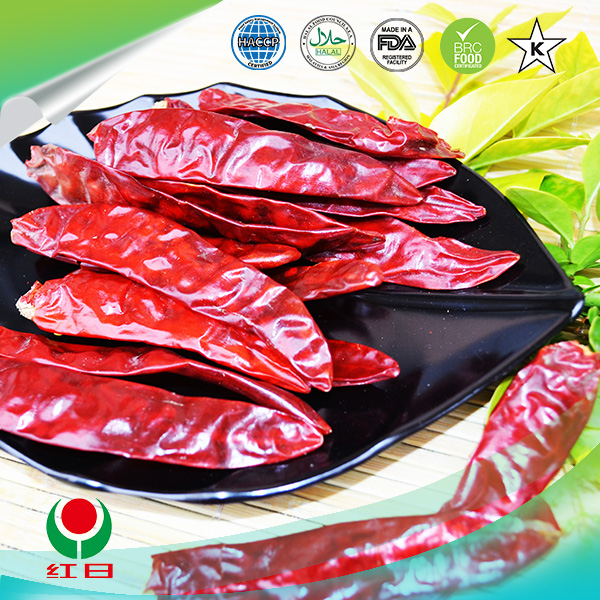
Simply put, ground chillies are dried chilli peppers that have been pulverized into fine powders or flakes. They vary in heat level, color, and aroma depending on the variety and processing method. Beyond kitchens, finely ground chillies are used in food manufacturing, cosmetics, and even pest control products. Their journey from fresh, vibrant fruit to a shelf-stable powder is a delicate one—requiring drying, grinding, and packaging processes that preserve flavor and capsaicin content.
Interestingly, modern agricultural practices and food safety standards ensure ground chillies meet stringent quality criteria. Organizations like the International Organization for Standardization (ISO) provide specifications to regulate spice quality, protecting consumers worldwide.
Core Factors Defining Ground Chillies
1. Heat Intensity (Scoville Scale)
The Scoville Heat Unit (SHU) scale measures the spiciness of chillies. Ground chillies’ heat depends on cultivar and growing conditions and can range from the mild paprika to the fiery ghost pepper. Heat level affects both culinary use and market pricing.
2. Color & Appearance
Bright red ground chillies usually indicate freshness and proper drying. Dull or brownish powders may hint at poor processing or aging. Color is key to consumer appeal.
3. Flavor Profile
Aromatic compounds vary vastly among varieties, contributing smokiness, sweetness, or fruitiness to dishes. The flavor must be carefully preserved during drying and grinding.
4. Purity & Contaminants
Quality ground chillies should be free from adulterants, molds, or bacterial contamination, requiring rigorous quality control.
5. Packaging & Shelf Life
Since chillies oxidize quickly, packaging impacts freshness. Vacuum-sealed or nitrogen-flushed packets extend usability, crucial for export.
Global Applications of Ground Chillies
Ground chillies take center stage in many sectors:
- Food Industry: Used as seasoning, colorants, and preservatives in sauces, snacks, and ready meals worldwide.
- Pharmaceuticals & Cosmetics: Capsaicin extracts from ground chillies are ingredients in pain relief creams and skincare items.
- Agricultural Uses: As natural deterrents against pests in organic farming methods.
- Humanitarian Aid: In post-disaster scenarios, dried ground chillies provide essential calories and flavor to relief foods, improving morale and nutrition.
Regions from India and China dominate production, while Europe and North America are major consumers. Oddly enough, despite chillies’ heat, demand only grows as global tastes embrace spicier foods. For instance, companies in Southeast Asia incorporate local ground chillies in processed meals for export, marrying traditional flavor with modern convenience.
Advantages & Long-Term Value of Ground Chillies
Using ground chillies brings tangible benefits:
- Cost Efficiency: Powdered form reduces transportation weight and storage needs compared to fresh chillies.
- Sustainability: Proper drying limits waste and enhances shelf life, reducing food loss.
- Social Impact: Creating demand supports millions of smallholder farmers and rural economies.
- Innovation & Trust: Advanced processing techniques and certifications ensure consistent quality and safety.
There’s also an emotional element — people connect to food traditions that involve chillies, so distributing reliable ground chili products means supporting cultural heritage and community dignity.
Product Specification Table for Typical Ground Chillies
| Specification | Typical Range | Unit |
|---|---|---|
| Moisture Content | 8 – 12 | % |
| Capsaicin Content | 0.3 – 2.5 | mg/g |
| Color (ASTA value) | 80 – 150 | Units |
| Particle Size | 100 – 250 | Microns |
| Foreign Matter | Less than 2 | % |
Vendor Comparison: Leading Ground Chilli Suppliers
| Vendor | Origin | Capsaicin Range (mg/g) | ASTA Color Value | Price per kg (USD) |
|---|---|---|---|---|
| SpiceCo Ltd. | India | 1.2 – 2.0 | 100 – 140 | 5.50 |
| Global Spices Inc. | Mexico | 0.5 – 1.5 | 90 – 120 | 6.00 |
| RedHarvest Organics | China | 0.8 – 1.8 | 110 – 150 | 5.80 |
Future Trends & Innovations in Ground Chilli Production
Looking forward, there’s quite a bit happening. Climate-smart agriculture practices help farmers adapt to erratic weather, ensuring steady supplies. Biotechnology advances may improve drought resistance and capsaicin yield. On another front, digital transformation enables traceability systems—customers can now scan QR codes to verify origin and quality. Sustainability pushes packaging towards biodegradable materials to reduce environmental impact. Oddly enough, automation helps in grinding and sorting, improving consistency and lowering costs. Overall, the industry blends tradition with cutting-edge tech.
Challenges & Forward Paths
Despite the love for ground chillies, challenges persist. Vulnerability to pests, inconsistent drying leading to mold, and adulteration scandals hurt trust. Some producers lack infrastructure for proper post-harvest handling. Solutions include farmer education, stricter certification protocols, and investment in cold-chain logistics. Governments and NGOs increasingly support these initiatives, which frankly is a relief—for the spice and those who depend on it.
FAQ: Frequently Asked Questions About Ground Chillies
- Q: What determines the heat level in ground chillies?
A: The heat primarily comes from capsaicin content, which depends on the chilli variety, growing conditions, and processing. For example, jalapeños have less capsaicin than habaneros, so ground powders made from them differ in spiciness. - Q: How long do ground chillies stay fresh?
A: Stored properly in airtight containers away from light and moisture, ground chillies retain optimal flavor and heat for about 6 to 12 months. After that, potency fades but they’re usually safe to use. - Q: Are ground chillies safe for people with allergies?
A: Generally, yes, but cross-contamination can occur during processing. People with severe food allergies should check product certifications or buy from trusted suppliers. - Q: Can ground chillies be used for medicinal purposes?
A: Yes, due to capsaicin’s analgesic properties, extracts from ground chillies are used in topical creams to relieve muscle and joint pain. But these should be used cautiously under guidance.
Conclusion
Understanding ground chillies opens a window into a globally cherished spice that carries far more than heat—it carries cultural identity, economic weight, and agricultural challenge. From boosting market incomes to enriching flavors and empowering innovation, ground chillies bring long-term value to consumers and producers. If you’re curious to explore authentic and high-quality ground chillies, visit our website: ground chillies and experience the perfect blend of tradition and modern spice trade.
Oddly enough, the journey of a tiny pepper to your plate tells a much bigger story about global connections, sustainability, and human preference — something quite worth savoring.
Quick takeaway: Quality ground chillies aren't just about spice — they’re about preserving heritage, supporting farmers, and adapting to future food challenges.
References

-
Guide to Sourcing and Using Premium Dried Spicy PeppersNewsApr.16,2026
-
Dried Spur Chili Guide to Premium Flavor and Industrial QualityNewsApr.09,2026
-
Exploring the World of Dried Whole Chili Peppers and Their Culinary UsesNewsApr.07,2026
-
Exploring the Culinary World of Dried Whole Chillies and Their Versatile UsesNewsApr.04,2026
-
Exploring the World of Red Dried Chiles and Their Culinary UsesNewsMar.31,2026
-
Exploring the Culinary World of Red Dried Chili Peppers and Their Versatile UsesNewsMar.28,2026
 Afrikaans
 Albanian
 Amharic
 Arabic
 Armenian
 Azerbaijani
 Basque
 Belarusian
 Bengali
 Bosnian
 Bulgarian
 Catalan
 Cebuano
 Corsican
 Croatian
 Czech
Czech
 Danish
 Dutch
Dutch
 Esperanto
 Estonian
 Finnish
 French
 Frisian
 Galician
 Georgian
 German
 Greek
Greek
 Gujarati
 Haitian Creole
 Hausa
Hausa
 Hawaiian
 Hebrew
 Hindi
Hindi
 Miao
Miao
 Hungarian
 Icelandic
 Igbo
Igbo
 Indonesian
 Irish
Irish
 Italian
 Japanese
 Javanese
 Kannada
 Kazakh
 Khmer
Khmer
 Rwandese
 Korean
 Kurdish
 Kyrgyz
 Lao
Lao
 Latin
Latin
 Latvian
 Lithuanian
 Luxembourgish
 Macedonian
 Malgashi
 Malay
Malay
 Malayalam
 Maltese
 Maori
Maori
 Marathi
 Mongolian
 Myanmar
 Nepali
 Norwegian
 Norwegian
 Occitan
 Pashto
 Persian
 Polish
 Portuguese
 Punjabi
 Romanian
 Russian
 Samoan
 Scottish Gaelic
 Serbian
 Sesotho
 Shona
Shona
 Sindhi
 Sinhala
 Slovak
 Slovenian
 Somali
 Spanish
 Sundanese
 Swahili
 Swedish
 Tagalog
 Tajik
Tajik
 Tamil
Tamil
 Tatar
Tatar
 Telugu
 Thai
Thai
 Turkish
 Turkmen
 Ukrainian
 Urdu
Urdu
 Uighur
 Uzbek
Uzbek
 Vietnamese
 Welsh
Welsh
 Bantu
Bantu
 Yiddish
 Yoruba
 Zulu
Zulu
 English