- No. 268 Xianghe Street, Economic Development Zone of Xingtai city, Hebei 054001 China
- Byron@hbhongri.cn
Ground Red Chilis: Global Insights, Uses, and Future Trends | Hongri Spice
Understanding Ground Red Chilis: A Global Spice with Global Impact
If you’ve ever wondered why ground red chilis are such a staple across kitchens worldwide, you’re not alone. This vibrant spice, packed with flavor and heat, has a surprisingly rich story that touches agriculture, trade, culture, and even industry. Beyond just adding zest to our meals, ground red chilis serve as a crucial commodity globally — influencing economies, traditions, and even health.
Why does this matter? In a world increasingly interconnected, understanding how ground red chilis fit into global supply chains, sustainable agriculture, and culinary trends reveals much about trade dynamics and food security. Plus, for producers and consumers alike, knowing the benefits of quality ground red chilis helps in making better buying and farming decisions — possibly even influencing local economies and livelihoods.
Introduction: The Global Relevance of Ground Red Chilis
Chili peppers, the fruit of plants from the genus Capsicum, have been cultivated for thousands of years across the Americas and later the world. Today, according to the Food and Agriculture Organization (FAO), global production of chili peppers surpasses 40 million tonnes annually, with ground red chili powder being a critical processed form. In terms of trade, nations such as India, China, and Mexico dominate production, while ground red chilis from these regions find their way onto shelves everywhere, from local markets to international grocery chains.
Yet, with changing climate conditions and evolving consumer preferences for authentic, organic, and sustainably sourced spices, challenges persist. Farmers face fluctuating yields, and importers must navigate quality standards and traceability requirements. That’s where a deep understanding of ground red chilis—beyond just the taste—becomes vital for global stakeholders.
Defining Ground Red Chilis
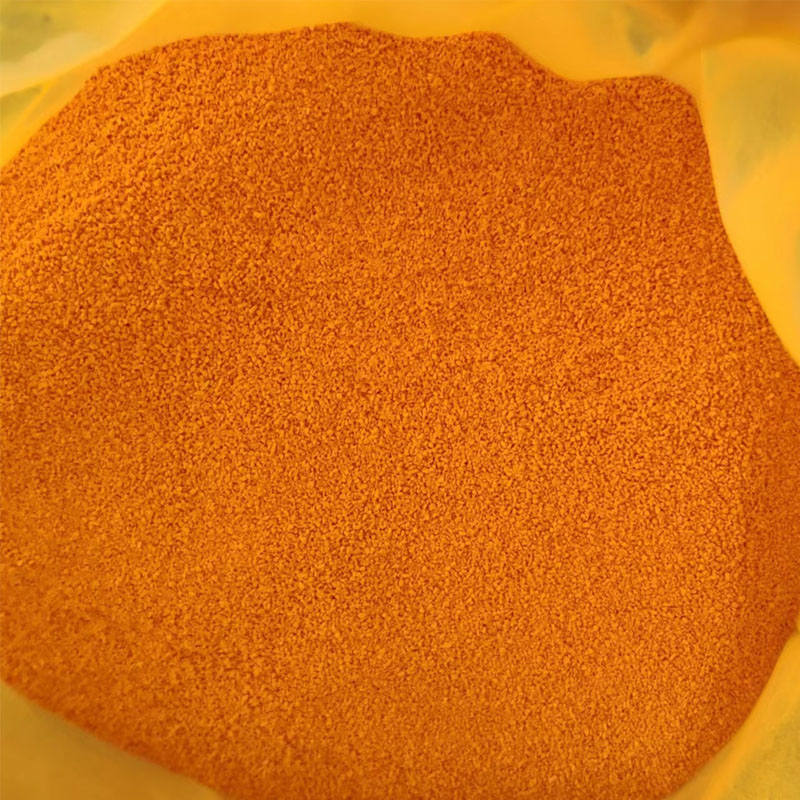
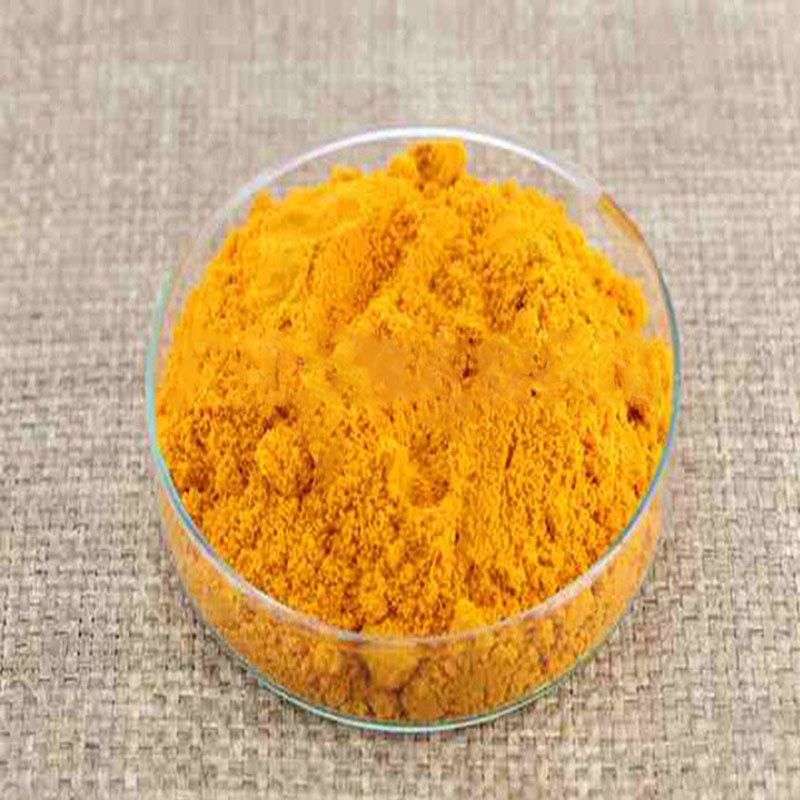
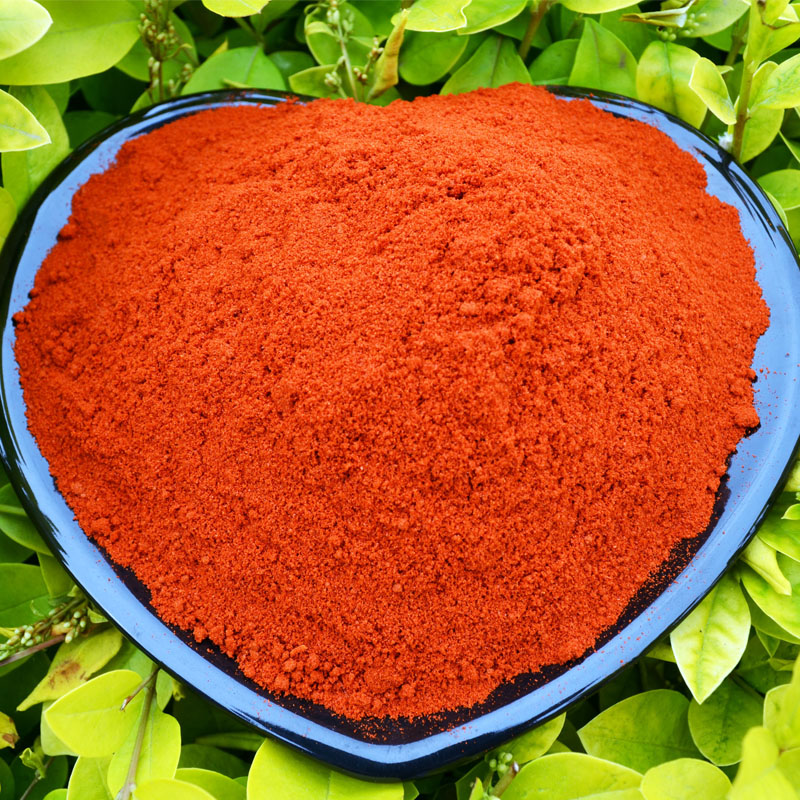
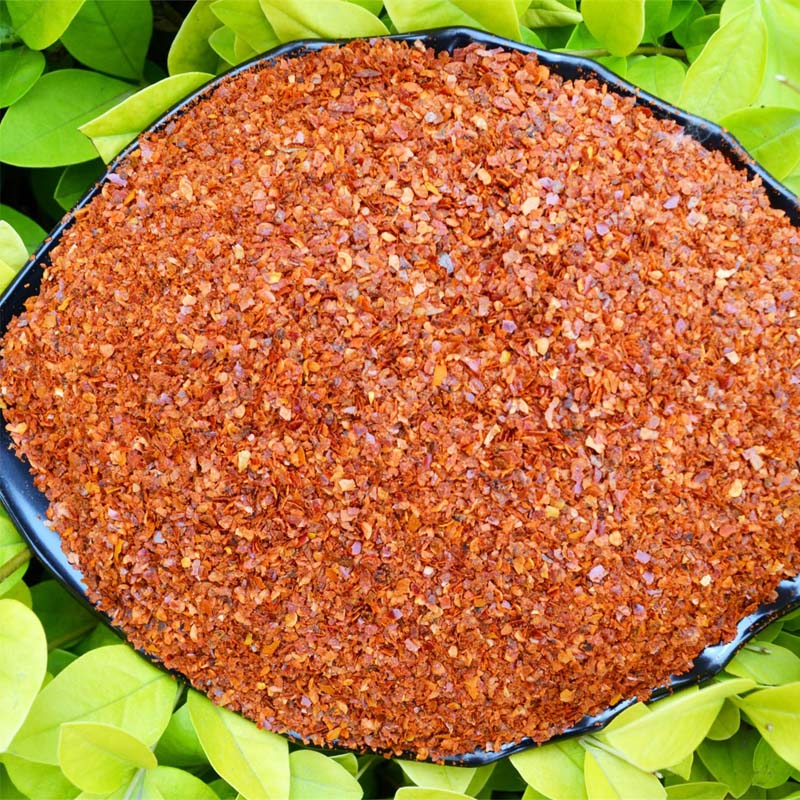
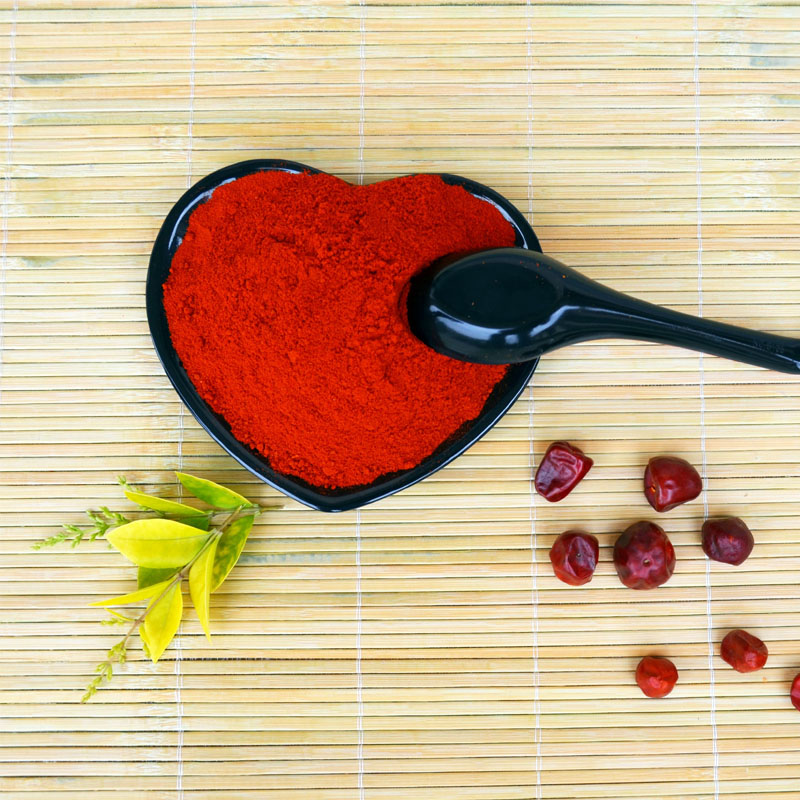
In simple terms, ground red chilis are dried chili peppers ground into a fine powder. Varieties differ—some are mild, others fiercely hot, depending on capsaicin content (the compound responsible for heat). This powder forms the base of countless cuisines but also serves in industries like pharmaceuticals, cosmetics, and even agriculture as natural pest deterrents.
The processing itself matters: drying technique, grinding fineness, and storage all impact flavor retention and shelf life. And, oddly enough, these factors can influence humanitarian needs when it comes to food fortification or emergency food supplies, especially in chili-consuming regions.
Key Factors Influencing Ground Red Chilis
1. Variety and Capsaicin Content
The heat level in ground red chilis ranges widely—from mild paprika-style to intense cayenne or bird’s eye chili powders. Capsaicin concentration affects not only flavor but also shelf life and medicinal properties.
2. Processing and Purity
Good quality ground red chili powder is free of contaminants, uniform in texture, and retains the bright red color that consumers expect. Modern milling techniques help maintain these standards.
3. Sustainable Farming Practices
Farmers adopting organic and eco-friendly methods help reduce chemical residues, promoting healthier products and better environmental outcomes. This aligns with global trends toward sustainability in agriculture.
4. Traceability and Certification
Certifications like ISO 22000 for food safety and organic labels assure buyers about quality and sourcing — increasingly important for international trade and consumer trust.
5. Storage and Packaging
Ground chilis can lose potency through exposure to light, air, or moisture. Proper vacuum packaging and dark, airtight containers extend shelf life remarkably.
| Parameter | Typical Value | Unit |
|---|---|---|
| Capsaicin Content | 0.5 - 2.0 | % w/w |
| Moisture | ≤ 12 | % w/w |
| Red Color Intensity (ASTA) | 70 - 180 | ASTA units |
| Ash Content | ≤ 8 | % w/w |
Global Applications and Use Cases
Ground red chilis aren’t just kitchen staples. In India, these powders boost local economies, with countless smallholder farmers depending on chili cultivation. In Mexico, chili powders power traditional culinary experiences but also feed the spice-export industry.
In industrial terms, chili extracts find their way into natural pesticide formulations, a growing sector aligning with green agriculture. Meanwhile, in humanitarian contexts like post-disaster relief, fortified ground red chili powders help provide crucial micronutrients and enhance food acceptance.
Oddly enough, in cosmetics, chili-derived capsaicin is used in topical creams for pain relief, while research explores its potential in weight management supplements. The versatility of ground red chilis is remarkable.
Vendor Comparison: Popular Ground Red Chili Suppliers
| Vendor | Country | Organic Certification | Annual Supply Capacity | Price Range (per MT) |
|---|---|---|---|---|
| SpiceCo India Ltd. | India | Yes | 10,000 MT | $1,200 - $1,400 |
| Sichuan Spice Traders | China | No | 15,000 MT | $900 - $1,100 |
| MexiSpice Co. | Mexico | Yes | 5,000 MT | $1,300 - $1,500 |
Advantages and Long-Term Value of Ground Red Chilis
- Cost Efficiency: Ground chili powders offer affordable seasoning options compared to fresh peppers, with longer shelf life reducing waste.
- Sustainability: When sourced organically, they support sustainable farming practices and reduce chemical use.
- Health Benefits: Capsaicin has reported antioxidant and metabolism-boosting properties, making ground red chilis valued in nutrition.
- Cultural and Social Impact: Chili cultivation supports rural livelihoods and culinary heritage — a source of pride and tradition.
- Reliability: Standardized grades and certifications build trust through consistent quality, important for consumers and food producers alike.
Future Trends and Innovations
Looking ahead, the industry around ground red chilis is evolving in exciting ways. Digital agriculture — using satellite data and IoT devices — helps farmers monitor crop health more precisely, increasing yields and quality.
Sustainability is a driving force, too. Innovations in organic fertilizers, pest control, and water conservation are reducing environmental footprint. Meanwhile, advances in post-harvest processing, like cold milling and improved packaging, further preserve flavor and nutrients.
Moreover, regulatory bodies push for better traceability via blockchain technology — ensuring supply-chain transparency that builds consumer trust. Oddly enough, even e-commerce now drives direct trade between farmers and consumers, bypassing traditional middlemen.
Challenges & Solutions
Despite the bright prospects, challenges like climate variability threaten crop yields, while market volatility adds uncertainty for producers. Some regions face labor shortages or poor infrastructure that complicate logistics and quality control.
To tackle these, cooperative farming models are emerging, fostering shared resources and knowledge. Investment in cold storage and quality assurance labs also uplifts standards. On the policy front, governments and NGOs advocate for fair trade practices and farmer education.
Frequently Asked Questions About Ground Red Chilis
What is the shelf life of ground red chilis, and how to store them properly?
Ground red chilis typically last 1–2 years if stored in a cool, dry, and dark environment in airtight containers. Exposure to heat, light, and moisture accelerates flavor loss and spoilage. Vacuum-sealing or storing in dark glass jars are recommended for maximum freshness.
Are organically grown ground red chilis worth the extra cost?
Organic ground red chilis tend to have fewer pesticide residues and support sustainable farming practices. While they may be pricier, many consumers value the environmental and health benefits. The trade-off often leads to better flavor and traceability as well.
How do regulatory certifications impact ground red chili imports?
Imports often require compliance with food safety certifications like ISO 22000 or adherence to organic standards. These certifications ensure quality, minimize safety risks, and ease entry into strict markets such as the EU, North America, and Japan.
Can ground red chilis help in nutritional supplementation?
Yes, ground red chilis rich in vitamins A and C, antioxidants, and capsaicin offer nutritional benefits. They can fortify staple foods or emergency rations, enhancing flavor and nutrient intake.
Are there risks associated with consuming too much ground red chili powder?
Excessive consumption can cause digestive discomfort or exacerbate conditions like acid reflux. Moderation is key, and individuals sensitive to spicy foods should limit intake accordingly.
Conclusion
Ground red chilis are far more than just a fiery kitchen staple. They encapsulate a rich tapestry of agriculture, commerce, culture, and innovation, spanning from small farming communities to global supply chains. Understanding their production, benefits, and challenges helps stakeholders make wiser choices — from farm to fork.
For everyone from spice lovers to industry professionals, appreciating ground red chilis means embracing a vibrant part of our global food heritage that’s ripe for sustainable growth and innovation.
Ready to explore premium varieties of ground red chilis? Visit our website and discover top-quality spices that bring both heat and heritage to your table.
In short: Ground red chilis hotly blend flavor, culture, economics, and sustainability — a spice with a story worth savoring.

-
Guide to Sourcing and Using Premium Dried Spicy PeppersNewsApr.16,2026
-
Dried Spur Chili Guide to Premium Flavor and Industrial QualityNewsApr.09,2026
-
Exploring the World of Dried Whole Chili Peppers and Their Culinary UsesNewsApr.07,2026
-
Exploring the Culinary World of Dried Whole Chillies and Their Versatile UsesNewsApr.04,2026
-
Exploring the World of Red Dried Chiles and Their Culinary UsesNewsMar.31,2026
-
Exploring the Culinary World of Red Dried Chili Peppers and Their Versatile UsesNewsMar.28,2026
 Afrikaans
 Albanian
 Amharic
 Arabic
 Armenian
 Azerbaijani
 Basque
 Belarusian
 Bengali
 Bosnian
 Bulgarian
 Catalan
 Cebuano
 Corsican
 Croatian
 Czech
Czech
 Danish
 Dutch
Dutch
 Esperanto
 Estonian
 Finnish
 French
 Frisian
 Galician
 Georgian
 German
 Greek
Greek
 Gujarati
 Haitian Creole
 Hausa
Hausa
 Hawaiian
 Hebrew
 Hindi
Hindi
 Miao
Miao
 Hungarian
 Icelandic
 Igbo
Igbo
 Indonesian
 Irish
Irish
 Italian
 Japanese
 Javanese
 Kannada
 Kazakh
 Khmer
Khmer
 Rwandese
 Korean
 Kurdish
 Kyrgyz
 Lao
Lao
 Latin
Latin
 Latvian
 Lithuanian
 Luxembourgish
 Macedonian
 Malgashi
 Malay
Malay
 Malayalam
 Maltese
 Maori
Maori
 Marathi
 Mongolian
 Myanmar
 Nepali
 Norwegian
 Norwegian
 Occitan
 Pashto
 Persian
 Polish
 Portuguese
 Punjabi
 Romanian
 Russian
 Samoan
 Scottish Gaelic
 Serbian
 Sesotho
 Shona
Shona
 Sindhi
 Sinhala
 Slovak
 Slovenian
 Somali
 Spanish
 Sundanese
 Swahili
 Swedish
 Tagalog
 Tajik
Tajik
 Tamil
Tamil
 Tatar
Tatar
 Telugu
 Thai
Thai
 Turkish
 Turkmen
 Ukrainian
 Urdu
Urdu
 Uighur
 Uzbek
Uzbek
 Vietnamese
 Welsh
Welsh
 Bantu
Bantu
 Yiddish
 Yoruba
 Zulu
Zulu
 English