- No. 268 Xianghe Street, Economic Development Zone of Xingtai city, Hebei 054001 China
- Byron@hbhongri.cn
Industrial Hot Paprika: Quality Specs & Top Suppliers Compared
Why Hot Paprika Has Become a Staple in Industrial Food Production
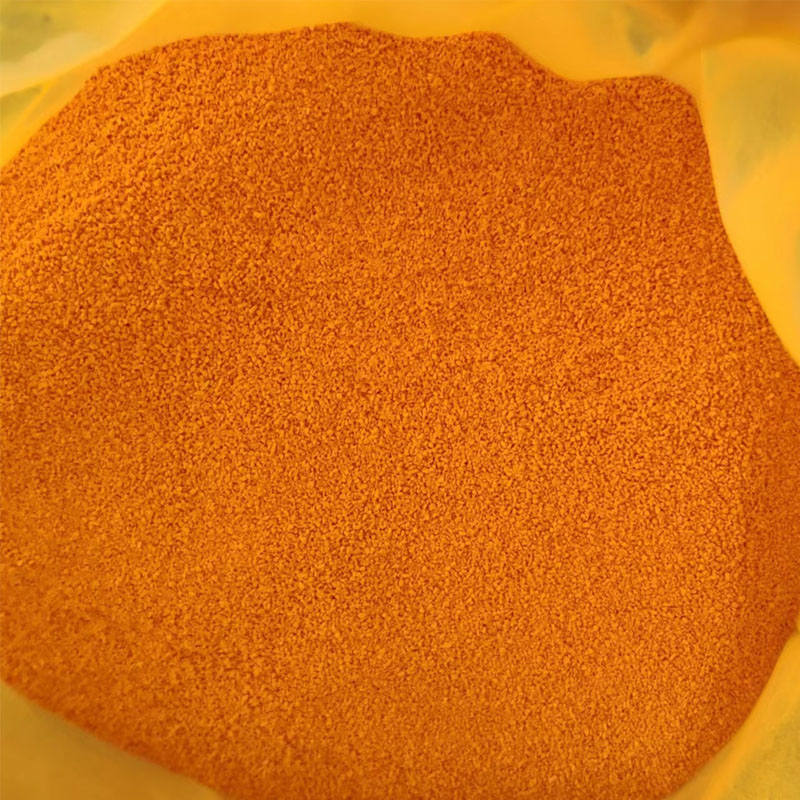
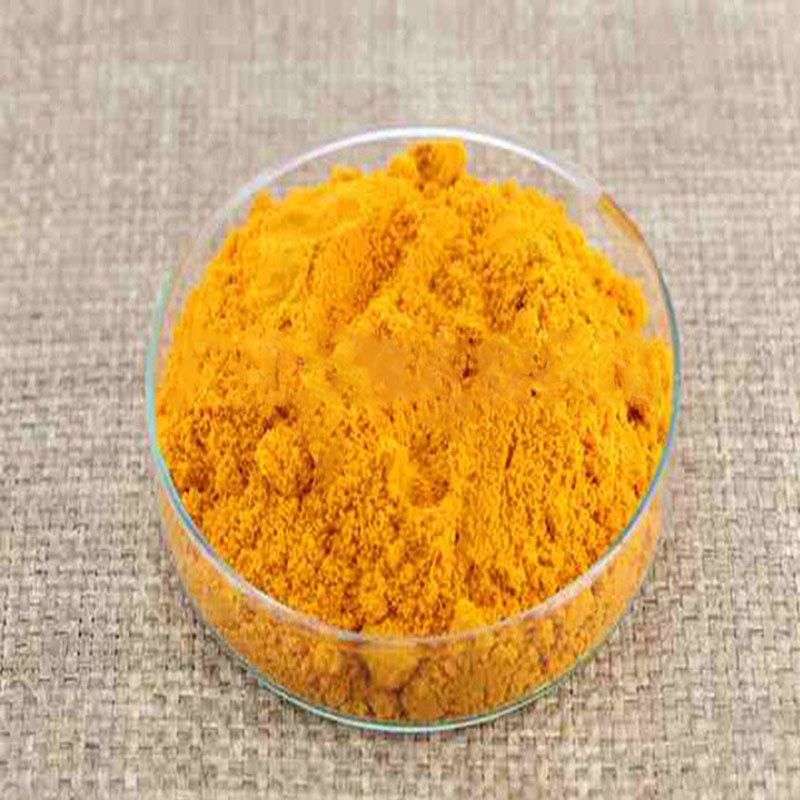
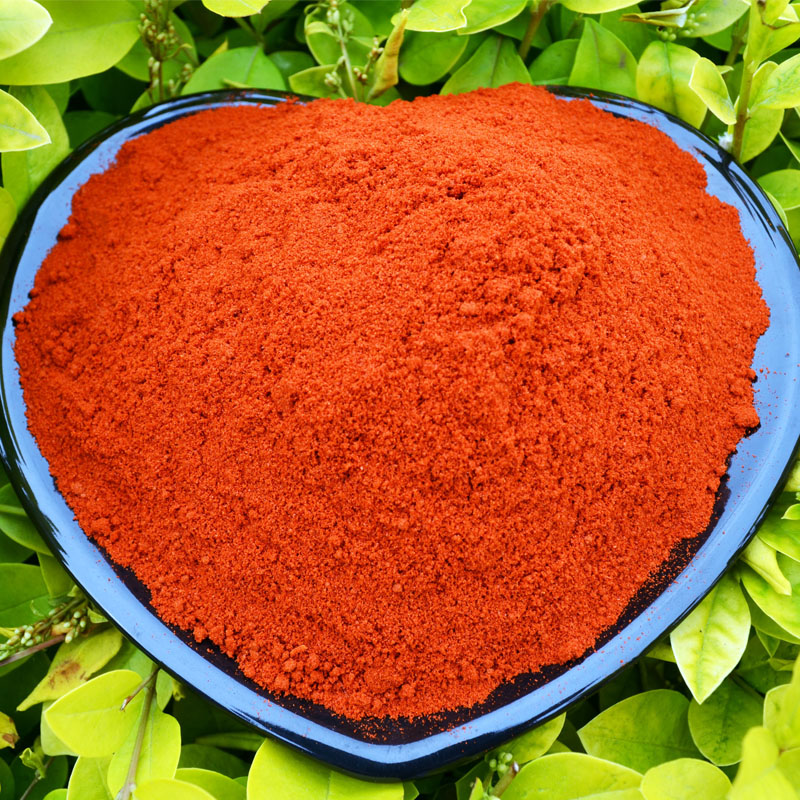
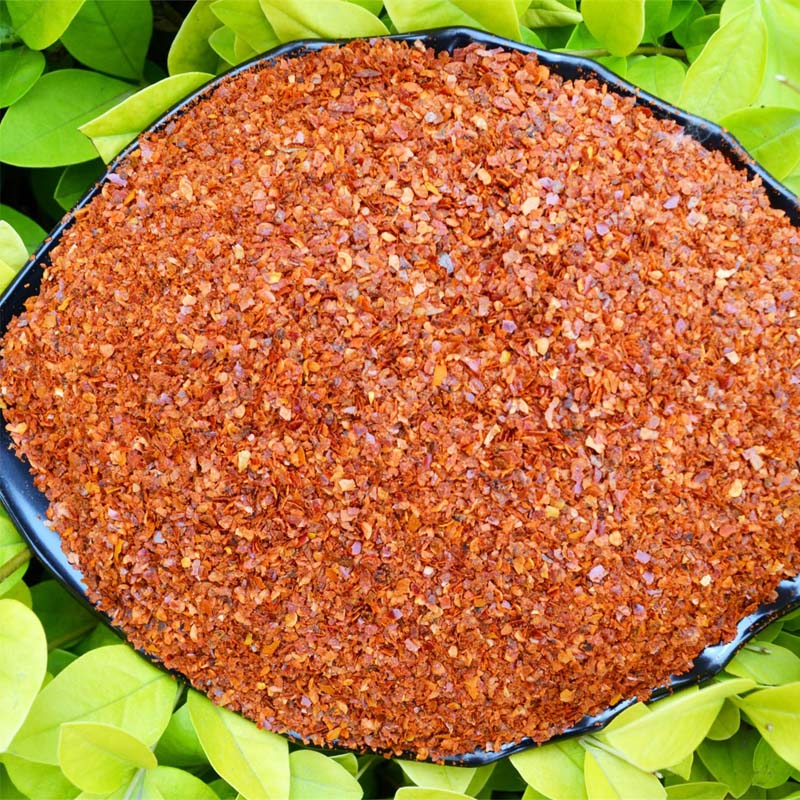
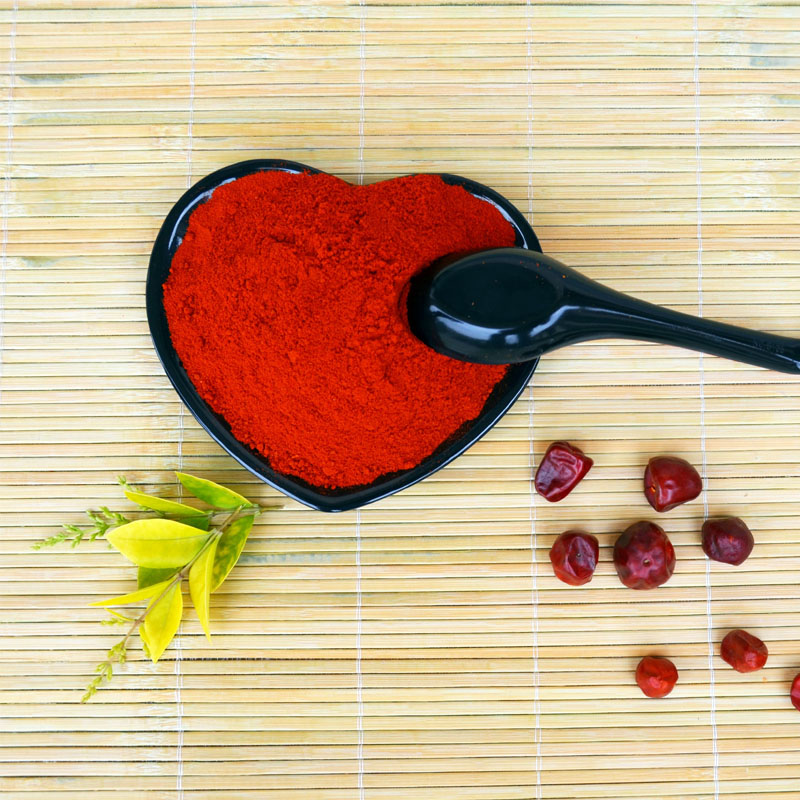
Having spent more than a decade navigating the intricate world of industrial food ingredients, I can honestly say hot paprika holds a unique spot on the shelf. It’s more than just a spice; it’s a multi-functional component that balances heat, color, and a subtle depth of flavor — factors that are absolutely critical when producing at scale.
Now, hot paprika might seem straightforward at first glance, but in reality, it’s a product of careful cultivation and precision processing. Oddly enough, when I first started working with paprika suppliers, I quickly realized that quality can vary wildly. It depends heavily on the pepper varieties, drying methods, and grinding techniques. I recall a batch from early in my career that was so coarse and inconsistent, it literally clogged production lines — a messy headache no one wants.
In real terms, the paprika used for industrial purposes needs to meet stringent specifications. Moisture content, color strength measured by ASTA (American Spice Trade Association) units, pungency (or heat level), and purity levels are just starters. For example, high-quality hot paprika is prized for a vibrant red hue and moderate heat that complements rather than overwhelms. Many engineers I worked with say small differences in these parameters can shift the final product’s flavor profile dramatically.
Here’s a quick overview of typical specs for hot paprika that’s used reliably across food manufacturing:
| Specification | Value / Range | Notes |
|---|---|---|
| Color Strength (ASTA Units) | 100 - 160 | Higher ASTA means more intense red color |
| Capsaicin Content (Heat) | 0.5 - 2.5% | Defines spiciness; adjustable by blend |
| Moisture Content | ≤12% | Prevents microbial growth, ensures shelf life |
| Particle Size | Fine powder (80-100 mesh) | Affects blending and texture in food matrices |
| Purity | ≥98% | Low foreign matter; food-grade certified |
Given these specs, selecting a vendor who consistently delivers the right quality is paramount. From experience, you want suppliers who not only meet compliance standards — think ISO or HACCP certifications — but who also provide rich technical support and flexible packaging solutions. And you know, it’s often the smaller details that matter the most: storage advice, batch traceability, or even customizing heat levels per customer preference.
Speaking of vendors, here’s how three well-known hot paprika suppliers stack up in real industrial use cases:
| Supplier | ASTA Units | Heat Range (Capsaicin %) | Certifications | Lead Time | Pricing |
|---|---|---|---|---|---|
| Hungarian Spice Co. | 140 - 160 | 1.5 - 2.5% | ISO 22000, HACCP | 2-3 weeks | $$$ |
| Spanish Capsicum Ltd. | 110 - 130 | 0.8 - 1.8% | BRC, GMP | 3-4 weeks | $$ |
| Hongri Spice | 120 - 150 | 1.0 - 2.0% | ISO 9001, FDA Approved | 1-2 weeks | $$$ |
From a personal angle, I remember a mid-sized snack food manufacturer I worked with who switched their hot paprika supplier to improve color consistency in their chips. Once they started sourcing from a reliable vendor with higher ASTA rating and lower moisture content, their end-product looked sharper—consumers noticed, and sales ticked up. It feels like such a micro detail, but really it does translate on the shelf.
Also, the ability to adjust heat strength with custom blends is a huge plus. You’re not just buying spice by the kilo; you're partnering for exact flavor profiles that align with brand identity. Over the years, I’ve noticed that brands who invest in strong supplier relationships often gain a solid edge in product quality — it’s not only about the paprika but the service and knowledge behind it.
If you’re curious about industrial applications or sourcing, do check out hot paprika options there. Frankly, access to consistent quality combined with technical support can simplify your production headaches a great deal.
In short: hot paprika blends artistry and science in ways that many overlook but every food engineer swears by.
References:
- American Spice Trade Association: ASTA Color Standards
- Food Safety Magazine, “Spice Quality and Safety in Industrial Food Production,” 2022
- Industry Insights: Interview with Leading Food Engineers, 2023
-
Guide to Sourcing and Using Premium Dried Spicy PeppersNewsApr.16,2026
-
Dried Spur Chili Guide to Premium Flavor and Industrial QualityNewsApr.09,2026
-
Exploring the World of Dried Whole Chili Peppers and Their Culinary UsesNewsApr.07,2026
-
Exploring the Culinary World of Dried Whole Chillies and Their Versatile UsesNewsApr.04,2026
-
Exploring the World of Red Dried Chiles and Their Culinary UsesNewsMar.31,2026
-
Exploring the Culinary World of Red Dried Chili Peppers and Their Versatile UsesNewsMar.28,2026
 Afrikaans
 Albanian
 Amharic
 Arabic
 Armenian
 Azerbaijani
 Basque
 Belarusian
 Bengali
 Bosnian
 Bulgarian
 Catalan
 Cebuano
 Corsican
 Croatian
 Czech
Czech
 Danish
 Dutch
Dutch
 Esperanto
 Estonian
 Finnish
 French
 Frisian
 Galician
 Georgian
 German
 Greek
Greek
 Gujarati
 Haitian Creole
 Hausa
Hausa
 Hawaiian
 Hebrew
 Hindi
Hindi
 Miao
Miao
 Hungarian
 Icelandic
 Igbo
Igbo
 Indonesian
 Irish
Irish
 Italian
 Japanese
 Javanese
 Kannada
 Kazakh
 Khmer
Khmer
 Rwandese
 Korean
 Kurdish
 Kyrgyz
 Lao
Lao
 Latin
Latin
 Latvian
 Lithuanian
 Luxembourgish
 Macedonian
 Malgashi
 Malay
Malay
 Malayalam
 Maltese
 Maori
Maori
 Marathi
 Mongolian
 Myanmar
 Nepali
 Norwegian
 Norwegian
 Occitan
 Pashto
 Persian
 Polish
 Portuguese
 Punjabi
 Romanian
 Russian
 Samoan
 Scottish Gaelic
 Serbian
 Sesotho
 Shona
Shona
 Sindhi
 Sinhala
 Slovak
 Slovenian
 Somali
 Spanish
 Sundanese
 Swahili
 Swedish
 Tagalog
 Tajik
Tajik
 Tamil
Tamil
 Tatar
Tatar
 Telugu
 Thai
Thai
 Turkish
 Turkmen
 Ukrainian
 Urdu
Urdu
 Uighur
 Uzbek
Uzbek
 Vietnamese
 Welsh
Welsh
 Bantu
Bantu
 Yiddish
 Yoruba
 Zulu
Zulu
 English