- No. 268 Xianghe Street, Economic Development Zone of Xingtai city, Hebei 054001 China
- Byron@hbhongri.cn
Paprika Pepper: Industrial Insights & Sourcing Guide
Paprika Pepper: A Versatile Gem of the Spice Industry
Having spent quite a few years working close to the industrial food and spice sector, I can say paprika pepper is one of those ingredients that really stands out—not just for its vibrant color but its nuanced flavor profile and industrial versatility. Oddly enough, it’s not always the star of the show in kitchens or factories, but it’s quietly indispensable in a slew of applications, from food processing facilities to spice blends that define regional tastes.
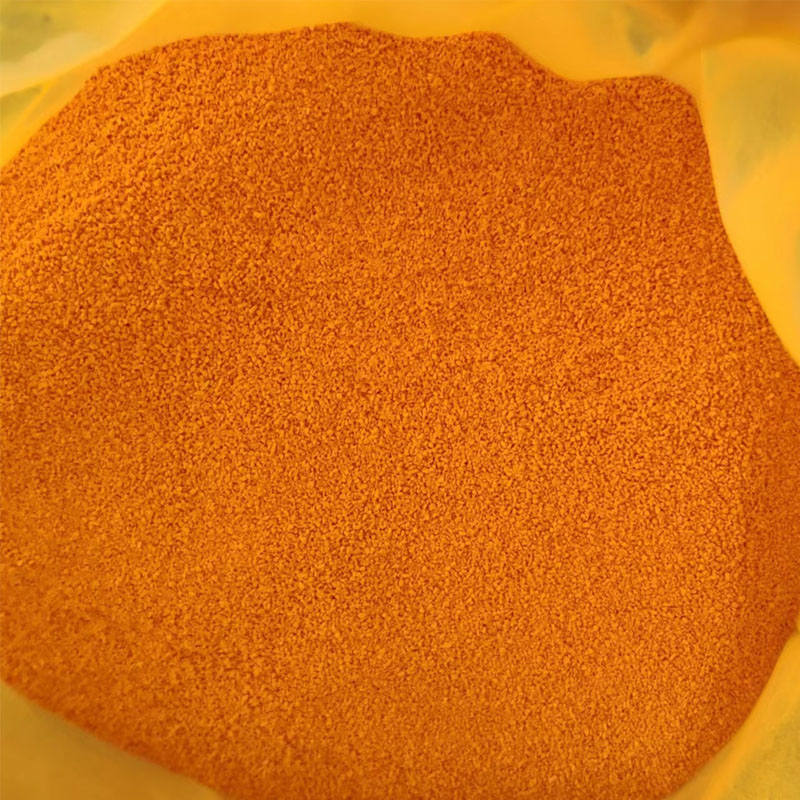
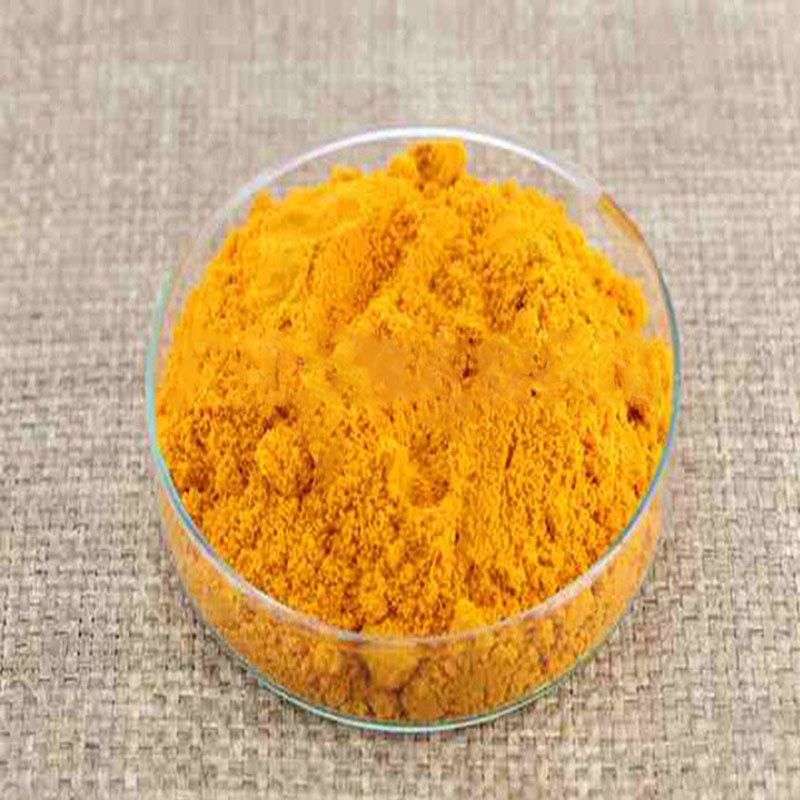
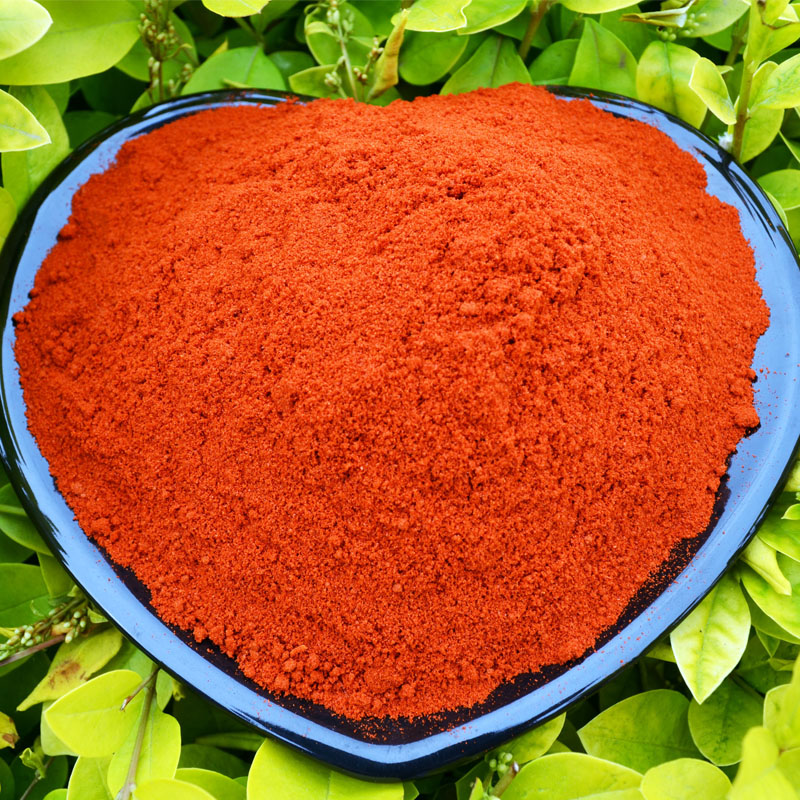
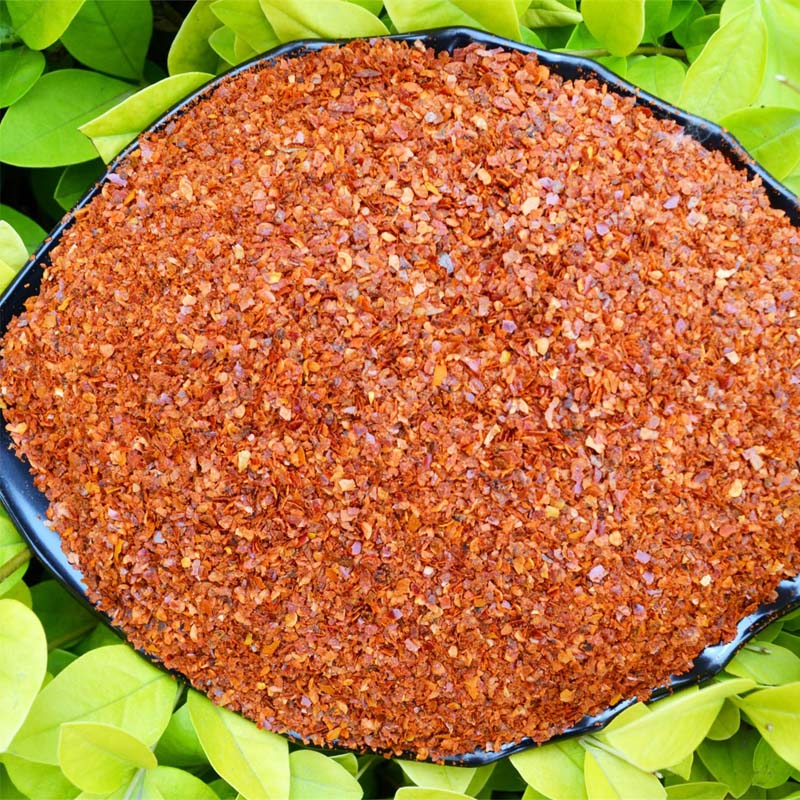
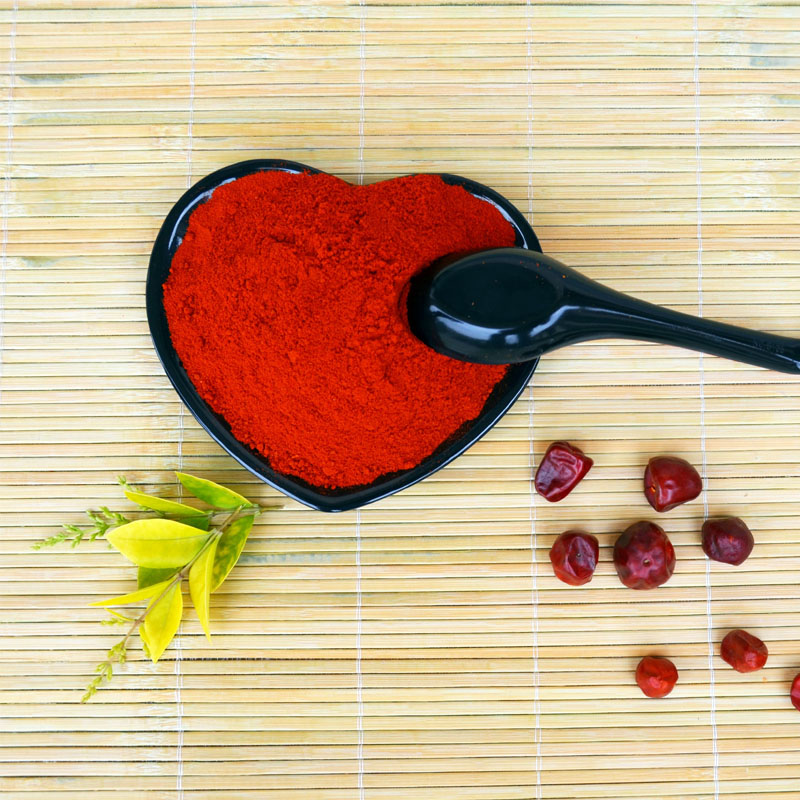
Frankly, paprika is more than just a dash of red powder tossing color into a dish. In real terms, it’s a dried and ground version of Capsicum annuum varieties—peppers that range from mild to slightly hot. The distinct flavor varies widely depending on the source: sweet, smoky, or pungent. In an industrial context, this means sourcing paprika isn’t just about color or heat levels, but also consistently matching that flavor profile batch after batch, which you know, isn’t as easy as it seems.
From a materials perspective, paprika’s quality depends heavily on drying conditions, moisture content, and even soil composition of the growing region. I recall a client insisting on paprika exclusively sourced from Hungary due to its smoky aroma, which, to their taste buds, made all the difference. Yet, suppliers in Spain and other parts of the world have developed brilliant cultivars creating entirely different spice experiences. It’s a subtle, somewhat underappreciated detail in industrial spicy ingredient sourcing.
In terms of testing and quality assurance, paprika undergoes internal grading for color intensity (measured by ASTA, American Spice Trade Association standards), moisture content, and foreign matter. Many engineers I’ve worked with emphasize the need for robust lab verifications to prevent flavor degradation during transport or storage. Trust me, paprika that’s damp or improperly sealed quickly loses that vibrant red color and the rich flavor we all expect.
One of the advantages of paprika pepper, especially industrially, is its relatively long shelf life and stable quality under appropriate conditions. Often, spice blends or food manufacturers prefer it for texture and consistency, knowing it blends seamlessly without overpowering other components. Plus, you can customize heat and smokiness levels based on the peppers’ origin and processing methods—invaluable for product developers aiming for signature flavors.
I recall a small but interesting story about a regional snack manufacturer in Eastern Europe. They wanted to recreate a traditional paprika flavor for a newer generation but without the overly smoky notes. By collaborating with their paprika supplier, they tweaked drying times and sourced a sweeter Capsicum variety—resulting in a hit product that moved beyond local borders to international shelves. It’s a reminder that in spice manufacturing, customization can be a real game-changer.
| Specification | Typical Value | Industry Standard |
|---|---|---|
| ASTA Color Units | 100 – 160 | ≥100 |
| Moisture Content (%) | 10 – 12 | ≤12 |
| Capsaicin Content (ppm) | 200 – 500 | Varies by type |
| Foreign Matter (%) | ≤0.5 | ≤1.0 |
| Vendor | Origin | ASTA Color | Price Range | Special Features |
|---|---|---|---|---|
| Hungarian Gold | Hungary | 140–160 | $$$ | Rich smoky flavor |
| La Española | Spain | 100–130 | $$ | Sweet and mild |
| Atlántico Spices | Chile | 110–140 | $$ | Balanced pungency |
Honestly, sourcing and integrating paprika pepper into industrial food production can feel like an art form sometimes. It’s one of those ingredients you might overlook unless you’ve dug deep into its nuances, but once you do, there’s no going back. Whether it’s boosting a sauce’s hue or perfecting a snack’s seasoning, paprika’s role is quietly powerful.
If you’re looking for reliable, flavorful paprika options, I suppose you could start with suppliers that maintain transparent quality protocols and certifications—and yes, the paprika pepper choices they offer are worth exploring.
So, here’s what I’d leave you with: never underestimate the potential locked in a humble spice—sometimes, it’s the smallest addition that makes the biggest difference.
References:
1. ASTA Guidelines for Paprika Quality Metrics
2. Industrial Spice Sourcing Reports, 2022
3. Regional Paprika Processing Techniques, Journal of Food Science, 2021
-
Guide to Sourcing and Using Premium Dried Spicy PeppersNewsApr.16,2026
-
Dried Spur Chili Guide to Premium Flavor and Industrial QualityNewsApr.09,2026
-
Exploring the World of Dried Whole Chili Peppers and Their Culinary UsesNewsApr.07,2026
-
Exploring the Culinary World of Dried Whole Chillies and Their Versatile UsesNewsApr.04,2026
-
Exploring the World of Red Dried Chiles and Their Culinary UsesNewsMar.31,2026
-
Exploring the Culinary World of Red Dried Chili Peppers and Their Versatile UsesNewsMar.28,2026
 Afrikaans
 Albanian
 Amharic
 Arabic
 Armenian
 Azerbaijani
 Basque
 Belarusian
 Bengali
 Bosnian
 Bulgarian
 Catalan
 Cebuano
 Corsican
 Croatian
 Czech
Czech
 Danish
 Dutch
Dutch
 Esperanto
 Estonian
 Finnish
 French
 Frisian
 Galician
 Georgian
 German
 Greek
Greek
 Gujarati
 Haitian Creole
 Hausa
Hausa
 Hawaiian
 Hebrew
 Hindi
Hindi
 Miao
Miao
 Hungarian
 Icelandic
 Igbo
Igbo
 Indonesian
 Irish
Irish
 Italian
 Japanese
 Javanese
 Kannada
 Kazakh
 Khmer
Khmer
 Rwandese
 Korean
 Kurdish
 Kyrgyz
 Lao
Lao
 Latin
Latin
 Latvian
 Lithuanian
 Luxembourgish
 Macedonian
 Malgashi
 Malay
Malay
 Malayalam
 Maltese
 Maori
Maori
 Marathi
 Mongolian
 Myanmar
 Nepali
 Norwegian
 Norwegian
 Occitan
 Pashto
 Persian
 Polish
 Portuguese
 Punjabi
 Romanian
 Russian
 Samoan
 Scottish Gaelic
 Serbian
 Sesotho
 Shona
Shona
 Sindhi
 Sinhala
 Slovak
 Slovenian
 Somali
 Spanish
 Sundanese
 Swahili
 Swedish
 Tagalog
 Tajik
Tajik
 Tamil
Tamil
 Tatar
Tatar
 Telugu
 Thai
Thai
 Turkish
 Turkmen
 Ukrainian
 Urdu
Urdu
 Uighur
 Uzbek
Uzbek
 Vietnamese
 Welsh
Welsh
 Bantu
Bantu
 Yiddish
 Yoruba
 Zulu
Zulu
 English