- No. 268 Xianghe Street, Economic Development Zone of Xingtai city, Hebei 054001 China
- Byron@hbhongri.cn
Paprika Sladka: Sweet Paprika for Industrial Spice Applications | Hongri Spice
Understanding Paprika Sladka: A Sweet Touch in Industrial Spices
Having spent quite a few years navigating the intricate world of industrial spices and food-grade additives, I’ve come across some gems that stand out—not just for their flavor but their versatility and reliability on the production line. Paprika Sladka is one such ingredient that often flies under the radar yet packs a punch in its application.
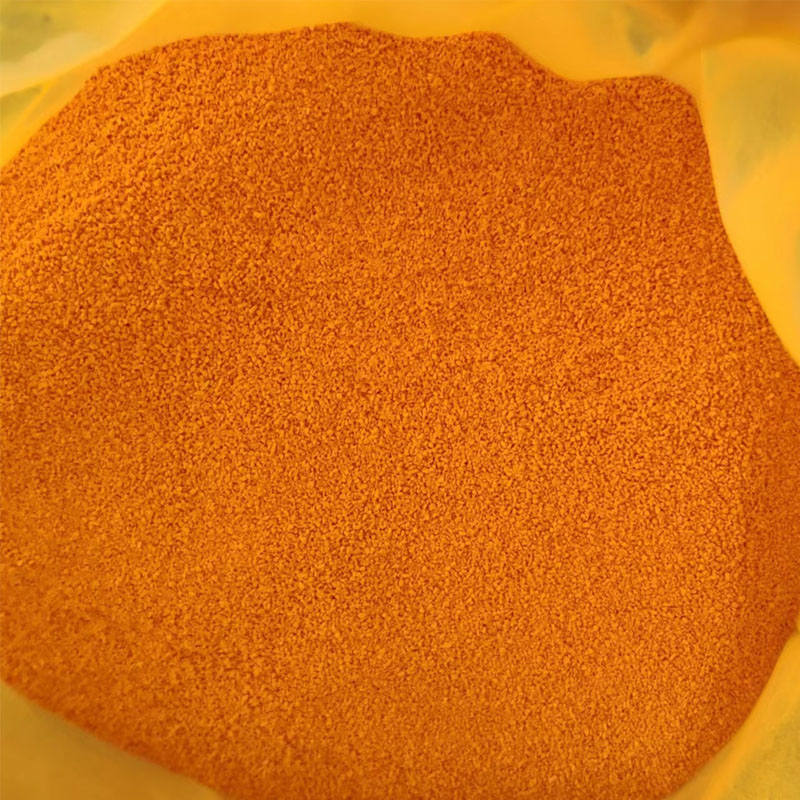
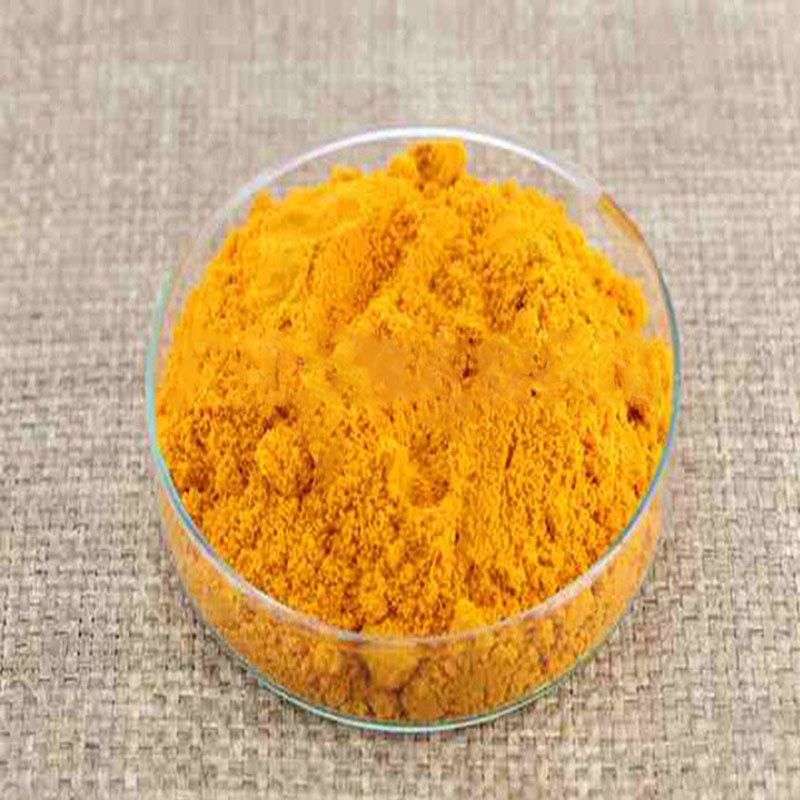
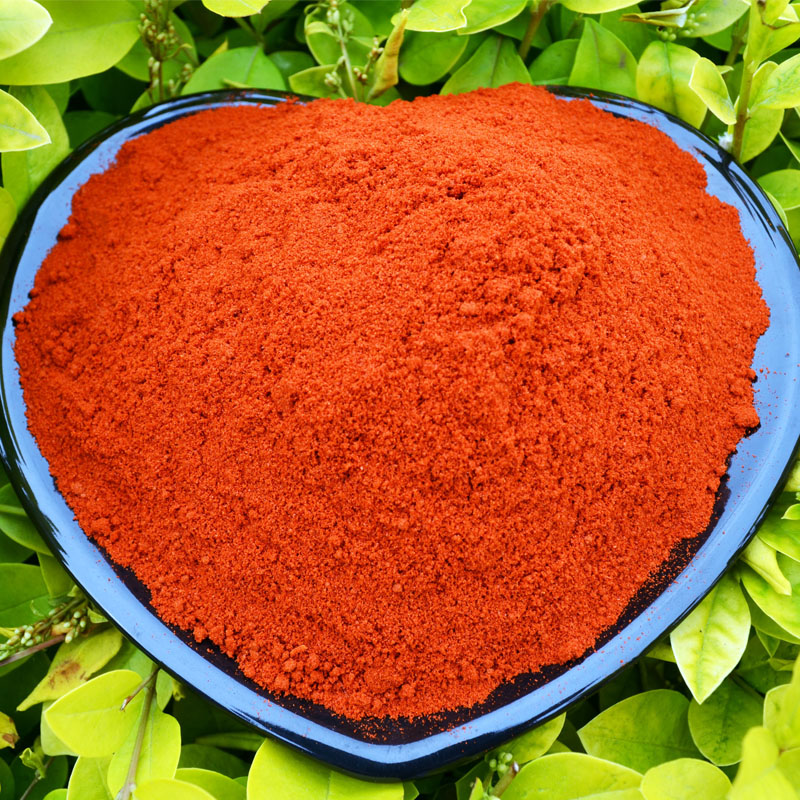
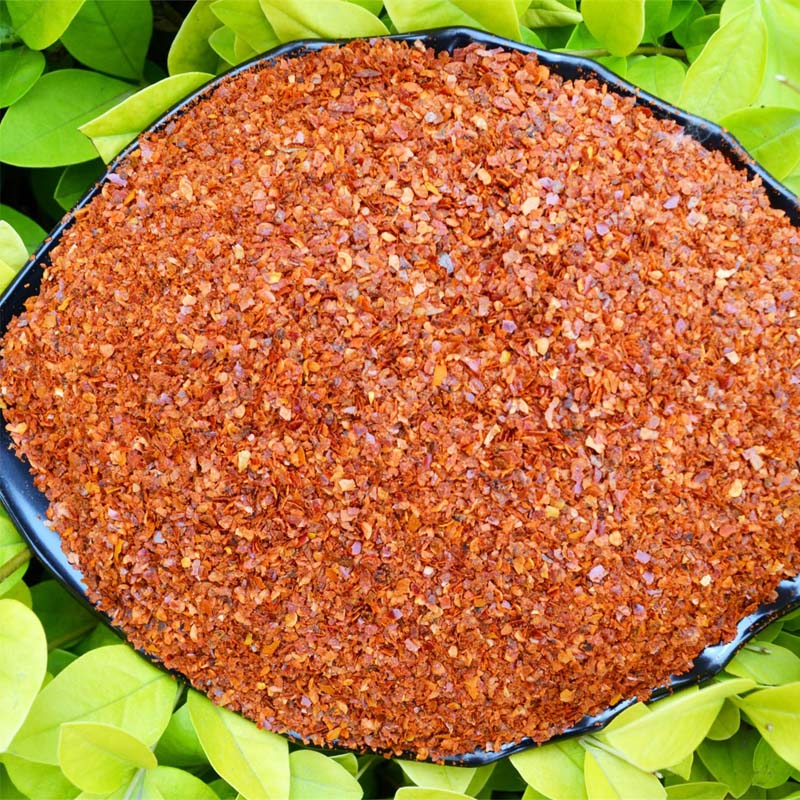
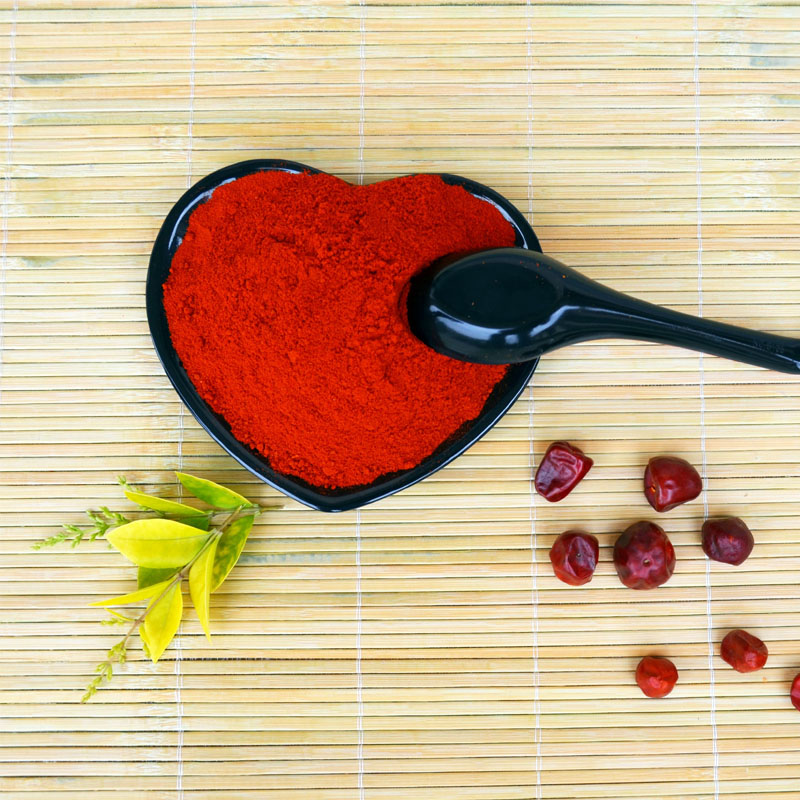
For those new to the term, "paprika sladká" (or sweet paprika) originates from dried, ground red peppers. The sweetness here is subtle, with almost no heat, which makes it a favorite in many seasoning blends, especially within Eastern European and Hungarian cuisines. But beyond that culinary niche, its industrial uses are surprisingly varied. Frankly, the consistency and the natural coloring it provides make it more than just a flavoring—it’s an all-around enhancer.
What I've noticed over the years is that while many companies focus on spicier variants, the sweet paprika appeals to product developers who want color without overwhelming heat. It feels almost like a soft brushstroke of red. Many engineers in food processing plants mention how consistent particle size and moisture content in paprika sladká influence not just taste but also shelf stability. So, it’s not just about flavor—these specs matter.
| Specification | Value |
|---|---|
| Color (ASTA units) | 80 - 120 |
| Moisture Content | ≤ 10% |
| Oleoresin Content | ≥ 5% |
| Capsaicin Level | ~0.01% (very mild) |
| Particle Size | 200 - 400 microns |
| Packaging | 25 kg bags, food-grade lined |
Oddly enough, suppliers don’t always emphasize that paprika sladká undergoes extensive quality checks—from moisture analysis to ensuring low capsaicin levels. This is crucial because inconsistencies translate to issues in flavor profiles and color uniformity down the line. I recall a client who switched suppliers mid-production and noticed their sausage SKU lost that subtle, inviting hue—costly lesson.
When it comes to vendor selection, there’s no one-size-fits-all; a lot depends on sourcing, batch traceability, and ease of supply chain integration. Here’s a terse but illustrative rundown of three main vendors I've dealt with:
| Feature | Hongri Spice | Vendor B | Vendor C |
|---|---|---|---|
| Color Consistency | Excellent | Good | Variable |
| Batch Traceability | Full | Partial | Limited |
| Packaging Options | 25 kg & 50 kg | 25 kg only | Bulk only |
| Price per kg | $$$ | $$ | $ |
| Customer Service | Responsive | Moderate | Slow |
To be honest, I keep coming back to Hongri Spice for paprika sladká mainly because of their reliability and transparent reporting. There’s no guessing what’s in the batch, which frankly reduces downtime obsessing over QC results. One processor I know even said switching to them cut their color variation complaints in half.
In real terms, while paprika sladká might seem like just a seasoning, it quietly impacts how your end products look, taste, and appeal to consumers. This subtlety is exactly why it’s such a valued component in industrial spice blends.
If you’re considering paprika sladká for your applications, I’d say start by clarifying your key parameters: color intensity, moisture tolerance, and desired flavor profile. Also, consider working closely with your supplier to tailor packaging or grading options—you’d be surprised how much those little tweaks improve your process flow.
There’s a bit of art and science in understanding spices at an industrial scale. Paprika sladká, with its sweet, mild profile and dependable pigmentation, definitely holds its place in my toolkit.
Quick takeaway: Sweet paprika isn’t just a culinary spice; in the industrial world, it’s a vital, versatile ingredient that bridges flavor with consistency.
References:
1. Food Industry Spice Trends Report, 2022
2. Quality Standards for Ground Spices, ISO 22000
3. Interview with Industry Supplier Hongri Spice, 2023
-
Guide to Sourcing and Using Premium Dried Spicy PeppersNewsApr.16,2026
-
Dried Spur Chili Guide to Premium Flavor and Industrial QualityNewsApr.09,2026
-
Exploring the World of Dried Whole Chili Peppers and Their Culinary UsesNewsApr.07,2026
-
Exploring the Culinary World of Dried Whole Chillies and Their Versatile UsesNewsApr.04,2026
-
Exploring the World of Red Dried Chiles and Their Culinary UsesNewsMar.31,2026
-
Exploring the Culinary World of Red Dried Chili Peppers and Their Versatile UsesNewsMar.28,2026
 Afrikaans
 Albanian
 Amharic
 Arabic
 Armenian
 Azerbaijani
 Basque
 Belarusian
 Bengali
 Bosnian
 Bulgarian
 Catalan
 Cebuano
 Corsican
 Croatian
 Czech
Czech
 Danish
 Dutch
Dutch
 Esperanto
 Estonian
 Finnish
 French
 Frisian
 Galician
 Georgian
 German
 Greek
Greek
 Gujarati
 Haitian Creole
 Hausa
Hausa
 Hawaiian
 Hebrew
 Hindi
Hindi
 Miao
Miao
 Hungarian
 Icelandic
 Igbo
Igbo
 Indonesian
 Irish
Irish
 Italian
 Japanese
 Javanese
 Kannada
 Kazakh
 Khmer
Khmer
 Rwandese
 Korean
 Kurdish
 Kyrgyz
 Lao
Lao
 Latin
Latin
 Latvian
 Lithuanian
 Luxembourgish
 Macedonian
 Malgashi
 Malay
Malay
 Malayalam
 Maltese
 Maori
Maori
 Marathi
 Mongolian
 Myanmar
 Nepali
 Norwegian
 Norwegian
 Occitan
 Pashto
 Persian
 Polish
 Portuguese
 Punjabi
 Romanian
 Russian
 Samoan
 Scottish Gaelic
 Serbian
 Sesotho
 Shona
Shona
 Sindhi
 Sinhala
 Slovak
 Slovenian
 Somali
 Spanish
 Sundanese
 Swahili
 Swedish
 Tagalog
 Tajik
Tajik
 Tamil
Tamil
 Tatar
Tatar
 Telugu
 Thai
Thai
 Turkish
 Turkmen
 Ukrainian
 Urdu
Urdu
 Uighur
 Uzbek
Uzbek
 Vietnamese
 Welsh
Welsh
 Bantu
Bantu
 Yiddish
 Yoruba
 Zulu
Zulu
 English