- No. 268 Xianghe Street, Economic Development Zone of Xingtai city, Hebei 054001 China
- Byron@hbhongri.cn
Premium Industrial Paprika: Quality Specs & Vendor Insights | Hongri Spice
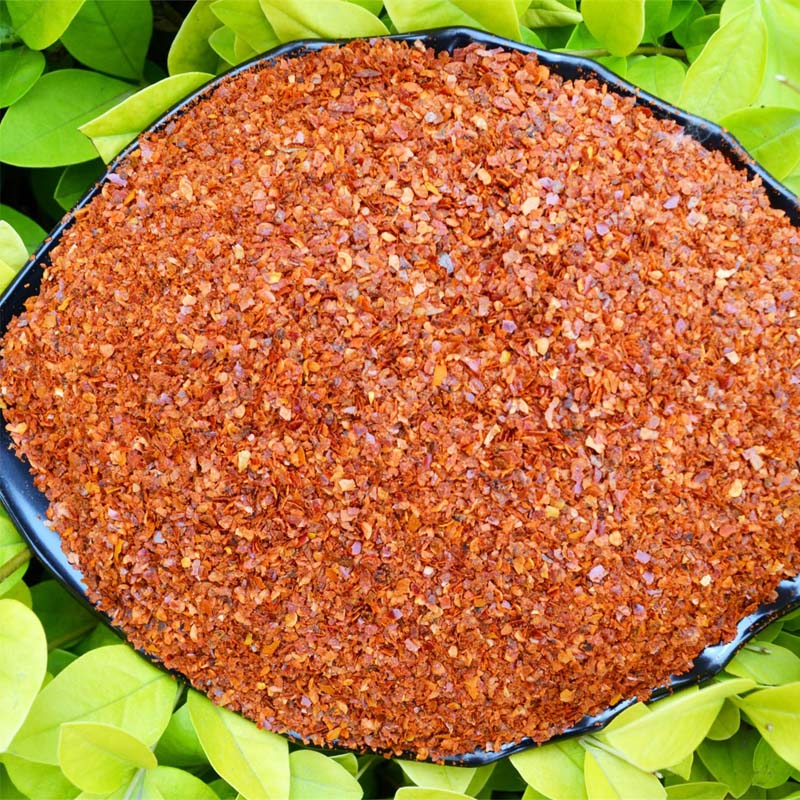
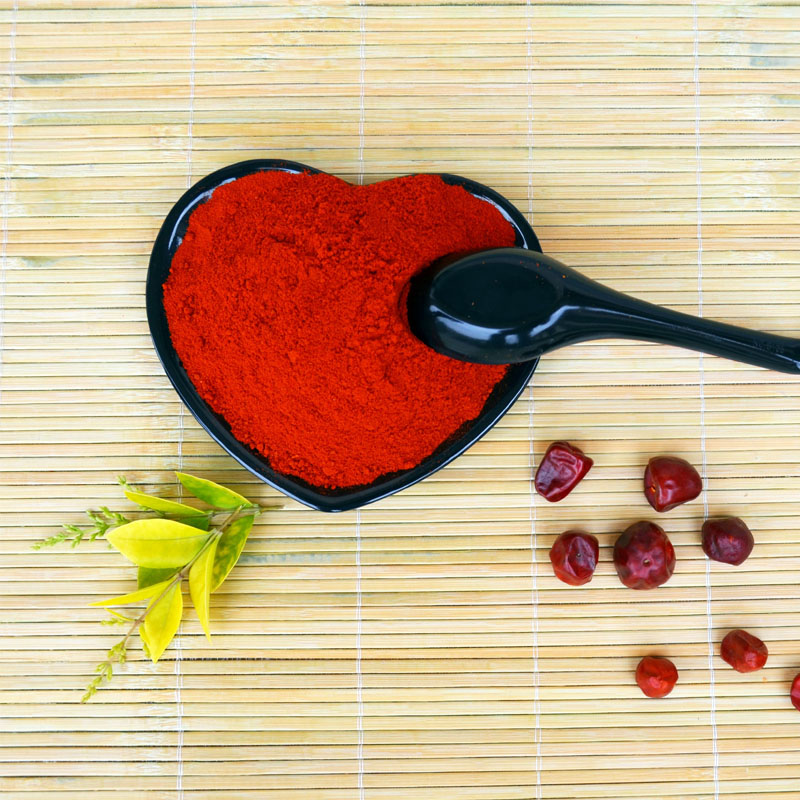
A Closer Look at Paprika: Quality and Industrial Uses
Having spent over a decade in the industrial equipment sector, I’ve often found myself fascinated by raw materials that, at first glance, seem humble but play a vital role in many industries. Paprika is one such product. It’s curious how this bright red spice, familiar in culinary circles, also has nuanced qualities that matter deeply when sourcing at scale or for specialized uses.
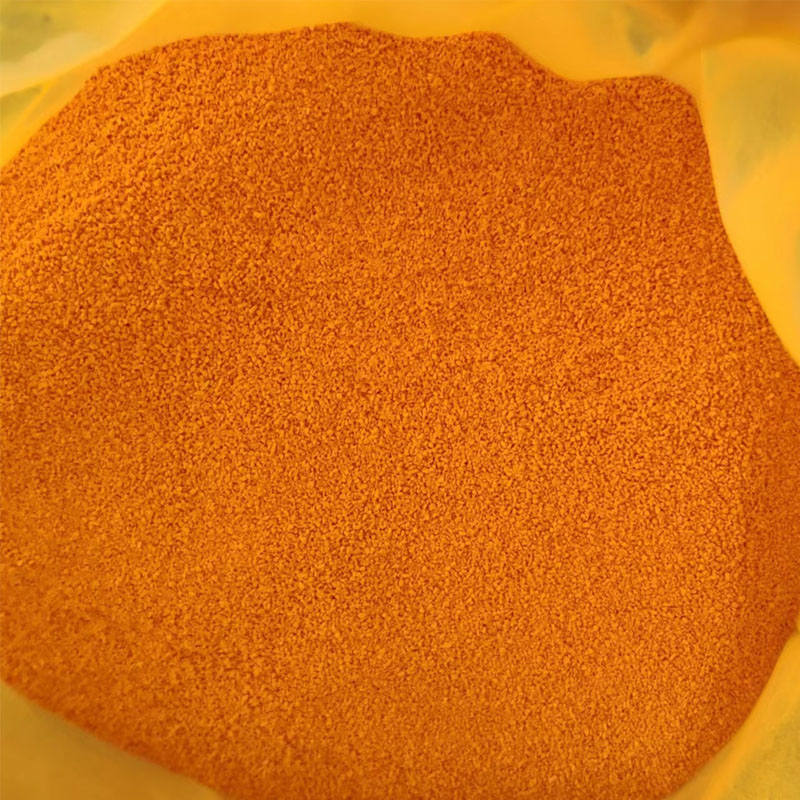
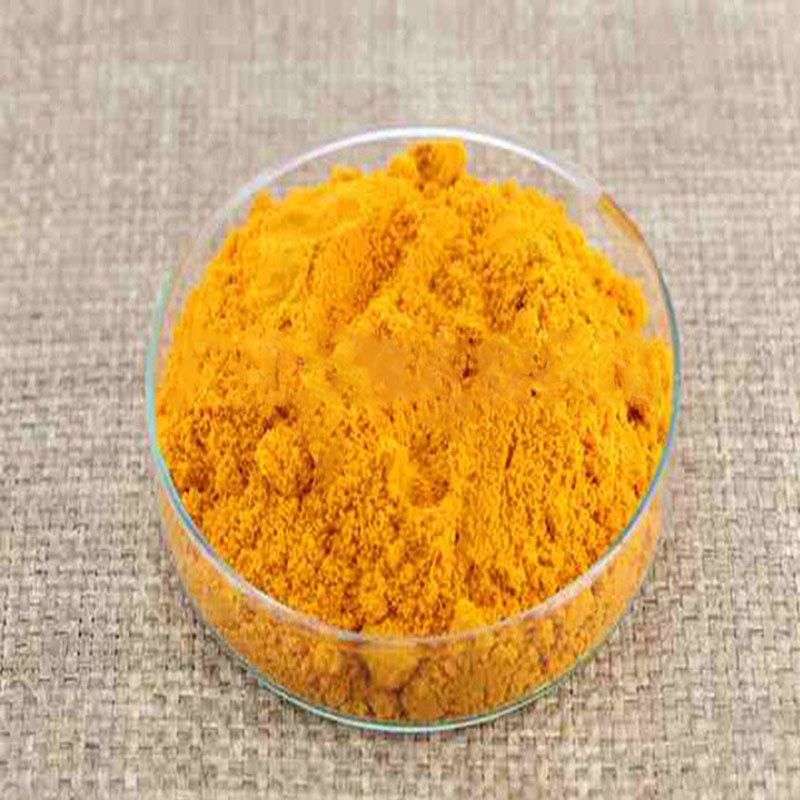
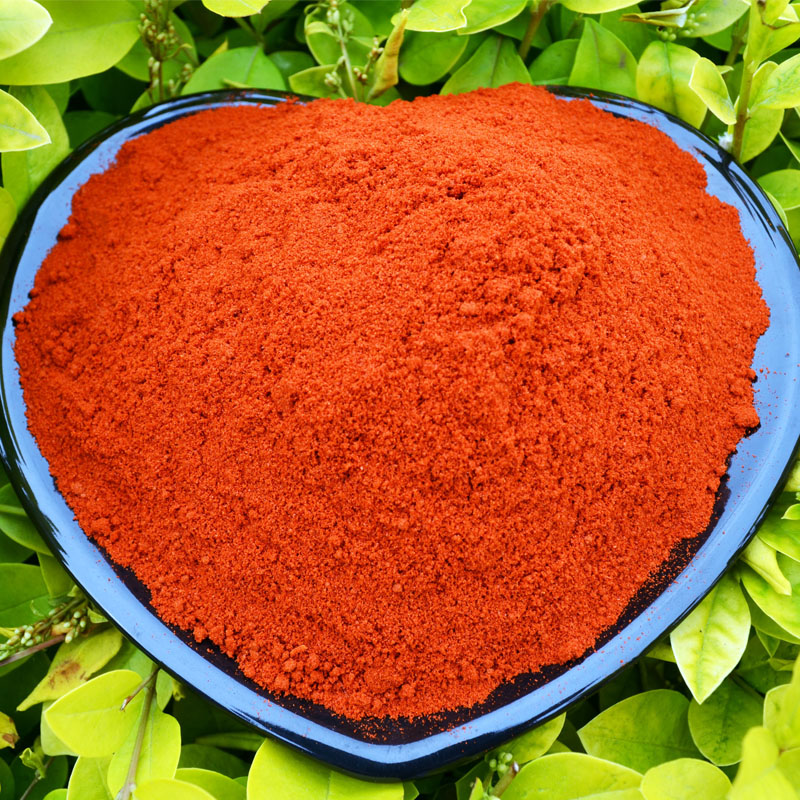
Frankly, when you first think of paprika, you might just picture a sprinkle over deviled eggs or stews. But if you work in food processing, quality control, or even in adjacent industries, paprika’s physical and chemical characteristics warrant closer scrutiny. For example, the kind of paprika sourced can influence color consistency, pungency, and even shelf life of final products. Oddly enough, many small nuances that aren’t obvious to the casual eye become crucial in bulk production.
I recall a project where we partnered with a paprika supplier to develop a customized spice blend for a ready meal manufacturer. The client needed a very specific color and heat level but also had strict requirements toward moisture content and particle size distribution. Testing batches in the lab revealed that even slight variations in drying processes at the farm level resulted in noticeably different final results. It’s an exquisite balance — the industrial supply chain behind paprika is quite intricate.
| Specification | Typical Range | Importance |
|---|---|---|
| Color (ASTA Units) | 80 - 160 | Visual appeal, potency |
| Capsaicin Content (Scoville units) | 500 - 10,000 | Spice heat, flavor profile |
| Moisture (%) | 8 - 12 | Shelf life, prevents clumping |
| Particle Size (Microns) | 200 - 500 | Mixing uniformity, texture |
| Ash Content (%) | 3 - 6 | Purity & processing quality |
One of the things I’ve learned is that paprika sourcing isn’t just about picking any red powder and hoping it works out. Quality control processes—like moisture analysis, contamination screening, and even volatile oil content checks—make a tangible difference in the final outcome. Many engineers I’ve worked with underscore that paprika’s color stability can impact a packaged food’s market acceptance more than expected.
To get more perspective, here’s a quick comparison of some typical paprika suppliers we have dealt with over the years:
| Supplier | Color Range (ASTA) | Min. Order Quantity | Typical Lead Time | Typical Price (per kg) |
|---|---|---|---|---|
| Hongri Spice (website) | 90 – 150 | 100 kg | 2-3 weeks | $12 - $16 |
| SpiceCo Global | 80 – 130 | 200 kg | 3-4 weeks | $11 - $15 |
| RedMountain Foods | 100 – 160 | 50 kg | 1-2 weeks | $14 - $18 |
In real terms, when working with vendors like Hongri Spice, I noticed the responsiveness and batch consistency often surpass others. They also provide solid documentation to back up specs, which frankly makes it easier to comply with quality audits. Reliability often matters more than the slight cost differences, especially when you're under tight production schedules.
Thinking about paprika purely as a spice does it a disservice. For industrial applications, whether in food manufacturing, cosmetics, or nutraceuticals, the ingredient's traceability, purity, and even post-harvest handling dictate its suitability. I remember a customer from Eastern Europe who switched suppliers after repeated issues with inconsistent color in their snack coatings — the difference was night and day once they optimized their paprika source.
All in all, whether you’re a product developer or supply chain specialist, understanding paprika’s specs and supplier nuances is vital. And if you ever want to see a supplier who knows their stuff, I’d recommend checking out Hongri Spice. They often have quality paprika that fits well with demanding industrial specs.
Anyway, I suppose the takeaway here is: don’t underestimate paprika’s industrial story. It’s more than just color and heat — it’s a complex ingredient that tells a tale of agriculture, processing, and market needs.
— Field notes from a longtime industrial product expert
References:
1. ASTA Method 20.0 – Color Measurement of Paprika
2. Scoville Scale Overview — Capsicum Science Journal
3. Supplier quality documentation and case studies (Hongri Spice internal files)
-
Guide to Sourcing and Using Premium Dried Spicy PeppersNewsApr.16,2026
-
Dried Spur Chili Guide to Premium Flavor and Industrial QualityNewsApr.09,2026
-
Exploring the World of Dried Whole Chili Peppers and Their Culinary UsesNewsApr.07,2026
-
Exploring the Culinary World of Dried Whole Chillies and Their Versatile UsesNewsApr.04,2026
-
Exploring the World of Red Dried Chiles and Their Culinary UsesNewsMar.31,2026
-
Exploring the Culinary World of Red Dried Chili Peppers and Their Versatile UsesNewsMar.28,2026
 Afrikaans
 Albanian
 Amharic
 Arabic
 Armenian
 Azerbaijani
 Basque
 Belarusian
 Bengali
 Bosnian
 Bulgarian
 Catalan
 Cebuano
 Corsican
 Croatian
 Czech
Czech
 Danish
 Dutch
Dutch
 Esperanto
 Estonian
 Finnish
 French
 Frisian
 Galician
 Georgian
 German
 Greek
Greek
 Gujarati
 Haitian Creole
 Hausa
Hausa
 Hawaiian
 Hebrew
 Hindi
Hindi
 Miao
Miao
 Hungarian
 Icelandic
 Igbo
Igbo
 Indonesian
 Irish
Irish
 Italian
 Japanese
 Javanese
 Kannada
 Kazakh
 Khmer
Khmer
 Rwandese
 Korean
 Kurdish
 Kyrgyz
 Lao
Lao
 Latin
Latin
 Latvian
 Lithuanian
 Luxembourgish
 Macedonian
 Malgashi
 Malay
Malay
 Malayalam
 Maltese
 Maori
Maori
 Marathi
 Mongolian
 Myanmar
 Nepali
 Norwegian
 Norwegian
 Occitan
 Pashto
 Persian
 Polish
 Portuguese
 Punjabi
 Romanian
 Russian
 Samoan
 Scottish Gaelic
 Serbian
 Sesotho
 Shona
Shona
 Sindhi
 Sinhala
 Slovak
 Slovenian
 Somali
 Spanish
 Sundanese
 Swahili
 Swedish
 Tagalog
 Tajik
Tajik
 Tamil
Tamil
 Tatar
Tatar
 Telugu
 Thai
Thai
 Turkish
 Turkmen
 Ukrainian
 Urdu
Urdu
 Uighur
 Uzbek
Uzbek
 Vietnamese
 Welsh
Welsh
 Bantu
Bantu
 Yiddish
 Yoruba
 Zulu
Zulu
 English