- No. 268 Xianghe Street, Economic Development Zone of Xingtai city, Hebei 054001 China
- Byron@hbhongri.cn
Premium Industrial Red Pepper Powder | Quality & Specs by Hongri Spice
Exploring the Essence of Red Pepper Powder in Industrial Applications
Having spent well over a decade navigating the complexities of industrial equipment and raw material sourcing, I’ve come to appreciate the subtle art behind ingredients that often go unnoticed — red pepper powder being a perfect example. Now, you might wonder what an industrial pro finds fascinating about a simple spice? Well, oddly enough, when you’re involved in food processing machinery or flavor standardization, understanding the nuances of raw materials like red pepper powder becomes crucial.
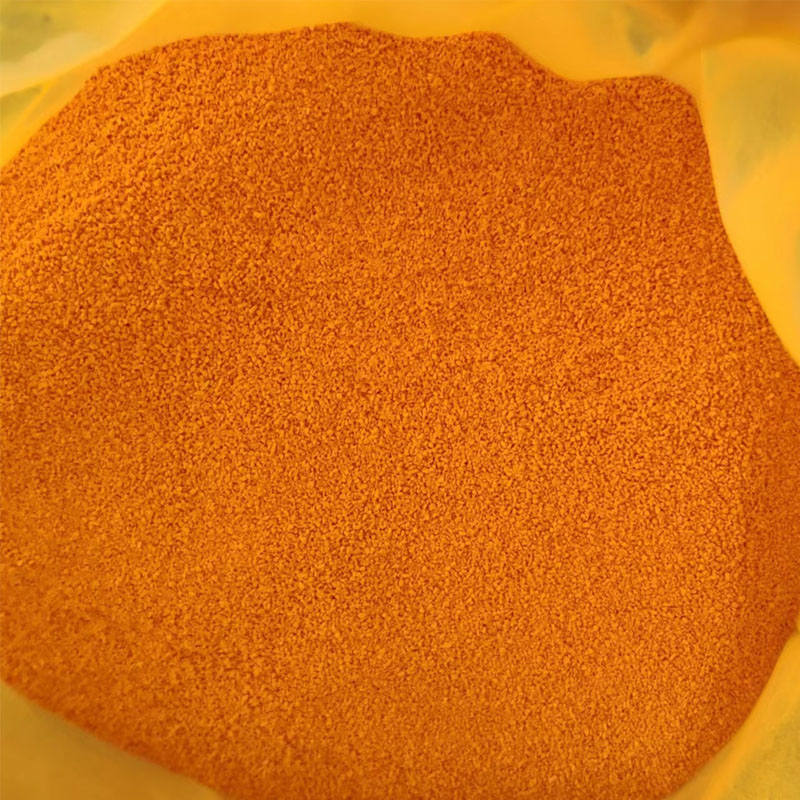
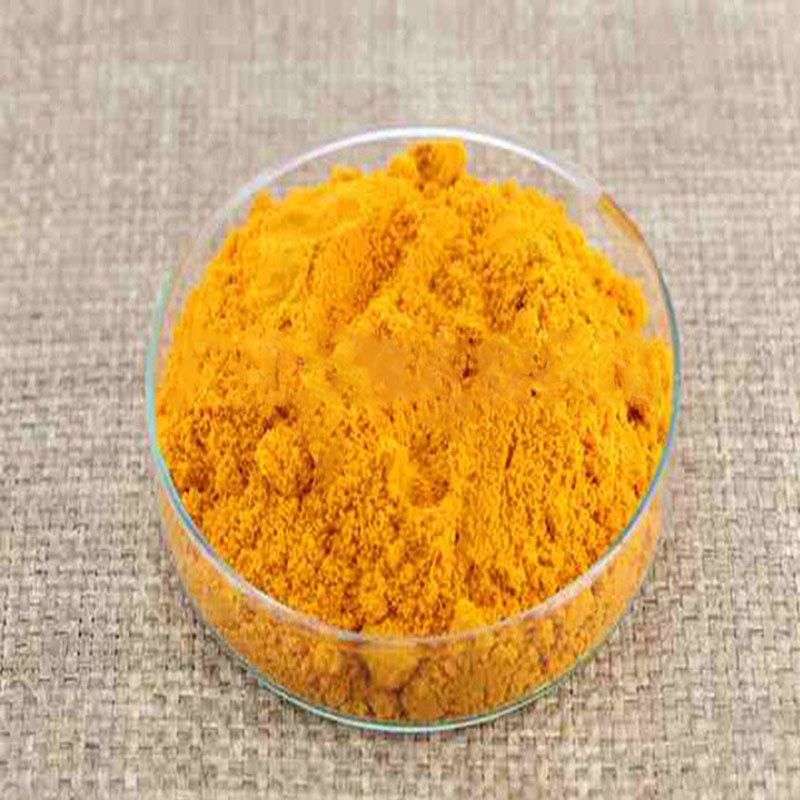
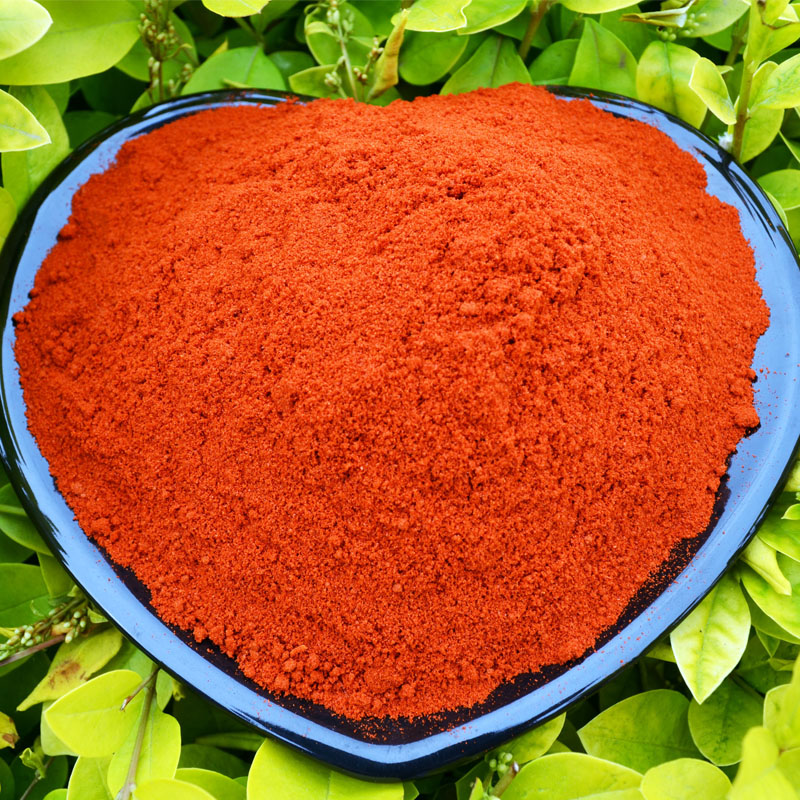
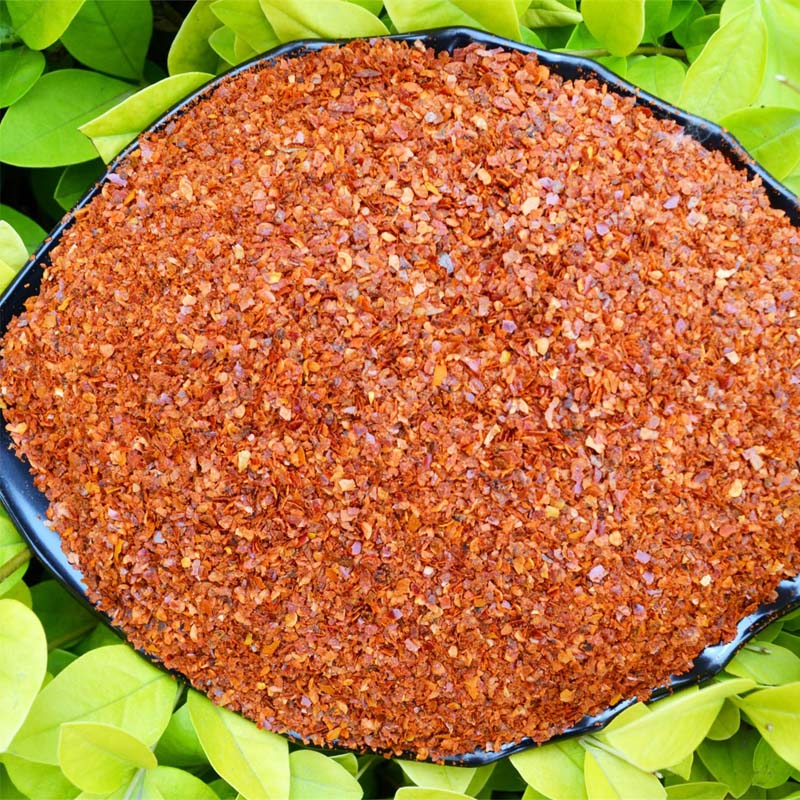
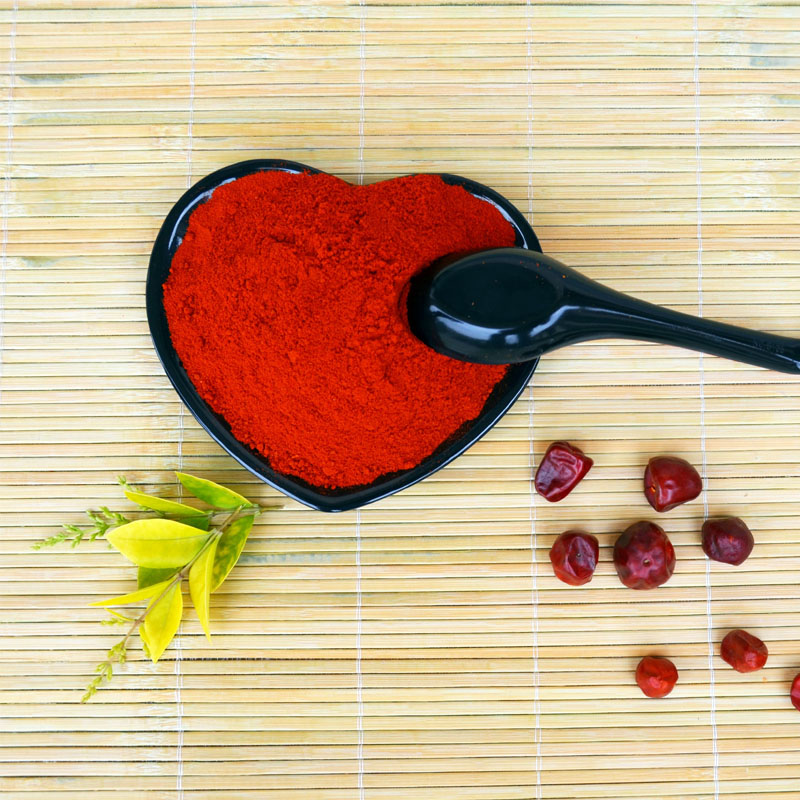
From the moment the dried pods are ground into that vibrant red dust, the powder’s quality, consistency, and heat level suddenly matter a whole lot more than your average kitchen pinch. In my experience, the difference between a poorly ground batch and a finely milled red pepper powder can make or break product flavor profiles downstream – so yeah, it’s not just about fiery taste, but the technical specifications that influence processing efficiency and end results.
Let me share a little anecdote: a client once approached us frustrated because their spice blending machines kept clogging. When I checked their red pepper powder specs — low moisture but inconsistent particle size — it all made sense. After switching to a supplier who provided more uniform granules with carefully controlled humidity, those pesky jams basically disappeared.
Key Specifications of Quality Red Pepper Powder
| Specification | Typical Range / Value | Remarks |
|---|---|---|
| Capsaicin Content | 0.8% – 2.5% | Determines heat intensity |
| Moisture | 7% max | Affects shelf life and flowability |
| Particle Size | 90% ≤ 150 mesh | Uniform grinding reduces clumps |
| Color (ASTA Units) | 50 – 80 | Indicates pigment quality |
| Foreign Matter | Ensures safety and purity |
In real terms, these specs are the language between producers, equipment manufacturers, and quality controllers. The capsicum variety, soil conditions, drying technique, and grinder calibration all weave into delivering that consistent powder you need for industrial-scale production. It’s not just heat; it’s a whole profile impacting aroma, color, and mixing behavior.
Vendor Comparison: Not All Red Pepper Powders Are Made Equal
| Feature | Vendor A | Vendor B | Vendor C (Hongri Spice) |
|---|---|---|---|
| Capsaicin Content | 1.5% | 1.2% | 2.0% |
| Moisture | 6.8% | 7.3% | 6.5% |
| Particle Size (mesh) | 85% ≤ 150 | 88% ≤ 120 | 95% ≤ 150 |
| Color (ASTA) | 65 | 60 | 75 |
| Foreign Matter (%) | 0.6% | 0.8% | 0.3% |
| Bulk Packaging | 25kg Bags | 20kg Bags | Customizable from 10kg to 50kg |
Frankly, Hongri Spice stands out because their attention to particle uniformity and moisture control directly feeds into hassle-free operation on the factory floor. I know that for any equipment engineer or process manager, those minor variances translate to enormous efficiency gains. Plus, their flexible packaging options easily accommodate specialized production runs — a neat feature when you’re juggling batch sizes.
The journey of red pepper powder from field to factory shelf is — I suppose — a glimpse of how industrial food supply chains obsess over details. Whether standardizing spice blends or meeting safety regulations, the raw material quality is at the heart of it all. And this quality-controlled red pepper powder isn’t just about fire; it’s about consistency, purity, and even the way it feels in the equipment.
So, the next time you encounter a batch of red pepper powder in an industrial context, remember it’s not simply a kitchen staple. It’s a product crafted with expertise, tested for standards, and carefully matched to equipment — a small but vital cog in food manufacturing machinery.
My takeaway? Never underestimate the specs behind the spice — a little powder can make a big impact.
References
-
Guide to Sourcing and Using Premium Dried Spicy PeppersNewsApr.16,2026
-
Dried Spur Chili Guide to Premium Flavor and Industrial QualityNewsApr.09,2026
-
Exploring the World of Dried Whole Chili Peppers and Their Culinary UsesNewsApr.07,2026
-
Exploring the Culinary World of Dried Whole Chillies and Their Versatile UsesNewsApr.04,2026
-
Exploring the World of Red Dried Chiles and Their Culinary UsesNewsMar.31,2026
-
Exploring the Culinary World of Red Dried Chili Peppers and Their Versatile UsesNewsMar.28,2026
 Afrikaans
 Albanian
 Amharic
 Arabic
 Armenian
 Azerbaijani
 Basque
 Belarusian
 Bengali
 Bosnian
 Bulgarian
 Catalan
 Cebuano
 Corsican
 Croatian
 Czech
Czech
 Danish
 Dutch
Dutch
 Esperanto
 Estonian
 Finnish
 French
 Frisian
 Galician
 Georgian
 German
 Greek
Greek
 Gujarati
 Haitian Creole
 Hausa
Hausa
 Hawaiian
 Hebrew
 Hindi
Hindi
 Miao
Miao
 Hungarian
 Icelandic
 Igbo
Igbo
 Indonesian
 Irish
Irish
 Italian
 Japanese
 Javanese
 Kannada
 Kazakh
 Khmer
Khmer
 Rwandese
 Korean
 Kurdish
 Kyrgyz
 Lao
Lao
 Latin
Latin
 Latvian
 Lithuanian
 Luxembourgish
 Macedonian
 Malgashi
 Malay
Malay
 Malayalam
 Maltese
 Maori
Maori
 Marathi
 Mongolian
 Myanmar
 Nepali
 Norwegian
 Norwegian
 Occitan
 Pashto
 Persian
 Polish
 Portuguese
 Punjabi
 Romanian
 Russian
 Samoan
 Scottish Gaelic
 Serbian
 Sesotho
 Shona
Shona
 Sindhi
 Sinhala
 Slovak
 Slovenian
 Somali
 Spanish
 Sundanese
 Swahili
 Swedish
 Tagalog
 Tajik
Tajik
 Tamil
Tamil
 Tatar
Tatar
 Telugu
 Thai
Thai
 Turkish
 Turkmen
 Ukrainian
 Urdu
Urdu
 Uighur
 Uzbek
Uzbek
 Vietnamese
 Welsh
Welsh
 Bantu
Bantu
 Yiddish
 Yoruba
 Zulu
Zulu
 English