- No. 268 Xianghe Street, Economic Development Zone of Xingtai city, Hebei 054001 China
- Byron@hbhongri.cn
Premium Spicy Pepper Powder for Industrial Use – Quality & Consistency
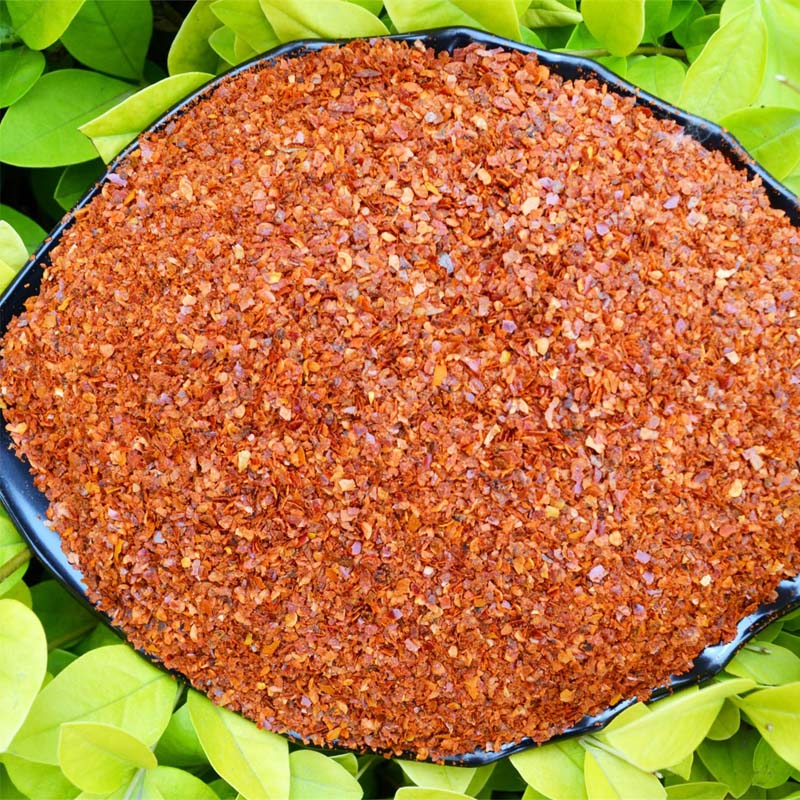
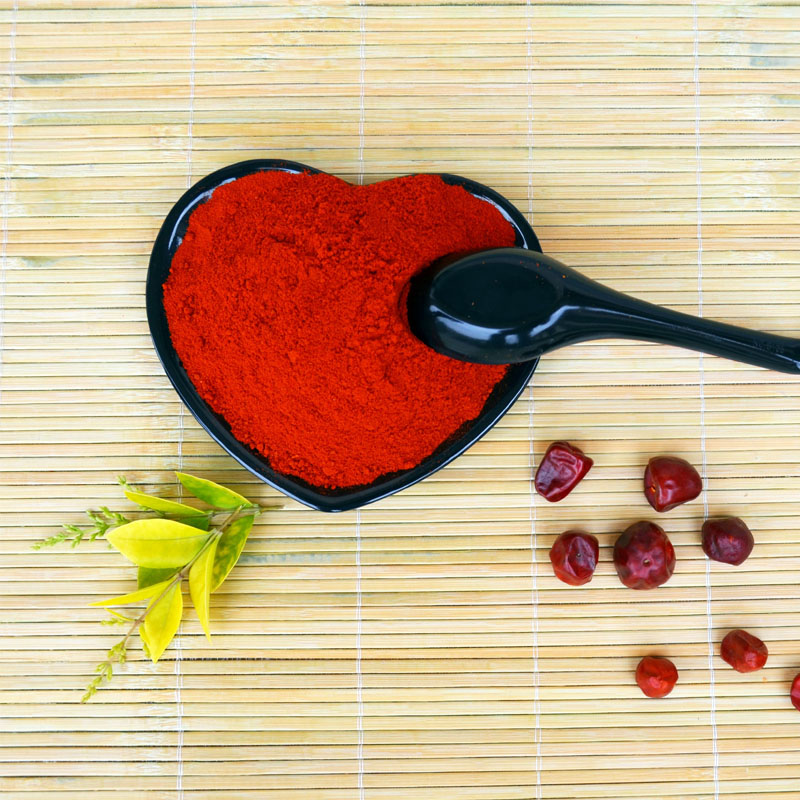
Understanding Spicy Pepper Powder in Industrial Applications
Having spent over a decade in the industrial equipment scene, I can say one of the more unexpectedly fascinating ingredients I’ve come across is spicy pepper powder. Oddly enough, this fiery little ingredient isn’t just about heat or flavor; it plays a surprisingly critical role in a range of manufacturing and food production environments.
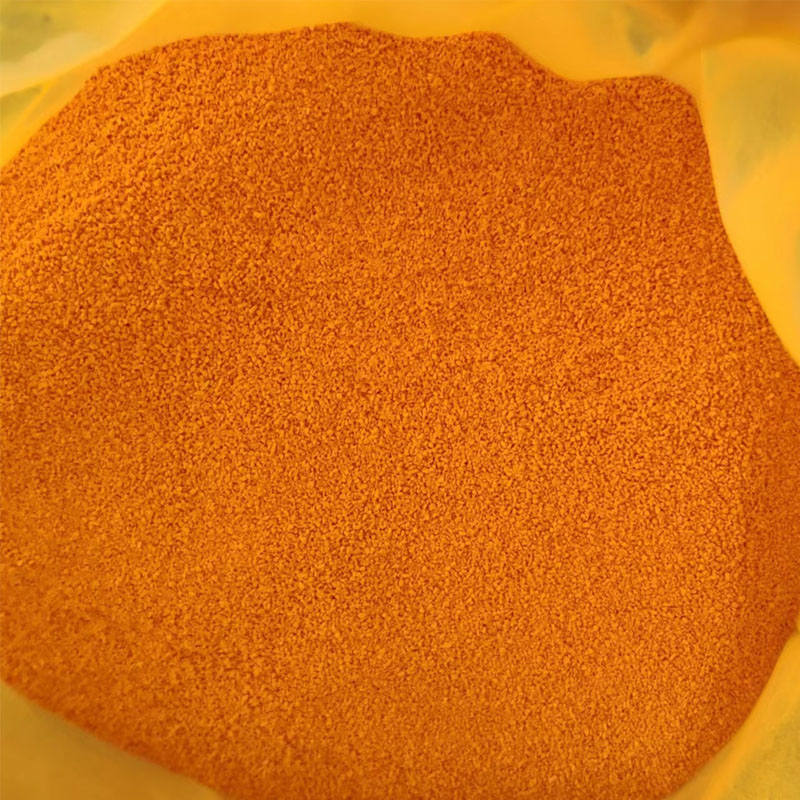
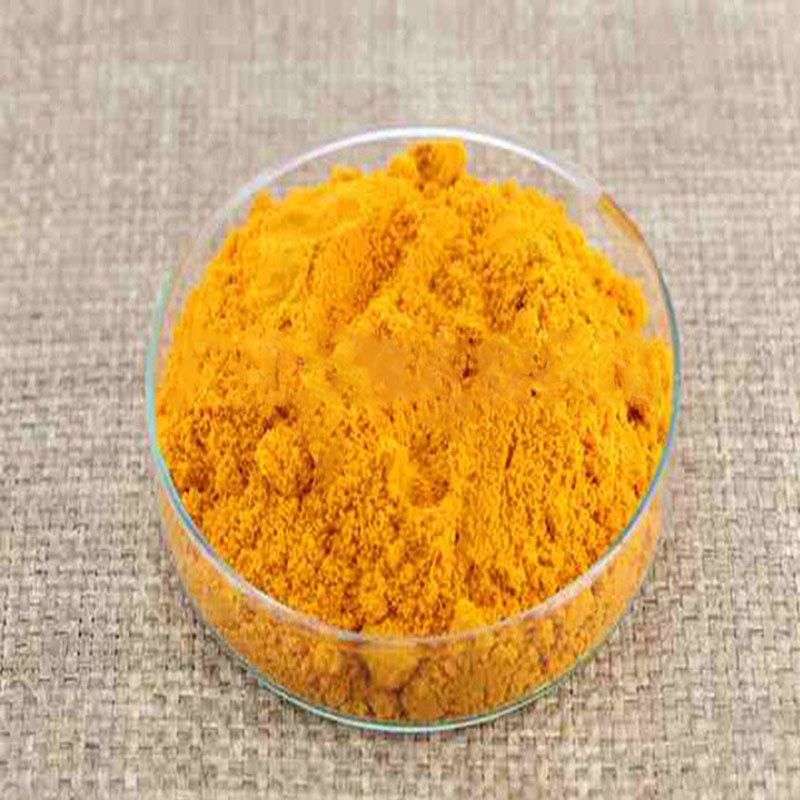
At first glance, spicy pepper powder might seem straightforward—ground dried peppers, packed with capsaicin and flavor. But in real terms, there's sophistication hidden in those fine grains. Its consistency, moisture content, and heat level actually influence everything from machine wear to product uniformity. I remember early on noticing how inconsistent pepper powder batches would clog or grind down certain types of industrial grinders faster than others. That’s when it hit me: this stuff really does need quality control as much as any bulk raw material.
The material usually comes from red chili peppers, carefully dried and milled to varying granulations. For industrial use, you want powder that’s dry enough to prevent mold or caking but still retains the robust heat and aroma that end-users expect. Plus, testing for capsaicin levels ensures the product meets heat thresholds—often measured in SHU (Scoville Heat Units). Many food processors and spice blenders rely on labs to verify this, especially when customizing blends.
Speaking of customization, one feature I find worth highlighting: producers like Hongri Spice (check them out at hongrispice.com) provide nuanced blends that cater to different industry needs. For example, their powders can be tailored to specific heat ratings or particle sizes to optimize flow properties in automated packing lines—no small feat when you think about equipment jamming due to irregular textures.
Let me share a quick anecdote: a client of mine in the snack food sector switched to a custom spicy pepper powder blend for their seasoning production. After several line stoppages with their previous supplier’s batches, the new powder’s consistent grind and moisture specs actually increased their packaging speed by nearly 15%. It’s a subtle gain, but in highly competitive markets, that kind of efficiency is gold.
Typical Spicy Pepper Powder Specifications
| Specification | Value / Range | Notes |
|---|---|---|
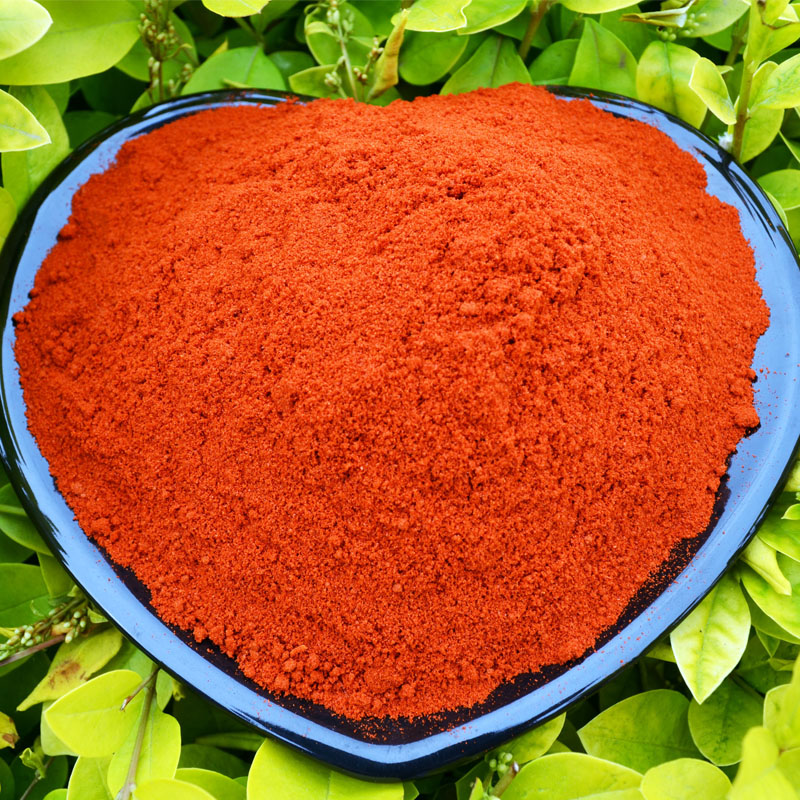
| Appearance | Fine red powder | Uniform particle size preferred |
| Moisture Content | 5% max | Caking risk increases with moisture |
| Capsaicin (Heat Level) | 30,000 – 50,000 SHU | Varies by pepper source |
| pH Level | 4.5 – 6.0 | Important for shelf stability |
| Particle Size | 200 – 400 microns | Affects flow in mixers and conveyors |
Spicy Pepper Powder Vendor Comparison
| Vendor | Customization Options | Price Range (per kg) | Quality Control | Lead Time |
|---|---|---|---|---|
| Hongri Spice | Heat level, particle size, packaging | $12–$18 | Batch testing, certificates available | 2–3 weeks |
| SpicePro Ltd. | Standard blends only | $10–$15 | Random sampling | 1–2 weeks |
| Global Spice Corp. | Heat level only | $14–$20 | Full lab certification | 3–4 weeks |
You know, it’s fascinating how something as ancient and edible as chili pepper powder finds such nuanced relevance in the industrial world—whether it’s for flavoring, testing machinery endurance, or ensuring product consistency across mass production. Choosing the right supplier isn’t just about cost—although that certainly matters—it’s about quality, reliability, and that little extra bit of customization that can save time and reduce headaches.
So, if you’re in the market for dependable spicy pepper powder with a clear focus on detail and quality, I’d definitely take a closer look at vendors like Hongri Spice. Their approach to blending traditional spice craftsmanship with modern industrial requirements is something I’ve watched evolve—and frankly, I’m quite impressed.
In a nutshell: spicy pepper powder might just be the unassuming hero of many complex industrial food processes.
References:
- Industrial Spice Applications: Challenges in Quality Control, Journal of Food Engineering, 2022.
- Capsaicin Content and Stability in Spicy Pepper Powder, Food Chemistry Research, 2021.
- Optimizing Particle Size for Food Processing Efficiency, Manufacturing Insights, 2023.
-
Guide to Sourcing and Using Premium Dried Spicy PeppersNewsApr.16,2026
-
Dried Spur Chili Guide to Premium Flavor and Industrial QualityNewsApr.09,2026
-
Exploring the World of Dried Whole Chili Peppers and Their Culinary UsesNewsApr.07,2026
-
Exploring the Culinary World of Dried Whole Chillies and Their Versatile UsesNewsApr.04,2026
-
Exploring the World of Red Dried Chiles and Their Culinary UsesNewsMar.31,2026
-
Exploring the Culinary World of Red Dried Chili Peppers and Their Versatile UsesNewsMar.28,2026
 Afrikaans
 Albanian
 Amharic
 Arabic
 Armenian
 Azerbaijani
 Basque
 Belarusian
 Bengali
 Bosnian
 Bulgarian
 Catalan
 Cebuano
 Corsican
 Croatian
 Czech
Czech
 Danish
 Dutch
Dutch
 Esperanto
 Estonian
 Finnish
 French
 Frisian
 Galician
 Georgian
 German
 Greek
Greek
 Gujarati
 Haitian Creole
 Hausa
Hausa
 Hawaiian
 Hebrew
 Hindi
Hindi
 Miao
Miao
 Hungarian
 Icelandic
 Igbo
Igbo
 Indonesian
 Irish
Irish
 Italian
 Japanese
 Javanese
 Kannada
 Kazakh
 Khmer
Khmer
 Rwandese
 Korean
 Kurdish
 Kyrgyz
 Lao
Lao
 Latin
Latin
 Latvian
 Lithuanian
 Luxembourgish
 Macedonian
 Malgashi
 Malay
Malay
 Malayalam
 Maltese
 Maori
Maori
 Marathi
 Mongolian
 Myanmar
 Nepali
 Norwegian
 Norwegian
 Occitan
 Pashto
 Persian
 Polish
 Portuguese
 Punjabi
 Romanian
 Russian
 Samoan
 Scottish Gaelic
 Serbian
 Sesotho
 Shona
Shona
 Sindhi
 Sinhala
 Slovak
 Slovenian
 Somali
 Spanish
 Sundanese
 Swahili
 Swedish
 Tagalog
 Tajik
Tajik
 Tamil
Tamil
 Tatar
Tatar
 Telugu
 Thai
Thai
 Turkish
 Turkmen
 Ukrainian
 Urdu
Urdu
 Uighur
 Uzbek
Uzbek
 Vietnamese
 Welsh
Welsh
 Bantu
Bantu
 Yiddish
 Yoruba
 Zulu
Zulu
 English