- No. 268 Xianghe Street, Economic Development Zone of Xingtai city, Hebei 054001 China
- Byron@hbhongri.cn
Nov . 27, 2025 08:15
Back to list
Understanding Paprika Pepper Types: Varieties, Uses & Global Impact
Discovering Paprika Pepper Types: More Than Just a Spice
If you think paprika is just that bright red powder sprinkled over deviled eggs or tucked neatly on top of Hungarian goulash, think again. Paprika pepper types represent a surprisingly diverse world that touches global cuisine, agriculture, and even economics. Understanding these variations isn’t just a foodie’s fancy — it’s about recognizing cultural heritage, trade, and health benefits across continents. Globally, paprika pepper varieties embody local climates, farming practices, and culinary traditions. According to [FAO](https://www.fao.org), peppers rank among the most widely grown spices worldwide, with paprika contributing both flavor and nutrition. Beyond taste, paprika plays a vital role in rural economies, especially in eastern Europe, Spain, and parts of Asia. The versatility and vibrant color of paprika originate from its myriad types — from sweet and mild to smoky and fiery. Mini takeaway: Paprika pepper types aren’t just different powders. They’re reflections of culture, climate, and commerce worldwide.Why Paprika Pepper Types Matter on the Global Stage
Paprika’s importance reaches far beyond the kitchen shelf. The United Nations Food and Agriculture Organization notes that the global chilli pepper market, including paprika, is projected to grow by roughly 5% annually, driven by consumer demand for natural colors and antioxidants. Plus, paprika’s antioxidant properties have attracted interest from health industries concerned with natural food preservatives. However, the challenge lies in standardization and quality control. Many countries produce paprika differently, leading to inconsistencies in flavor profile, pungency, and even color. For the food processing and export industry, this presents headaches — inconsistent product batches can damage brand reputation or lead to import restrictions. Identifying and understanding paprika pepper types guides producers and traders to navigate these challenges — ensuring better quality assurance and sustainable farming. It also helps consumers choose the right paprika for their dishes or nutritional needs. Mini takeaway: The global paprika market hinges on quality and diversity; knowing the types aids producers and consumers alike.What Are Paprika Pepper Types?
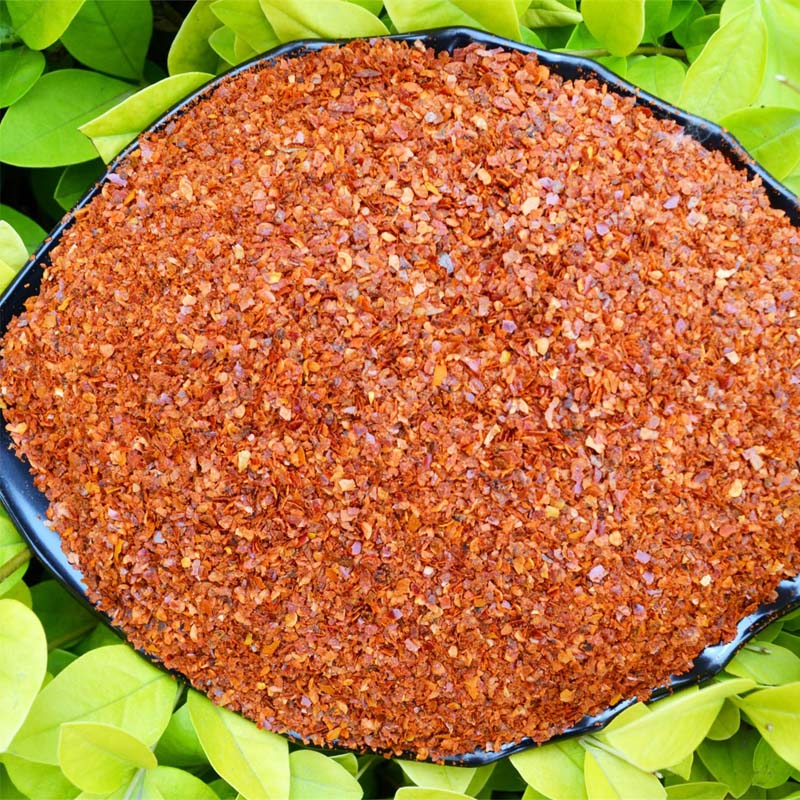
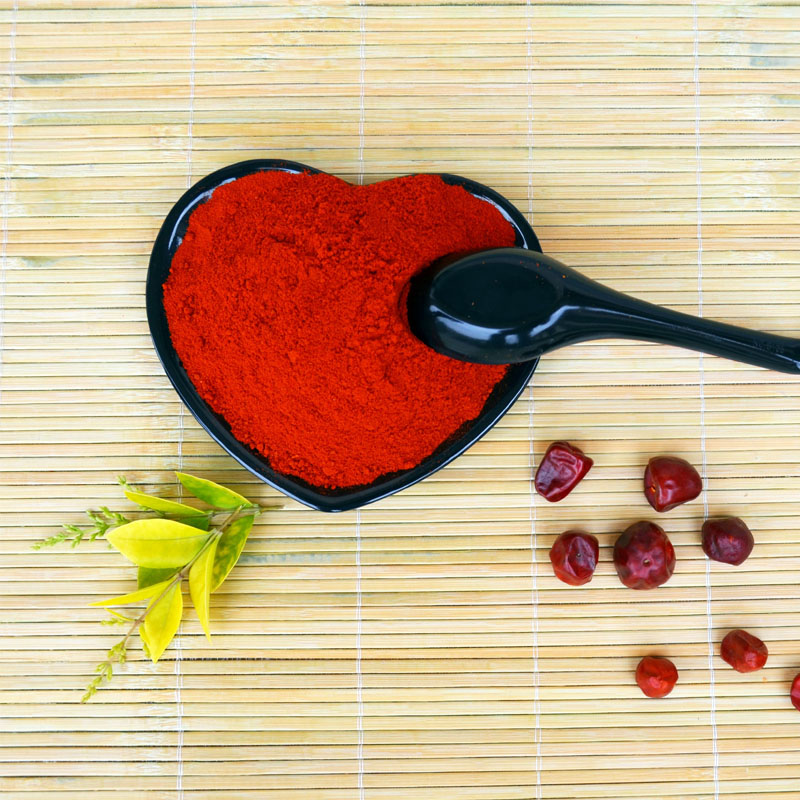
At its simplest, paprika pepper types refer to the varieties of Capsicum annuum peppers processed into ground paprika spices. These types differ by: - Heat level (sweet, medium, hot) - Color (deep red, orange, brownish) - Flavor notes (smoky, fruity, earthy) The most common branches are sweet paprika, smoked paprika (often called pimentón), and hot paprika. Geographically, paprika types can be traced to specific regions: Hungarian paprika, Spanish pimentón, and versatile types grown in the US, Turkey, or Morocco. In a more practical sense, paprika pepper types influence food product design, labeling, and marketing. The spice industry actively studies these types to meet international standards (ISO 8669), nutritional labeling, and flavor expectations. Mini takeaway: Paprika pepper types are varieties of ground peppers with specific heat and flavor, influencing industry and cuisine worldwide.Key Characteristics of Paprika Pepper Types
1. Heat Intensity
It might surprise you, but paprika isn't always mild. Ranges span from fruit-like sweetness to surprising heat. This variance hinges on the capsaicin content, impacting culinary use based on desired spiciness.2. Color Spectrum
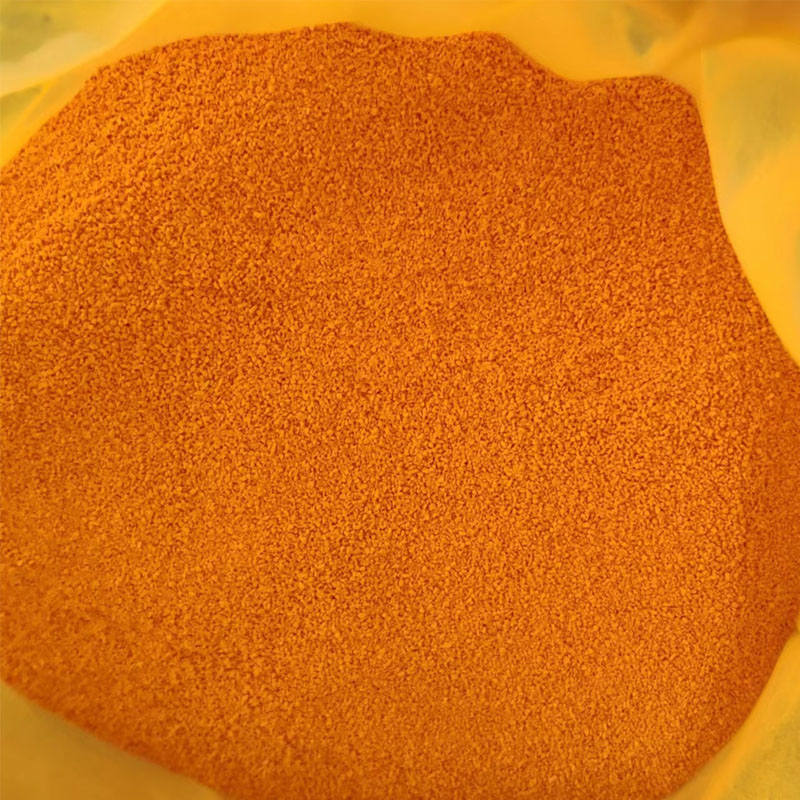
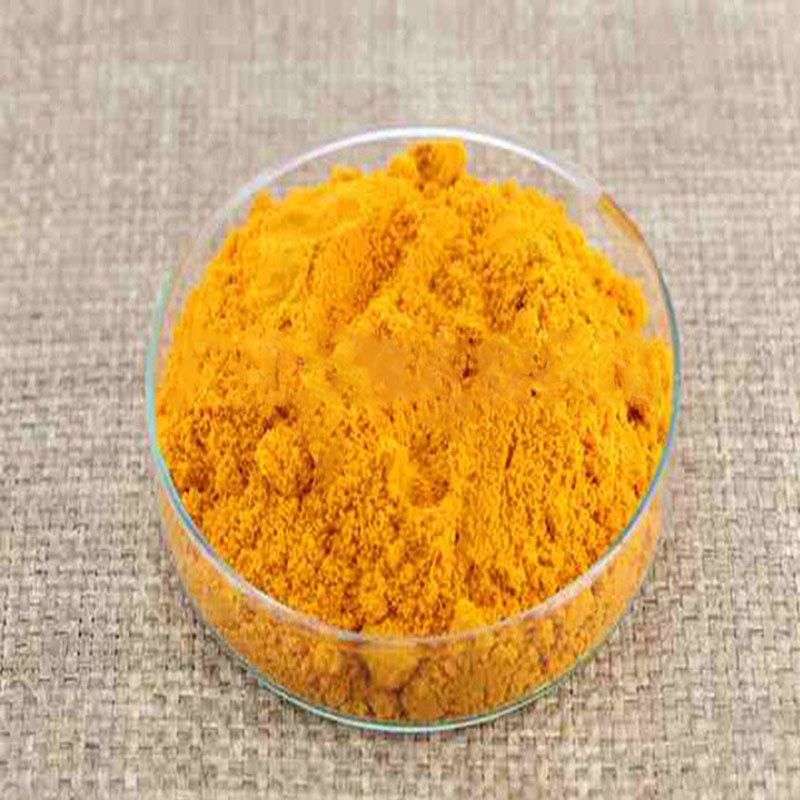
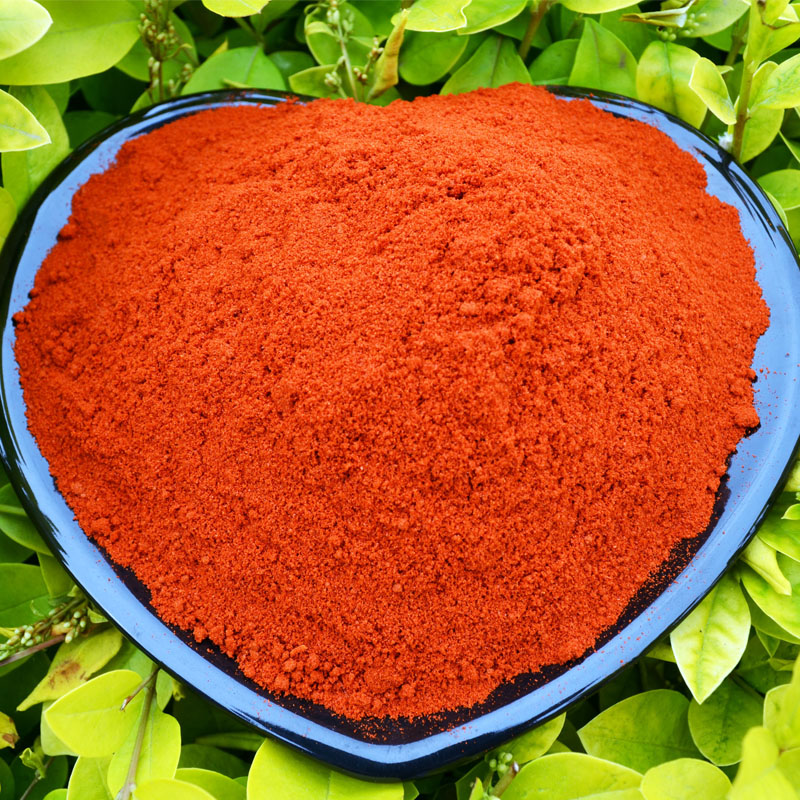
From bright scarlets to deep rusty oranges, the pigment carotenoids cause this. Color quality often signals freshness and aroma potential.3. Processing Methods
Some paprika types are air-dried, others smoked over oak or cherrywood. These nuances create signature taste profiles, like the famous smoky Spanish varieties.4. Origin & Terroir
Soil mineral content, climate, and altitude all influence flavor complexity and paprika texture — somewhat like wine grapes.5. Nutritional Value
Rich in Vitamin A, E, and antioxidants, paprika’s health benefits may vary with type and processing style.6. Crop Yield and Sustainability
Some paprika types yield more per hectare but may require heavier pesticides or water, affecting ecological footprint. Mini takeaway: The interplay between heat, color, processing, origin, nutrition, and sustainability defines paprika pepper types and their practical applications.Global Applications: Where Paprika Pepper Types Shine
Across the board, paprika pepper types leap from kitchen pantries to industrial spice blends. - Europe: Hungary and Spain remain the hallmark producers; Hungarian paprika defines traditional soups while Spanish smoked paprika adds depth to chorizos and stews. - North America: The US and Mexico use diverse paprika types in snack seasonings and sauces. - Asia: Turkey and India integrate paprika into spice mixes balancing heat and color. In humanitarian contexts, paprika’s antioxidants have inspired natural preservative research, promoting safer stored foods in vulnerable regions. One notable example? In post-disaster food relief, paprika’s preservative qualities have extended shelf life in rationed meals — a small but meaningful contribution to food security. Mini takeaway: Paprika pepper types serve regional culinary identities, industrial spice applications, and even humanitarian food programs worldwide.Advantages and Long-Term Value of Understanding Paprika Pepper Types
From an agricultural point of view, selecting paprika types adapted to local climates ensures farm resilience. For manufacturers, tapping into the right paprika type avoids costly recalls due to flavor inconsistency or colored powder degradation. Emotions matter here too — paprika’s vibrant red color evokes warmth, tradition, and passion in dishes. Genuine, authenticated paprika types build trust with consumers demanding transparency. Long-term, paprika pepper types encourage sustainable farming practices that safeguard soil health and biodiversity. Mini takeaway: Recognizing paprika varieties blends practical, economic, and emotional factors, resulting in sustainability and consumer trust.Emerging Trends & Innovations in Paprika Pepper Types
The spice industry isn’t standing still. Researchers are exploring genetically optimized pepper varieties to boost yields while reducing environmental impact. New drying techniques like freeze-drying aim to preserve more antioxidants and flavor compounds versus traditional methods. Also, smart packaging with QR codes allows consumers to trace paprika origins — a big win for transparency, especially in premium markets. Digital transformation affects supply chains too: blockchain tech gives spice buyers confidence in quality and fair trade, especially for artisanal paprika producers. Mini takeaway: Tech and science are shaking up paprika pepper types, offering enhanced quality, traceability, and sustainability.Challenges and How Experts Solve Them
Paprika producers often struggle with: - Weather variability affecting crop quality - Contamination with peppers of unknown heat levels causing labeling issues - Maintaining smoke flavor consistency for smoked varieties Innovative approaches include seed certification programs, precision agriculture monitoring soil moisture and pest populations, and centralized processing facilities that standardize drying and grinding. These efforts help reduce batch variability — a longtime thorn in paprika’s side. Mini takeaway: Challenges around quality and consistency are addressed by modern seed tech, monitoring, and improved processing.FAQ: Your Questions About Paprika Pepper Types Answered
Q1: What are the main differences between sweet and hot paprika types?A1: Sweet paprika contains less capsaicin, offering mild, fruity flavor without heat. Hot paprika has higher capsaicin content, adding spiciness. Depending on culinary use, you’d choose accordingly. Q2: How can smoked paprika types affect a recipe?
A2: Smoked paprika imparts deep smoky notes without adding heat unless it’s also a hot variety. It’s great for stews, meats, and sauces needing complexity. Q3: Is all paprika gluten-free and safe for allergies?
A3: Pure paprika is gluten-free, but cross-contamination can occur during processing. Always check labels if you have allergies or celiac concerns. Q4: Can I grow paprika peppers at home for my own paprika powder?
A4: Certainly! Many gardeners grow mild or hot peppers suitable for drying and grinding. Climate and care affect heat and color, so your paprika will have unique traits. Q5: How does paprika packaging ensure freshness?
A5: Vacuum-sealing and oxygen absorbers prevent oxidation, which dulls color and flavor. Light-proof packaging also extends shelf life.
A Quick Look at Popular Paprika Pepper Specifications
| Paprika Type | Heat Level (SHU) | Color Intensity (ASTA) | Flavor Notes | Common Origin |
|---|---|---|---|---|
| Hungarian Sweet Paprika | 0-500 | 120-150 | Fruity, mild | Hungary |
| Spanish Smoked Paprika (Pimentón) | 250-1000 | 130-160 | Smoky, medium heat | Spain |
| Hot Paprika | 1000-4000 | 110-140 | Spicy, pungent | Various |
Vendor Comparison: Paprika Pepper Type Suppliers
| Supplier | Origin | Certification | Specialty | Average MOQ | Price Range (USD/kg) |
|---|---|---|---|---|---|
| PaprikaCo Hungary | Hungary | ISO 9001, Organic | Sweet & Hot Paprika | 500 kg | 5-10 |
| Spanish Spice Imports | Spain | IFS, Fair Trade | Smoked Paprika | 300 kg | 6-12 |
| Global Spice Traders | Turkey | HACCP | Hot Paprika, Bulk | 1000 kg | 4-8 |
Wrapping Up: A Nod to Paprika’s Richness and Complexity
Oddly enough, a simple sprinkle of paprika powder can encapsulate centuries of agriculture, culture, and science. For chefs, food producers, and spice enthusiasts alike, grasping the nuances of paprika pepper types opens doors to more informed choices — whether to achieve a signature flavor or support sustainable farming. If you want to dive deeper into the different varieties, their culinary uses, or sourcing options, don’t forget to check out our related page on paprika pepper types. There’s always more spice to life than meets the eye. Cheers to the vibrant, versatile, and sometimes fiery world of paprika!References:
Latest news
-
Guide to Sourcing and Using Premium Dried Spicy PeppersNewsApr.16,2026
-
Dried Spur Chili Guide to Premium Flavor and Industrial QualityNewsApr.09,2026
-
Exploring the World of Dried Whole Chili Peppers and Their Culinary UsesNewsApr.07,2026
-
Exploring the Culinary World of Dried Whole Chillies and Their Versatile UsesNewsApr.04,2026
-
Exploring the World of Red Dried Chiles and Their Culinary UsesNewsMar.31,2026
-
Exploring the Culinary World of Red Dried Chili Peppers and Their Versatile UsesNewsMar.28,2026
 Afrikaans
 Albanian
 Amharic
 Arabic
 Armenian
 Azerbaijani
 Basque
 Belarusian
 Bengali
 Bosnian
 Bulgarian
 Catalan
 Cebuano
 Corsican
 Croatian
 Czech
Czech
 Danish
 Dutch
Dutch
 Esperanto
 Estonian
 Finnish
 French
 Frisian
 Galician
 Georgian
 German
 Greek
Greek
 Gujarati
 Haitian Creole
 Hausa
Hausa
 Hawaiian
 Hebrew
 Hindi
Hindi
 Miao
Miao
 Hungarian
 Icelandic
 Igbo
Igbo
 Indonesian
 Irish
Irish
 Italian
 Japanese
 Javanese
 Kannada
 Kazakh
 Khmer
Khmer
 Rwandese
 Korean
 Kurdish
 Kyrgyz
 Lao
Lao
 Latin
Latin
 Latvian
 Lithuanian
 Luxembourgish
 Macedonian
 Malgashi
 Malay
Malay
 Malayalam
 Maltese
 Maori
Maori
 Marathi
 Mongolian
 Myanmar
 Nepali
 Norwegian
 Norwegian
 Occitan
 Pashto
 Persian
 Polish
 Portuguese
 Punjabi
 Romanian
 Russian
 Samoan
 Scottish Gaelic
 Serbian
 Sesotho
 Shona
Shona
 Sindhi
 Sinhala
 Slovak
 Slovenian
 Somali
 Spanish
 Sundanese
 Swahili
 Swedish
 Tagalog
 Tajik
Tajik
 Tamil
Tamil
 Tatar
Tatar
 Telugu
 Thai
Thai
 Turkish
 Turkmen
 Ukrainian
 Urdu
Urdu
 Uighur
 Uzbek
Uzbek
 Vietnamese
 Welsh
Welsh
 Bantu
Bantu
 Yiddish
 Yoruba
 Zulu
Zulu
 English