- No. 268 Xianghe Street, Economic Development Zone of Xingtai city, Hebei 054001 China
- Byron@hbhongri.cn
Understanding Paprika Price: Key Factors, Global Impact & Future Trends | Hongri Spice
The Curious Case of Paprika Price: More Than Just a Spice Market Figure
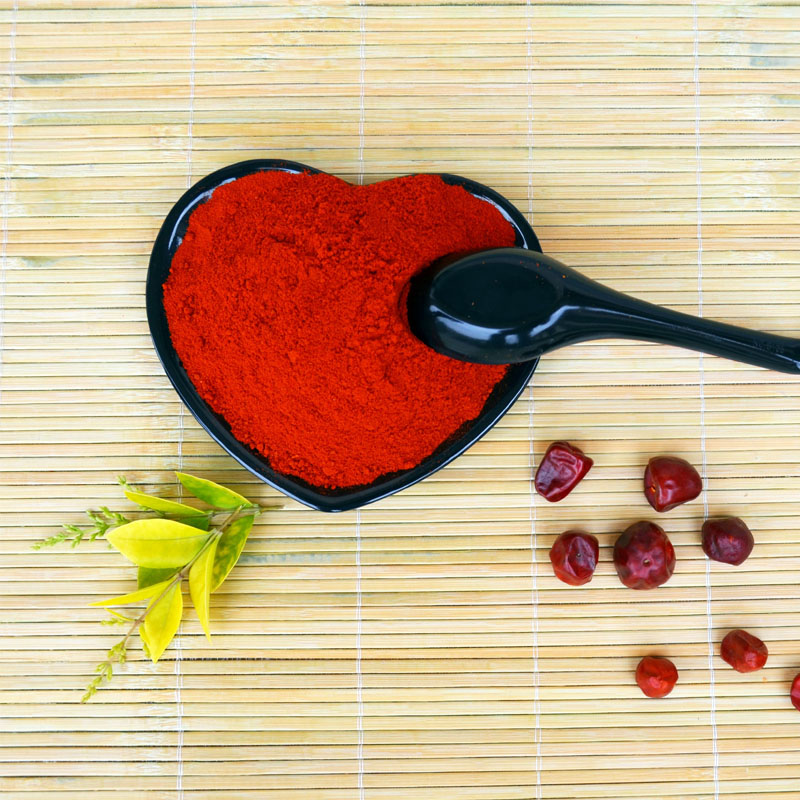
Paprika price — it might sound like just a number read on grocery store labels or import-export logs, but it’s far more significant than we often realize. This seemingly simple figure impacts farmers, traders, culinary industries, and even global trade markets. How so? Understanding paprika price can reveal larger stories about agriculture economics, supply chain dynamics, and consumer trends worldwide. And if you’re in food production or spice trading, grasping these nuances can mean better decisions, smarter sourcing, and yes, saving money.
Introduction: Global Context of Paprika Pricing
Globally, paprika is a staple spice that races through food cultures from Hungary to India, yet its pricing often fluctuates due to variable factors like crop yields, climate, and demand shifts. According to Wikipedia, paprika is made from dried and ground Capsicum annuum peppers and not only lends color and flavor but has medicinal and preservative uses. The paprika price in international markets can swing wildly, impacting trade balances and farmers’ livelihoods, especially in countries where agriculture dominates the economy.
Data from the Food and Agriculture Organization (FAO) indicates periodic shortages that cause price spikes, putting pressure on both wholesalers and retail consumers. The World Bank also notes that agricultural commodities’ price volatility directly affects food security—paprika included. Tackling paprika price challenges has become a topic of interest for policymakers, traders, and manufacturers alike because an unstable market can cascade into larger economic issues.
Mini Takeaway: Paprika price matters more than you’d think — it’s a bellwether of agricultural health, market stability, and even food culture economics worldwide.
What Exactly is Paprika Price?
In plain terms, paprika price is simply the cost per unit weight (usually per kilogram or ton) of paprika in the marketplace. Yet, it’s tied closely to the factors determining supply and demand, including harvest quality, transportation costs, and consumer preferences.
More importantly, paprika price connects to the larger supply chain — from farmers in the fields drying peppers, through processors who grind and package, to distributors and ultimately end-users. This chain reflects broader industrial trends, such as mechanization, globalization of trade, and even humanitarian concerns around food accessibility.
Key Factors Affecting Paprika Price
1. Agricultural Conditions & Climate
Since paprika comes from specific types of peppers prone to weather changes, droughts, or flooding can undermine yields. For example, a dry summer in Hungary—one of the premium paprika producers—could slash output and drive prices up.
2. Processing & Quality
Not all paprika is created equal. Smoked, sweet, hot, or organic variants demand different prices. The more labor-intensive the processing, the higher the cost, influencing the final paprika price.
3. Transportation & Logistics
Spices are global goods, moving from the fields in Eastern Europe, Turkey, or India to markets worldwide. Shipping fees, customs, and tariffs all layer into costs and thus affect prices consumers and producers see.
4. Market Demand & Consumer Trends
Interest in ethnic cuisines or healthier organic products can spike demand suddenly. For instance, rising popularity of Hungarian dishes or clean-label foods can give paprika price a bump.
5. Currency Fluctuations
International paprika price is obviously tied to exchange rates, impacting export competitiveness and importer costs.
Mini Takeaway: Paprika price is a complex blend of weather, quality, logistics, demand, and currency—each playing a role that businesses should monitor.
Paprika Price in Action: Real-World Applications
The paprika price affects a range of stakeholders:
- Farmers: In regions like Hungary and Spain, paprika is a cash crop—price swings can alter livelihoods.
- Food Manufacturers: Paprika price impacts cost projections for products like sausages, snacks, and sauces.
- Exporters & Importers: Understanding paprika price trends aids strategic procurement and inventory.
- Humanitarian Organizations: In emergency food aid programs, spice pricing influences food kit budgeting and nutrition quality.
Oddly enough, paprika price sometimes serves as a proxy for spice market health overall. When paprika prices surge, related spices like chili powder or cayenne sometimes follow. In relief operations after disasters, NGOs rely on stabilized spice pricing to keep food supplies culturally acceptable and nutritious—small detail, but one that affects dignity for affected communities.
Product Specification Table: A Quick Look at Paprika Varieties & Pricing
| Paprika Type | Flavor Profile | Typical Price (USD/kg) | Primary Producing Region |
|---|---|---|---|
| Sweet Paprika | Mild, slightly sweet | $3.50 - $5.50 | Hungary, Spain |
| Smoked Paprika | Smoky, rich | $4.00 - $6.00 | Spain (La Vera) |
| Hot Paprika | Spicy and pungent | $3.75 - $5.75 | Hungary, India |
| Organic Paprika | Pure, unprocessed | $5.50 - $8.00 | Various |
Advantages and Long-Term Value of Monitoring Paprika Price
From a business perspective, keeping an eye on paprika prices offers multiple benefits:
- Cost Control: Better budget forecasting and procurement timing.
- Sustainability Insights: Spotting price trends linked to environmental shifts helps in sourcing responsibly.
- Market Positioning: Producers can adjust products or marketing based on spice affordability trends.
- Social Impact: Stable paprika prices ensure fair compensation for farmers, promoting rural economies.
Psychologically, affordable and well-priced spices like paprika maintain consumer trust and brand intimacy—nobody wants their favorite smoked paprika suddenly unaffordable. Emotionally, there’s comfort in a stable pantry.
Future Trends: What’s Next for Paprika Pricing?
The paprika industry is not immune to innovation. Several trends are shaping the future of paprika price and supply:
- Organic and Sustainable Farming: Growers are adopting green practices to meet eco-conscious demand, which might push prices a bit but yield quality and market premiums.
- Automation in Harvesting: Robotics and AI aid quality control and reduce labor costs, hopefully translating into more stable paprika prices.
- Blockchain in Supply Chain: Transparency on paprika provenance can boost consumer confidence and filter out counterfeit or adulterated products.
- Climate Adaptation Research: Scientists are developing pepper varieties resistant to drought and pests, potentially balancing future paprika price swings.
Challenges & Solutions in the Paprika Market
Not everything is rosy, of course. Farmers often face unpredictable weather, and many smallholders lack resources for quality processing, leading to price disparities. Tariffs and trade policies can unpredictably spike costs further. Meanwhile, price volatility can push some producers out of business or lead to supply shortages.
However, innovations in microfinancing for farmers, cooperative business models, and direct-to-consumer platforms help缓解 some challenges. Plus, international bodies like the UN have programs aiming to stabilize agricultural commodity prices, including spices—aimed at both economic development and food security.
Vendor Comparison Table: Key Players & Pricing Models
| Vendor | Price Range (USD/kg) | Quality Assurance | Sourcing Regions | Additional Services |
|---|---|---|---|---|
| Hungarian Spice Co. | $3.5 - $6 | ISO 9001, Organic Certified | Hungary, EU | Private label, bulk shipping |
| Indian Spice Traders | $2.8 - $5 | FSSAI, Organic Available | India, Asia | Custom blends, shipment tracking |
| Global Spice Imports | $3.0 - $6.5 | Global GAP Certified | Multiple regions worldwide | End-to-end logistics, customs support |
FAQ: Answers to Your Paprika Price Questions
Q1: Why does paprika price fluctuate so often?
Primarily due to climate variability affecting harvests, shifts in global demand, and logistics costs. Currency changes and trade policies can also cause short-term fluctuations. The spice market’s global nature means external factors like fuel price hikes ripple through paprika pricing.
Q2: How can I get the best paprika price for my business?
Monitoring seasonal price trends helps. Buying directly from producers during peak harvest can save costs. Also, partnering with vendors offering volume discounts, and considering alternative paprika types, such as bulk unprocessed varieties, can yield savings.
Q3: Is organic paprika always more expensive?
Generally yes, because organic farming requires more labor and avoids synthetic chemicals, which reduces yields but boosts quality perception. However, prices vary by source and certification costs. Some buyers find the premium worth it for market differentiation.
Q4: Does paprika price impact food aid programs?
Absolutely. Stable paprika prices allow NGOs to plan balanced, culturally appropriate food packages without overspending. Price spikes can reduce variety or nutrition. Hence, aid organizations watch spice market trends closely.
Q5: Can technology stabilize paprika prices?
Emerging tech in predictive analytics, blockchain for traceability, and improved crop science are helping smooth supply chain issues. While not a cure-all, tech-driven transparency and efficiency naturally support price stability over time.
Wrapping Up: Why Understanding Paprika Price Matters
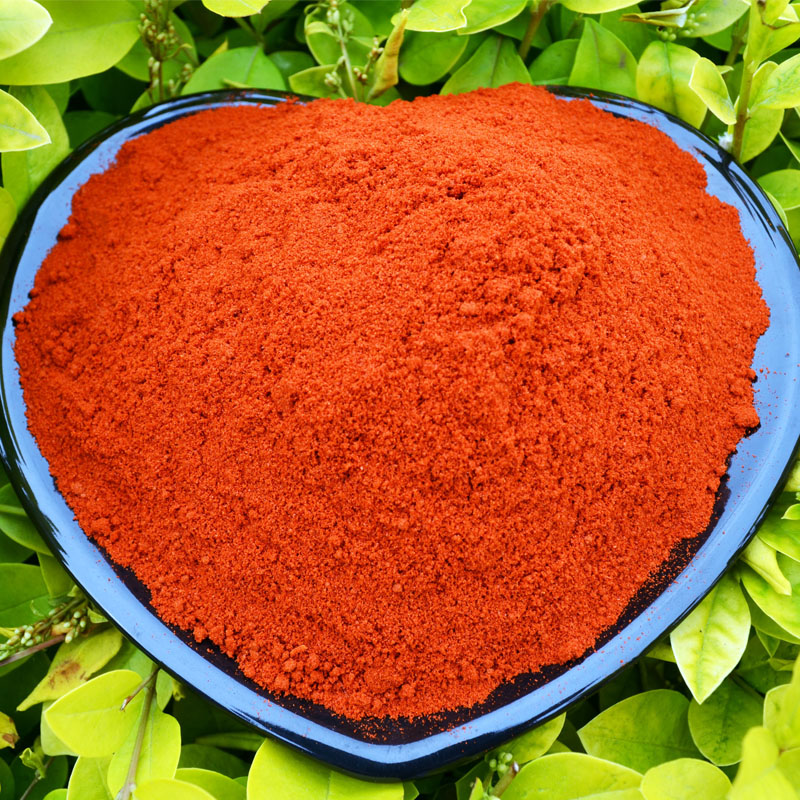
In the end, paprika price offers a fascinating window into a small yet globally intertwined agricultural commodity. Its fluctuations tell stories about weather, trade, culture, and economics. For buyers, sellers, and policy makers, mastering these price points isn’t just about cost — it’s a strategic approach to sustainability, quality, and market opportunity. Next time you sprinkle paprika on your dish, maybe you’ll think about the whole journey behind that humble red powder.
Interested in more insights or sourcing details? Check out our site at https://www.hongrispice.com.
References

-
Guide to Sourcing and Using Premium Dried Spicy PeppersNewsApr.16,2026
-
Dried Spur Chili Guide to Premium Flavor and Industrial QualityNewsApr.09,2026
-
Exploring the World of Dried Whole Chili Peppers and Their Culinary UsesNewsApr.07,2026
-
Exploring the Culinary World of Dried Whole Chillies and Their Versatile UsesNewsApr.04,2026
-
Exploring the World of Red Dried Chiles and Their Culinary UsesNewsMar.31,2026
-
Exploring the Culinary World of Red Dried Chili Peppers and Their Versatile UsesNewsMar.28,2026
 Afrikaans
 Albanian
 Amharic
 Arabic
 Armenian
 Azerbaijani
 Basque
 Belarusian
 Bengali
 Bosnian
 Bulgarian
 Catalan
 Cebuano
 Corsican
 Croatian
 Czech
Czech
 Danish
 Dutch
Dutch
 Esperanto
 Estonian
 Finnish
 French
 Frisian
 Galician
 Georgian
 German
 Greek
Greek
 Gujarati
 Haitian Creole
 Hausa
Hausa
 Hawaiian
 Hebrew
 Hindi
Hindi
 Miao
Miao
 Hungarian
 Icelandic
 Igbo
Igbo
 Indonesian
 Irish
Irish
 Italian
 Japanese
 Javanese
 Kannada
 Kazakh
 Khmer
Khmer
 Rwandese
 Korean
 Kurdish
 Kyrgyz
 Lao
Lao
 Latin
Latin
 Latvian
 Lithuanian
 Luxembourgish
 Macedonian
 Malgashi
 Malay
Malay
 Malayalam
 Maltese
 Maori
Maori
 Marathi
 Mongolian
 Myanmar
 Nepali
 Norwegian
 Norwegian
 Occitan
 Pashto
 Persian
 Polish
 Portuguese
 Punjabi
 Romanian
 Russian
 Samoan
 Scottish Gaelic
 Serbian
 Sesotho
 Shona
Shona
 Sindhi
 Sinhala
 Slovak
 Slovenian
 Somali
 Spanish
 Sundanese
 Swahili
 Swedish
 Tagalog
 Tajik
Tajik
 Tamil
Tamil
 Tatar
Tatar
 Telugu
 Thai
Thai
 Turkish
 Turkmen
 Ukrainian
 Urdu
Urdu
 Uighur
 Uzbek
Uzbek
 Vietnamese
 Welsh
Welsh
 Bantu
Bantu
 Yiddish
 Yoruba
 Zulu
Zulu
 English