Paprika spice mix, a vibrant blend derived from dried peppers of the Capsicum annuum family, is more than just a culinary ingredient. Its journey from ancient cultivation to modern global markets underscores its significance in food, health, and even industrial applications. Understanding the nuances of paprika spice mix – its varieties, chemical composition, and production methods – is crucial for businesses and consumers alike seeking quality, authenticity, and innovative solutions. The global demand for natural colorants and flavorings continues to drive the paprika market, making it a dynamic and evolving sector.
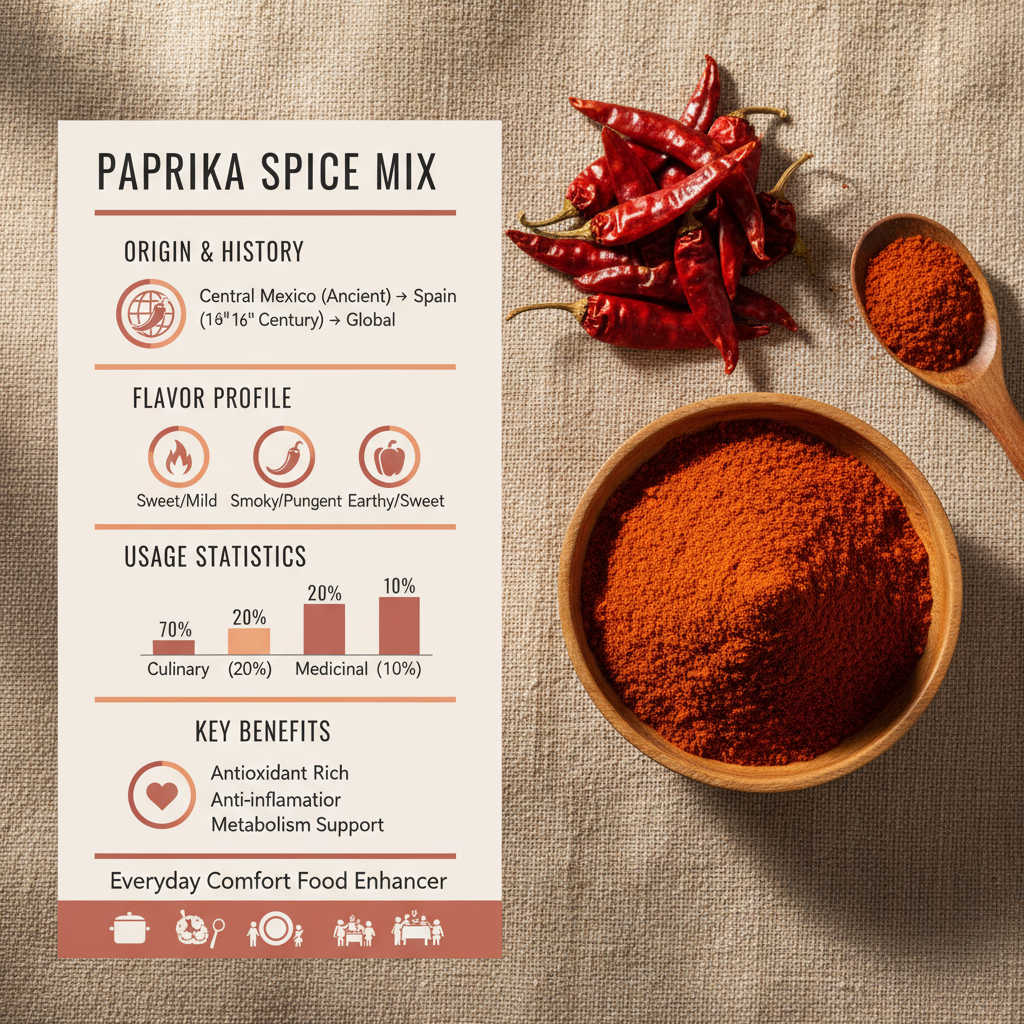
Historically, paprika’s roots lie in Central and South America, but its prominence blossomed in Hungary, where it became a national spice and a cornerstone of Hungarian cuisine. Today, paprika is cultivated across various regions, including Spain, India, China, and the United States. This global distribution reflects the increasing consumer interest in diverse flavors and the spice’s versatility in countless dishes. However, challenges such as climate change, supply chain disruptions, and maintaining consistent quality pose ongoing concerns for the industry.
This comprehensive guide explores the multifaceted world of paprika spice mix, delving into its definition, key components, applications, advantages, future trends, and potential challenges. Whether you’re a food manufacturer, a chef, or a curious consumer, this resource aims to provide valuable insights into this captivating spice.
What is Paprika Spice Mix?
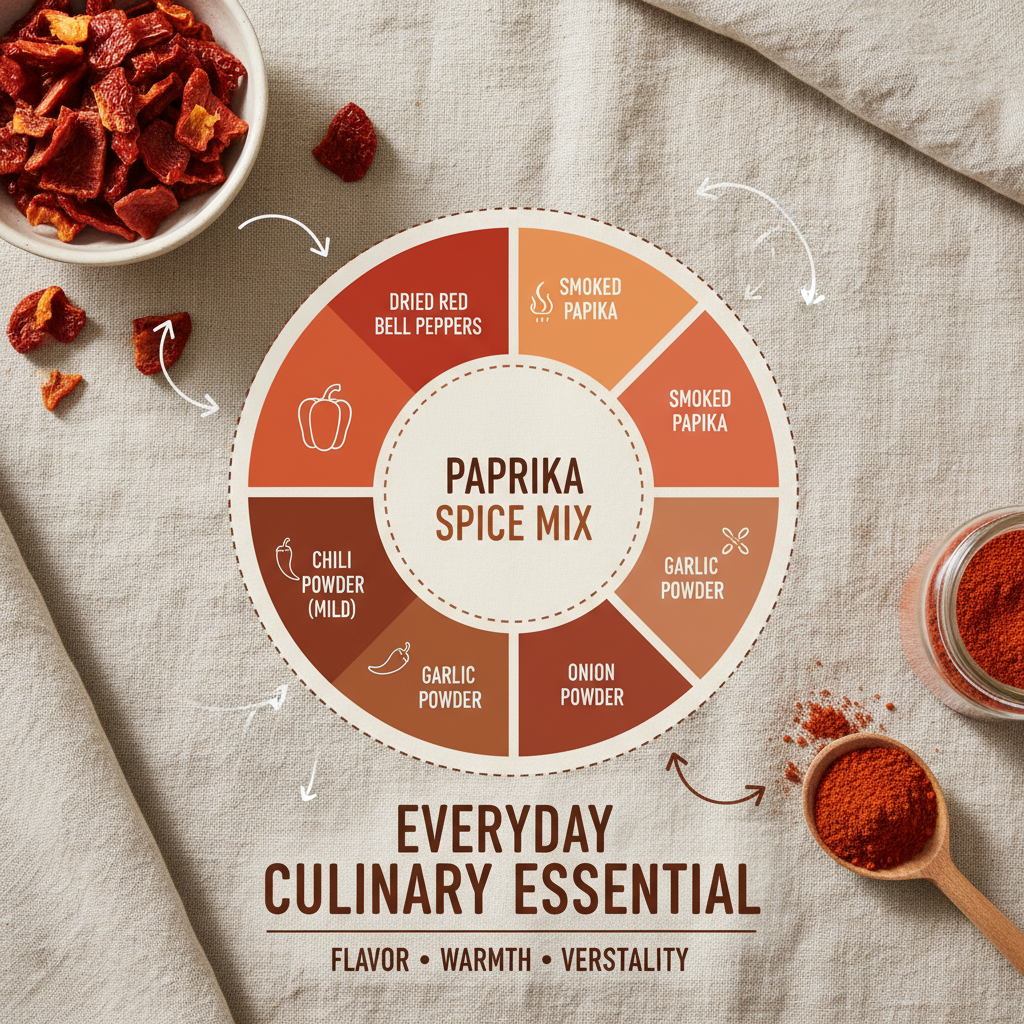
Paprika spice mix isn’t simply one spice, but a blend created from grinding dried fruits of the Capsicum annuum pepper family. The color and flavor profile of the resulting paprika spice mix are highly dependent on the specific pepper varieties used, growing conditions, and processing techniques. From sweet and mild to smoky and hot, paprika spice mix offers a spectrum of flavors that cater to diverse culinary preferences.
The quality of paprika spice mix is crucial, as it directly impacts the final product’s color, aroma, and taste. Factors such as the pepper’s origin, harvesting methods, drying processes, and grinding fineness all play a role in determining its overall quality. High-quality paprika spice mix should exhibit a vibrant color and a rich, authentic aroma without any off-flavors or impurities.
Global Significance and Market Overview
The global paprika market is a significant component of the wider spice and seasoning industry. According to recent data from the Food and Agriculture Organization of the United Nations (FAO), demand for natural food colorants and flavorings is steadily increasing, driven by consumer preferences for clean-label products. Paprika spice mix, a natural source of both color and flavor, is well-positioned to capitalize on this trend. In 2023, the global paprika market was valued at approximately USD 2.3 billion and is projected to reach USD 3.1 billion by 2029, exhibiting a CAGR of 5.2% during the forecast period.
However, the paprika spice mix market faces several challenges, including fluctuating pepper prices due to weather conditions and geopolitical factors. Climate change poses a significant threat to paprika production in key growing regions, leading to potential supply shortages and price volatility. Furthermore, concerns regarding the authenticity and purity of paprika spice mix, particularly the presence of adulterants and contaminants, necessitate stringent quality control measures.
The primary drivers of growth in the paprika spice mix market include the expanding food processing industry, rising demand for convenience foods, and the increasing popularity of ethnic cuisines that heavily utilize paprika. Major producing countries include Hungary, Spain, India, China, and the United States, while key consuming regions include Europe, North America, and Asia-Pacific.
Defining Paprika Spice Mix: Composition and Types
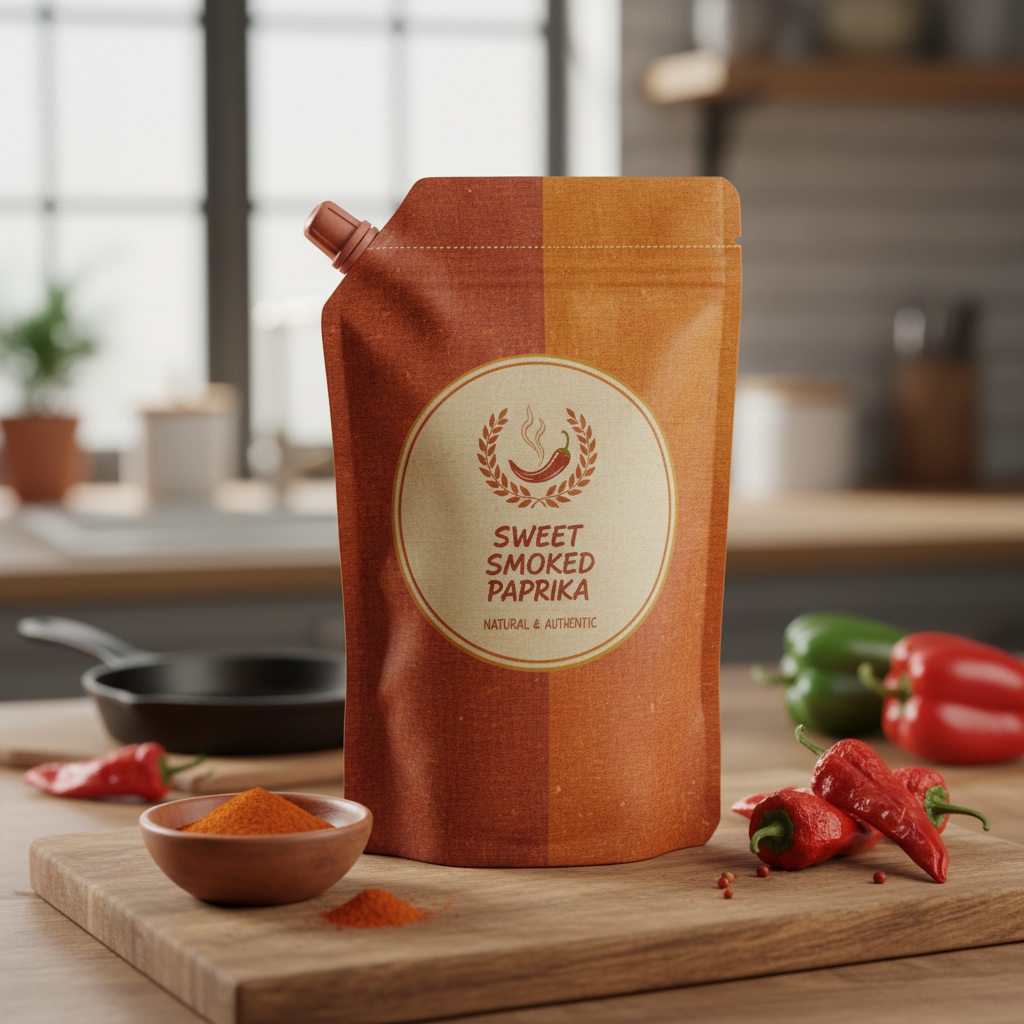
Paprika spice mix is categorized based on its flavor profile, which is directly linked to the types of peppers used in its creation. The most common types include sweet paprika, made from mild pepper varieties with a fruity and slightly sweet flavor; smoked paprika, produced by drying peppers over oak wood fires, imparting a distinct smoky aroma and flavor; and hot paprika, crafted from spicier pepper varieties, offering a more intense heat. There are also variations like Hungarian paprika, which is further divided into grades based on color and Scoville heat units.
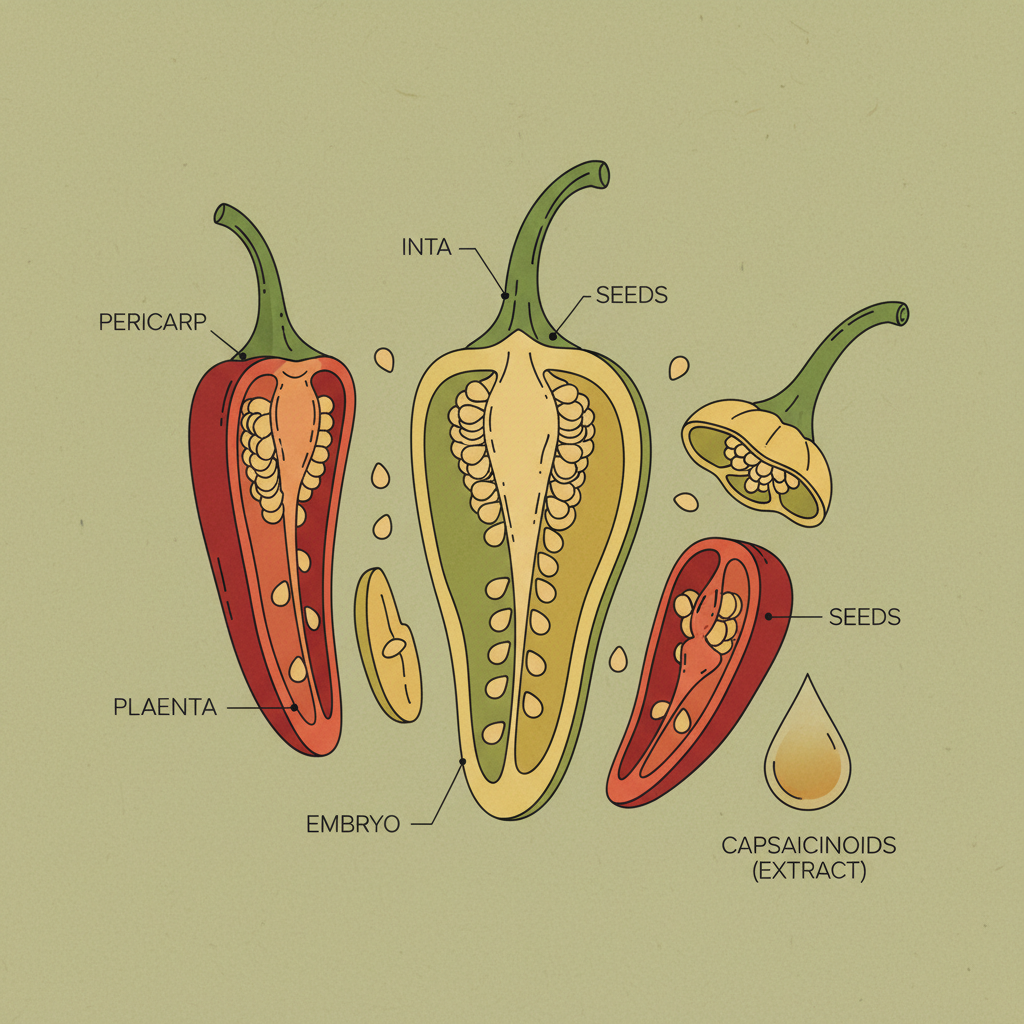
The chemical composition of paprika spice mix is complex, featuring carotenoids – responsible for its vibrant red color – capsaicinoids – responsible for its pungency – and various vitamins, minerals, and antioxidants. Capsanthin and capsorubin are the predominant carotenoids, providing not only color but also antioxidant benefits. The capsaicinoid content varies depending on the pepper variety and contributes to the Scoville heat units (SHU) which measure the spice level.
The processing of paprika spice mix – from harvesting and drying to grinding and packaging – significantly impacts its quality and characteristics. Proper drying techniques are essential to prevent mold growth and preserve the spice’s color and flavor. Grinding fineness also plays a crucial role, with finer grinds releasing more flavor and color, while coarser grinds offer a more textured experience.
Key Factors Influencing Paprika Spice Mix Quality
The quality of paprika spice mix hinges on several interconnected factors. First, Origin and Variety play a critical role. The geographic location and specific pepper cultivar used significantly impact flavor, color, and heat levels. Hungarian paprika, for example, is renowned for its distinctive flavor profile due to the specific climate and soil conditions in Hungary.
Secondly, Harvesting and Drying Techniques are paramount. Peppers must be harvested at optimal maturity to maximize flavor and color development. Drying methods, whether sun-drying or mechanical drying, must be carefully controlled to prevent spoilage and preserve essential compounds.
Quality Assessment of Paprika Spice Mix
Applications of Paprika Spice Mix Across Industries
The versatility of paprika spice mix extends far beyond the kitchen. While primarily used as a culinary ingredient in dishes ranging from stews and soups to rubs and marinades, it also finds significant applications in the food processing industry. It’s used as a natural coloring agent in products like sausage, paprika chips, and processed meats, providing a vibrant red hue without artificial additives.
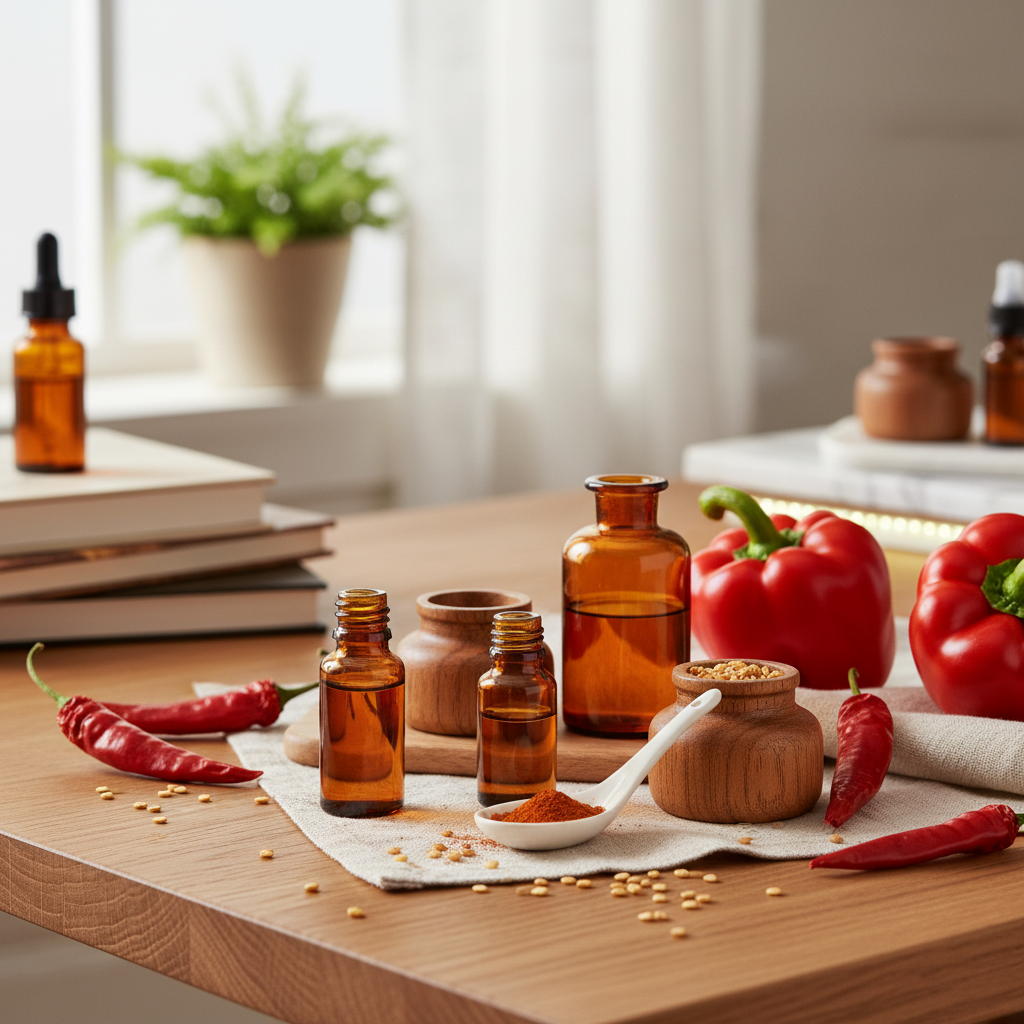
Beyond food, paprika spice mix has emerging applications in cosmetics and pharmaceuticals. Its antioxidant properties make it a valuable ingredient in skincare formulations, protecting against free radical damage. Furthermore, research suggests potential medicinal benefits, including anti-inflammatory and anti-cancer properties, although further studies are needed to confirm these effects.
Advantages of Using High-Quality Paprika Spice Mix
Utilizing high-quality paprika spice mix offers several tangible benefits. From a culinary perspective, it elevates the flavor profile of dishes, adding depth, complexity, and visual appeal. The natural colorant properties reduce the need for artificial additives, aligning with consumer demand for healthier food options.
Moreover, paprika spice mix boasts nutritional benefits, providing antioxidants and vitamins. The capsaicinoids present contribute to potential health benefits, such as improved circulation and pain relief. Choosing a reputable supplier ensures product consistency, traceability, and adherence to stringent quality standards.
Economically, investing in quality paprika spice mix can yield long-term advantages, reducing waste due to spoilage and ensuring consistent product quality, thus enhancing brand reputation and customer satisfaction.
Future Trends and Innovations in Paprika Production
The future of paprika production is poised for innovation, driven by sustainability concerns and technological advancements. Researchers are exploring new pepper varieties with improved disease resistance, higher yields, and enhanced flavor profiles. Precision agriculture techniques, utilizing sensors and data analytics, are being implemented to optimize irrigation, fertilization, and pest control, minimizing environmental impact.
Sustainable drying methods, such as solar drying and innovative low-energy drying technologies, are gaining traction, reducing reliance on fossil fuels. Blockchain technology is being explored to enhance traceability and transparency in the paprika supply chain, ensuring product authenticity and building consumer trust.
Furthermore, the development of novel extraction methods could unlock new applications for paprika spice mix, such as the isolation of specific bioactive compounds for pharmaceutical or cosmetic use. The increasing focus on plant-based alternatives could also drive demand for paprika as a natural coloring and flavoring agent.
Challenges and Solutions in the Paprika Spice Mix Industry
The paprika spice mix industry faces several ongoing challenges, including climate change impacting crop yields, supply chain vulnerabilities, and the risk of adulteration. Climate change-induced droughts, floods, and temperature fluctuations can significantly reduce pepper production, leading to price volatility and supply shortages. Ensuring a resilient and sustainable supply chain is crucial.
Adulteration, the practice of adding cheaper ingredients to paprika spice mix, remains a concern, compromising product quality and consumer trust. Implementing rigorous quality control measures, utilizing advanced analytical techniques, and promoting transparency in the supply chain are essential to combat this issue.
Investing in research and development, fostering collaboration between farmers, processors, and researchers, and adopting sustainable agricultural practices are key solutions to address these challenges and ensure the long-term viability of the paprika spice mix industry.
Summary Table of Key Challenges and Solutions in Paprika Spice Mix Production
| Challenge |
Impact on Paprika Spice Mix |
Proposed Solution |
Implementation Cost (Scale 1-10) |
| Climate Change |
Reduced Crop Yields, Price Volatility |
Climate-Resilient Pepper Varieties, Water Management |
7 |
| Supply Chain Disruptions |
Delayed Deliveries, Increased Costs |
Diversified Sourcing, Local Production |
5 |
| Adulteration |
Reduced Quality, Consumer Trust Erosion |
Advanced Analytical Testing, Traceability Systems |
8 |
| Disease Outbreaks |
Crop Losses, Increased Pesticide Use |
Disease-Resistant Varieties, Integrated Pest Management |
6 |
| Labor Shortages |
Harvesting Delays, Increased Labor Costs |
Automation, Fair Labor Practices |
4 |
| Consumer Demand for Sustainability |
Pressure to Adopt Environmentally Friendly Practices |
Sustainable Farming Methods, Eco-Friendly Packaging |
6 |
FAQS
Hungarian paprika is classified into several grades based on its color, pungency, and quality. These include Sweet (Édesnemes), Semi-Sweet (Csípősmentes), and Hot (Csípős). Édesnemes is the most popular, prized for its vibrant red color and mild, sweet flavor. These grades are determined by Scoville heat units and visual inspection, ensuring consumers receive a consistent product.
To preserve the flavor and color of paprika spice mix, store it in an airtight container in a cool, dark, and dry place. Exposure to light, heat, and moisture can cause it to lose its potency and degrade its quality. Properly stored paprika spice mix can retain its flavor for up to two years.
While both paprika and cayenne pepper come from the Capsicum annuum family, they differ significantly in their heat level and flavor profiles. Cayenne pepper is made from dried cayenne peppers and is considerably spicier than most paprika varieties. Paprika, on the other hand, can range from sweet to hot, depending on the pepper type used, and has a more complex flavor profile.
Smoked paprika can be used as a substitute for liquid smoke, but it won’t provide the exact same intensity of smoky flavor. Smoked paprika offers a milder, more nuanced smokiness. Start with a smaller amount of smoked paprika than you would liquid smoke, and adjust to taste. It's best suited for recipes where a subtle smoky flavor is desired.
To assess the freshness of paprika spice mix, check its color and aroma. Fresh paprika should have a vibrant red color and a strong, fragrant aroma. If the color has faded significantly or the aroma is weak, it’s likely past its prime. You can also rub a small amount between your fingers; it should release a noticeable, flavorful scent.
Paprika is rich in antioxidants, particularly carotenoids like capsanthin and capsorubin, which can help protect against cell damage and reduce the risk of chronic diseases. It also contains vitamins A, E, and B6, as well as minerals like iron and potassium. Furthermore, capsaicinoids in hot paprika may have anti-inflammatory and pain-relieving properties.
Conclusion
Paprika spice mix stands as a testament to the power of natural ingredients, offering a vibrant spectrum of flavors, colors, and potential health benefits. From its historical roots in Hungary to its current global prominence, paprika continues to captivate chefs, food manufacturers, and consumers alike. Understanding the nuances of its production, quality factors, and diverse applications is essential for maximizing its value and ensuring a sustainable future.
As consumer demand for natural and authentic ingredients grows, the paprika spice mix industry is poised for continued innovation and expansion. By embracing sustainable agricultural practices, investing in research and development, and prioritizing quality control, the industry can address existing challenges and unlock new opportunities. Explore our wide range of paprika products at paprika spice mix to discover the perfect addition to your culinary creations.


 English
  Afrikaans
  Albanian
  Amharic
  Arabic
  Armenian
  Azerbaijani
  Basque
  Belarusian
  Bengali
  Bosnian
  Bulgarian
  Catalan
  Cebuano
  Corsican
  Croatian
  Czech
Czech  Danish
  Dutch
Dutch  Esperanto
  Estonian
  Finnish
  French
  Frisian
  Galician
  Georgian
  German
  Greek
Greek  Gujarati
  Haitian Creole
  Hausa
Hausa  Hawaiian
  Hebrew
  Hindi
Hindi  Miao
Miao  Hungarian
  Icelandic
  Igbo
Igbo  Indonesian
  Irish
Irish  Italian
  Japanese
  Javanese
  Kannada
  Kazakh
  Khmer
Khmer  Rwandese
  Korean
  Kurdish
  Kyrgyz
  Lao
Lao  Latin
Latin  Latvian
  Lithuanian
  Luxembourgish
  Macedonian
  Malgashi
  Malay
Malay  Malayalam
  Maltese
  Maori
Maori  Marathi
  Mongolian
  Myanmar
  Nepali
  Norwegian
  Norwegian
  Occitan
  Pashto
  Persian
  Polish
  Portuguese
  Punjabi
  Romanian
  Russian
  Samoan
  Scottish Gaelic
  Serbian
  Sesotho
  Shona
Shona  Sindhi
  Sinhala
  Slovak
  Slovenian
  Somali
  Spanish
  Sundanese
  Swahili
  Swedish
  Tagalog
  Tajik
Tajik  Tamil
Tamil  Tatar
Tatar  Telugu
  Thai
Thai  Turkish
  Turkmen
  Ukrainian
  Urdu
Urdu  Uighur
  Uzbek
Uzbek  Vietnamese
  Welsh
Welsh  Bantu
Bantu  Yiddish
  Yoruba
  Zulu
Zulu