- No. 268 Xianghe Street, Economic Development Zone of Xingtai city, Hebei 054001 China
- Byron@hbhongri.cn
Premium Paprika Oleoresin: Natural Color & Flavor Solution
Introduction to Paprika Oleoresin: A Premier Natural Colorant
In the rapidly evolving landscape of natural ingredients, paprika oleoresin stands as a cornerstone for industries requiring vibrant, natural coloring and subtle flavor enhancement. Derived from the dried, ground fruits of Capsicum annuum, this highly concentrated extract is celebrated for its distinctive orange-red hue and its versatility across numerous applications. As consumer demand for "clean label" products escalates, paprika oleoresin offers an indispensable solution, providing a natural alternative to synthetic colorants while often contributing beneficial bioactive compounds.
This comprehensive guide delves into the technical intricacies, application breadth, and strategic advantages of leveraging this potent extract. We will explore its rigorous manufacturing process, critical technical specifications, and a spectrum of application scenarios, from enhancing the visual appeal of food products to its utility in pharmaceuticals and cosmetics. Understanding the nuances of paprika oleoresin, also known interchangeably as paprika extract or paprika capsicum, is essential for B2B decision-makers seeking to optimize product formulation, ensure regulatory compliance, and meet growing market expectations for natural ingredients. The synergy of paprika and capsicum delivers both the aesthetic and functional benefits that modern product development demands.
Process Flow: From Capsicum to Paprika Oleoresin
The production of high-quality paprika oleoresin is a sophisticated process that begins with meticulous raw material selection and culminates in a highly concentrated, standardized extract. Adherence to stringent quality control at each stage is paramount to ensure product purity, efficacy, and consistency.
Detailed Manufacturing Process
- 1 Raw Material Selection and Preparation: High-grade Capsicum annuum fruits are carefully selected based on color intensity, maturity, and absence of defects. These peppers undergo thorough cleaning, washing, and drying to reduce moisture content and eliminate contaminants. This step is critical for preventing microbial growth and ensuring optimal extraction efficiency.
- 2 Grinding and Milling: The dried peppers are then finely ground into a powder. This increases the surface area, facilitating more efficient extraction of the carotenoid pigments (primarily capsanthin and capsorubin) and capsaicinoids (for pungency) from the cellular matrix.
- 3 Solvent Extraction: The ground paprika is subjected to solvent extraction. Common food-grade solvents include hexane, acetone, or ethanol. Advanced methods like supercritical CO2 extraction are also employed, particularly for "clean label" products, as they avoid residual organic solvents entirely. This process dissolves the fat-soluble color pigments and flavor compounds.
- 4 Desolventization and Concentration: Following extraction, the solvent-pigment mixture is carefully heated under vacuum. This gentle evaporation step removes the solvent, leaving behind a highly concentrated, viscous oleoresin. Residual solvent levels are strictly monitored to meet international safety standards.
- 5 Filtration and Standardization: The crude oleoresin undergoes filtration to remove any insoluble impurities. It is then standardized to specific color values (e.g., expressed in ASTA units) and, if applicable, capsaicinoid content. This involves blending with carrier oils (e.g., vegetable oil) to achieve precise specifications, ensuring consistency across batches.
- 6 Quality Control and Packaging: The final paprika oleoresin product undergoes rigorous analytical testing for color value, residual solvents, heavy metals, microbial load, and other key parameters against international standards (e.g., ISO, HACCP, FDA guidelines). Once approved, it is carefully packaged in food-grade container111s, often flushed with nitrogen, to prevent oxidation and ensure a stable service life.
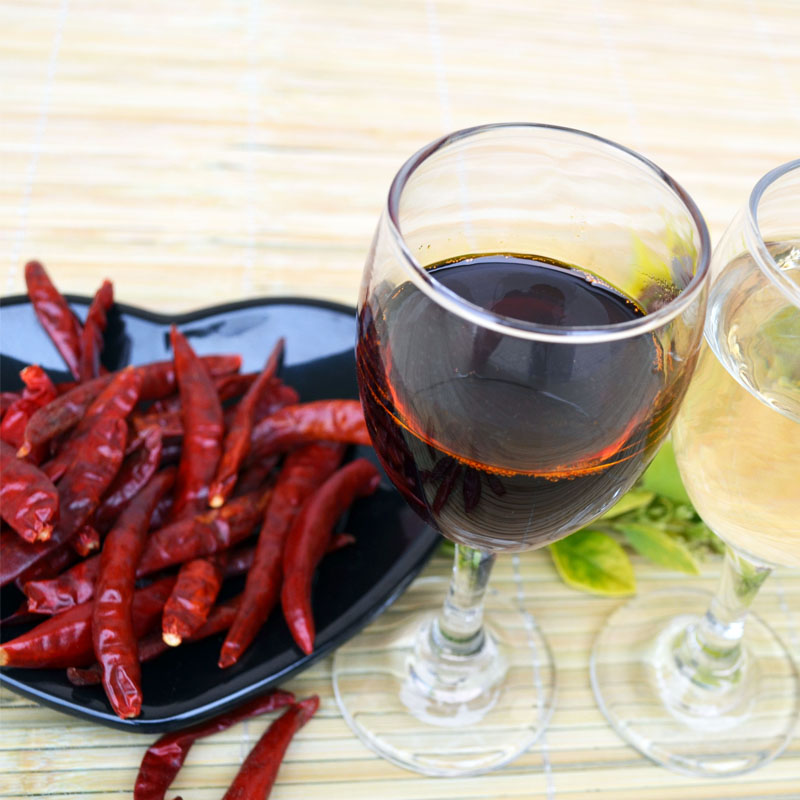
Figure 1: Schematic representation of the paprika oleoresin extraction process, emphasizing quality control points.
Testing Standards and Service Life
Our manufacturing process adheres to global benchmarks such as ISO 22000 for Food Safety Management, FSSC 22000, and HACCP principles. Each batch is subjected to comprehensive testing including Spectrophotometric Analysis for ASTA color value, Gas Chromatography for residual solvent detection, ICP-MS for heavy metals, and microbiological assays. The typical service life for properly stored paprika oleoresin is 12-24 months when stored in cool, dark conditions away from direct light and oxygen, often under nitrogen blanket, to prevent oxidative degradation of carotenoids.
Target industries benefiting from this robust processing include Food & Beverage (for natural coloring and flavor), Animal Feed (for pigmentation), and Nutraceuticals (for bioactive compounds).
Industry Trends & Market Dynamics
The global market for natural food colors, including paprika oleoresin, is experiencing robust growth, driven primarily by evolving consumer preferences and increasing regulatory scrutiny on artificial additives. A key trend is the persistent demand for "clean label" ingredients, where consumers seek products with easily recognizable, natural components.
Key Market Drivers:
- Consumer Health Consciousness: A growing awareness of the potential adverse effects of synthetic colorants is steering purchasing decisions towards natural alternatives.
- Regulatory Landscape: Stricter regulations on artificial colors in many regions (e.g., EU bans, "warning" labels in the US) compel manufacturers to reformulate with natural options.
- Versatility and Stability: Advancements in extraction and formulation technologies have improved the stability and functionality of natural colors like paprika oleoresin, broadening their application scope.
- Expansion of Food & Beverage Industry: The increasing production of processed foods, snacks, and beverages, particularly in emerging economies, fuels demand for natural colorants.
According to market research by Grand View Research, the global natural food colors market size was valued at USD 1.8 billion in 2022 and is projected to grow at a Compound Annual Growth Rate (CAGR) of 6.8% from 2023 to 2030. Within this, the carotenoids segment, which includes paprika oleoresin, holds a significant share due to its vibrant hues and stability. Furthermore, innovations in water-soluble forms of paprika oleoresin are expanding its utility into beverage and confectionery sectors, which traditionally posed challenges for oil-soluble extracts.
The market is also witnessing a trend towards sustainable sourcing and transparent supply chains, with emphasis on responsible agricultural practices for Capsicum annuum cultivation. This commitment extends to ensuring fair labor practices and minimizing environmental impact, which aligns with modern corporate social responsibility (CSR) initiatives.
Technical Specifications & Performance Parameters
Understanding the precise technical specifications of paprika oleoresin is crucial for its effective integration into industrial formulations. Key parameters define its color strength, purity, and functional characteristics.
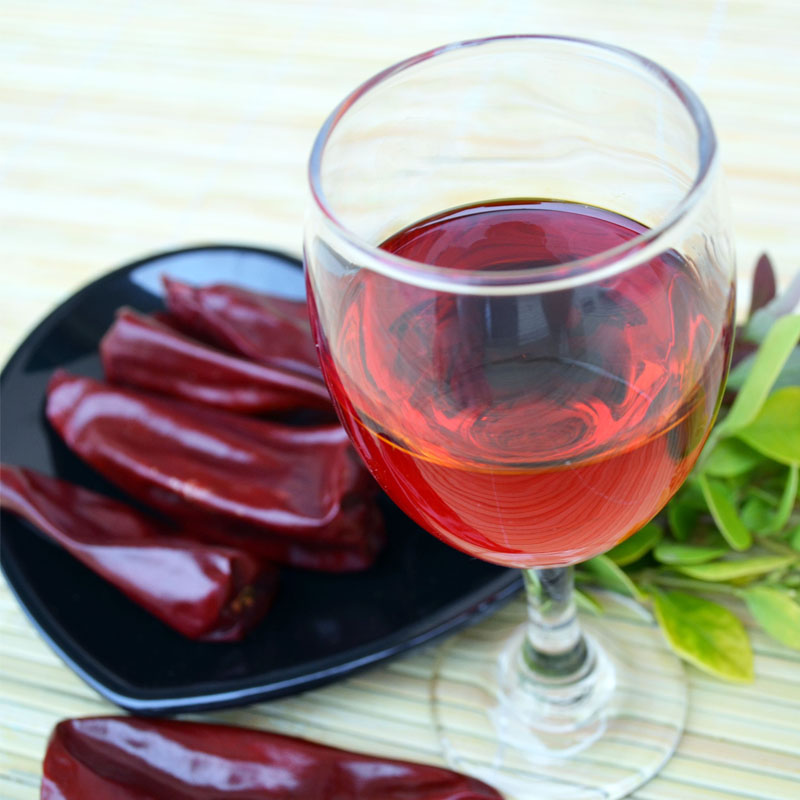
Figure 2: Laboratory analysis of paprika oleoresin for quality and standardization.
Typical Product Specification Table: Paprika Oleoresin (Standard Grade)
| Parameter | Unit | Specification Range | Testing Method |
|---|---|---|---|
| Color Value (ASTA) | units | 20,000 to 160,000 | ASTA Method 20.1 |
| Residual Solvent (Hexane) | ppm | < 25 | GC-FID |
| Moisture Content | % | < 1.0 | Karl Fischer |
| Heavy Metals (Lead) | ppm | < 0.1 | ICP-MS |
| Total Plate Count | cfu/g | < 10,000 | AOAC 990.12 |
| pH (1% aqueous solution) | - | 5.0 - 7.0 (for water-soluble) | Potentiometric |
| Oil-Soluble/Water-Soluble | - | Varies by product type | Visual/Microscopic |
ASTA Color Value: The American Spice Trade Association (ASTA) method quantifies the total color extracted from paprika, expressed in ASTA units. Higher ASTA values indicate greater color strength, allowing for lower usage rates and greater cost-efficiency in formulations. Pungency, measured in Scoville Heat Units (SHU) or by capsaicinoid content, can also be a key parameter for specific applications, differentiating non-pungent coloring grades from flavor-active extracts.
Our products adhere to ISO 22000, FSSC 22000, and are often Kosher and Halal certified, ensuring broad applicability across diverse markets and consumer bases. We also maintain strict compliance with FDA and EU regulations for food additives.
Diverse Application Scenarios
The versatility of paprika oleoresin extends across a myriad of industrial sectors, providing not only an appealing visual characteristic but often contributing subtle flavor notes or functional properties. Its availability in both oil-soluble and water-soluble emulsified forms further broadens its utility.
Key Industrial Applications:
- Food & Beverage Industry:
- Processed Meats: Widely used in sausages, ham, poultry products, and meat substitutes to impart a consistent, appetizing red-orange color, enhancing consumer perception of freshness and quality.
- Snacks & Seasonings: Essential for coloring snack foods like potato chips, extruded snacks, crackers, and popcorn. It's a staple in savory seasoning blends for its color and subtle spicy undertones.
- Sauces & Condiments: Provides natural color to ketchup, hot sauces, salad dressings, and marinades, ensuring visual appeal without artificial additives.
- Dairy Products: Used in cheeses (e.g., cheddar), butter, and some yogurts for natural yellow-orange hues, especially in dairy alternatives.
- Beverages: Water-soluble emulsions allow for its use in non-alcoholic beverages, giving soft drinks, juices, and sports drinks appealing colors.
- Bakery & Confectionery: Incorporated into baked goods, pastries, and some candies for natural coloring.
- Animal Feed Industry:
- Poultry Feed: Crucial for enhancing pigmentation in egg yolks (for a richer yellow/orange) and broiler skin, meeting consumer expectations for naturally colored products.
- Aquaculture: Used in feed for farmed fish and crustaceans to improve flesh coloration, mirroring natural diets.
- Pharmaceuticals & Nutraceuticals:
- Tablet & Capsule Coatings: Provides natural coloring for pharmaceutical and supplement coatings, improving product differentiation and consumer acceptance.
- Antioxidant Properties: The carotenoids in paprika oleoresin contribute to its antioxidant capacity, making it a valuable component in some nutraceutical formulations.
- Cosmetics & Personal Care:
- Natural Pigment: Used as a natural colorant in lipsticks, blushes, foundations, and other cosmetic products, aligning with the demand for natural beauty solutions.
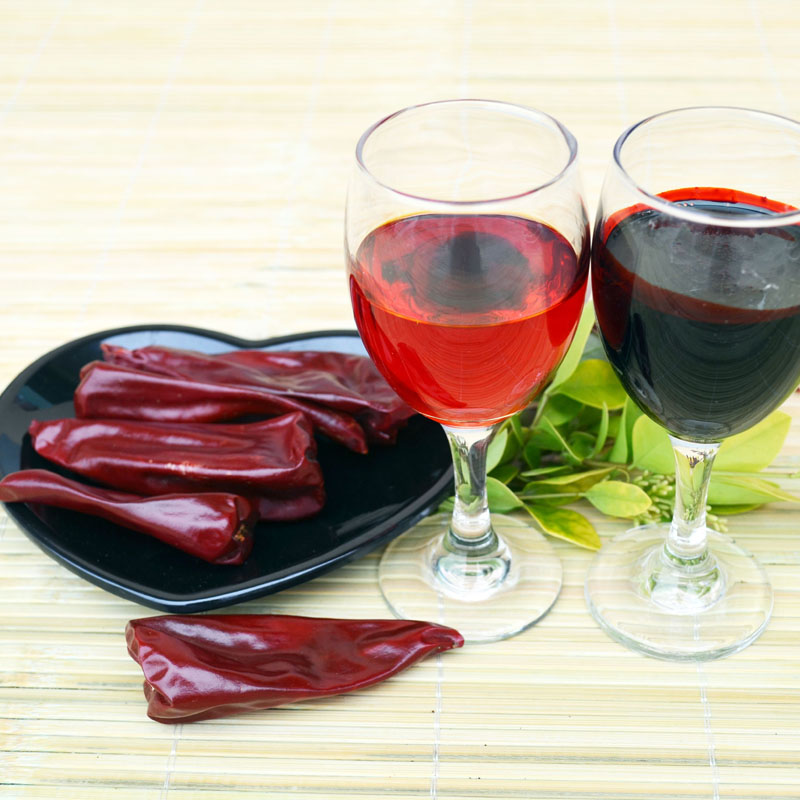
Figure 3: Illustrative uses of paprika oleoresin in various food products, showcasing its vibrant coloring capabilities.
In each of these scenarios, the inherent stability, natural origin, and customizable properties of paprika oleoresin offer significant advantages, allowing manufacturers to meet stringent quality requirements and consumer expectations for both aesthetics and ingredient transparency.
Technical Advantages of Paprika Oleoresin
Choosing paprika oleoresin as a primary colorant offers a compelling suite of technical advantages for B2B applications, addressing critical concerns from product stability to consumer acceptance.
Key Benefits:
- Exceptional Natural Pigmentation: Paprika oleoresin delivers a vibrant, appealing orange-red hue derived entirely from natural sources, fulfilling the clean label demands of modern consumers. It provides consistent color without the artificiality associated with synthetic dyes.
- Superior Heat and Light Stability: Compared to many other natural colorants, the carotenoids (capsanthin, capsorubin) in paprika oleoresin exhibit good stability under varying thermal processing conditions and exposure to light, ensuring color integrity throughout a product's shelf life. This makes it ideal for baked goods, retorted products, and items exposed to ambient light.
- Versatile Solubility Options: Available in both oil-soluble forms (ideal for lipid-based systems, sauces, and snacks) and water-soluble emulsified versions (perfect for beverages, confectionery, and dairy), ensuring seamless integration into diverse product matrices.
- Non-Pungent & Pungent Varieties: Manufacturers can select grades tailored to specific needs: high-color, low-pungency versions for pure coloring, or higher capsaicinoid content for applications where a mild to moderate heat profile is desired, such as in spicy snacks or sauces.
- Antioxidant Properties: Beyond color, the carotenoids present in paprika oleoresin contribute natural antioxidant benefits, which can positively impact product stability by mitigating oxidative degradation, thereby extending shelf life for certain formulations.
- Cost-Effectiveness at High Concentration: Due to its high concentration (high ASTA values), relatively small quantities are needed to achieve desired color intensity, often making it a cost-effective natural coloring solution when compared to lower-strength alternatives.
- Regulatory Acceptance: Paprika oleoresin is widely recognized as safe (GRAS) by regulatory bodies such as the FDA and is approved for use in food products across major global markets, simplifying compliance for international distribution.
These technical attributes collectively position paprika oleoresin as a premium choice for formulators and product developers aiming for naturalness, stability, and consumer appeal in their offerings.
Vendor Comparison: Selecting the Right Partner
The selection of a supplier for paprika oleoresin is a critical strategic decision that impacts product quality, supply chain reliability, and ultimately, market success. A comprehensive vendor comparison should go beyond price, focusing on certifications, technical support, and consistency.
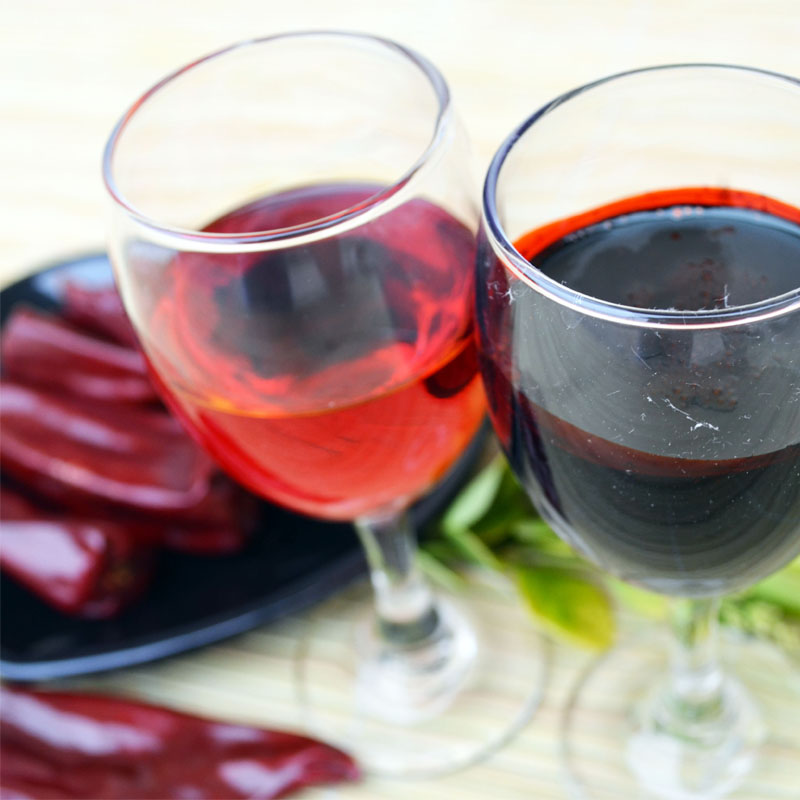
Figure 4: Advanced analytical equipment used for quality assurance in paprika oleoresin production.
Key Comparison Criteria for Paprika Oleoresin Suppliers:
| Criterion | Hongri Spice (Our Offer) | Competitor A (Illustrative) | Competitor B (Illustrative) |
|---|---|---|---|
| Quality & Certifications | ISO 22000, FSSC 22000, HACCP, Kosher, Halal, Non-GMO, FDA compliant. Rigorous in-house QC. | ISO 9001, HACCP. External lab testing. | Limited certifications, basic QC. |
| Product Range (ASTA & Form) | 20,000 to 160,000 ASTA, oil-soluble & water-soluble emulsions, varied pungency. | Standard 40,000-80,000 ASTA, mainly oil-soluble. | Limited range, basic ASTA options. |
| Raw Material Sourcing | Sustainable, traceable global network, preferred partnerships with verified growers. | Mixed sourcing, less transparency. | Commodity sourcing, variable quality. |
| Technical Support & R&D | Dedicated R&D team, formulation assistance, customization, post-sales technical service. | Basic technical sheets, limited formulation help. | No dedicated support. |
| Lead Time & Reliability | Consistent lead times (5-10 days), robust supply chain, global distribution. | Variable lead times, regional focus. | Longer lead times, prone to disruptions. |
| Pricing Model | Competitive, value-driven pricing based on volume and customization. | Often lowest upfront, but hidden costs/inconsistencies. | Generally low, but quality risks. |
Our commitment to stringent quality control, extensive product range, and dedicated technical support ensures that clients receive not just a product, but a comprehensive solution optimized for their specific needs. We believe in building long-term partnerships based on mutual trust and consistent high performance.
Customized Solutions for Unique Formulations
Recognizing that off-the-shelf solutions may not always meet the precise requirements of innovative product development, we specialize in providing bespoke paprika oleoresin formulations. Our technical team works in close collaboration with clients to develop tailor-made ingredients that integrate seamlessly into their unique applications.
Areas of Customization:
- Specific Color Strengths (ASTA Values): From low to ultra-high ASTA concentrations (e.g., 20,000 to 160,000+), we can formulate to achieve the exact color intensity required, optimizing usage rates and cost efficiency.
- Adjustable Pungency Levels: Whether a completely non-pungent colorant or a specific Scoville Heat Unit (SHU) contribution is needed, we can fine-tune the capsaicinoid content to match taste and flavor profiles.
- Solubility Modification: Development of highly stable water-soluble emulsions or specific oil-soluble formulations designed for particular matrices (e.g., high fat, low pH environments) to prevent color precipitation or streaking.
- Carrier System Optimization: Customizing the carrier oil (e.g., sunflower oil, rapeseed oil, MCT oil) based on end-product specifications, allergen considerations, or desired viscosity.
- Enhanced Stability Profiles: Incorporating natural antioxidants or encapsulation technologies to boost light, heat, or oxidative stability, extending product shelf life in challenging applications.
- Regulatory & Certificational Support: Tailoring products to meet specific regional regulations, including allergen-free, organic certified, specific national food additive lists, or specialized dietary requirements.
Our in-house R&D capabilities and pilot facilities enable rapid prototyping and scale-up, ensuring that customized solutions are not only precisely formulated but also commercially viable. This collaborative approach minimizes development cycles and accelerates time-to-market for innovative products.
Application Case Studies
Real-world applications demonstrate the practical advantages and versatile performance of paprika oleoresin in diverse industrial settings.
Case Study 1: Enhancing Visual Appeal in Processed Meats
A leading meat processor sought a natural colorant for their range of sausages and cured meats to replace a synthetic red dye. The challenge was to achieve a consistent, appetizing red hue that would withstand cooking processes without fading or browning.
Solution: We provided a high-ASTA, non-pungent paprika oleoresin, specifically formulated for heat stability and fat-solubility. This allowed for even dispersion within the meat emulsion.
Results: The client achieved a uniform, appealing red color in their products, perceived as more natural and premium by consumers. Post-cooking color retention improved by over 25% compared to previous natural alternatives, leading to increased customer satisfaction and market share in the natural segment. This enabled them to secure certifications for 'clean label' products, opening new retail channels.
Case Study 2: Clean Label Coloring for Savory Snacks
A prominent snack food manufacturer aimed to reformulate their popular cheese-flavored crisps to remove artificial colors, without compromising the familiar vibrant orange color that was key to brand recognition. Water activity and oil content in the snack surface were critical factors.
Solution: Our technical team developed a specialized, highly dispersed oil-soluble paprika oleoresin concentrate that could be precisely applied as part of the seasoning blend. This ensured even color distribution and minimal color migration.
Results: The reformulated crisps maintained their iconic orange color, with consumer acceptance rates remaining high. The natural declaration significantly enhanced the brand's appeal among health-conscious demographics, leading to a 10% increase in sales within the first six months post-launch, as reported by syndicated retail data.
Case Study 3: Optimized Pigmentation in Aquaculture Feed
An aquaculture company specializing in salmon farming needed to enhance the natural pinkish-orange flesh color of their fish, a key indicator of quality and consumer preference, using a feed ingredient. The challenge was to find a stable, bioavailable natural carotenoid source.
Solution: We supplied a specific grade of paprika oleoresin rich in capsanthin and capsorubin, incorporated directly into the fish feed. Its fat-soluble nature ensured efficient absorption by the fish, and its stability prevented degradation during feed processing and storage.
Results: Over a typical growth cycle, the salmon exhibited a visibly improved and consistent flesh coloration, comparable to fish fed synthetic astaxanthin. This natural approach allowed the client to market their salmon as premium, naturally colored produce, commanding a higher price point in competitive markets. Independent sensory panels confirmed the enhanced visual appeal without any flavor impact.
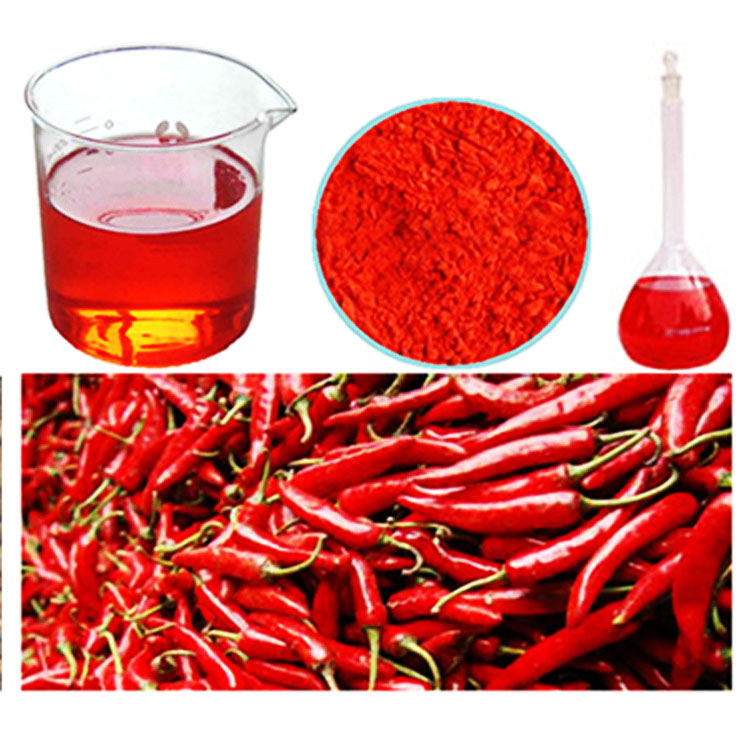
Figure 5: Exemplary products benefiting from the natural coloring and stability of paprika oleoresin.
Frequently Asked Questions (FAQ)
Q1: What is paprika oleoresin and how does it differ from paprika powder?
A: Paprika oleoresin is a highly concentrated, solvent-extracted essence of paprika peppers (Capsicum annuum), containing the carotenoid pigments (capsanthin, capsorubin) and, if desired, capsaicinoids. Paprika powder, conversely, is simply the dried and ground paprika fruit. The oleoresin offers significantly higher color strength, superior stability, and consistency in application, making it ideal for industrial use where precise dosage and product integrity are crucial.
Q2: Is paprika oleoresin water-soluble or oil-soluble?
A: Naturally, paprika oleoresin is oil-soluble, as its pigments are carotenoids. However, through advanced emulsification techniques, water-soluble versions are produced, making it suitable for aqueous systems like beverages, confectionery, and certain dairy applications. We offer both forms to meet diverse formulation needs.
Q3: What does the ASTA value signify for paprika oleoresin?
A: ASTA (American Spice Trade Association) value is a standard measure of the color strength of paprika oleoresin. It quantifies the total extracted color from paprika. A higher ASTA value indicates a more concentrated colorant, meaning less product is needed to achieve a desired hue, leading to greater efficiency and potential cost savings.
Q4: Is paprika oleoresin safe for consumption and does it carry specific certifications?
A: Yes, paprika oleoresin is widely recognized as safe (GRAS by FDA) and approved as a natural food colorant across most global regulatory bodies. Our products typically hold certifications such as ISO 22000, FSSC 22000, HACCP, Kosher, Halal, and are produced under strict GMP guidelines to ensure the highest levels of safety and quality.
Q5: Can paprika oleoresin contribute to the pungency (heat) of a product?
A: It can, depending on the grade. Paprika oleoresin contains capsaicinoids, which are responsible for the heat in chili peppers. We offer both non-pungent (very low capsaicinoid content) grades primarily for coloring and pungent grades where a specific level of heat is desired, measured in Scoville Heat Units (SHU) or by quantitative capsaicinoid analysis.
Logistics, Warranty, and Customer Support
Lead Time & Fulfillment
We understand the critical importance of timely delivery in B2B operations. Our standard lead time for paprika oleoresin orders ranges from 5 to 10 business days, depending on order volume, customization requirements, and current stock levels. For urgent requests or large-scale projects, we offer expedited production and logistics solutions. Our robust global supply chain and strategic warehousing ensure reliable and efficient fulfillment, with comprehensive documentation for international shipping.
Warranty Commitments
We stand behind the quality and specifications of our paprika oleoresin products. Our warranty guarantees that all products supplied will conform to the agreed-upon technical specifications (e.g., ASTA value, residual solvent levels, microbial limits) and will be free from defects in material and workmanship at the time of delivery. This commitment is underpinned by our rigorous quality assurance protocols and comprehensive batch testing. Full Certificates of Analysis (CoA) accompany every shipment, providing complete transparency and traceability.
Dedicated Customer Support
Our commitment extends beyond product delivery to providing exceptional after-sales support. Each client is assigned a dedicated account manager who serves as a single point of contact for all inquiries. Our technical support team, composed of experienced food scientists and chemical engineers, is readily available to assist with:
- Formulation guidance and dosage recommendations.
- Troubleshooting application challenges.
- Regulatory compliance information and documentation.
- Custom product development inquiries.
We pride ourselves on responsive communication, ensuring that expert assistance is always accessible to optimize your product development and manufacturing processes.
References
- Food and Agriculture Organization of the United Nations (FAO). "Compendium of Food Additive Specifications." Monographs on Paprika Oleoresin.
- US Food and Drug Administration (FDA). "Code of Federal Regulations, Title 21, Part 73: Listing of Color Additives Exempt From Certification." Paprika Oleoresin.
- ASTA Analytical Methods for Spices and Other Seasonings. "20.1: Determination of Color in Paprika and Paprika Oleoresin." American Spice Trade Association.
- Grand View Research. "Natural Food Colors Market Size, Share & Trends Analysis Report By Product, By Application (Beverages, Dairy, Bakery, Confectionery, Meat, Poultry, Seafood), By Region, And Segment Forecasts, 2023 - 2030."
- Journal of Agricultural and Food Chemistry. "Stability of Paprika Oleoresin Encapsulated in Maltodextrin and Gum Arabic by Spray Drying." (Example of an academic journal reference).
-
Guide to Sourcing and Using Premium Dried Spicy PeppersNewsApr.16,2026
-
Dried Spur Chili Guide to Premium Flavor and Industrial QualityNewsApr.09,2026
-
Exploring the World of Dried Whole Chili Peppers and Their Culinary UsesNewsApr.07,2026
-
Exploring the Culinary World of Dried Whole Chillies and Their Versatile UsesNewsApr.04,2026
-
Exploring the World of Red Dried Chiles and Their Culinary UsesNewsMar.31,2026
-
Exploring the Culinary World of Red Dried Chili Peppers and Their Versatile UsesNewsMar.28,2026
 Afrikaans
 Albanian
 Amharic
 Arabic
 Armenian
 Azerbaijani
 Basque
 Belarusian
 Bengali
 Bosnian
 Bulgarian
 Catalan
 Cebuano
 Corsican
 Croatian
 Czech
Czech
 Danish
 Dutch
Dutch
 Esperanto
 Estonian
 Finnish
 French
 Frisian
 Galician
 Georgian
 German
 Greek
Greek
 Gujarati
 Haitian Creole
 Hausa
Hausa
 Hawaiian
 Hebrew
 Hindi
Hindi
 Miao
Miao
 Hungarian
 Icelandic
 Igbo
Igbo
 Indonesian
 Irish
Irish
 Italian
 Japanese
 Javanese
 Kannada
 Kazakh
 Khmer
Khmer
 Rwandese
 Korean
 Kurdish
 Kyrgyz
 Lao
Lao
 Latin
Latin
 Latvian
 Lithuanian
 Luxembourgish
 Macedonian
 Malgashi
 Malay
Malay
 Malayalam
 Maltese
 Maori
Maori
 Marathi
 Mongolian
 Myanmar
 Nepali
 Norwegian
 Norwegian
 Occitan
 Pashto
 Persian
 Polish
 Portuguese
 Punjabi
 Romanian
 Russian
 Samoan
 Scottish Gaelic
 Serbian
 Sesotho
 Shona
Shona
 Sindhi
 Sinhala
 Slovak
 Slovenian
 Somali
 Spanish
 Sundanese
 Swahili
 Swedish
 Tagalog
 Tajik
Tajik
 Tamil
Tamil
 Tatar
Tatar
 Telugu
 Thai
Thai
 Turkish
 Turkmen
 Ukrainian
 Urdu
Urdu
 Uighur
 Uzbek
Uzbek
 Vietnamese
 Welsh
Welsh
 Bantu
Bantu
 Yiddish
 Yoruba
 Zulu
Zulu
 English