- No. 268 Xianghe Street, Economic Development Zone of Xingtai city, Hebei 054001 China
- Byron@hbhongri.cn
Exploring the Art of Making Paprika Powder From Pepper to Spice Jar
Making Paprika Powder: A Comprehensive Guide
Paprika, a vibrant spice derived from dried peppers, adds a distinctive flavor and color to dishes worldwide. But have you ever wondered about the process of making paprika powder? It's more than just grinding dried peppers! This article explores the journey from pepper field to spice jar, covering selection, drying, grinding, and quality control. Understanding this process will give you a greater appreciation for this versatile spice. We will delve into both traditional methods and modern industrial techniques.
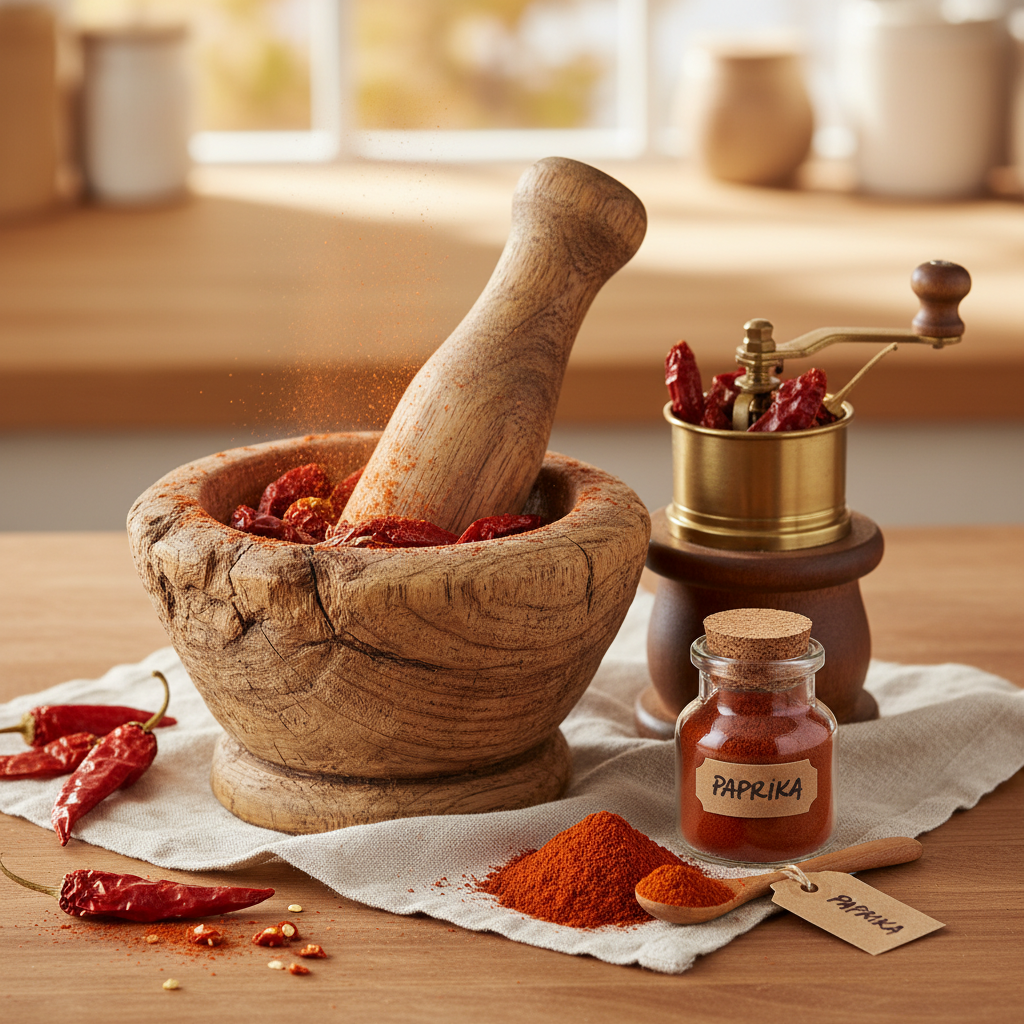
Selecting the Right Peppers for Paprika
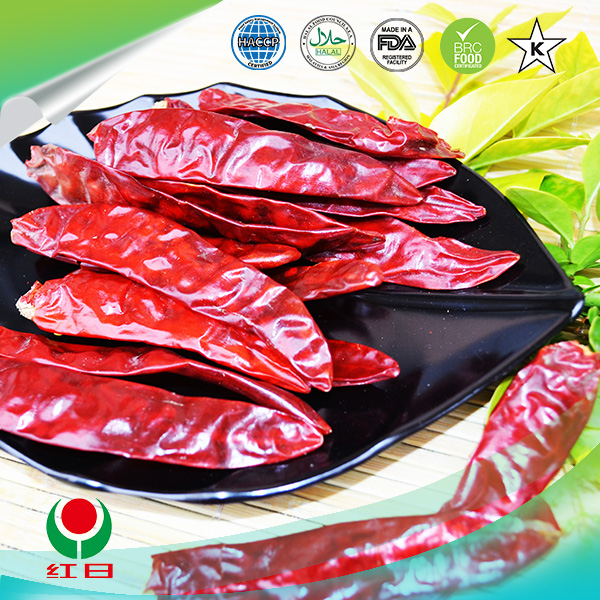
The quality of paprika powder begins with the peppers themselves. Specifically, Capsicum annuum varieties are used, chosen for their flavor, color, and heat levels. Sweet paprika typically comes from peppers with little to no capsaicin (the compound that creates heat). Hot paprika utilizes varieties with higher capsaicin content. Color also plays a crucial role: bright red peppers yield the most vibrant paprika. Hongri Spice carefully sources peppers from trusted growers, prioritizing quality and flavor profiles.
Key Pepper Characteristics: Color, heat level (capsaicin content), and aroma are the primary factors considered when selecting peppers for paprika production.
The Drying Process: Preserving Flavor and Color
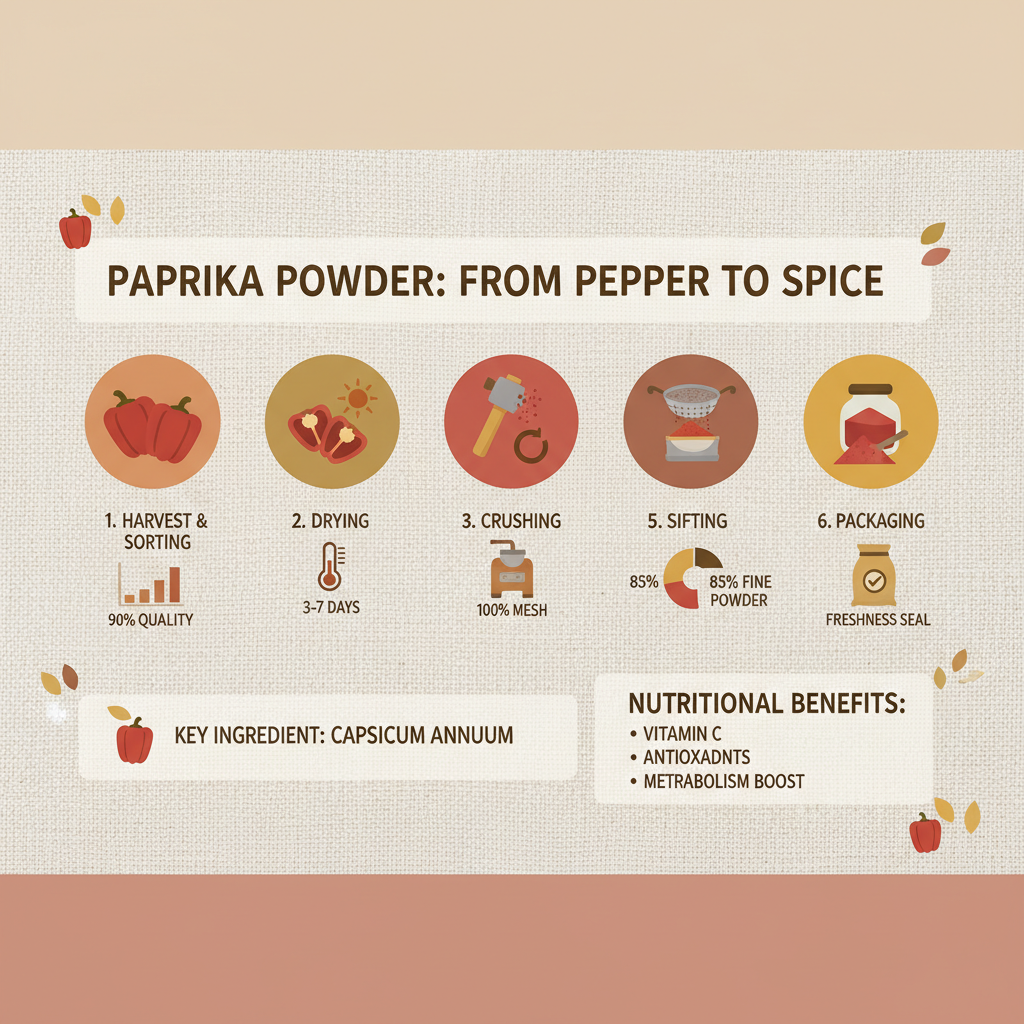
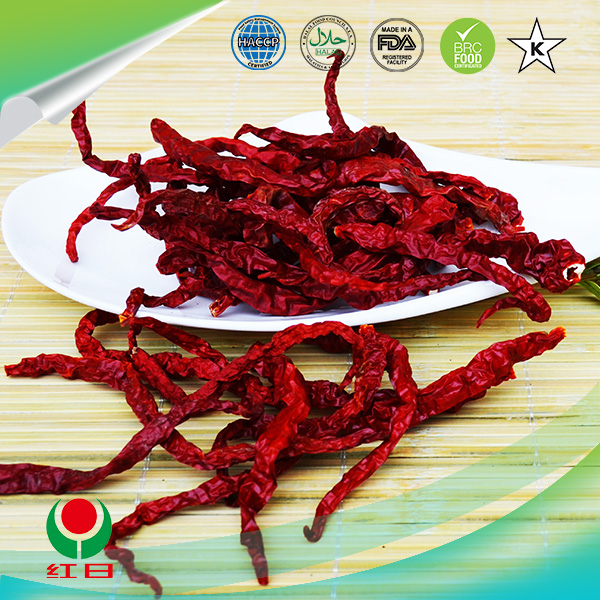
Once harvested, the peppers must be dried to reduce moisture content and develop their characteristic flavor. Traditional methods involve sun-drying, where peppers are spread out on mats and exposed to sunlight. This is a slow process, taking several weeks, and requires careful monitoring to prevent mold growth. Modern industrial methods use dehydrators with controlled temperatures, accelerating the process while still maintaining quality. The key is to dry the peppers slowly and evenly to preserve their color and flavor compounds. Poor drying can result in a dull color and a flat, uninteresting flavor.
Drying Method Comparison:
• Sun Drying: Traditional, slow, weather-dependent, potential for mold.
• Dehydration: Faster, controlled temperature, consistent quality, higher initial investment.
Grinding Paprika: Achieving the Right Texture
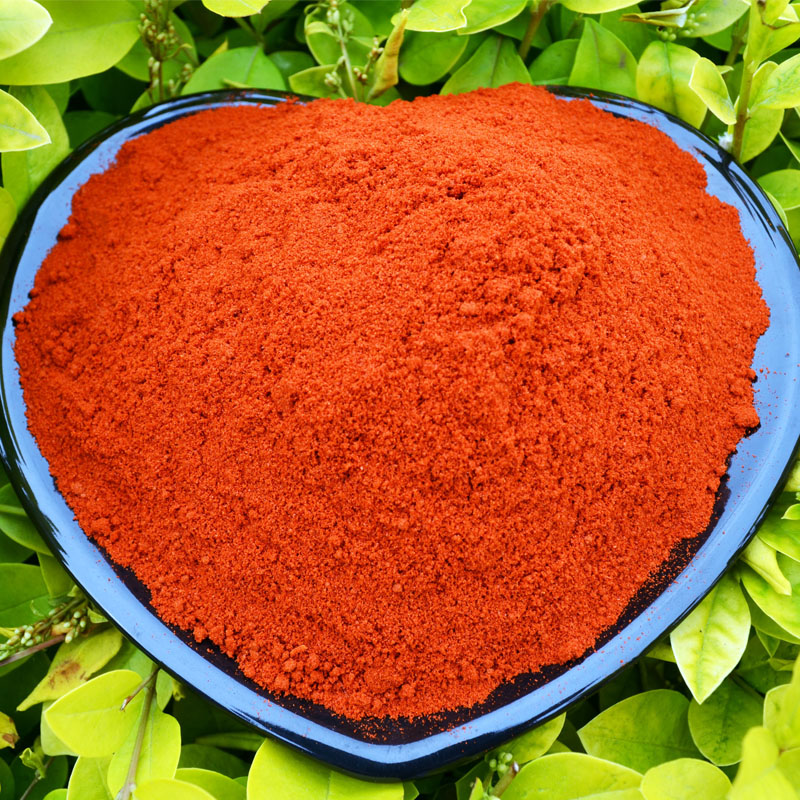
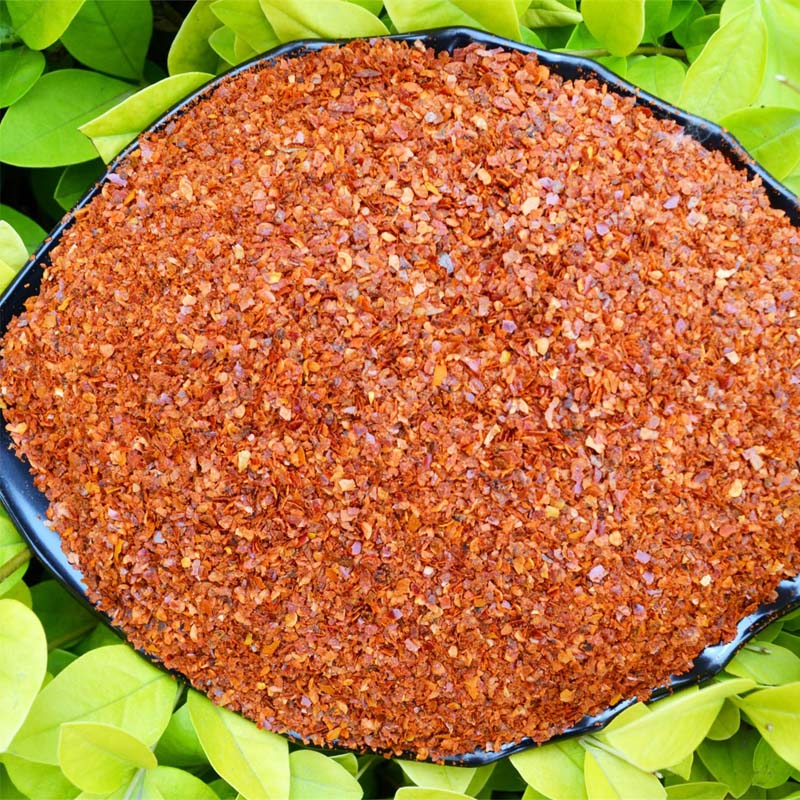
After drying, the peppers are brittle and ready for grinding. Traditionally, stone mills were used to create a coarse texture. Modern industrial operations employ hammer mills or ball mills, allowing for a wider range of particle sizes, from fine powders to coarser grinds. The fineness of the grind affects the spice’s flavor release and visual appeal. A finer grind will dissolve more easily into liquids, while a coarser grind adds texture to dishes. Hongri Spice offers various grind sizes to meet diverse culinary needs.
Quality Control: Ensuring Purity and Flavor
Maintaining consistent quality is paramount. This involves rigorous testing at every stage of production, from pepper selection to final grinding. Tests include assessments for moisture content, color, heat level (using the ASTA scale), and the absence of contaminants like mold or foreign materials. Hongri Spice employs stringent quality control measures, adhering to international food safety standards. This ensures that every batch of paprika powder meets the highest levels of purity and flavor.
Types of Paprika and Their Uses
Paprika isn't a single entity – several types offer distinct characteristics. Sweet paprika, as mentioned, is mild and adds color. Smoked paprika (pimentón) is dried over oak fires, imbuing a smoky flavor. Hot paprika provides a spicy kick. Rose paprika, originating from Spain, offers a slightly fruity, delicate flavor. Understanding these differences allows you to select the right paprika for your culinary creations. Hongri Spice offers a comprehensive range of paprika varieties to suit every palate and recipe.
Conclusion: From Field to Flavor
The journey of making paprika powder is a testament to the art and science of spice production. From careful pepper selection and meticulous drying to precise grinding and rigorous quality control, each step contributes to the final product's exceptional flavor and color. By choosing high-quality paprika from reputable sources like Hongri Spice, you can elevate your dishes and experience the true essence of this beloved spice.
Frequently Asked Questions (FAQs)
What is the best way to store paprika powder?
To maintain its vibrant color and potent flavor, paprika powder should be stored in an airtight container, away from direct sunlight, heat, and moisture. A cool, dark pantry is ideal. Avoid storing it above the stove or near other heat sources. Properly stored, paprika powder can retain its quality for up to two years, though its color and flavor may gradually diminish over time. Consider using opaque containers to further protect it from light exposure.
Can I make my own paprika powder at home?
Yes, it's possible to make your own paprika powder! However, it requires significant effort and attention to detail. You'll need to source high-quality peppers, dry them thoroughly (which can take weeks), and then grind them into a fine powder using a spice grinder or coffee grinder. The resulting powder may not be as consistent in color or texture as commercially produced paprika, but it can be a rewarding experience for spice enthusiasts.
What’s the difference between sweet and hot paprika?
The primary difference lies in the type of peppers used. Sweet paprika is made from peppers with very low capsaicin levels, resulting in a mild, slightly sweet flavor. Hot paprika, on the other hand, uses peppers that contain significantly more capsaicin, providing a noticeable spicy kick. The heat level can vary within hot paprika, ranging from mild to intensely fiery.
How does the ASTA scale relate to paprika heat?
The ASTA (American Spice Trade Association) scale measures the pungency or heat level of paprika using a spectrophotometer to quantify the amount of capsaicinoids present. A higher ASTA value indicates a hotter paprika. Sweet paprika typically has an ASTA value of less than 100, while hot paprika can range from 100 to over 300. This scale provides a standardized way to assess and compare the heat levels of different paprika varieties.
-
Guide to Sourcing and Using Premium Dried Spicy PeppersNewsApr.16,2026
-
Dried Spur Chili Guide to Premium Flavor and Industrial QualityNewsApr.09,2026
-
Exploring the World of Dried Whole Chili Peppers and Their Culinary UsesNewsApr.07,2026
-
Exploring the Culinary World of Dried Whole Chillies and Their Versatile UsesNewsApr.04,2026
-
Exploring the World of Red Dried Chiles and Their Culinary UsesNewsMar.31,2026
-
Exploring the Culinary World of Red Dried Chili Peppers and Their Versatile UsesNewsMar.28,2026
 Afrikaans
 Albanian
 Amharic
 Arabic
 Armenian
 Azerbaijani
 Basque
 Belarusian
 Bengali
 Bosnian
 Bulgarian
 Catalan
 Cebuano
 Corsican
 Croatian
 Czech
Czech
 Danish
 Dutch
Dutch
 Esperanto
 Estonian
 Finnish
 French
 Frisian
 Galician
 Georgian
 German
 Greek
Greek
 Gujarati
 Haitian Creole
 Hausa
Hausa
 Hawaiian
 Hebrew
 Hindi
Hindi
 Miao
Miao
 Hungarian
 Icelandic
 Igbo
Igbo
 Indonesian
 Irish
Irish
 Italian
 Japanese
 Javanese
 Kannada
 Kazakh
 Khmer
Khmer
 Rwandese
 Korean
 Kurdish
 Kyrgyz
 Lao
Lao
 Latin
Latin
 Latvian
 Lithuanian
 Luxembourgish
 Macedonian
 Malgashi
 Malay
Malay
 Malayalam
 Maltese
 Maori
Maori
 Marathi
 Mongolian
 Myanmar
 Nepali
 Norwegian
 Norwegian
 Occitan
 Pashto
 Persian
 Polish
 Portuguese
 Punjabi
 Romanian
 Russian
 Samoan
 Scottish Gaelic
 Serbian
 Sesotho
 Shona
Shona
 Sindhi
 Sinhala
 Slovak
 Slovenian
 Somali
 Spanish
 Sundanese
 Swahili
 Swedish
 Tagalog
 Tajik
Tajik
 Tamil
Tamil
 Tatar
Tatar
 Telugu
 Thai
Thai
 Turkish
 Turkmen
 Ukrainian
 Urdu
Urdu
 Uighur
 Uzbek
Uzbek
 Vietnamese
 Welsh
Welsh
 Bantu
Bantu
 Yiddish
 Yoruba
 Zulu
Zulu
 English