- No. 268 Xianghe Street, Economic Development Zone of Xingtai city, Hebei 054001 China
- Byron@hbhongri.cn
Making Paprika Powder – Global Process, Quality & Innovations Explained
Unlocking the Art of Making Paprika Powder: A Global Perspective
For many, paprika powder is that vibrant red spice you sprinkle over dishes for a bit of color and flavor. But if you zoom out, the art and science of making paprika powder hold significant global importance, from agriculture economies to international trade and culinary cultures. Understanding the process isn’t just about recipes — it touches on food preservation, industrial processing, and the livelihoods of millions, especially in countries where pepper farming is a mainstay.
Whether you’re a food enthusiast or a business professional, recognizing how paprika powder is made reveals fascinating insights into supply chain challenges, sustainability concerns, and even innovation in agricultural tech. Curious? Let’s explore why making paprika powder matters worldwide.
Global Context: Why Making Paprika Powder Matters Today
According to the Food and Agriculture Organization (FAO), paprika pepper cultivation occupies thousands of hectares worldwide, with Hungary, Spain, and India leading production. The spice market's value is projected to grow steadily, driven by culinary demand and expanding food processing industries. But it’s not without hurdles; climate variability disrupts pepper yields, forcing producers to rethink harvesting and drying methods. Plus, food safety regulations from ISO and global trade demands make consistency critical.
Essentially, making paprika powder isn’t just about drying a pepper and crushing it. It’s an intricate dance balancing quality, flavor retention, and mass production—while grappling with environmental and economic pressures.
What Does "Making Paprika Powder" Actually Mean?
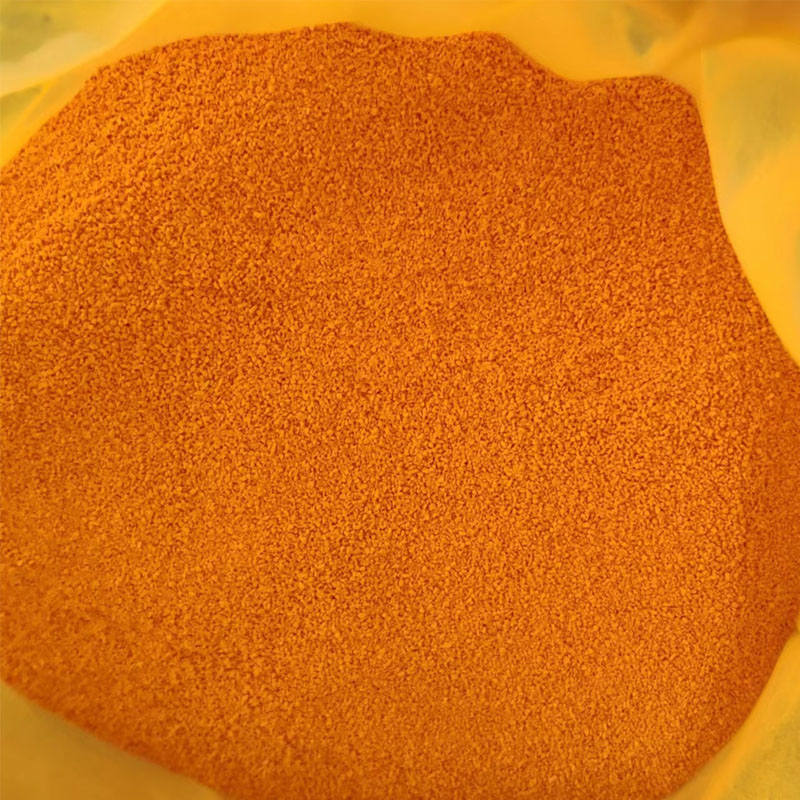
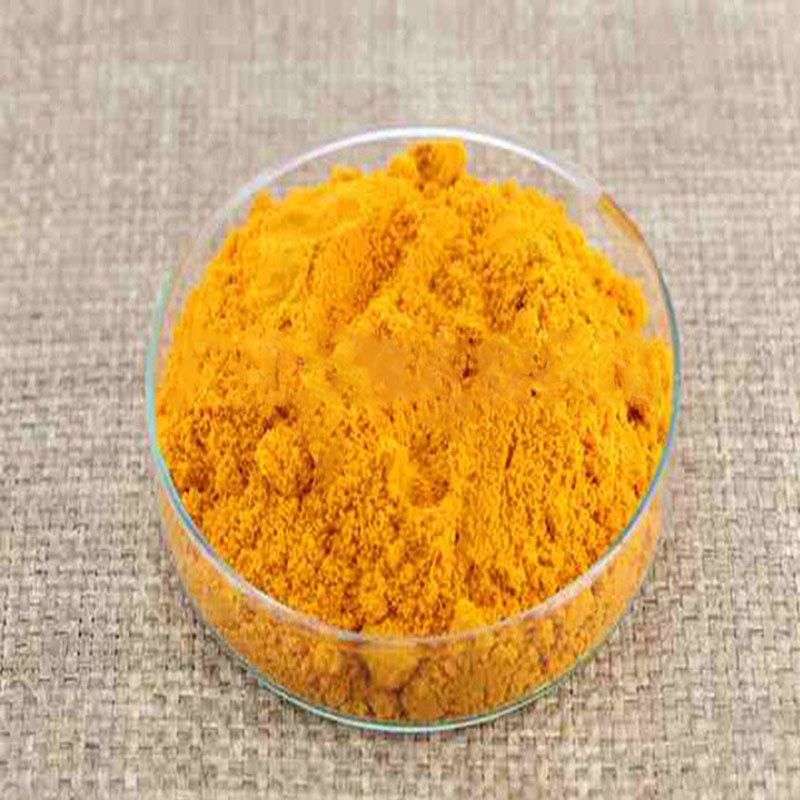
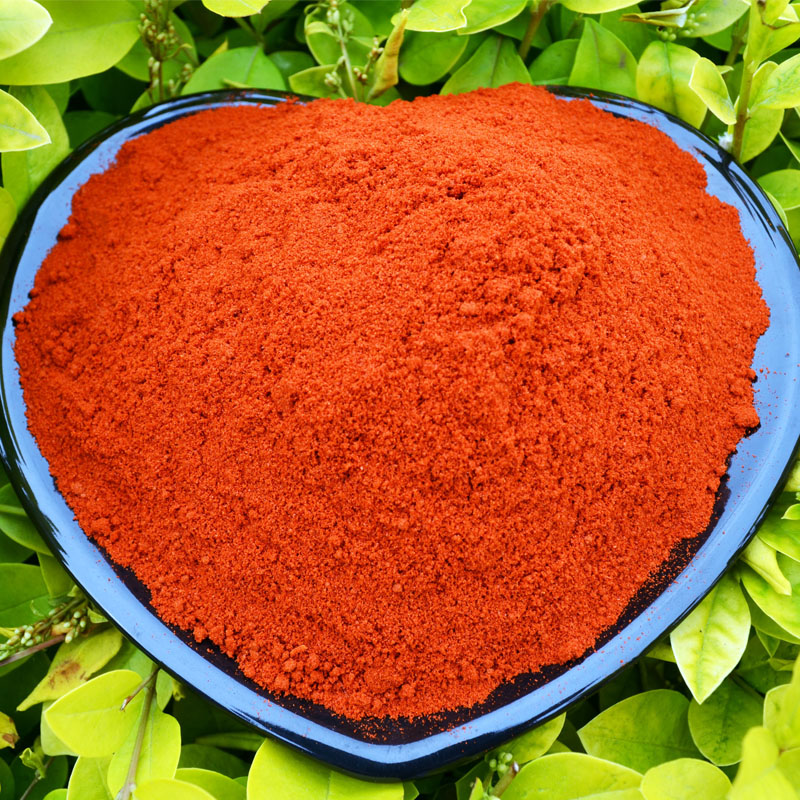
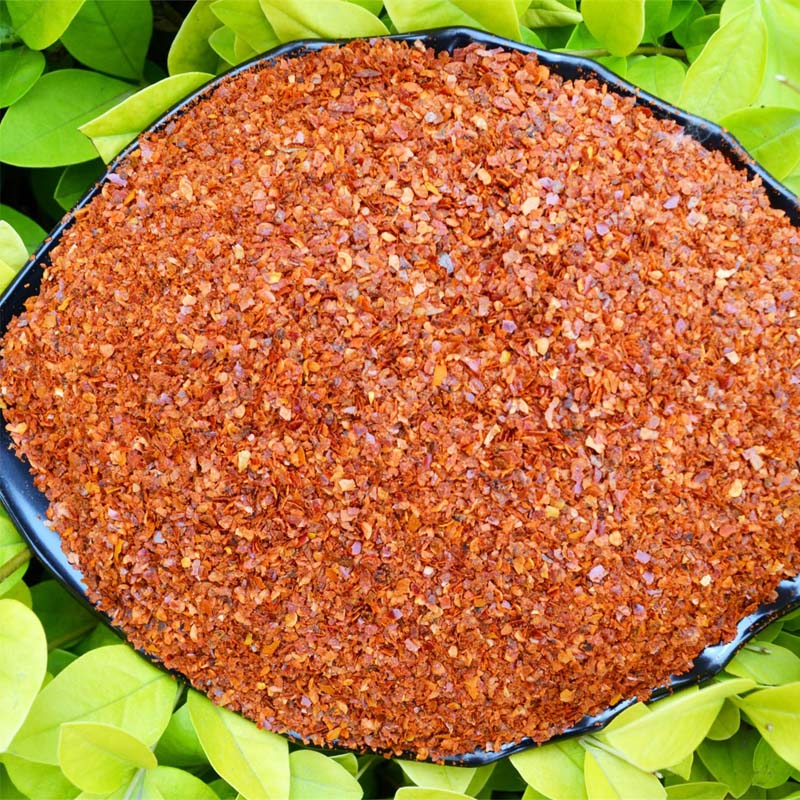
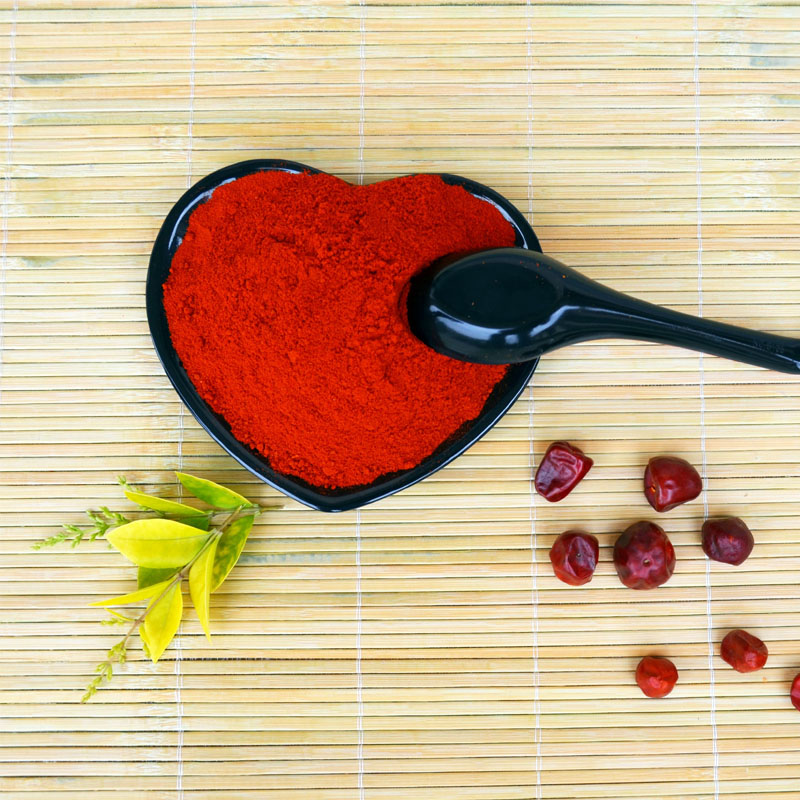
In simple terms, making paprika powder is the process of transforming fresh Capsicum annuum peppers into the bright, flavorful powder we find in kitchens worldwide. This involves harvesting ripe peppers, drying them under controlled conditions, grinding them finely, and packaging carefully to preserve flavor and color.
Modern paprika powder production often incorporates advanced drying techniques—like hot air or infrared drying—and quality control measures to meet industrial and international standards. Beyond consumer kitchens, powdered paprika is a critical ingredient in food manufacturing, pharmaceuticals, and even cosmetics.
Core Components in the Making of Paprika Powder
1. Harvesting and Selection
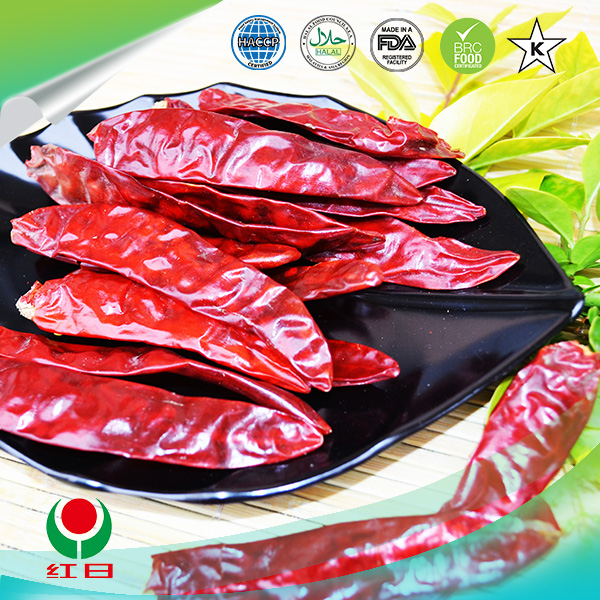
The quality journey starts here. Only ripe, high-quality peppers yield premium paprika powder. Harvest timing, pepper variety, and field conditions influence the final flavor and color.
2. Drying Techniques
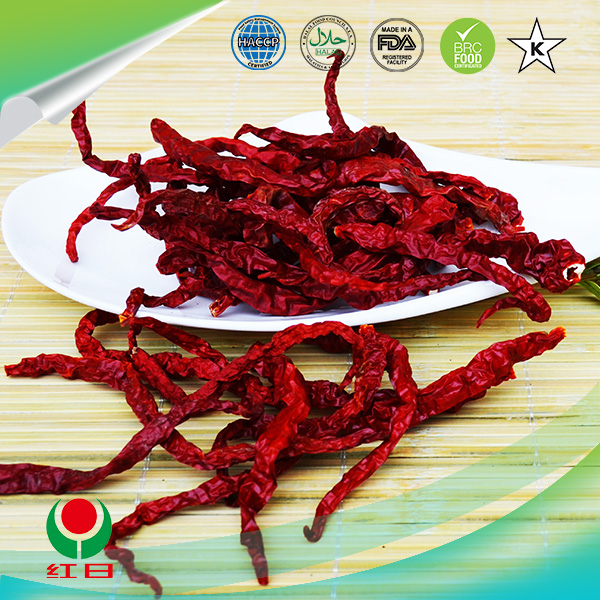
Drying is arguably the most crucial step. The peppers need to lose moisture without losing the oils that carry color and flavor. Traditional sun drying is still common, but many producers opt for hot air or freeze-drying to ensure consistency and hygiene.
3. Grinding and Milling
This step determines texture and particle size, which affect both appearance and how flavor releases during cooking. Fine milling results in smooth powders suitable for seasoning; coarse might be used for rubs or industrial applications.
4. Quality Control and Packaging
To meet food safety regulations and extend shelf-life, paprika powder must be tested for moisture, color, contaminants, and flavor profile. Proper packaging also protects against oxidation and humidity.
5. Scalability and Cost Efficiency
Producers balance traditional craft with industrial automation to maintain quality while producing at scale. Managing operational costs while minimizing waste is key, especially in competitive spice markets.
Product Specification Table: Typical Commercial Paprika Powder
| Specification | Typical Value | Notes |
|---|---|---|
| Color (ASTA Units) | 120 - 160 | Indicates pigment intensity |
| Moisture Content | ≤ 12% | Prevents mold growth |
| Capsaicin (SHU) | 100 - 500 | Mild to medium hotness |
| Particle Size | Fine powder consistency | |
| Packaging Type | Vacuum-sealed, nitrogen flushed | Preserves freshness |
Comparing Leading Paprika Powder Vendors
| Vendor | Origin | Price (per kg) | Specialty | Certifications |
|---|---|---|---|---|
| Hungarian Spice Co. | Hungary | $8.50 | Traditional smoked paprika | ISO 22000, Organic |
| Spanish Paprika Ltd. | Spain | $7.80 | Sweet paprika, culinary grade | FDA, ISO 9001 |
| Indian Spice Masters | India | $6.20 | High heat chili paprika | FSSAI, Organic |
Global Applications & Real-World Use Cases
From a bustling kitchen in Budapest to major food processing plants in the US, paprika powder plays a role beyond the dinner plate. In Europe, smoked paprika defines regional dishes, while in India, hotter variants are preferred for spice blends. Industrial food manufacturers use paprika for natural coloring agents, replacing artificial dyes—a growing trend for health-conscious consumers.
In humanitarian logistics, paprika powder’s long shelf life and flavor stability make it ideal for relief food packets distributed by organizations like the World Food Programme (WFP). Its use boosts morale by adding taste and color to otherwise bland emergency rations.
Advantages & Long-Term Value of Quality Paprika Powder Production
- Cost Efficiency: Proper drying and packaging reduce losses, improving profitability.
- Sustainability: Many producers now use solar drying and organic cultivation to reduce environmental footprints.
- Flavor & Nutrition: Well-made paprika retains antioxidants and vitamins, enhancing consumer health benefits.
- Market Trust: Certification and consistent quality help brands secure international contracts.
- Social Impact: Encourages local farming communities, preserving cultural heritage and providing livelihoods.
Frankly, investing in good practice for making paprika powder is reaping returns for farmers and brands alike—not just in dollars, but also in trust and sustainability.
Emerging Trends & Innovations in Paprika Powder Production
Technology is quietly transforming spice production. Automated sorting lines with hyperspectral imaging detect faulty peppers faster than the human eye. IoT-enabled drying chambers optimize temperature and humidity for uniform quality, cutting waste significantly.
Green energy initiatives using solar dryers are becoming popular in sunny climates, slashing electricity costs and carbon emissions. On the packaging front, biodegradable films are being trialed to reduce plastic waste, matching consumer demand for eco-friendly solutions.
Even blockchain is stepping in, with traceability platforms ensuring every pinch of paprika powder can be traced back to the field—boosting transparency and consumer confidence.
Common Challenges & How Experts Solve Them
Many producers bump into issues like uneven drying leading to mold, oxidation causing flavor loss, or inconsistent particle size affecting product grade. Advanced moisture sensors and real-time monitoring help mitigate these problems early.
Supply chain disruptions—think weather changes or global shipping delays—also challenge steady paprika powder availability. Here, diversifying pepper sourcing and investing in local value-added processing help buffer shocks.
In short, addressing these challenges requires blending traditional knowledge with cutting-edge technology.
FAQ: Your Quick Guide to Making Paprika Powder
- Q: How long does the paprika powder production process take?
A: Depending on the drying method, it can take anywhere from a few days (hot air drying) to several weeks (traditional sun drying). Faster methods prioritize consistency and hygiene. - Q: Why is drying the most critical step in making paprika powder?
A: Drying reduces moisture to halt microbial growth, while preserving the natural oils and pigments that carry flavor and color, essential for premium quality. - Q: Can paprika powder be made from all types of red peppers?
A: Generally, Capsicum annuum varieties are preferred, but flavor and heat differ widely. Selection depends on the intended market—e.g., sweet vs. hot paprika. - Q: How do certifications like ISO or Organic affect paprika powder?
A: They assure buyers that the product meets stringent quality, safety, and sustainability standards, bolstering export potential. - Q: Is there an eco-friendly way to produce paprika powder on a commercial scale?
A: Yes—solar drying, organic farming, and biodegradable packaging are key trends pushing the industry toward greener practices.
Wrapping Up: Why Making Paprika Powder Is a Bright Idea
All told, making paprika powder is a nuanced, dynamic process that goes way beyond the kitchen shelf. It’s about preserving tradition while embracing innovation, ensuring quality from seed to spice. The long-term benefits ripple through agricultural communities, industrial players, and consumers craving authentic flavor and sustainability.
If you’re intrigued by the journey from fresh pepper to that vibrant dash on your plate, or if you’re scouting solutions for spice production, check out making paprika powder for more detailed insights and supplier connections.
Happy seasoning!
References:
-
Guide to Sourcing and Using Premium Dried Spicy PeppersNewsApr.16,2026
-
Dried Spur Chili Guide to Premium Flavor and Industrial QualityNewsApr.09,2026
-
Exploring the World of Dried Whole Chili Peppers and Their Culinary UsesNewsApr.07,2026
-
Exploring the Culinary World of Dried Whole Chillies and Their Versatile UsesNewsApr.04,2026
-
Exploring the World of Red Dried Chiles and Their Culinary UsesNewsMar.31,2026
-
Exploring the Culinary World of Red Dried Chili Peppers and Their Versatile UsesNewsMar.28,2026
 Afrikaans
 Albanian
 Amharic
 Arabic
 Armenian
 Azerbaijani
 Basque
 Belarusian
 Bengali
 Bosnian
 Bulgarian
 Catalan
 Cebuano
 Corsican
 Croatian
 Czech
Czech
 Danish
 Dutch
Dutch
 Esperanto
 Estonian
 Finnish
 French
 Frisian
 Galician
 Georgian
 German
 Greek
Greek
 Gujarati
 Haitian Creole
 Hausa
Hausa
 Hawaiian
 Hebrew
 Hindi
Hindi
 Miao
Miao
 Hungarian
 Icelandic
 Igbo
Igbo
 Indonesian
 Irish
Irish
 Italian
 Japanese
 Javanese
 Kannada
 Kazakh
 Khmer
Khmer
 Rwandese
 Korean
 Kurdish
 Kyrgyz
 Lao
Lao
 Latin
Latin
 Latvian
 Lithuanian
 Luxembourgish
 Macedonian
 Malgashi
 Malay
Malay
 Malayalam
 Maltese
 Maori
Maori
 Marathi
 Mongolian
 Myanmar
 Nepali
 Norwegian
 Norwegian
 Occitan
 Pashto
 Persian
 Polish
 Portuguese
 Punjabi
 Romanian
 Russian
 Samoan
 Scottish Gaelic
 Serbian
 Sesotho
 Shona
Shona
 Sindhi
 Sinhala
 Slovak
 Slovenian
 Somali
 Spanish
 Sundanese
 Swahili
 Swedish
 Tagalog
 Tajik
Tajik
 Tamil
Tamil
 Tatar
Tatar
 Telugu
 Thai
Thai
 Turkish
 Turkmen
 Ukrainian
 Urdu
Urdu
 Uighur
 Uzbek
Uzbek
 Vietnamese
 Welsh
Welsh
 Bantu
Bantu
 Yiddish
 Yoruba
 Zulu
Zulu
 English