- No. 268 Xianghe Street, Economic Development Zone of Xingtai city, Hebei 054001 China
- Byron@hbhongri.cn
Premium Crushed Dried Chillies for Industrial Use | Quality Specs & Vendors
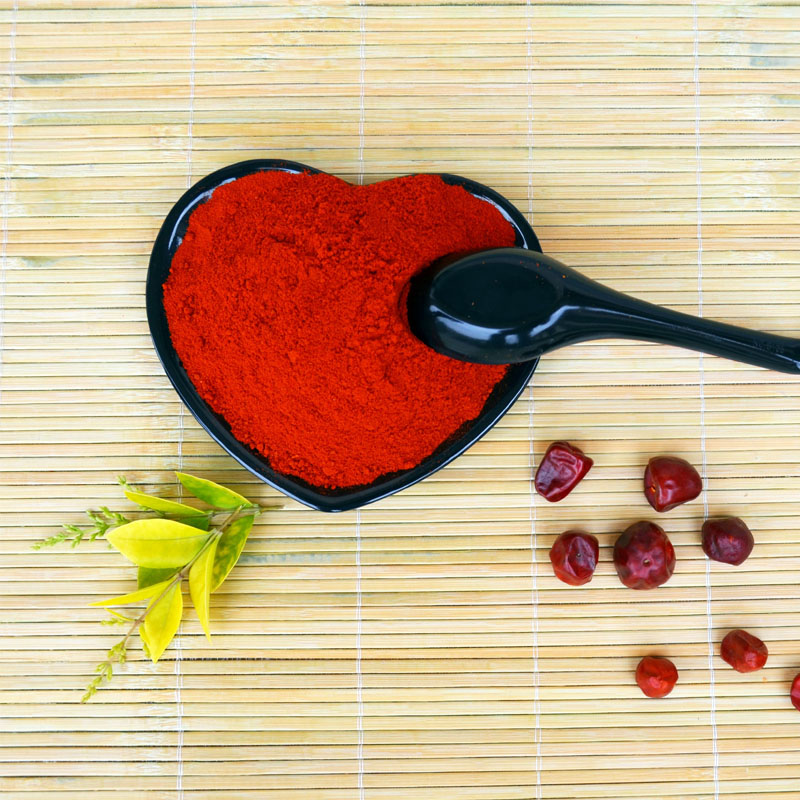
Understanding Crushed Dried Chillies in Industrial Applications
Having spent quite a few years navigating the twists and turns of industrial equipment and ingredient supply chains, I can say one thing with some certainty: crushed dried chillies are deceptively simple but surprisingly important. You might think they’re just a fiery condiment for kitchens, but their role in industry — food production, packaging lines, quality control — is no joke.
Oddly enough, what started for me as just another raw material inspection blossomed into a deeper appreciation. I noticed how consistent particle size and moisture content directly influence blending and shelf life in mass production. Frankly, these crushed dried chillies are more than dried spice; they’re a precise product that demands respect and a good eye.
In real terms, suppliers like Hongri Spice focus heavily on sourcing premium chillies that are meticulously dried and crushed to defined specifications. The drying process needs to avoid overheating or uneven moisture retention, which otherwise risks mold or flavor degradation — a nightmare on any production floor. Many engineers I've worked alongside often remind me: “If your raw spice is off, the final product is off.” Simple but true.
Key Product Specifications for Crushed Dried Chillies
| Specification | Typical Range | Importance |
|---|---|---|
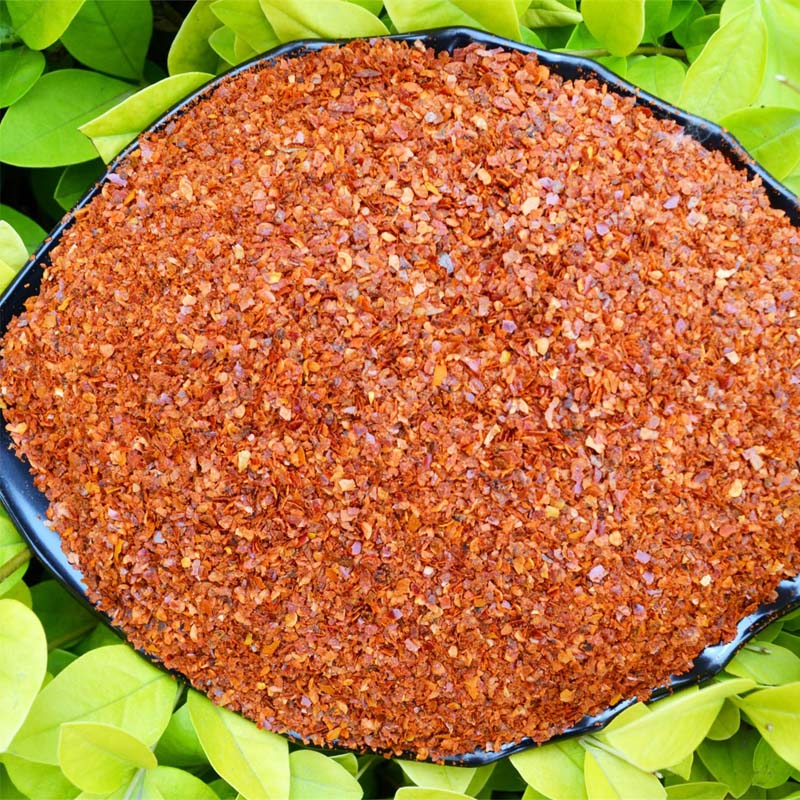
| Particle Size (mesh) | 8 - 20 mesh | Affects blending &heat distribution |
| Moisture Content (%) | ≤ 12% | Prevents mold & extends shelf-life |
| Capsaicin Content (Scoville Heat Units) | 30,000 - 50,000 SHU | Defines pungency & flavor impact |
| Color (ASTA Units) | 80 - 120 | Visual quality & market appeal |
| Foreign Matter (%) | ≤ 1% | Ensures purity and food safety |
Customization is a frequent ask. Some clients want finer grind for seasoning blends; others prefer chunkier pieces for spicy textured coatings. Honestly, accommodating those needs, while keeping consistent quality, is one of those behind-the-scenes challenges that most end consumers don’t realize.
Comparing Vendors: What to Look For
| Vendor | Quality Consistency | Certification | Price Competitiveness | Lead Time |
|---|---|---|---|---|
| Hongri Spice | Very high (ISO 22000) | ISO & HACCP | Moderate | 2-4 weeks |
| Vendor B | Moderate | BRC Certified | Lower | 3-5 weeks |
| Vendor C | Variable | None | Low | 1-2 weeks |
To give you a small story: A client once switched from a cheaper vendor to a more certified supplier (spoiler: Hongri Spice). The difference in flavor consistency and product shelf life was noticeable. The production line saw fewer rejects, and frankly, the marketing team was happier with the “clean label” claims they could make. It’s little wins like these that, over time, really add up.
So, yes, crushed dried chillies might be just an ingredient to many, but I guess for those of us in the industrial side, they represent a blend of agriculture, science, and logistics—packed in a fiery little package. Whether for spice mix, sauces, or even pharma-grade capsaicin extraction, knowing your supplier and specs underpins everything.
If you’re considering sourcing or upgrading your crushed dried chillies, always factor in testing protocol, certification, and particle consistency. After all, quality at the start ensures smooth sailing downstream.
In the end, every crushed chile granule tells a story — of soil, sun, care, and yes, a little bit of industrial know-how.
References:
1. International Spice Association guidance on spice quality
2. ISO 22000 Food Safety Management standards
3. Case study insights from Hongri Spice industry reports

-
Guide to Sourcing and Using Premium Dried Spicy PeppersNewsApr.16,2026
-
Dried Spur Chili Guide to Premium Flavor and Industrial QualityNewsApr.09,2026
-
Exploring the World of Dried Whole Chili Peppers and Their Culinary UsesNewsApr.07,2026
-
Exploring the Culinary World of Dried Whole Chillies and Their Versatile UsesNewsApr.04,2026
-
Exploring the World of Red Dried Chiles and Their Culinary UsesNewsMar.31,2026
-
Exploring the Culinary World of Red Dried Chili Peppers and Their Versatile UsesNewsMar.28,2026
 Afrikaans
 Albanian
 Amharic
 Arabic
 Armenian
 Azerbaijani
 Basque
 Belarusian
 Bengali
 Bosnian
 Bulgarian
 Catalan
 Cebuano
 Corsican
 Croatian
 Czech
Czech
 Danish
 Dutch
Dutch
 Esperanto
 Estonian
 Finnish
 French
 Frisian
 Galician
 Georgian
 German
 Greek
Greek
 Gujarati
 Haitian Creole
 Hausa
Hausa
 Hawaiian
 Hebrew
 Hindi
Hindi
 Miao
Miao
 Hungarian
 Icelandic
 Igbo
Igbo
 Indonesian
 Irish
Irish
 Italian
 Japanese
 Javanese
 Kannada
 Kazakh
 Khmer
Khmer
 Rwandese
 Korean
 Kurdish
 Kyrgyz
 Lao
Lao
 Latin
Latin
 Latvian
 Lithuanian
 Luxembourgish
 Macedonian
 Malgashi
 Malay
Malay
 Malayalam
 Maltese
 Maori
Maori
 Marathi
 Mongolian
 Myanmar
 Nepali
 Norwegian
 Norwegian
 Occitan
 Pashto
 Persian
 Polish
 Portuguese
 Punjabi
 Romanian
 Russian
 Samoan
 Scottish Gaelic
 Serbian
 Sesotho
 Shona
Shona
 Sindhi
 Sinhala
 Slovak
 Slovenian
 Somali
 Spanish
 Sundanese
 Swahili
 Swedish
 Tagalog
 Tajik
Tajik
 Tamil
Tamil
 Tatar
Tatar
 Telugu
 Thai
Thai
 Turkish
 Turkmen
 Ukrainian
 Urdu
Urdu
 Uighur
 Uzbek
Uzbek
 Vietnamese
 Welsh
Welsh
 Bantu
Bantu
 Yiddish
 Yoruba
 Zulu
Zulu
 English