- No. 268 Xianghe Street, Economic Development Zone of Xingtai city, Hebei 054001 China
- Byron@hbhongri.cn
Crush Chili Peppers – Global Insights and Industrial Applications
Crush Chili Peppers: A Global Perspective on an Age-Old Practice
Crushing chili peppers might sound like a straightforward kitchen task, but the practice carries global repercussions — both culturally and commercially. From spicing up traditional dishes to driving entire industries, understanding how to crush chili peppers effectively is surprisingly beneficial. It affects food preservation, flavor extraction, and even supply chains across continents. Let’s explore why this seemingly small act matters worldwide.
Global Context: Why Crushing Chili Peppers Is More Important Than You’d Think
Did you know that chili pepper cultivation impacts over 2 million farmers worldwide, especially in Asia, Latin America, and Africa? According to the Food and Agriculture Organization (FAO), chili peppers are a multi-billion dollar industry. The secret often lies in how the chili is crushed or processed, influencing its market value and shelf life. Oddly enough, even supply chains handle crushed chili peppers differently because their risk of oxidation and spoilage varies.
However, a challenge persists: inconsistent crushing methods affect product quality. This impacts how vibrant the flavors are, how long crushed chili peppers stay fresh, and even their safety in packaged foods. Understanding crush techniques enables manufacturers and consumers to maintain quality and reduce waste.
What Does It Mean to Crush Chili Peppers?
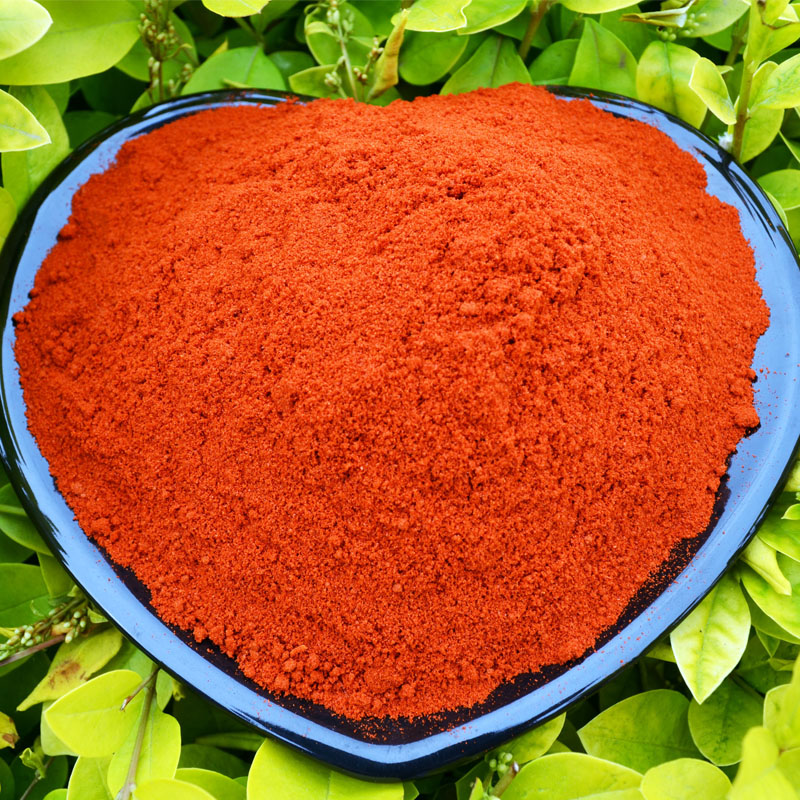
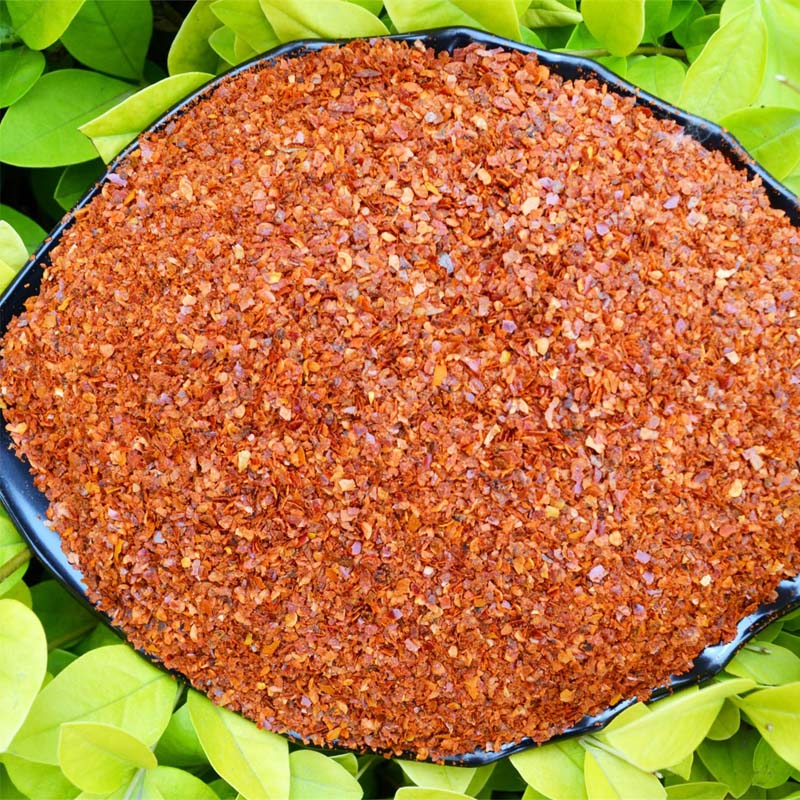
Crushing chili peppers refers to mechanically breaking down dried or fresh chili pods into smaller pieces or powder. This process releases the capsaicin — the compound responsible for heat — and essential oils that contribute to flavor and aroma. In commercial terms, crushing transforms raw chilies into a versatile ingredient used in sauces, spice blends, and seasoning products. It’s a bridge between raw harvest and culinary or industrial applications.
Key Aspects of Crushing Chili Peppers
1. Grinding Fineness and Uniformity
The fineness of the crushed chili determines its heat intensity distribution and texture. Uniform particle size is important in spice blends to ensure consistent flavor.
2. Preservation of Capsaicin and Flavor
Proper crushing methods preserve the volatile oils and capsaicin. Aggressive crushing or heat generation during grinding can degrade these compounds, dulling spice potency.
3. Moisture Control
Dry crushed peppers are less prone to mold and bacterial growth. Controlling moisture during and after crushing enhances shelf life, a key factor in global shipping and storage.
4. Equipment Durability and Scalability
Commercial operations require crushers that handle large volumes reliably and can scale production up or down based on demand.
5. Safety Standards and Cleanliness
Considering capsaicin’s irritant qualities, equipment must be cleaned thoroughly and designed to protect workers from exposure.
Product Specifications of a Typical Industrial Chili Pepper Crusher
| Feature | Specification |
|---|---|
| Capacity | 500 kg/hour |
| Particle Size Range | 2-5 mm (adjustable) |
| Material | Food-grade stainless steel |
| Power Consumption | 5 kW |
| Cleaning System | Automated wash with CIP (Clean-In-Place) |
Global Applications and Use Cases
From bustling spice markets in India to export-centric factories in Mexico, crushed chili peppers fuel culinary traditions and economies alike. In crush chili peppers for sauces and powders, producers in Southeast Asia supply global consumers with premium spices. Post-disaster relief efforts also leverage crushed chili products to create preserved, high-calorie foods that withstand shelf storage.
Imagine remote industrial zones relying on chili-based repellents or fumigants—these crushed products must be consistent and stable for effective use. NGOs working with communities develop cost-effective, scalable crushing solutions in such places.
Vendor Comparison: Leading Chili Pepper Crushing Equipment
| Vendor | Capacity (kg/hr) | Price Range | Additional Features |
|---|---|---|---|
| SpiceTech Inc. | 600 | $15,000–$20,000 | Integrated dust control system |
| HarvestPro Solutions | 450 | $12,000–$18,000 | Energy efficient motor |
| Global Spice Machinery | 550 | $18,000–$22,000 | Automated size calibration |
Advantages and Long-Term Value
Well-crushed chili peppers mean better flavor and longer shelf life, which translates into less food waste and happy consumers. On an emotional level, consistent rich aroma builds trust between producers and buyers, which is priceless in culinary business.
Sustainability comes from efficient machinery that reduces energy use and increases output. Social impact is significant too — stable chili pepper markets help smallholder farmers earn fair incomes, boosting rural economies. It feels less like just processing and more like preserving tradition and livelihood.
Future Trends & Innovations
Looking forward, automation and IoT-enabled crushing machines will fine-tune fineness, reduce human exposure to irritants, and monitor quality in real time. Some developers are experimenting with green energy-powered crushers to lower carbon footprints. Digital supply chains may integrate crushed chili pepper quality data to optimize distribution. There's even talk about biotech approaches to enhance capsaicin extraction efficiency — which is exciting but still nascent.
Challenges and Solutions
Despite advances, challenges remain. Moisture control is tricky in humid climates; poorly maintained equipment risks contamination; and inconsistent particle size undermines quality. Experts suggest implementing modular crushing units adaptable to local conditions, combined with training programs for workers. Also, hygiene protocols must become standard. Ongoing research aims to develop crushers that minimize heat generation, preserving chili’s fiery punch.
Frequently Asked Questions About Crush Chili Peppers
- Q: How does crushing affect the heat level of chili peppers?
A: Crushing breaks down cell walls and releases capsaicin, so freshly crushed peppers often feel hotter initially. However, if crushed and exposed to air for too long, oxidation can reduce heat. Proper crushing and storage help maintain consistent heat. - Q: Can I crush fresh chili peppers at home safely?
A: Yes, but you should wear gloves and avoid touching your face because capsaicin can irritate skin and eyes. Use a clean grinder and process in short bursts to avoid heat buildup that could dull flavor. - Q: What is the best particle size for crushed chili in cooking?
A: It depends on the dish, but around 2-4 mm pieces are common for spice blends. Finer powder suits sauces or coatings. Consistency ensures even flavor distribution. - Q: Are industrial crushers eco-friendly?
A: Many modern crushers are energy-efficient and use food-grade materials to reduce waste and contamination. The trend is moving towards greener options powered by renewable energy.
Conclusion: Why Crushed Chili Peppers Still Matter
Crushing chili peppers isn’t just culinary tradition — it's a global industry powering economies, preserving flavor, and fostering innovation. This humble process holds nuances that affect everything from farmer livelihoods to consumer satisfaction. If you want to explore the world of chili peppers deeper, crush chili peppers with intention and quality in mind.
Exploring more about spices and processing techniques could transform your kitchen or business — and it all starts with how you crush that pepper.
A final thought: Even in the fast-paced global food trade, the simple act of crushing the chili pepper connects us with centuries of flavor and craft. It feels kind of special, doesn’t it?
References

-
Guide to Sourcing and Using Premium Dried Spicy PeppersNewsApr.16,2026
-
Dried Spur Chili Guide to Premium Flavor and Industrial QualityNewsApr.09,2026
-
Exploring the World of Dried Whole Chili Peppers and Their Culinary UsesNewsApr.07,2026
-
Exploring the Culinary World of Dried Whole Chillies and Their Versatile UsesNewsApr.04,2026
-
Exploring the World of Red Dried Chiles and Their Culinary UsesNewsMar.31,2026
-
Exploring the Culinary World of Red Dried Chili Peppers and Their Versatile UsesNewsMar.28,2026
 Afrikaans
 Albanian
 Amharic
 Arabic
 Armenian
 Azerbaijani
 Basque
 Belarusian
 Bengali
 Bosnian
 Bulgarian
 Catalan
 Cebuano
 Corsican
 Croatian
 Czech
Czech
 Danish
 Dutch
Dutch
 Esperanto
 Estonian
 Finnish
 French
 Frisian
 Galician
 Georgian
 German
 Greek
Greek
 Gujarati
 Haitian Creole
 Hausa
Hausa
 Hawaiian
 Hebrew
 Hindi
Hindi
 Miao
Miao
 Hungarian
 Icelandic
 Igbo
Igbo
 Indonesian
 Irish
Irish
 Italian
 Japanese
 Javanese
 Kannada
 Kazakh
 Khmer
Khmer
 Rwandese
 Korean
 Kurdish
 Kyrgyz
 Lao
Lao
 Latin
Latin
 Latvian
 Lithuanian
 Luxembourgish
 Macedonian
 Malgashi
 Malay
Malay
 Malayalam
 Maltese
 Maori
Maori
 Marathi
 Mongolian
 Myanmar
 Nepali
 Norwegian
 Norwegian
 Occitan
 Pashto
 Persian
 Polish
 Portuguese
 Punjabi
 Romanian
 Russian
 Samoan
 Scottish Gaelic
 Serbian
 Sesotho
 Shona
Shona
 Sindhi
 Sinhala
 Slovak
 Slovenian
 Somali
 Spanish
 Sundanese
 Swahili
 Swedish
 Tagalog
 Tajik
Tajik
 Tamil
Tamil
 Tatar
Tatar
 Telugu
 Thai
Thai
 Turkish
 Turkmen
 Ukrainian
 Urdu
Urdu
 Uighur
 Uzbek
Uzbek
 Vietnamese
 Welsh
Welsh
 Bantu
Bantu
 Yiddish
 Yoruba
 Zulu
Zulu
 English