- No. 268 Xianghe Street, Economic Development Zone of Xingtai city, Hebei 054001 China
- Byron@hbhongri.cn
Guide to Sourcing and Using Premium Dried Spicy Peppers
The Ultimate Guide to Sourcing Premium Dried Spicy Peppers
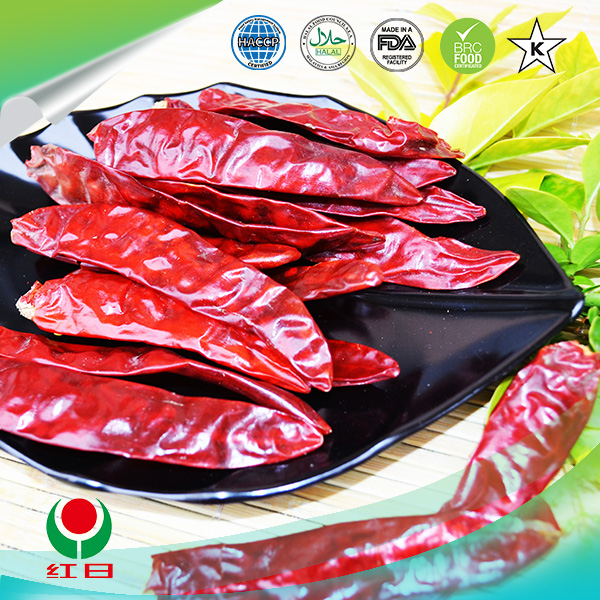
For culinary enthusiasts and industrial food producers alike, the quality of dried spicy peppers is the cornerstone of a bold and authentic flavor profile. Whether you are crafting a signature hot sauce or developing a commercial spice blend, understanding the nuances of heat levels, drying methods, and origin is essential. In today's global market, sourcing peppers that maintain their vibrant color and potent capsaicin content can be challenging. This comprehensive guide explores everything from variety selection to the technical specifications required for bulk importing, ensuring you get the most pungent and aromatic product for your needs.
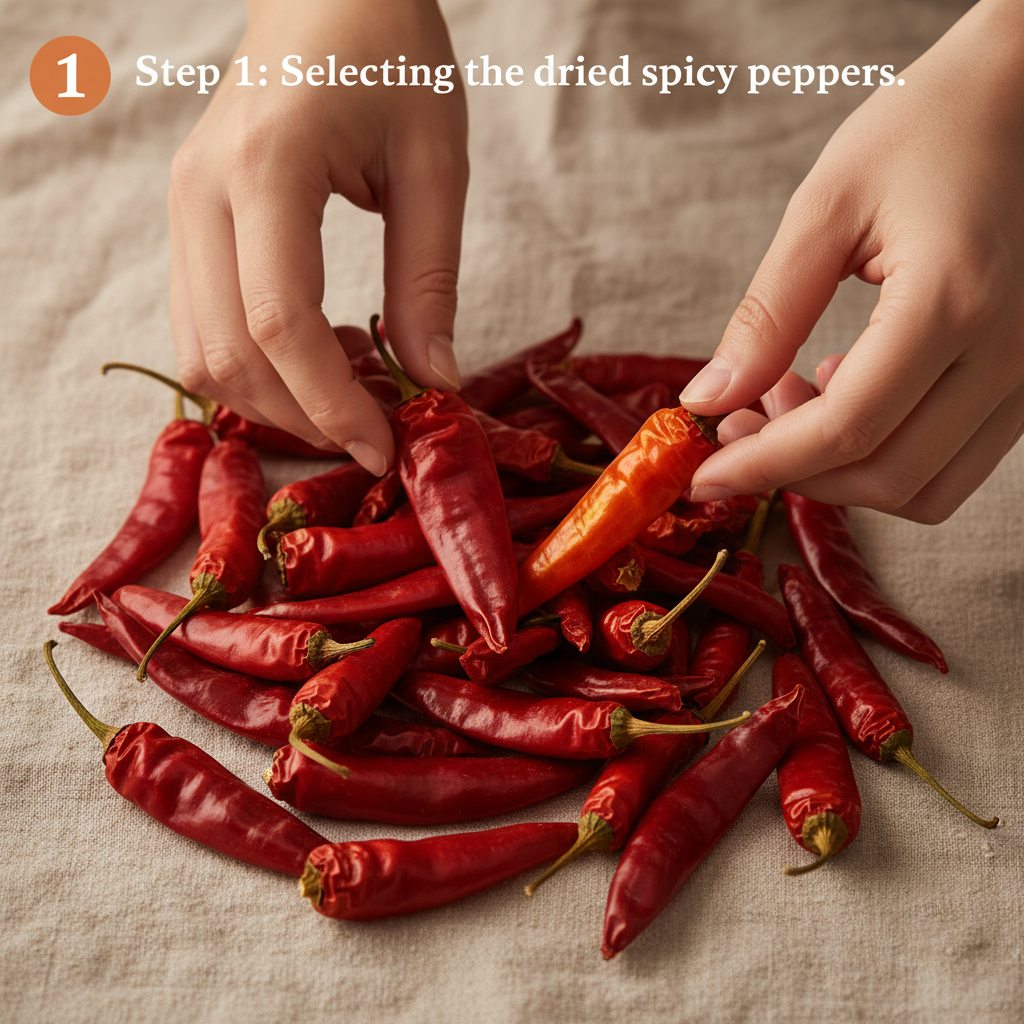
Understanding the Varieties of Dried Spicy Peppers
Not all dried spicy peppers are created equal. The world of dried chiles ranges from the smoky depth of Chipotles to the searing heat of Bird's Eye chilies. The drying process concentrates the flavors and preserves the heat, making them an indispensable ingredient in global cuisines. When selecting a variety, you must consider the Scoville Heat Unit (SHU), which determines the intensity of the spice. For those seeking a balanced flavor with moderate heat, varieties like Ancho or Guajillo are ideal, whereas those targeting a "super-hot" experience should look toward Habanero or Ghost pepper derivatives.
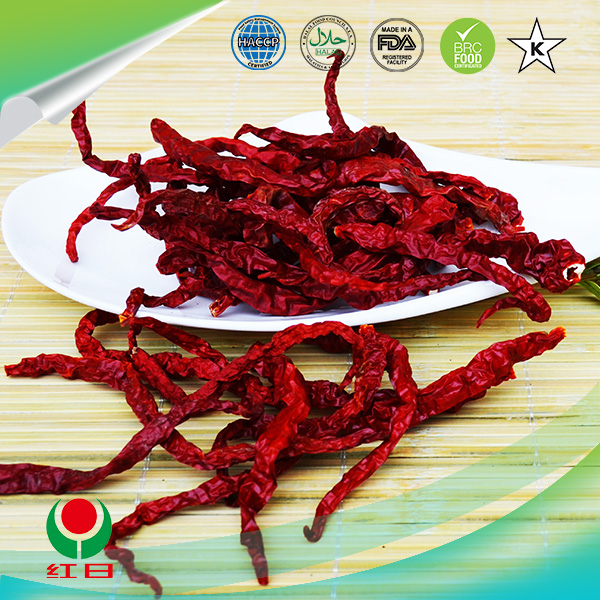
Pro Tip: Always check for a deep, consistent color and a crisp texture. Brittle peppers that crumble too easily may have lost their essential oils and aromatic potency during an improper drying process.
The Drying Process and Its Impact on Quality
The method used to produce dried spicy peppers directly affects the final taste and shelf life. Sun-drying is the traditional method, utilizing natural UV rays to remove moisture, which often imparts a rustic, earthy flavor. However, industrial dehydration or freeze-drying is preferred for commercial scale to ensure uniform moisture content and prevent mold growth. Maintaining a moisture level below 12% is critical for long-term storage and preventing the degradation of the capsaicinoids, ensuring that the spice remains "punchy" from the first bag to the last.
Comparing Top-Tier Dried Spicy Peppers
Choosing the right pepper depends on your specific application. Some are prized for their color, others for their searing heat, and some for their aromatic complexity. Below is a detailed comparison of the most sought-after dried spicy peppers in the wholesale market to help you make an informed purchasing decision.
Bulk Procurement Specifications for Dried Spicy Peppers
When importing dried spicy peppers in bulk, technical specifications are the only way to ensure consistency across shipments. Professional buyers focus on the foreign matter percentage, moisture levels, and pesticide residue compliance (MRLs). To maintain the visual appeal and heat of the product, vacuum packaging or moisture-proof multi-layer bags are highly recommended. Below is a standard specification table for industrial-grade spicy peppers.
Storage Solutions to Preserve Heat and Aroma
Once you have acquired your dried spicy peppers, the battle shifts to preservation. The three primary enemies of dried chilies are light, heat, and humidity. Exposure to sunlight causes "bleaching," where the rich red pigments fade and the heat begins to dissipate. To maximize shelf life, peppers should be stored in an airtight container in a cool, dark environment. For industrial storage, climate-controlled warehouses are essential to prevent the absorption of ambient moisture, which can lead to clumping or, worse, fungal contamination.
Integrating Spicy Peppers into Commercial Food Production
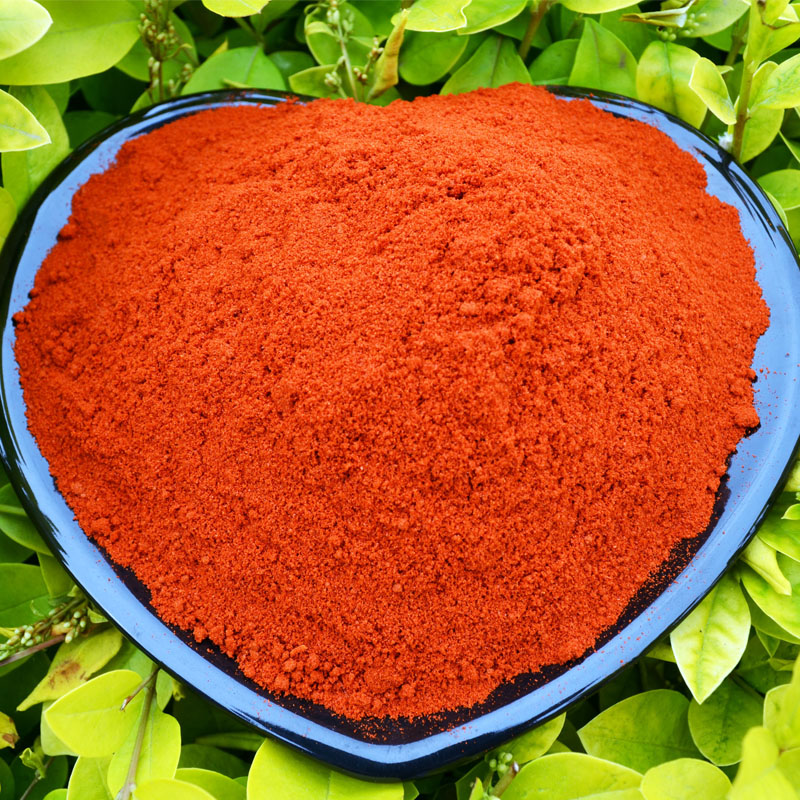
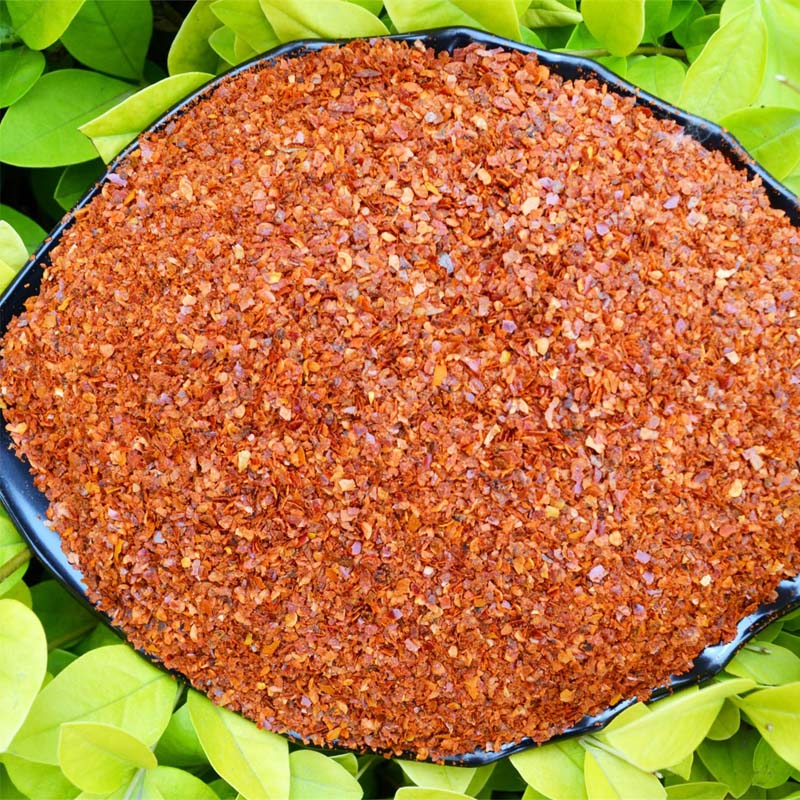
Incorporating dried spicy peppers into a commercial product line requires a balance of science and art. For maximum flavor extraction, many producers use a "rehydration" phase or a cold-press oil extraction to pull out the capsaicin and aromatic compounds. In powder form, the consistency of the grind (from coarse flakes to extra-fine powder) determines how the spice distributes throughout the product. Whether you are formulating a spicy snack or a gourmet condiment, starting with a high-purity, standardized raw material ensures that every batch tastes the same, protecting your brand's reputation.
Conclusion: Elevate Your Flavors with Quality Spices
Sourcing the right dried spicy peppers is more than just a purchase—it is an investment in the quality of your final product. By focusing on variety, drying standards, and rigorous technical specifications, you can ensure a consistent, high-impact heat that delights your customers. Whether you are looking for the fiery intensity of Bird's Eye or the versatile warmth of Cayenne, choosing a professional supplier is the key to success. Upgrade your ingredient list and experience the difference that premium spices make.
Frequently Asked Questions (FAQs)
How long do dried spicy peppers stay potent?
When stored correctly in a cool, dry, and dark environment, high-quality dried spicy peppers can maintain their potency for 1 to 2 years. While the heat (capsaicin) is quite stable, the volatile aromatic oils fade over time. For commercial applications, it is recommended to use stock within 12 months to ensure the most vibrant flavor profile. Vacuum sealing is the most effective way to extend this window.
What is the difference between sun-dried and machine-dried peppers?
Sun-dried peppers are processed naturally, often resulting in a more complex, earthy flavor, but they are susceptible to weather variations and uneven drying. Machine-dried peppers are processed in controlled environments, ensuring a consistent moisture level and a higher standard of hygiene. For bulk industrial use, machine-dried options are generally preferred because they offer the stability needed for standardized food production and a longer shelf life.
How do I verify the heat level of a bulk shipment?
The most accurate way to verify heat is through HPLC (High-Performance Liquid Chromatography) testing, which measures the exact concentration of capsaicinoids. For a quicker reference, you can request a COA (Certificate of Analysis) from your supplier. We recommend requesting a pre-shipment sample to perform a sensory evaluation, ensuring the heat profile aligns with your product's requirements before the full shipment is dispatched from Hongri Spice.
Can dried peppers be rehydrated without losing heat?
Yes, rehydrating dried spicy peppers in warm water or oil does not significantly reduce the heat level, as capsaicin is a stable compound. In fact, rehydration often makes the heat more "accessible" to the palate by releasing the oils. To preserve the maximum amount of flavor, use filtered water at a temperature of around 60-80°C rather than boiling water, which can sometimes scorch the delicate aromatic compounds.
-
Dried Spur Chili Guide to Premium Flavor and Industrial QualityNewsApr.09,2026
-
Exploring the World of Dried Whole Chili Peppers and Their Culinary UsesNewsApr.07,2026
-
Exploring the Culinary World of Dried Whole Chillies and Their Versatile UsesNewsApr.04,2026
-
Exploring the World of Red Dried Chiles and Their Culinary UsesNewsMar.31,2026
-
Exploring the Culinary World of Red Dried Chili Peppers and Their Versatile UsesNewsMar.28,2026
 Afrikaans
 Albanian
 Amharic
 Arabic
 Armenian
 Azerbaijani
 Basque
 Belarusian
 Bengali
 Bosnian
 Bulgarian
 Catalan
 Cebuano
 Corsican
 Croatian
 Czech
Czech
 Danish
 Dutch
Dutch
 Esperanto
 Estonian
 Finnish
 French
 Frisian
 Galician
 Georgian
 German
 Greek
Greek
 Gujarati
 Haitian Creole
 Hausa
Hausa
 Hawaiian
 Hebrew
 Hindi
Hindi
 Miao
Miao
 Hungarian
 Icelandic
 Igbo
Igbo
 Indonesian
 Irish
Irish
 Italian
 Japanese
 Javanese
 Kannada
 Kazakh
 Khmer
Khmer
 Rwandese
 Korean
 Kurdish
 Kyrgyz
 Lao
Lao
 Latin
Latin
 Latvian
 Lithuanian
 Luxembourgish
 Macedonian
 Malgashi
 Malay
Malay
 Malayalam
 Maltese
 Maori
Maori
 Marathi
 Mongolian
 Myanmar
 Nepali
 Norwegian
 Norwegian
 Occitan
 Pashto
 Persian
 Polish
 Portuguese
 Punjabi
 Romanian
 Russian
 Samoan
 Scottish Gaelic
 Serbian
 Sesotho
 Shona
Shona
 Sindhi
 Sinhala
 Slovak
 Slovenian
 Somali
 Spanish
 Sundanese
 Swahili
 Swedish
 Tagalog
 Tajik
Tajik
 Tamil
Tamil
 Tatar
Tatar
 Telugu
 Thai
Thai
 Turkish
 Turkmen
 Ukrainian
 Urdu
Urdu
 Uighur
 Uzbek
Uzbek
 Vietnamese
 Welsh
Welsh
 Bantu
Bantu
 Yiddish
 Yoruba
 Zulu
Zulu
 English