- No. 268 Xianghe Street, Economic Development Zone of Xingtai city, Hebei 054001 China
- Byron@hbhongri.cn
Crushed Red Chili Pepper: Global Impact, Uses & Quality Guide
Crushed Red Chili Pepper: Spice That Powers Global Flavor
If you’ve ever enjoyed a dish with a kick, you know crushed red chili pepper plays a starring role. But beyond just heat and flavor, this humble spice carries a fascinating story — it connects cultures, fuels industries, and even supports agricultural economies worldwide. Understanding what crushed red chili pepper really is, and its broader impact, reveals why it remains a staple in kitchens — and commerce — everywhere.
Introduction: The Global Relevance of Crushed Red Chili Pepper
The popularity of crushed red chili pepper is no accident. According to the Food and Agriculture Organization (FAO), global chili pepper production has steadily increased over the past decade, with Asian countries like India and China leading the way. In fact, the annual world production exceeds 30 million metric tons, underscoring how essential chili peppers are to diets, industries, and even economies worldwide.
However, the demand for quality crushed red chili pepper brings challenges. Farmers face climate-related risks like drought and pests, supply chains can be inconsistent, and maintaining quality during processing is critical. So, the topic isn't just “spicing food up” — it’s about global agriculture resilience, food safety, and sustainable trade systems.
Definition & Meaning
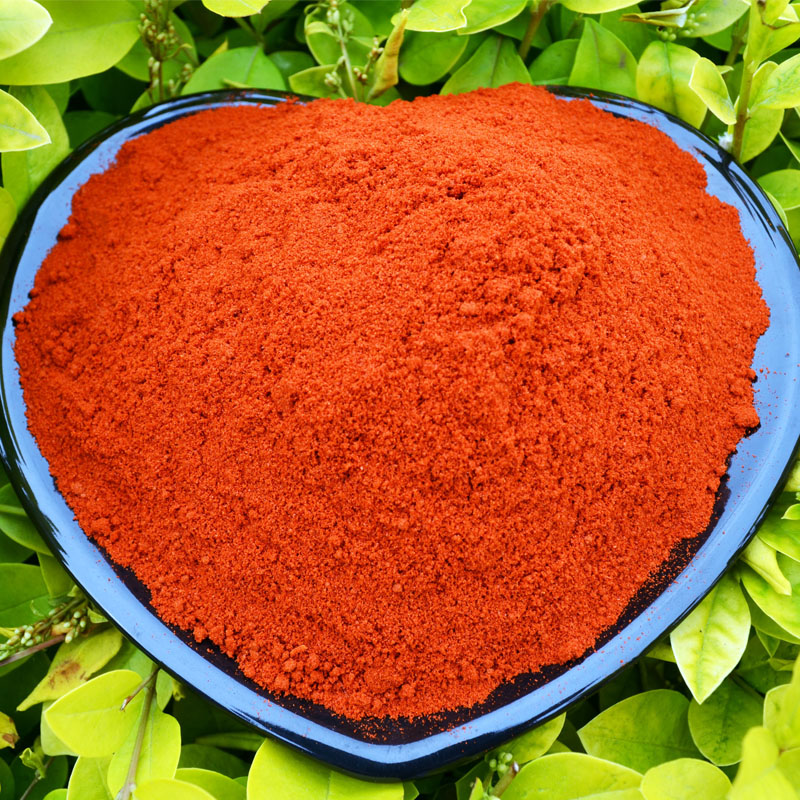
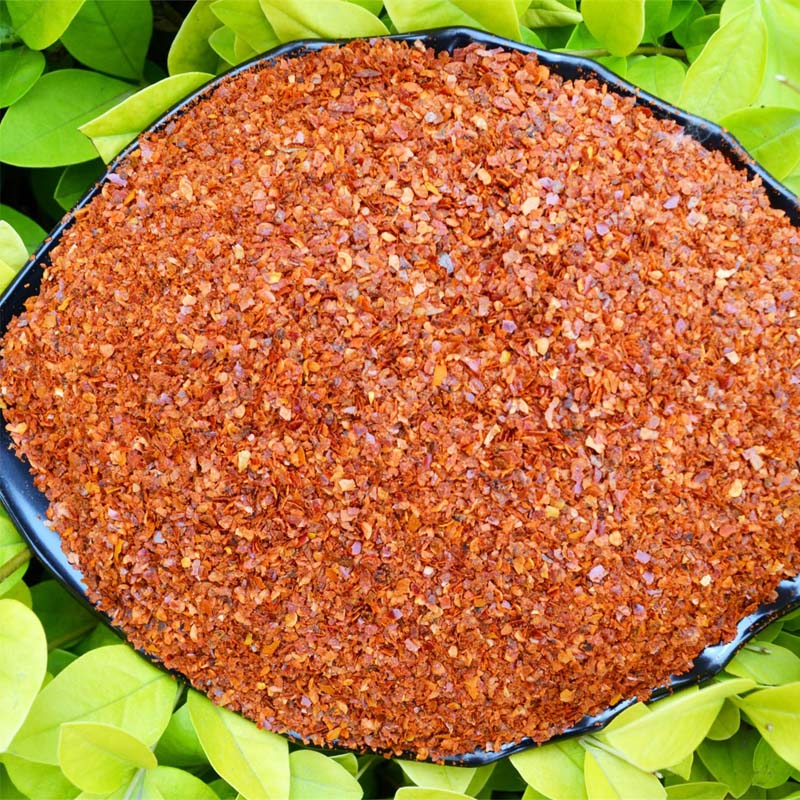
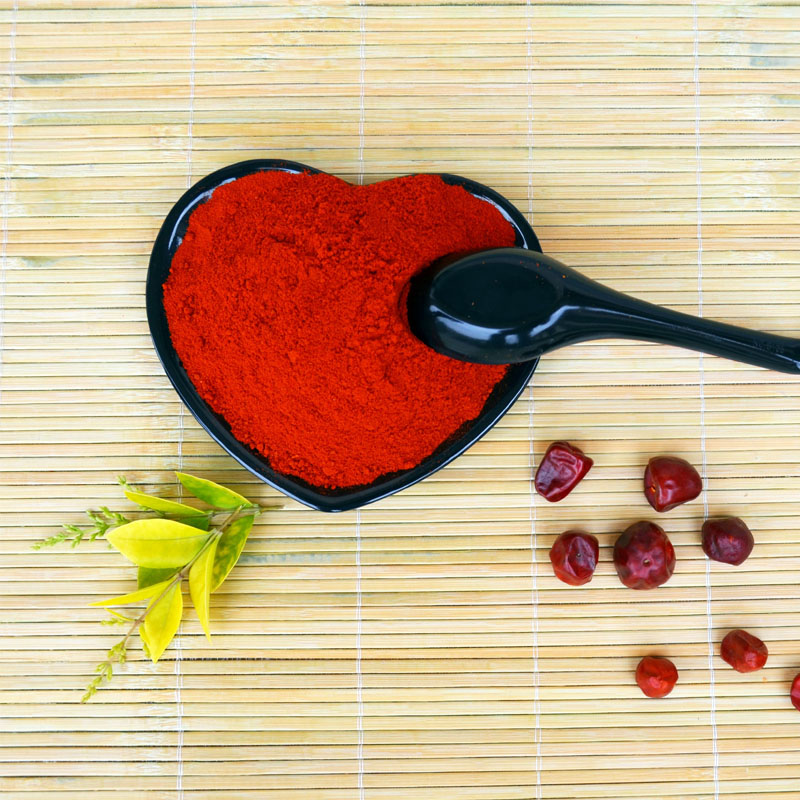
Simply put, crushed red chili pepper is dried and crushed fruit of certain chili pepper cultivars, usually red when matured, that delivers both pungency and aroma. It’s made by drying ripe peppers and crushing them into flakes or powder. Unlike powdered chili, crushed flakes retain tiny seeds and skin bits, giving a more textured heat experience.
In a modern context, crushed red chili pepper is also a commodity linking smallholder farmers to large-scale food manufacturers. It’s used in sauces, seasonings, and as a preservative agent due to capsaicin — the compound responsible for heat. Plus, it’s found across humanitarian rations and emergency food supplies because of its long shelf life and flavor enhancement in bland staples.
Key Factors or Core Components of High-Quality Crushed Red Chili Pepper
1. Heat Level (Scoville Scale)
The spiciness varies by cultivar and processing method. Generally, crushed red chili flakes range from 30,000 to 50,000 Scoville Heat Units (SHU). Oddly enough, this heat intensity isn’t only about flavor but also impacts preservation properties.
2. Color & Visual Appeal
Bright red flakes indicate freshness and high carotenoid content, which correlates with vitamin A benefits. Dull or darkened hues usually mean old stock or poor drying methods.
3. Moisture Content & Shelf Life
Ideal moisture content is below 12% to prevent mold growth and maintain pungency. This also affects storability and flavor retention over months — crucial for long supply chains.
4. Purity & Contamination Control
Quality crushed red chili pepper must be free from extraneous matter, foreign seeds, or chemical residues. ISO standards (e.g., ISO 6579) guide testing for microbial contamination.
5. Origin & Sustainability
Where the chili is grown influences flavor nuances and environmental footprint. Sustainable, fair-trade sources ensure better livelihoods for farmers, often in drought-prone areas.
Product Specification Table
| Specification | Typical Range/Value |
|---|---|
| Scoville Heat Units (SHU) | 30,000 - 50,000 |
| Moisture Content | 8% - 12% |
| Color (Hunter Red Value) | 15 - 25 |
| Capsaicin Content | 0.8% - 1.5% |
| Shelf Life | 12 - 24 months (in airtight packaging) |
Global Applications & Use Cases
- Food Industry: Essential as a spice in cuisines worldwide, from Italian pasta to Korean kimchi.
- Agricultural Exports: Large-scale production hubs in India, China, Mexico export to global markets.
- Pharmaceutical & Cosmetics: Capsaicin extracted from chili flakes is used in topical pain relief creams.
- Humanitarian Aid: Included in emergency rations to improve flavor and appetite in crisis zones.
In real terms, for instance, in Nepal — post-earthquake food distributions incorporated crushed red chili pepper to boost morale and ensure nutritional variety. Similarly, remote industrial camps rely on durable spices like these to make lengthy work rotations more palatable.
Vendor Comparison Table
| Vendor | Origin | Certifications | Price/kg (USD) | Quality Grade |
|---|---|---|---|---|
| SpiceCo Foods | India (Telangana) | ISO 22000, Organic | $3.50 | Premium (Grade A) |
| RedFlake Ltd. | Mexico (Chiapas) | GMP Certified, Fair Trade | $3.75 | Standard (Grade B) |
| Global Spice Traders | China (Sichuan) | ISO 9001, HACCP | $3.20 | Premium (Grade A) |
Advantages & Long-Term Value
There’s more to crushed red chili pepper than heat. It improves food palatability, encouraging better nutrition, especially in developing regions where access to diverse diets is limited. Its natural preservative action extends shelf-life, which means less waste. Plus, farmers see better incomes from specialty chilies than generic crops.
Psychologically, it offers comfort — a reason to enjoy meals even under hard conditions. Economically, it supports smallholders, exporters, and food tech sectors. And environmentally, well-managed chili cultivation can be part of agroecological approaches, improving soil health and reducing chemical input needs.
Frankly, there’s a trust factor in knowing your crushed red chili pepper isn’t just spicy flakes, but part of a chain that values quality, sustainability, and community.
Future Trends & Innovations
- Smart Agriculture: Precision farming and drought-resistant chili varieties are boosting yields amid climate change.
- Sustainability Certifications: More organic, fair-trade, and carbon-neutral labeling to meet conscious consumer demand.
- Processing Technology: Advances in drying and automated crushing preserve flavor and reduce contamination.
- Digital Supply Chains: Blockchain for traceability from farm to table is becoming a reality.
Challenges & Solutions
Quality consistency remains tricky due to weather dependency and manual processing steps. Supply chains sometimes fragment, leading to adulteration risks. Also, regulatory standards vary, complicating international trade.
To tackle this, experts push for integrated farmer training, infrastructure investments, and stronger certification schemes. There's rising interest in cooperative models where farmers share processing facilities, which improves scalability and cost efficiency.
FAQ: Frequently Asked Questions About Crushed Red Chili Pepper
- Q: How can I tell if crushed red chili pepper is fresh?
A: Fresh flakes are bright red, not brown or dull, with a strong aroma and a clean, spicy taste. Buy from reputable vendors who provide harvest dates or grade certifications. - Q: Is crushed red chili pepper good for health?
A: Yes, it contains capsaicin with antioxidant and anti-inflammatory properties. It can aid metabolism and circulation, but consume in moderation as it may irritate some stomachs. - Q: What is the best storage method for crushed red chili pepper?
A: Keep it sealed in an airtight container, stored in a cool, dark place away from moisture to maximize shelf life (up to two years). - Q: Can crushed red chili pepper be used in food manufacturing?
A: Absolutely. It is integral to sauces, snacks, cured meats, and condiment production, offering both flavor and preservation benefits.
Conclusion & Call to Action
Crushed red chili pepper is much more than a kitchen staple. It’s a powerful connector of global agriculture, trade, culture, and health. Its long-term value lies in sustainable production, consistent quality, and expanding applications across industries. So next time you sprinkle that fiery seasoning, remember — it carries stories from farm fields to your plate.
For those curious to explore premium crushed red chili pepper or learn more about global chili trade, visit https://www.hongrispice.com. Spice up your knowledge and your meals!
Mini takeaway: Crushed red chili pepper is a small but mighty spice shaping flavors and livelihoods worldwide — sustainability and quality are the keys to its future.
References
-
Guide to Sourcing and Using Premium Dried Spicy PeppersNewsApr.16,2026
-
Dried Spur Chili Guide to Premium Flavor and Industrial QualityNewsApr.09,2026
-
Exploring the World of Dried Whole Chili Peppers and Their Culinary UsesNewsApr.07,2026
-
Exploring the Culinary World of Dried Whole Chillies and Their Versatile UsesNewsApr.04,2026
-
Exploring the World of Red Dried Chiles and Their Culinary UsesNewsMar.31,2026
-
Exploring the Culinary World of Red Dried Chili Peppers and Their Versatile UsesNewsMar.28,2026
 Afrikaans
 Albanian
 Amharic
 Arabic
 Armenian
 Azerbaijani
 Basque
 Belarusian
 Bengali
 Bosnian
 Bulgarian
 Catalan
 Cebuano
 Corsican
 Croatian
 Czech
Czech
 Danish
 Dutch
Dutch
 Esperanto
 Estonian
 Finnish
 French
 Frisian
 Galician
 Georgian
 German
 Greek
Greek
 Gujarati
 Haitian Creole
 Hausa
Hausa
 Hawaiian
 Hebrew
 Hindi
Hindi
 Miao
Miao
 Hungarian
 Icelandic
 Igbo
Igbo
 Indonesian
 Irish
Irish
 Italian
 Japanese
 Javanese
 Kannada
 Kazakh
 Khmer
Khmer
 Rwandese
 Korean
 Kurdish
 Kyrgyz
 Lao
Lao
 Latin
Latin
 Latvian
 Lithuanian
 Luxembourgish
 Macedonian
 Malgashi
 Malay
Malay
 Malayalam
 Maltese
 Maori
Maori
 Marathi
 Mongolian
 Myanmar
 Nepali
 Norwegian
 Norwegian
 Occitan
 Pashto
 Persian
 Polish
 Portuguese
 Punjabi
 Romanian
 Russian
 Samoan
 Scottish Gaelic
 Serbian
 Sesotho
 Shona
Shona
 Sindhi
 Sinhala
 Slovak
 Slovenian
 Somali
 Spanish
 Sundanese
 Swahili
 Swedish
 Tagalog
 Tajik
Tajik
 Tamil
Tamil
 Tatar
Tatar
 Telugu
 Thai
Thai
 Turkish
 Turkmen
 Ukrainian
 Urdu
Urdu
 Uighur
 Uzbek
Uzbek
 Vietnamese
 Welsh
Welsh
 Bantu
Bantu
 Yiddish
 Yoruba
 Zulu
Zulu
 English