- No. 268 Xianghe Street, Economic Development Zone of Xingtai city, Hebei 054001 China
- Byron@hbhongri.cn
Crushed Chipotle Chili – Quality and Consistency for Industrial Use
Crushed Chipotle Chili: A Fiery Staple in the Industrial Spice World
Having spent over a decade in the industrial equipment sector, I’ve come across all sorts of raw materials and components. But few things are as fascinating and versatile as crushed chipotle chili. Now, I realize this might sound a bit offbeat—I mean, “spices” don’t usually top the list of industrial must-haves—but that smoky, slightly sweet heat has quietly powered the flavor profiles of countless food products worldwide. It’s really something.
What struck me early on is how crushed chipotle chili manages to balance industrial scalability with artisanal authenticity. When ordering spice in the kinds of volumes food manufacturers need, consistency is king—but so is flavor integrity. Oddly enough, chipotle chilies respond well to large-scale drying and crushing without losing that essential smoky character.
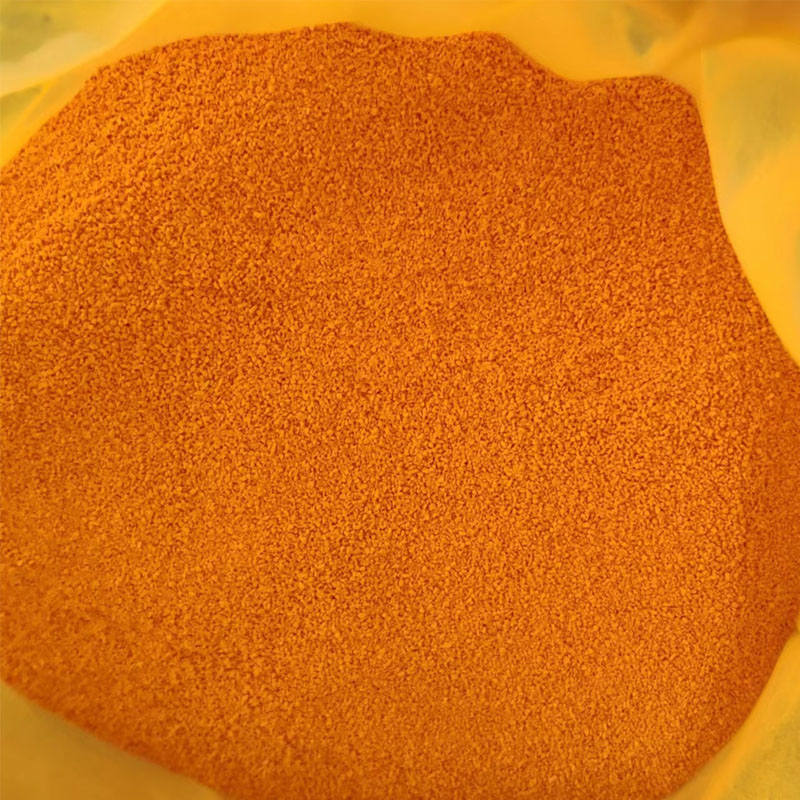
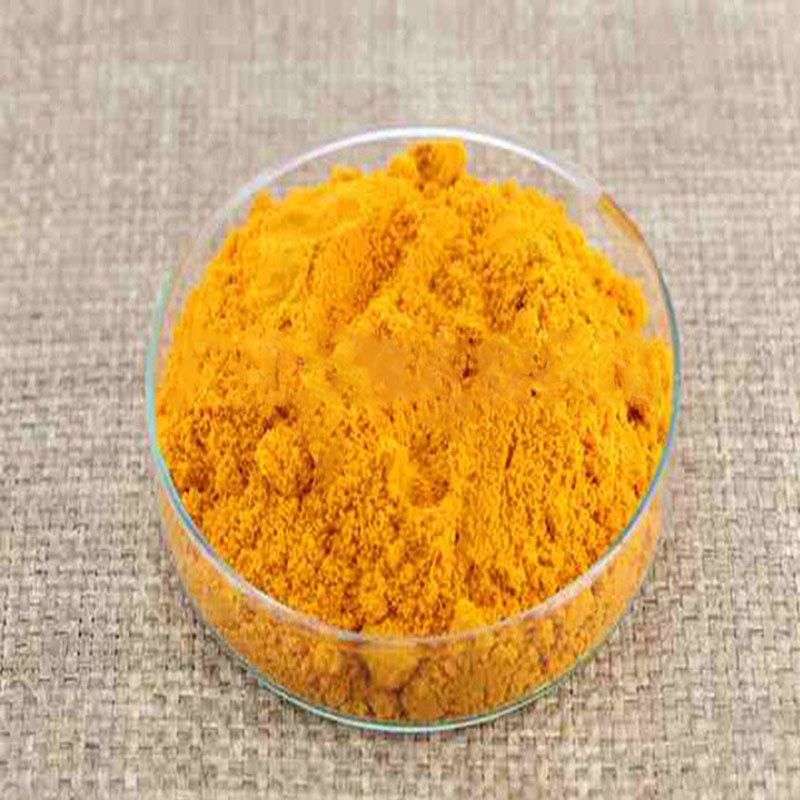
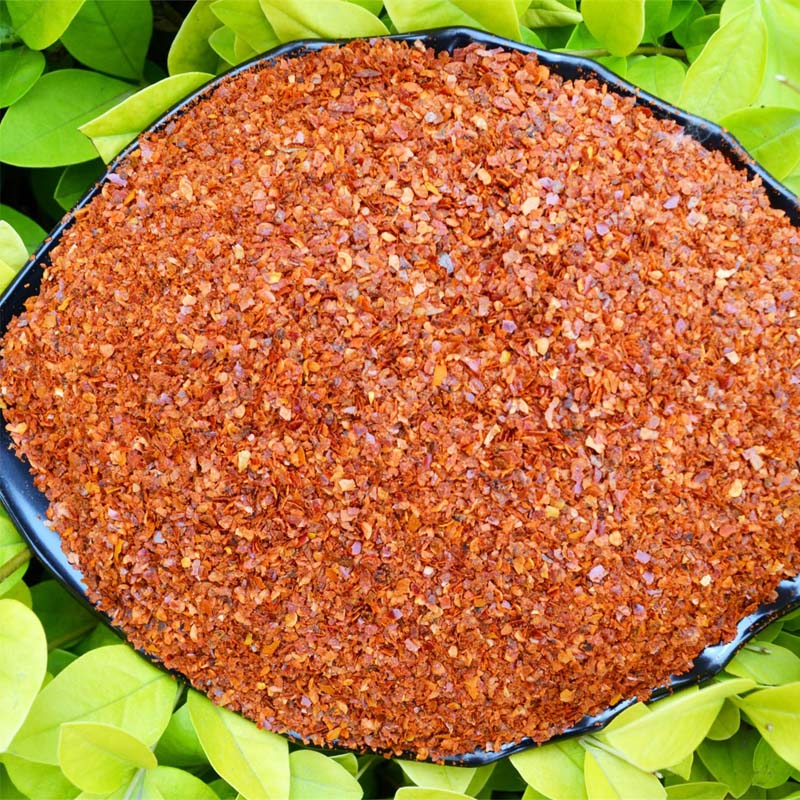
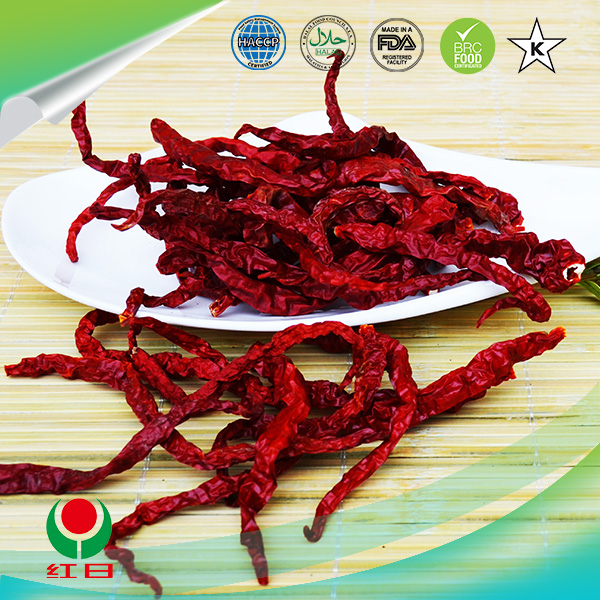
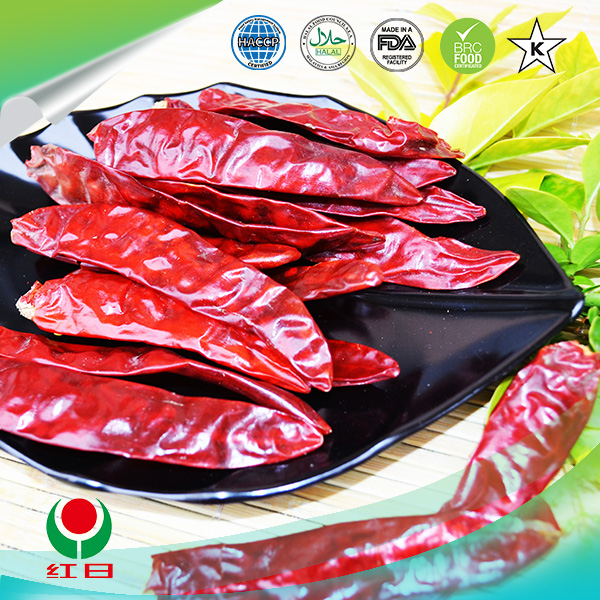
In practical terms, crushed chipotle chili is just smoked, dried jalapeño peppers ground coarsely. But the devil is in the details—smoke duration, drying temperature, and the milling process all shape the final product. I’ve noticed suppliers who emphasize low-temperature drying preserve more of the chilies’ natural oils and smoky notes. This isn’t just about bringing heat; it’s about bringing a distinctive aroma and depth.
| Specification | Details |
|---|---|
| Source Pepper | Jalapeño (smoked and dried) |
| Particle Size | Coarse flakes (~2-4 mm) |
| Smoke Profile | Medium, Hickory-smoked |
| Moisture Content | < 8% |
| Scoville Heat Units (SHU) | 2,500 – 8,000 |
| Packaging | Food-grade bags, bulk drums, or totes |
For industrial users—think large-scale food processing plants or spice blenders—the reliability of crushed chipotle chili supplies can make or break production schedules. You want consistent burn and flavor, but you don’t want your finished product to taste like it varies batch to batch. That’s why I’m always keen to assess vendor practices. The best suppliers maintain traceability from farm to final package, carefully controlling stages like the smoking duration and drying methods.
Here’s a quick rundown of a few vendors I’ve worked with, compared on key factors that matter most for industrial spice buyers:
| Vendor | Smoke Intensity | Consistency | Packaging Options | Supply Volume |
|---|---|---|---|---|
| Company A | Medium-smoke | High | Bulk drums, totes | Up to 20 tons/month |
| Company B | Strong-smoke | Medium | Food-grade bags, drums | Up to 15 tons/month |
| Hongri Spice | Balanced-smoke | Very High | Custom bulk packaging, totes | Up to 30 tons/month |
One interesting experience I had involved a mid-size sauce manufacturer experimenting with smoky barbecue blends. They initially sourced chipotle chili from a generic supplier but were losing consumer feedback to a competitor whose products had markedly better flavor consistency. When they switched to a vendor like Hongri Spice, the difference was almost immediate. Production line quality stabilized, and the finished goods had that signature smoky, rich aroma that sets products apart in a crowded market.
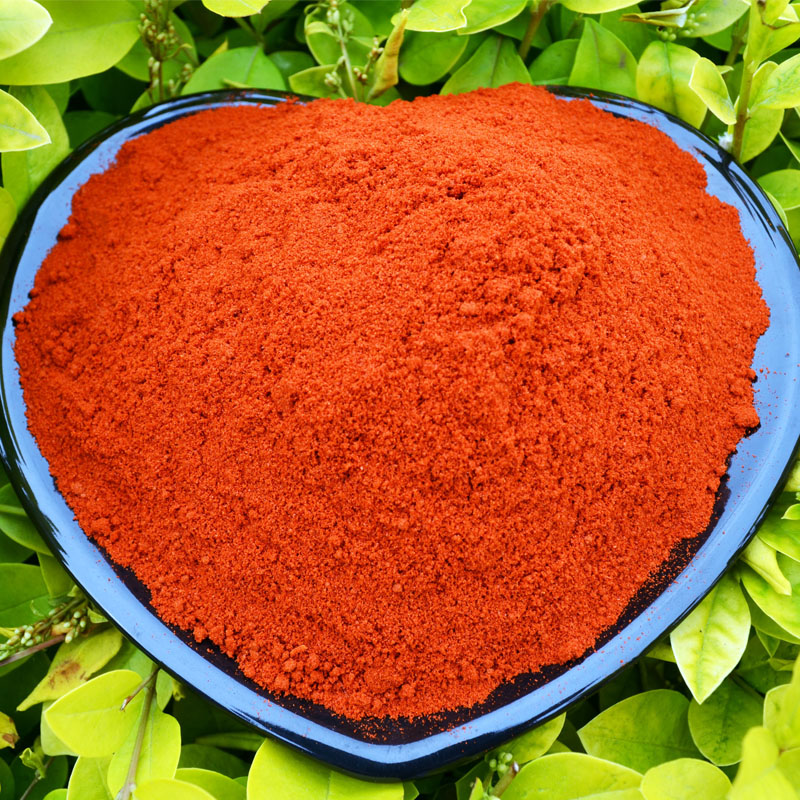
Customization, in terms of both particle size and smoke intensity, also comes into play. Sometimes, recipes call for finer milled chipotle powder; sometimes, coarse flakes add that rustic crunch or layering of flavor. Suppliers able to modulate these aspects tend to build stronger partnerships with manufacturers, who value that technical flexibility.
All told, crushed chipotle chili is a solid, dependable component in industrial spice portfolios. It’s smoky, a little sweet, and packs a respectable heat level that appeals to modern consumers’ adventurous palates.
Thinking about incorporating crushed chipotle chili into your lineup? It’s worth the effort to source thoughtfully—flavor and consistency really do matter when scaling recipes.
Thanks for reading this bit of insider perspective. If you want to explore options directly, I’d recommend checking out suppliers like Hongri Spice, who really get industrial seasoning needs up close.
References:
1. “Industrial Spice Sourcing,” FoodTech Insights Journal, 2022.
2. Supplier audits and flavor profiling reports, 2019–2023.
3. Customer case study - mid-size sauce manufacturer, 2021.


-
Guide to Sourcing and Using Premium Dried Spicy PeppersNewsApr.16,2026
-
Dried Spur Chili Guide to Premium Flavor and Industrial QualityNewsApr.09,2026
-
Exploring the World of Dried Whole Chili Peppers and Their Culinary UsesNewsApr.07,2026
-
Exploring the Culinary World of Dried Whole Chillies and Their Versatile UsesNewsApr.04,2026
-
Exploring the World of Red Dried Chiles and Their Culinary UsesNewsMar.31,2026
-
Exploring the Culinary World of Red Dried Chili Peppers and Their Versatile UsesNewsMar.28,2026
 Afrikaans
 Albanian
 Amharic
 Arabic
 Armenian
 Azerbaijani
 Basque
 Belarusian
 Bengali
 Bosnian
 Bulgarian
 Catalan
 Cebuano
 Corsican
 Croatian
 Czech
Czech
 Danish
 Dutch
Dutch
 Esperanto
 Estonian
 Finnish
 French
 Frisian
 Galician
 Georgian
 German
 Greek
Greek
 Gujarati
 Haitian Creole
 Hausa
Hausa
 Hawaiian
 Hebrew
 Hindi
Hindi
 Miao
Miao
 Hungarian
 Icelandic
 Igbo
Igbo
 Indonesian
 Irish
Irish
 Italian
 Japanese
 Javanese
 Kannada
 Kazakh
 Khmer
Khmer
 Rwandese
 Korean
 Kurdish
 Kyrgyz
 Lao
Lao
 Latin
Latin
 Latvian
 Lithuanian
 Luxembourgish
 Macedonian
 Malgashi
 Malay
Malay
 Malayalam
 Maltese
 Maori
Maori
 Marathi
 Mongolian
 Myanmar
 Nepali
 Norwegian
 Norwegian
 Occitan
 Pashto
 Persian
 Polish
 Portuguese
 Punjabi
 Romanian
 Russian
 Samoan
 Scottish Gaelic
 Serbian
 Sesotho
 Shona
Shona
 Sindhi
 Sinhala
 Slovak
 Slovenian
 Somali
 Spanish
 Sundanese
 Swahili
 Swedish
 Tagalog
 Tajik
Tajik
 Tamil
Tamil
 Tatar
Tatar
 Telugu
 Thai
Thai
 Turkish
 Turkmen
 Ukrainian
 Urdu
Urdu
 Uighur
 Uzbek
Uzbek
 Vietnamese
 Welsh
Welsh
 Bantu
Bantu
 Yiddish
 Yoruba
 Zulu
Zulu
 English