- No. 268 Xianghe Street, Economic Development Zone of Xingtai city, Hebei 054001 China
- Byron@hbhongri.cn
Crushed Chili Pepper: Global Importance, Applications, and Future Trends
Understanding Crushed Chili Pepper: A Spicy Global Commodity
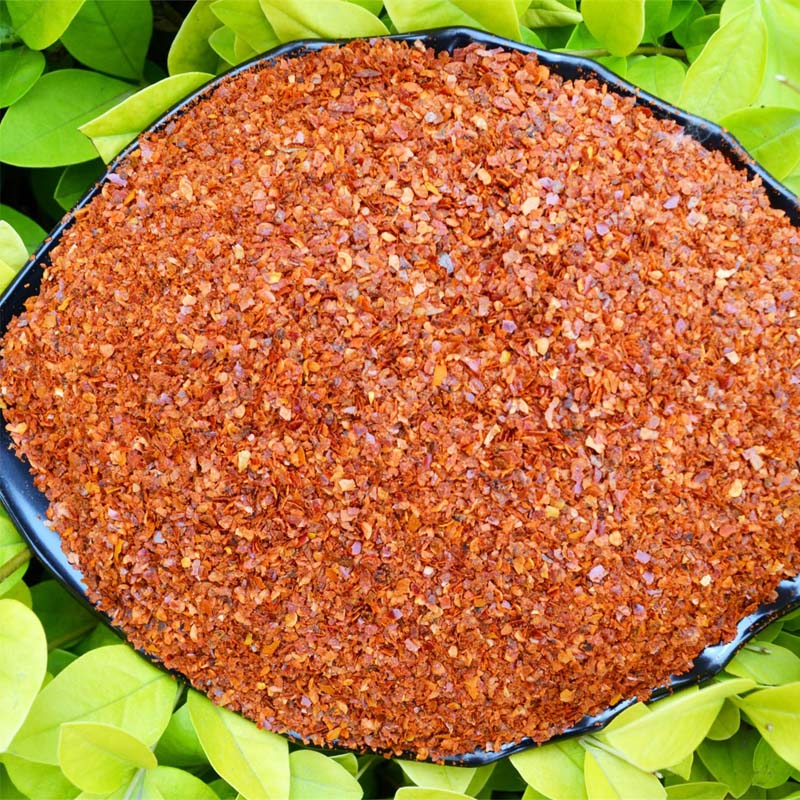
Crushed chili pepper is way more than just a kitchen staple; it’s a vibrant ingredient that shapes cuisines, economies, and even health trends worldwide. At its core, crushed chili pepper is dried chili pods crushed into flakes or small pieces, valued for their pungency and flavor. But why does this matter on a global scale?
With chili pepper cultivation ranking high among spice crops globally—India, China, and Mexico lead production—its crushed form is essential in food manufacturing, agricultural exports, and traditional medicines. The sheer versatility positions crushed chili pepper as a cultural and economic driver, but also as a resource touched by climate, trade policies, and nutrition shifts.
Understanding crushed chili pepper helps us appreciate its role in culinary traditions, supply chains, and even humanitarian efforts where nutrition and preservation are key. Plus, the demand for quality and sustainably sourced chili flakes is influencing farming and food safety standards worldwide.
Introduction: The Global Pulse of Crushed Chili Pepper
Did you know that according to the Food and Agriculture Organization (FAO), world chili production exceeds 38 million tonnes annually? That’s a staggering amount of heat. Crushed chili pepper is a pivotal processed form, widely traded because it’s easier to store, transport, and use in bulk compared to fresh chilies.
However, with climate change causing unpredictable droughts and heatwaves, chili pepper crops face risks that ripple through global markets. Suspensions in supply affect food manufacturers, spice traders, and millions of households that rely on crushed chili pepper for culinary flavor and nutritional benefits. It also raises food safety challenges, like contamination risks during drying and crushing processes.
Adding to this, consumers increasingly demand traceability and sustainable practices, which spice producers must address.
What Exactly Is Crushed Chili Pepper?
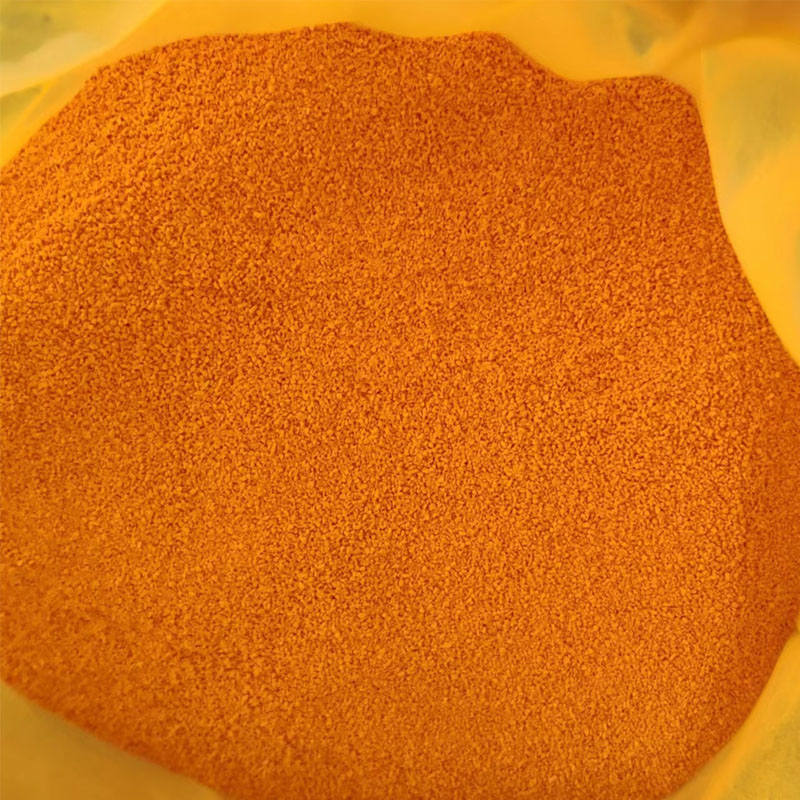
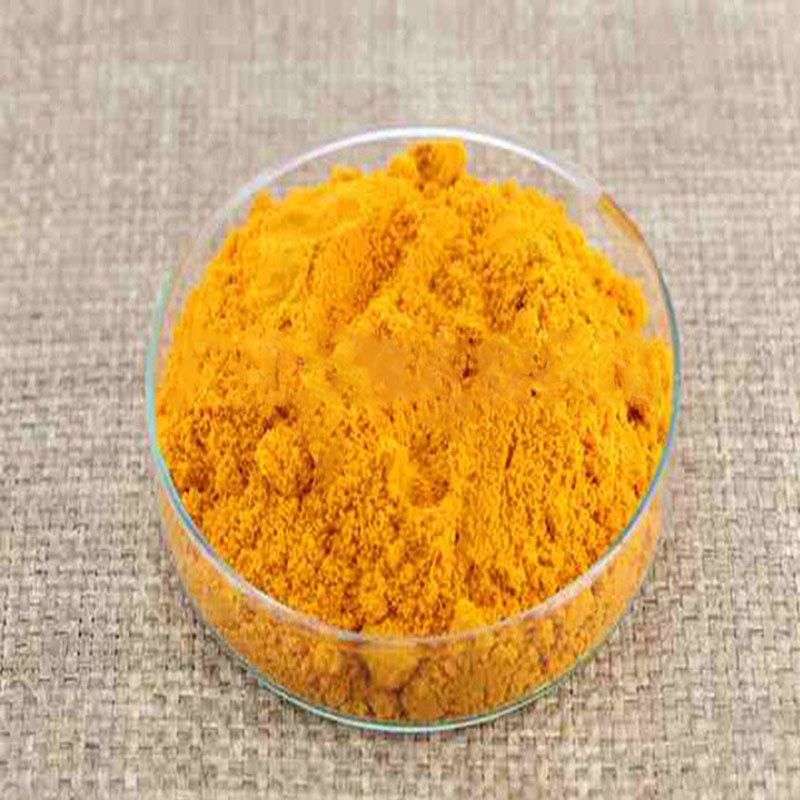
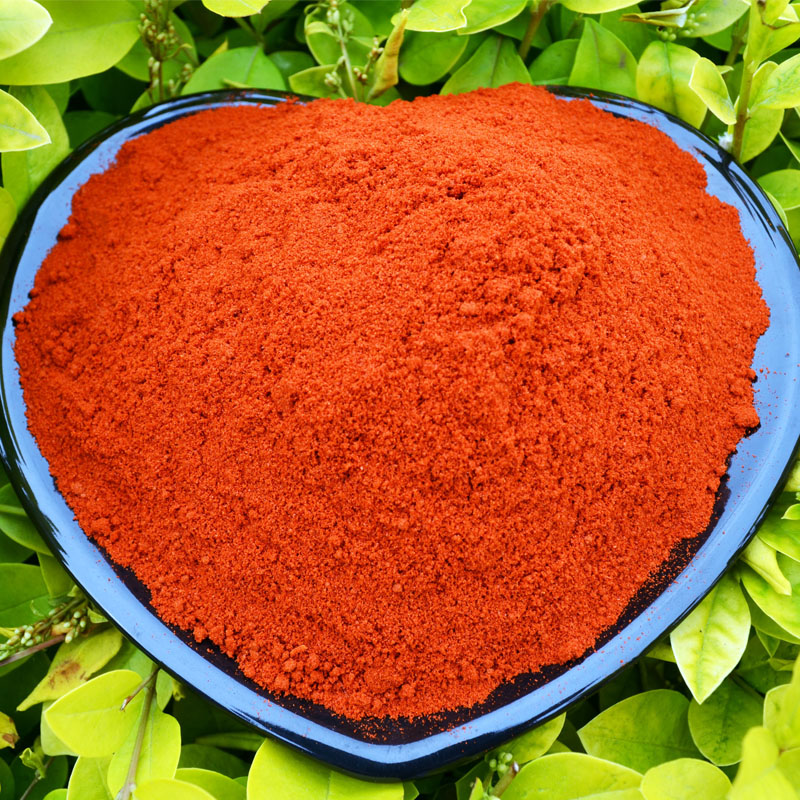
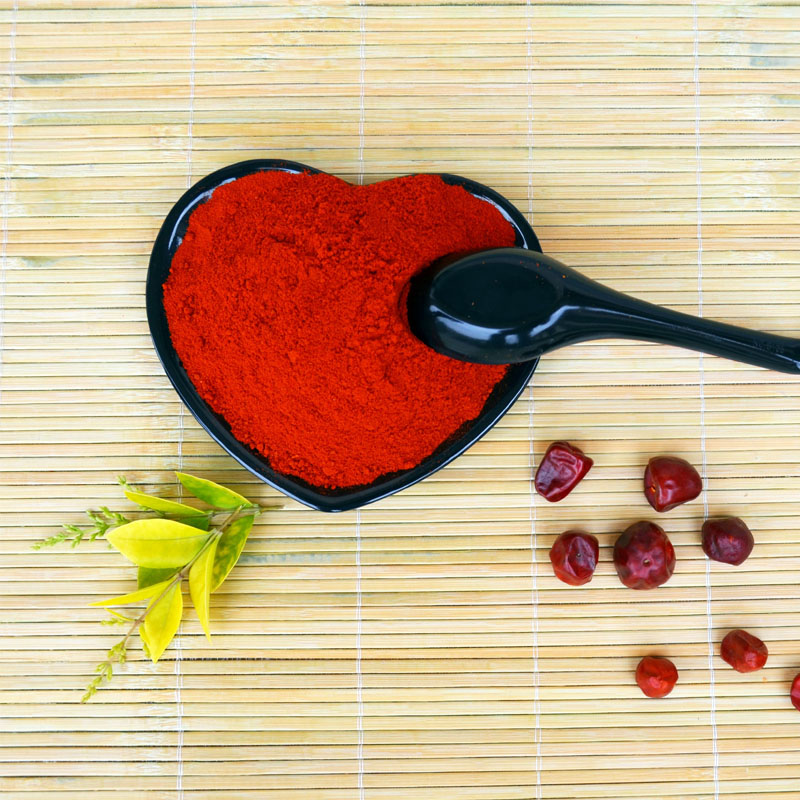
In simple terms, crushed chili pepper is dried chili pods broken down into coarse flakes, usually with their seeds included. Unlike finely ground powders, these flakes offer a textured heat and visual appeal that chefs and home cooks love. They are integral to sauces, seasoning blends, and garnishes globally.
In industry, crushed chili pepper extends beyond food. Its compounds, such as capsaicin, are studied for medicinal uses, pest repellents, and natural preservatives. So, it’s not only flavor but functionality that gives crushed chili its significance.
Key Factors of Crushed Chili Pepper
1. Quality & Purity
Top-grade crushed chili must be free of contaminants — no mold, dust, or foreign materials. Purity affects flavor, safety, and shelf-life. The drying process is critical; uneven drying can lead to spoilage.
2. Heat Level (Scoville Units)
This measures spiciness, influencing consumer preference and end-use. Some markets prefer milder flakes, others seek intense heat.
3. Sustainability of Cultivation
Given its global demand, sustainable farming—water use optimization, organic practices—is vital and increasingly demanded by importers.
4. Packaging & Shelf Stability
Good packaging protects crunchiness, color, and aroma, preventing oxidation. Vacuum sealing and nitrogen flushing are common methods.
5. Certification & Traceability
Certifications like ISO and GlobalG.A.P add trust for international buyers, often crucial for export markets.
Global Applications and Real-Life Use Cases
- Food Industry: Processed foods incorporating chili flakes for authentic flavors, frozen meals, and snack seasoning.
- Traditional Medicine: Used in topical treatments and supplements, due to anti-inflammatory properties.
- Emergency Nutrition Kits: In post-disaster zones, crushed chili pepper provides a cheap, calorie-efficient spice that improves appetite and boosts morale.
- Export Markets: Countries like India export massive quantities, stimulating local economies and employment.
For instance, NGOs distributing emergency food rations in Southeast Asia often include crushed chili pepper to encourage consumption and provide a comforting taste of home.
Advantages and Long-Term Value
On the surface, crushed chili pepper adds heat and flavor, but its benefits run deeper. Cost-wise, it’s affordable with a long shelf life, reducing food waste. Socially, it supports farmers and local economies in rural areas. Sustainability-wise, it promotes small-scale organic farming and climate-resilient crop varieties.
On the emotional side, it connects people to tradition and cultural identity, essential in globalized food consumption. There’s something deeply human about a spice that travels continents yet carries the memory of home.
Product Specification Table: Typical Crushed Chili Pepper Characteristics
| Specification | Typical Range |
|---|---|
| Moisture Content | 10-12% |
| Capsaicin Level (Scoville Heat Units) | 30,000 – 70,000 SHU |
| Color | Bright Red to Deep Orange |
| Particle Size | 2-4 mm flakes |
| Shelf Life | 12–18 months (sealed) |
Vendor Comparison Table: Top Crushed Chili Pepper Exporters
| Vendor | Annual Export (Tonnes) | Certifications | Pricing | Sustainability Practices |
|---|---|---|---|---|
| India - SpiceCo | 50,000 | ISO, Organic | $$ | Water Conservation Programs |
| Mexico - RedFlake Co. | 35,000 | GlobalG.A.P | $$$ | Organic Farming |
| China - ChiliBest | 42,000 | ISO, HACCP | $ | Intensive Agriculture |
Future Trends & Innovations in Crushed Chili Pepper
Looking ahead, sustainability is the buzzword. Producers are shifting toward organic and regenerative agriculture, improving soil health while reducing chemical inputs. Technology enhances drying and crushing equipment — optimizing for minimal nutrient loss and consistent flake size, which matters to big food brands.
Digitization is also playing a part; blockchain for supply chain transparency means consumers can soon verify the origin and ethical profile of their chili flakes with a scan. Also, biotech advances might lead to varieties with enhanced health benefits or climate resilience—so the chili of the future could be even spicier and more beneficial.
Challenges & Possible Solutions
Despite its popularity, crushed chili pepper faces hurdles. These include inconsistency in product quality due to climate variability, contamination risks during crushing, and market saturation with low-cost but inferior products. Producers and exporters must invest in rigorous quality control and consumer education.
Innovative drying techniques like solar tunnels and microwave drying could reduce contamination risks while improving energy efficiency. Partnerships with certification bodies help enforce standards, ensuring fair prices for farmers and trustworthy products for buyers.
FAQ: Frequently Asked Questions About Crushed Chili Pepper
- What determines the heat level in crushed chili pepper?
- The heat primarily comes from capsaicin concentration, measured in Scoville Heat Units (SHU). Factors like chili variety, cultivation conditions, and processing methods influence this. Growers often select heat levels based on market preferences.
- Is crushed chili pepper shelf-stable for long periods?
- Yes, when stored in airtight containers away from moisture and light, crushed chili pepper can last 12-18 months without losing flavor or heat. Proper packaging is essential to maintain quality.
- How does crushed chili pepper support sustainable farming?
- Many producers adopt organic methods, crop rotation, and water conservation practices, which reduce environmental impact and improve soil health, making chili cultivation more sustainable.
- Can crushed chili pepper be used in non-food industries?
- Absolutely! Its capsaicin content makes it valuable in medicinal creams, natural pest repellents, and even in self-defense sprays, highlighting its versatility beyond cooking.
- How do importers ensure the quality of crushed chili pepper?
- By sourcing from certified suppliers who follow ISO, HACCP, or GlobalG.A.P standards, importers can verify traceability, safety, and quality. Laboratory testing for contaminants is also a routine practice.
Conclusion and Call to Action
Crushed chili pepper, seemingly simple, is a globally essential spice with layers of economic, cultural, and environmental impact. Its enduring appeal lies in how it connects tradition with modern industry, offering flavor and health benefits while driving sustainable agricultural practices.
If you want to explore quality crushed chili pepper products or learn more about sustainable sourcing, visit our website: https://www.hongrispice.com. Dive into the world of spice—there's always more to discover.
Oddly enough, a simple flake packs a story of heritage, science, and innovation that's hard to beat.
Quick Reflection: Next time you sprinkle some crushed chili pepper on your meal, remember the global journey and diverse hands behind that fiery dash.
References:
1. Food and Agriculture Organization (FAO) Statistics, 2023
2. ISO Standards on Spices and Dried Herbs
3. GlobalG.A.P. Sustainable Farming Guidelines
-
Guide to Sourcing and Using Premium Dried Spicy PeppersNewsApr.16,2026
-
Dried Spur Chili Guide to Premium Flavor and Industrial QualityNewsApr.09,2026
-
Exploring the World of Dried Whole Chili Peppers and Their Culinary UsesNewsApr.07,2026
-
Exploring the Culinary World of Dried Whole Chillies and Their Versatile UsesNewsApr.04,2026
-
Exploring the World of Red Dried Chiles and Their Culinary UsesNewsMar.31,2026
-
Exploring the Culinary World of Red Dried Chili Peppers and Their Versatile UsesNewsMar.28,2026
 Afrikaans
 Albanian
 Amharic
 Arabic
 Armenian
 Azerbaijani
 Basque
 Belarusian
 Bengali
 Bosnian
 Bulgarian
 Catalan
 Cebuano
 Corsican
 Croatian
 Czech
Czech
 Danish
 Dutch
Dutch
 Esperanto
 Estonian
 Finnish
 French
 Frisian
 Galician
 Georgian
 German
 Greek
Greek
 Gujarati
 Haitian Creole
 Hausa
Hausa
 Hawaiian
 Hebrew
 Hindi
Hindi
 Miao
Miao
 Hungarian
 Icelandic
 Igbo
Igbo
 Indonesian
 Irish
Irish
 Italian
 Japanese
 Javanese
 Kannada
 Kazakh
 Khmer
Khmer
 Rwandese
 Korean
 Kurdish
 Kyrgyz
 Lao
Lao
 Latin
Latin
 Latvian
 Lithuanian
 Luxembourgish
 Macedonian
 Malgashi
 Malay
Malay
 Malayalam
 Maltese
 Maori
Maori
 Marathi
 Mongolian
 Myanmar
 Nepali
 Norwegian
 Norwegian
 Occitan
 Pashto
 Persian
 Polish
 Portuguese
 Punjabi
 Romanian
 Russian
 Samoan
 Scottish Gaelic
 Serbian
 Sesotho
 Shona
Shona
 Sindhi
 Sinhala
 Slovak
 Slovenian
 Somali
 Spanish
 Sundanese
 Swahili
 Swedish
 Tagalog
 Tajik
Tajik
 Tamil
Tamil
 Tatar
Tatar
 Telugu
 Thai
Thai
 Turkish
 Turkmen
 Ukrainian
 Urdu
Urdu
 Uighur
 Uzbek
Uzbek
 Vietnamese
 Welsh
Welsh
 Bantu
Bantu
 Yiddish
 Yoruba
 Zulu
Zulu
 English