- No. 268 Xianghe Street, Economic Development Zone of Xingtai city, Hebei 054001 China
- Byron@hbhongri.cn
Ground Red Pepper: Global Uses, Quality Insights & Future Trends
Understanding Ground Red Pepper: A Global Spice with Vast Impact
Ground red pepper—sometimes called chili powder or cayenne pepper—is more than just a kitchen staple. It’s a vibrant ingredient that cuts across cultures and continents, lending heat, flavor, and sometimes even medicinal benefits to dishes worldwide. But for the food industry and agricultural economies, ground red pepper is a globally significant product with complex supply chains, health implications, and trade dynamics. Understanding this fiery spice’s journey and characteristics can reveal why it’s cherished by millions and how it influences markets from India’s bustling spice marts to European gourmet shelves.
Global Context: Why Ground Red Pepper Matters
Globally, pepper production is a substantial agricultural sector, with countries like India, China, Mexico, and Indonesia taking the lead. According to the Food and Agriculture Organization (FAO), India alone produces around 150,000 tons annually, supplying both domestic and international markets. But here’s the kicker—the demand for ground red pepper keeps rising, intertwined with evolving culinary trends and increasing interest in natural health products. However, challenges remain: inconsistent quality, supply chain disruptions, and sustainability concerns plague the industry.
Oddly enough, ground red pepper is also spotlighted in food safety discussions because it can harbor contaminants if not properly handled. This has pushed growers and vendors to innovate better standards and processing techniques.
Mini takeaway: Ground red pepper is a spice with far-reaching agricultural, economic, and cultural significance globally, yet it faces quality and sustainability challenges that demand attention.
What Exactly Is Ground Red Pepper?
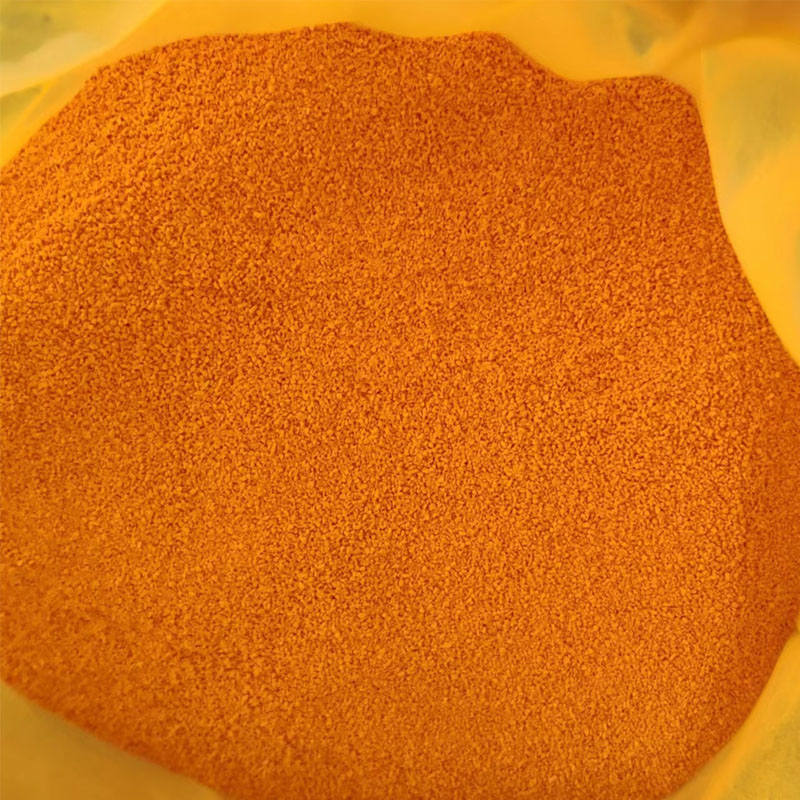
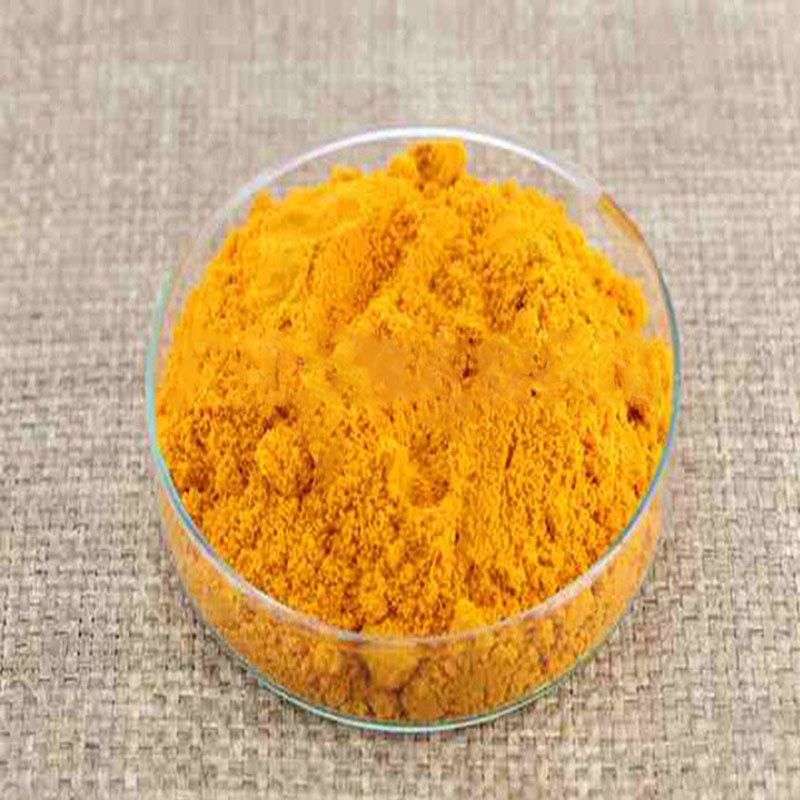
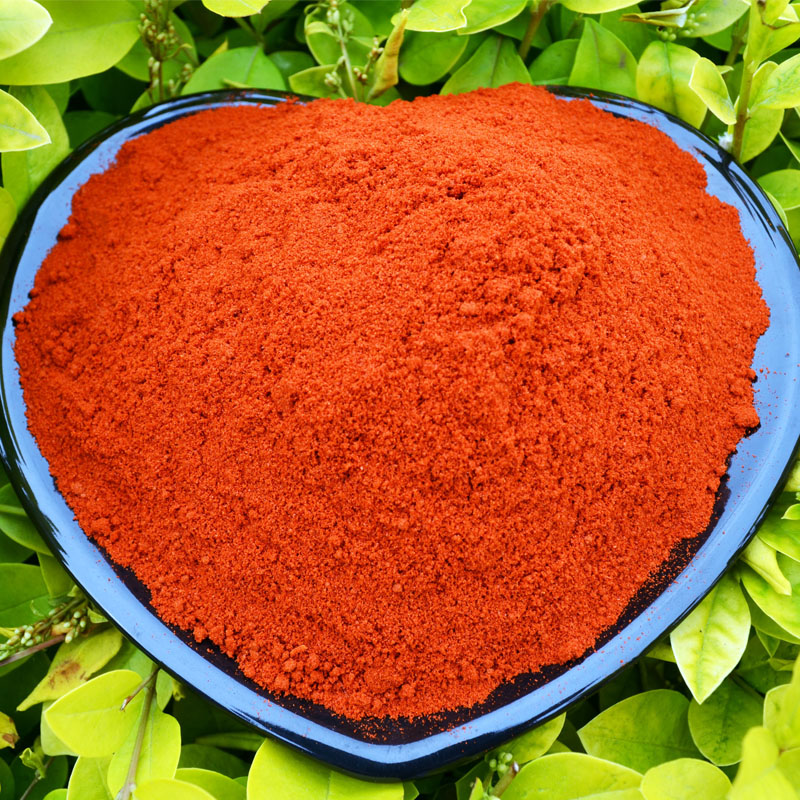
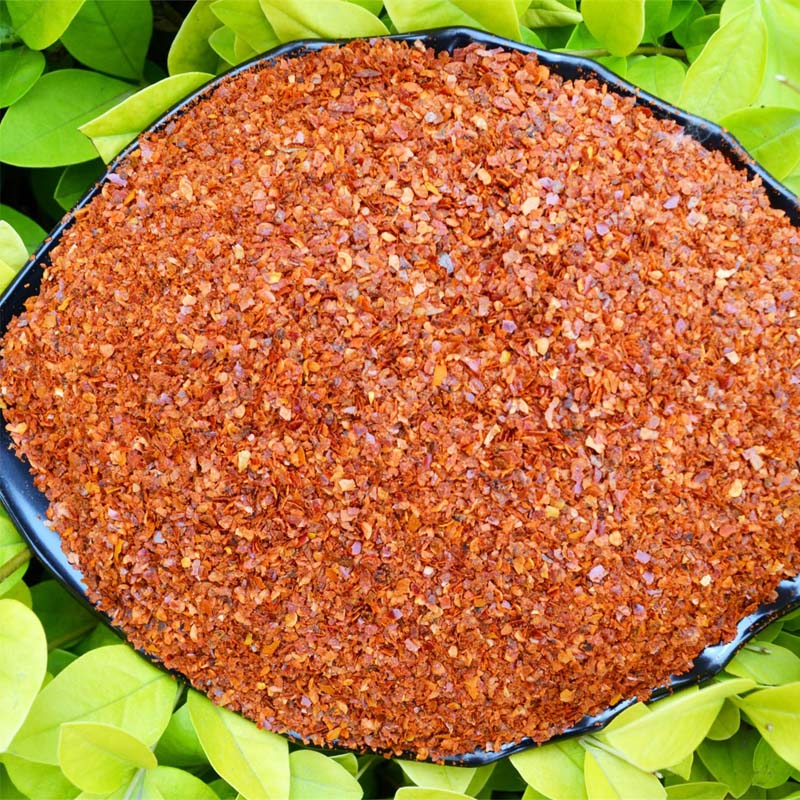
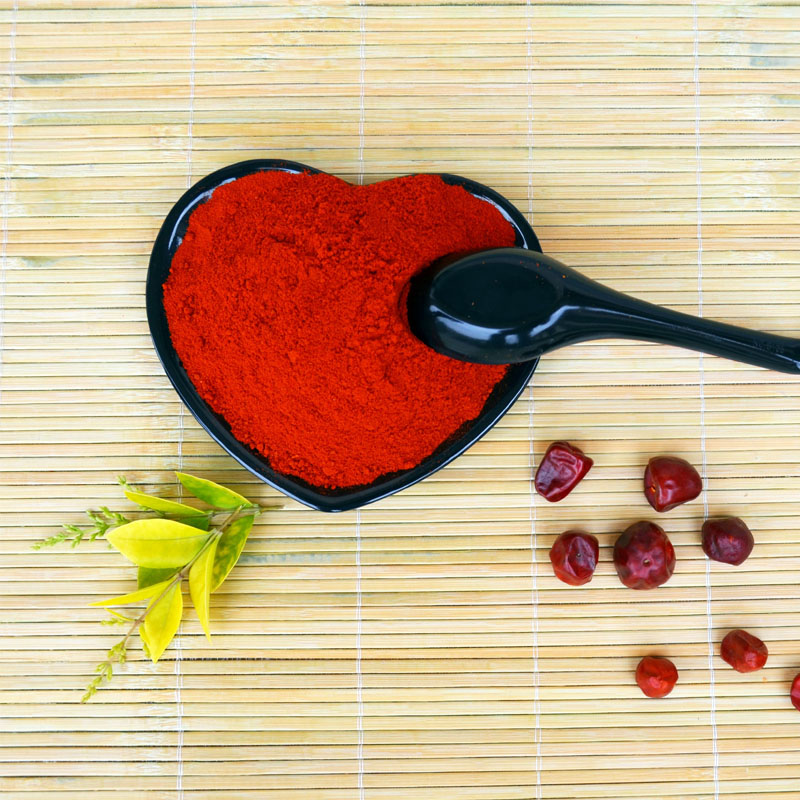
At its core, ground red pepper is dried chili fruits pulverized into a fine or coarse powder, valued for its pungent flavor and heat. Depending on the variety—like cayenne, bird’s eye, or Kashmiri chili—the heat level and taste nuances vary widely. But it’s more than just spice for food. Ground red pepper also finds a place in traditional medicine, cosmetics, and even pest control.
From a production standpoint, it embodies modern spice industry standards—that means diligent sorting, drying, and milling processes to maintain quality and extend shelf life. Handling and packaging have evolved a lot to meet global food safety and export regulations.
Mini takeaway: Ground red pepper is the dried and milled powder of chili fruits, integral to cooking and various industries, where quality and safety standards are critically important.
Key Factors in Ground Red Pepper Production & Quality
1. Capsaicin Content (Heat Level)
The active compound capsaicin gives ground red pepper its signature heat. This varies dramatically by species and even harvest conditions. For producers, measuring capsaicin levels is crucial because it affects product labeling, consumer expectations, and regulatory compliance.
2. Color & Purity
The rich scarlet or brick-red color often correlates with freshness and quality. Some processors add non-permitted dyes—this is a challenge for food safety authorities worldwide, requiring strict testing protocols.
3. Moisture Content
Too much moisture can lead to mold growth and spoilage, so maintaining proper drying and storage facilities is imperative.
4. Origin & Traceability
As with many spices, the geographic origin influences taste and also ties into fair trade and sustainability concerns. Transparent traceability systems help assure buyers of authenticity and ethical sourcing.
5. Packaging & Shelf Life
Innovative packaging solutions help extend shelf life and preserve aroma, especially for export markets where the spice might travel thousands of miles.
| Specification | Typical Range | Industry Standard |
|---|---|---|
| Capsaicin Content (Scoville Heat Units) | 30,000 – 50,000 SHU (varies by variety) | 35,000 SHU minimum for premium |
| Color (ASTA Units) | 75 – 145 ASTA | >90 ASTA preferred |
| Moisture Content | <10% | <12% |
| Foreign Matter | <0.5% | <1% |
Global Applications & Use Cases for Ground Red Pepper
Beyond the obvious culinary use in ground red pepper, the powder finds roles in various sectors:
- Food Industry: Integral for sauces, snacks, canned goods, and seasoning blends worldwide.
- Health and Wellness: Used in topical pain relief creams and traditional medicines, especially in Asia and Latin America.
- Agriculture: Natural pest deterrent formulations often include red pepper extracts.
- Cultural Festivals & Ceremonies: Particularly prevalent in Indian and Mexican cuisines, linking the spice to cultural identities.
- Export Markets: Exporters in countries like India and Mexico compete globally, meeting rigorous standards to access Europe, the US, and beyond.
For example, during post-disaster food relief efforts in Southeast Asia, ground red pepper is sometimes included due to its ability to improve otherwise bland emergency rations, promoting both nutrition and morale.
Mini takeaway: Ground red pepper's uses extend into food, health, agriculture, and culture, demonstrating its diverse global relevance.
Advantages & Long-Term Value of Ground Red Pepper
There’s something deeply satisfying about a product that’s both ancient and modern, isn’t there? Ground red pepper stands out not just for taste but for:
- Cost Efficiency: High yield pepper varieties mean relatively affordable seasoning for households and industries alike.
- Sustainability: Many pepper cultivators are adopting organic farming to minimize environmental impact.
- Health Benefits: Capsaicin is linked to metabolism enhancement and anti-inflammatory effects, fueling interest in wellness sectors.
- Cultural Value: It connects people to heritage through cuisine.
- Trust & Safety: Better processing means reduced contamination risks, giving consumers peace of mind.
It’s funny how something so simple can nourish emotions – comfort, warmth, even family memories – all wrapped in a pinch of red powder.
Mini takeaway: Ground red pepper’s value encompasses economic, environmental, health, and cultural benefits, making it a multifaceted asset.
Future Trends & Innovations in Ground Red Pepper
Looking ahead, the ground red pepper industry is ripe for innovation. Some trends worth watching:
- Automation in Farming and Processing: Robotics for sorting and packaging to enhance quality and reduce labor costs.
- Digital Traceability Systems: Blockchain technologies to guarantee origin and authenticity, combating spice adulteration.
- Development of New Varieties: Breeding peppers with tailored heat profiles and enhanced disease resistance.
- Sustainability Efforts: Certification schemes promoting organic and fair trade pepper production.
Oddly enough, some tech firms are even exploring "smart packaging" that can indicate freshness or spoilage status for ground red pepper on store shelves.
Mini takeaway: Future advancements in automation, traceability, and sustainability promise to reshape ground red pepper production and marketing globally.
Challenges & Expert Solutions in the Ground Red Pepper Supply Chain
Well, no story is without hurdles. Among the issues frequently faced:
- Adulteration & Food Safety Risks: Mixing with lower quality or dyed powders undermines trust and health.
- Supply Chain Disruptions: Climate change impacts harvests and transport logistics.
- Inconsistent Quality: Variations in capsaicin levels and contaminants due to traditional farming.
- Environmental Concerns: Overuse of chemicals and water resources threatens sustainability.
Industry experts recommend integrated pest management, strengthening regulatory frameworks, and investing in farmer education as practical responses. Plus, technology like infrared spectroscopy for rapid quality checks is gaining traction.
Mini takeaway: While challenges persist, combining regulation, technology, and sustainable practices offers a clear path forward.
FAQ: Frequently Asked Questions About Ground Red Pepper
Q1: How is ground red pepper different from chili powder?
A1: Ground red pepper refers specifically to dried chili peppers ground into powder, often just one type of pepper. Chili powder is usually a blend that includes ground red pepper along with other spices like cumin, oregano, and garlic powder, making its flavor more complex.
Q2: What’s the best way to store ground red pepper to retain freshness?
A2: Store it in an airtight container away from light, heat, and moisture. Ideally, keep it in a cool, dark cupboard and use it within six months for optimal flavor and potency.
Q3: Can ground red pepper cause allergies?
A3: While rare, some individuals may experience allergic reactions or skin irritation, especially if they have sensitivity to capsaicin. Use caution and consult a medical professional if you have concerns.
Q4: How do exporters ensure ground red pepper meets international quality standards?
A4: Exporters implement strict processing controls, lab testing for contaminants, and often obtain certifications such as ISO 22000 or HACCP to comply with importing countries’ regulations.
Q5: Is organic ground red pepper worth the extra cost?
A5: Organic varieties reduce chemical residue risk and environmental impact. While pricier, many consumers consider them a safer and more sustainable choice, especially for sensitive populations.
Vendor Comparison: Popular Ground Red Pepper Suppliers
| Vendor | Origin | Organic Certification | Typical Heat Level (SHU) | Price Range (per kg) |
|---|---|---|---|---|
| SpiceWorld Ltd. | India (Kashmiri) | Yes | 35,000 - 40,000 | $6 – $8 |
| ChileExport Corp. | Mexico (Ancho) | No | 30,000 – 35,000 | $4 – $6 |
| RedSpice Global | China (Sichuan) | Yes | 40,000 – 50,000 | $5 – $7 |
A pinch of insight: Ground red pepper is a simple spice with intricate impacts, a real testament to how small things matter.
References
-
Guide to Sourcing and Using Premium Dried Spicy PeppersNewsApr.16,2026
-
Dried Spur Chili Guide to Premium Flavor and Industrial QualityNewsApr.09,2026
-
Exploring the World of Dried Whole Chili Peppers and Their Culinary UsesNewsApr.07,2026
-
Exploring the Culinary World of Dried Whole Chillies and Their Versatile UsesNewsApr.04,2026
-
Exploring the World of Red Dried Chiles and Their Culinary UsesNewsMar.31,2026
-
Exploring the Culinary World of Red Dried Chili Peppers and Their Versatile UsesNewsMar.28,2026
 Afrikaans
 Albanian
 Amharic
 Arabic
 Armenian
 Azerbaijani
 Basque
 Belarusian
 Bengali
 Bosnian
 Bulgarian
 Catalan
 Cebuano
 Corsican
 Croatian
 Czech
Czech
 Danish
 Dutch
Dutch
 Esperanto
 Estonian
 Finnish
 French
 Frisian
 Galician
 Georgian
 German
 Greek
Greek
 Gujarati
 Haitian Creole
 Hausa
Hausa
 Hawaiian
 Hebrew
 Hindi
Hindi
 Miao
Miao
 Hungarian
 Icelandic
 Igbo
Igbo
 Indonesian
 Irish
Irish
 Italian
 Japanese
 Javanese
 Kannada
 Kazakh
 Khmer
Khmer
 Rwandese
 Korean
 Kurdish
 Kyrgyz
 Lao
Lao
 Latin
Latin
 Latvian
 Lithuanian
 Luxembourgish
 Macedonian
 Malgashi
 Malay
Malay
 Malayalam
 Maltese
 Maori
Maori
 Marathi
 Mongolian
 Myanmar
 Nepali
 Norwegian
 Norwegian
 Occitan
 Pashto
 Persian
 Polish
 Portuguese
 Punjabi
 Romanian
 Russian
 Samoan
 Scottish Gaelic
 Serbian
 Sesotho
 Shona
Shona
 Sindhi
 Sinhala
 Slovak
 Slovenian
 Somali
 Spanish
 Sundanese
 Swahili
 Swedish
 Tagalog
 Tajik
Tajik
 Tamil
Tamil
 Tatar
Tatar
 Telugu
 Thai
Thai
 Turkish
 Turkmen
 Ukrainian
 Urdu
Urdu
 Uighur
 Uzbek
Uzbek
 Vietnamese
 Welsh
Welsh
 Bantu
Bantu
 Yiddish
 Yoruba
 Zulu
Zulu
 English