- No. 268 Xianghe Street, Economic Development Zone of Xingtai city, Hebei 054001 China
- Byron@hbhongri.cn
High-Quality Red Chili Pepper Crushed for Industrial Use | Hongri Spice
Understanding Red Chili Pepper Crushed: An Industrial Perspective
Having spent a good chunk of my career dealing with industrial food ingredients — odd job but honestly fascinating — I have a soft spot for something as straightforward yet complex as red chili pepper crushed. Not just “spicy dust,” but a product that lives at the intersection of agriculture, processing precision, and market demand.
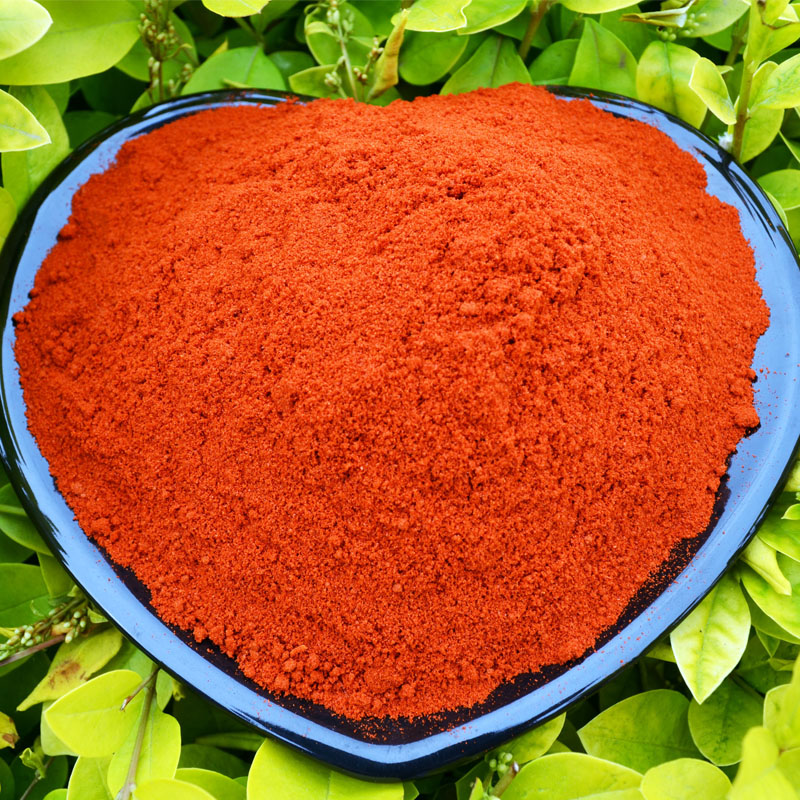
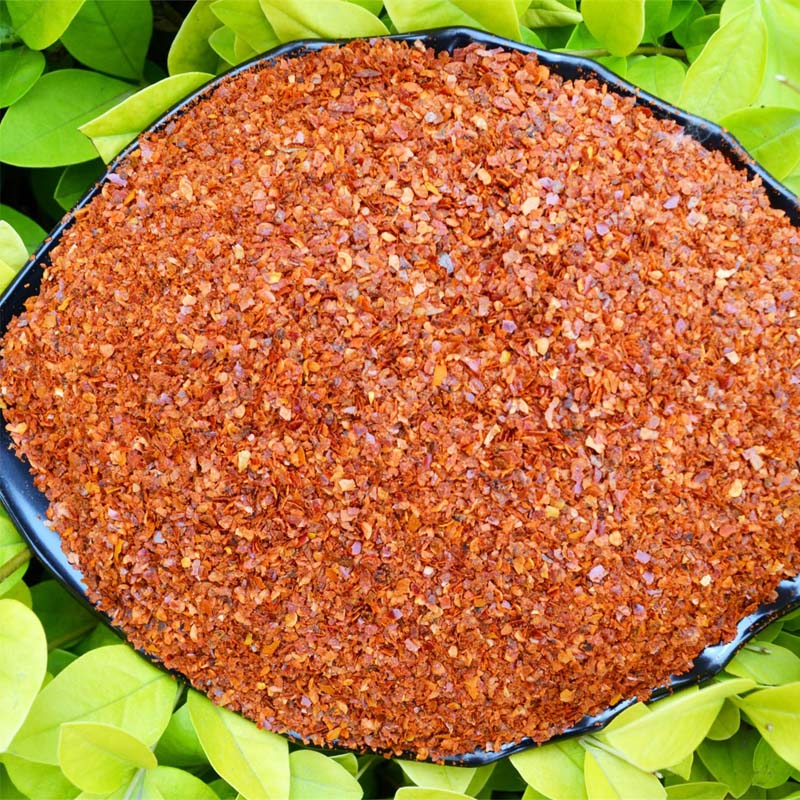
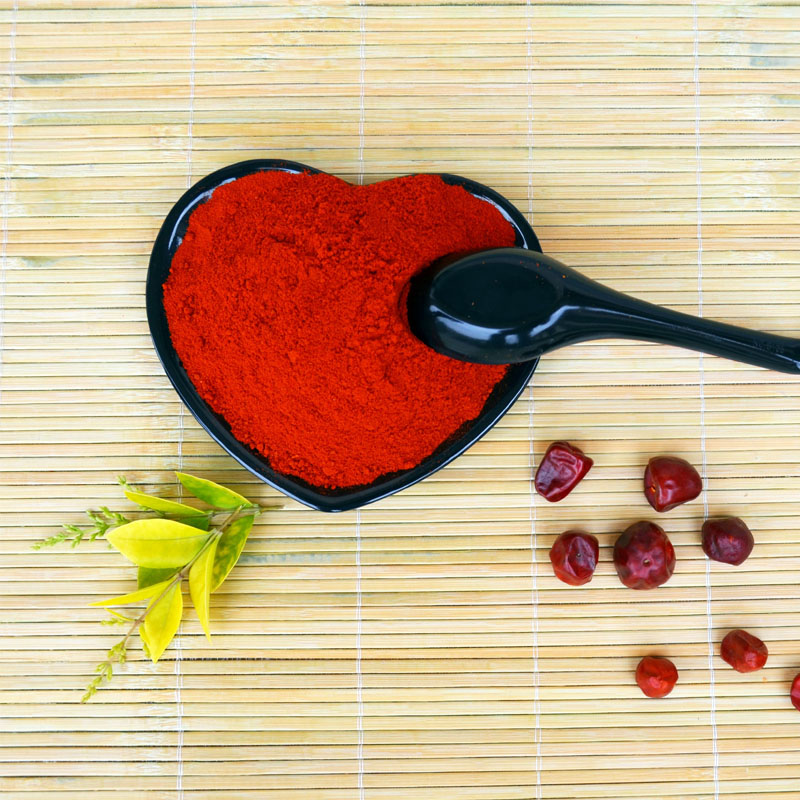
In the industrial world, crushed red chili pepper isn’t merely a seasoning; it’s a carefully crafted commodity. You may think it’s just dried, crushed peppers – but there’s a lot going on behind the scenes: from the quality of the raw chili variety and the drying techniques to particle size consistency and the presence—or absence—of seeds. Frankly, that last bit can make or break certain product lines because seeds affect heat intensity and visual appearance.
Oddly enough, I’ve noticed many food production engineers emphasize consistent heat units, usually measured in Scoville Heat Units (SHU), when selecting crushed chili. It’s crucial because, when you’re scaling recipes to tens of thousands of liters or kilograms, small inconsistencies turn into big quality control headaches. The industry generally favors red chili pepper crushed in a particle size between 15 to 50 mesh, balancing flavor release and texture.
The material sourcing is just as important. Indian, Chinese, or Egyptian peppers each bring a unique flavor profile and heat level. Then, there’s the drying method—sun-drying versus mechanical drying. Mechanical drying ensures lower moisture and longer shelf life but can sometimes dull the pepper’s vibrant red color and aroma. Sun-dried peppers may smell better but often are less consistent in moisture content and risk occasional mold contamination if not handled properly.
Let me share a quick story: a mid-sized chili paste manufacturer I worked with once switched their crushed pepper supplier to one using worse drying technique. It seemed fine at first, until batches started developing off-colors and uneven spice distribution. Their production line operators flagged it quickly, saving them costly recalls. That experience really hammered home how critical supplier reliability and transparency can be—especially when dealing with natural raw materials.
| Specification | Value / Range | Units |
|---|---|---|
| Particle Size (mesh) | 15-50 | mesh |
| Moisture Content | ≤ 12% | % |
| Capsaicin Content | 0.5 - 2.5 | mg/g |
| Color (ASTA units) | 40 - 80 | ASTA |
| Foreign Matter | ≤ 1% | % |
Now, if you're curious how different vendors stack up, here’s a quick vendor comparison I’ve put together from my years in the sector. It’s not exhaustive but certainly highlights key points like price, quality certification, and supply chain reliability.
| Vendor | Price per kg | Quality Certification | Supply Reliability | Notes |
|---|---|---|---|---|
| Hongri Spice | $8.50 | ISO, HACCP | High - Global | Consistent quality, traceable sourcing |
| Vendor A | $7.80 | ISO only | Moderate - Regional | Some batch variance noted |
| Vendor B | $9.20 | Organic, HACCP | Variable - Global | Premium price for organic |
So what does this mean for you, the buyer or specifier? To me, it’s about striking the right balance between product performance and supply chain trustworthiness. You want a supplier who not only matches your technical specs but also understands the nuances of red chili pepper crushed — from its origin to final packaging.
Lastly, for anyone who’s worked in ingredient sourcing, the human element is often underappreciated. The farmers tending the chili crops, the mill operators who grind it just right, the logistics teams ensuring freshness—all contribute to that pinch of spice your customers love.
If you’re exploring quality options, I’d encourage checking out red chili pepper crushed from established suppliers. Their consistency and transparency often save headaches down the line. After all, quality is the kind of investment that pays for itself many times over.
A small reminder: natural products can vary batch to batch. Always test and verify your supplier’s product on delivery. This isn’t mere red dust—it’s the start of countless flavor stories.
In real terms, whether you’re in sauces, snacks, or seasoning blends, crushed red chili pepper remains a foundational spice—simple in appearance yet layered in complexity. And honestly, that’s what keeps it interesting after all these years.
My takeaway? When sourcing red chili pepper crushed, dig a little deeper than the price tag. Quality and supplier reliability often decide long-term success.
References:
1. Industry standard spice grading charts, Food Safety Institute, 2023
2. “Capsaicin Content and Its Impact,” Journal of Food Ingredients, 2022
3. “Supply Chain Insights for Industrial Spices,” Global Food Workshop, 2024

-
Guide to Sourcing and Using Premium Dried Spicy PeppersNewsApr.16,2026
-
Dried Spur Chili Guide to Premium Flavor and Industrial QualityNewsApr.09,2026
-
Exploring the World of Dried Whole Chili Peppers and Their Culinary UsesNewsApr.07,2026
-
Exploring the Culinary World of Dried Whole Chillies and Their Versatile UsesNewsApr.04,2026
-
Exploring the World of Red Dried Chiles and Their Culinary UsesNewsMar.31,2026
-
Exploring the Culinary World of Red Dried Chili Peppers and Their Versatile UsesNewsMar.28,2026
 Afrikaans
 Albanian
 Amharic
 Arabic
 Armenian
 Azerbaijani
 Basque
 Belarusian
 Bengali
 Bosnian
 Bulgarian
 Catalan
 Cebuano
 Corsican
 Croatian
 Czech
Czech
 Danish
 Dutch
Dutch
 Esperanto
 Estonian
 Finnish
 French
 Frisian
 Galician
 Georgian
 German
 Greek
Greek
 Gujarati
 Haitian Creole
 Hausa
Hausa
 Hawaiian
 Hebrew
 Hindi
Hindi
 Miao
Miao
 Hungarian
 Icelandic
 Igbo
Igbo
 Indonesian
 Irish
Irish
 Italian
 Japanese
 Javanese
 Kannada
 Kazakh
 Khmer
Khmer
 Rwandese
 Korean
 Kurdish
 Kyrgyz
 Lao
Lao
 Latin
Latin
 Latvian
 Lithuanian
 Luxembourgish
 Macedonian
 Malgashi
 Malay
Malay
 Malayalam
 Maltese
 Maori
Maori
 Marathi
 Mongolian
 Myanmar
 Nepali
 Norwegian
 Norwegian
 Occitan
 Pashto
 Persian
 Polish
 Portuguese
 Punjabi
 Romanian
 Russian
 Samoan
 Scottish Gaelic
 Serbian
 Sesotho
 Shona
Shona
 Sindhi
 Sinhala
 Slovak
 Slovenian
 Somali
 Spanish
 Sundanese
 Swahili
 Swedish
 Tagalog
 Tajik
Tajik
 Tamil
Tamil
 Tatar
Tatar
 Telugu
 Thai
Thai
 Turkish
 Turkmen
 Ukrainian
 Urdu
Urdu
 Uighur
 Uzbek
Uzbek
 Vietnamese
 Welsh
Welsh
 Bantu
Bantu
 Yiddish
 Yoruba
 Zulu
Zulu
 English