- No. 268 Xianghe Street, Economic Development Zone of Xingtai city, Hebei 054001 China
- Byron@hbhongri.cn
Discovering Smoked Chili Powder: A Flavorful Industrial Staple
Why Smoked Chili Powder Holds a Special Place in Industrial Food Production
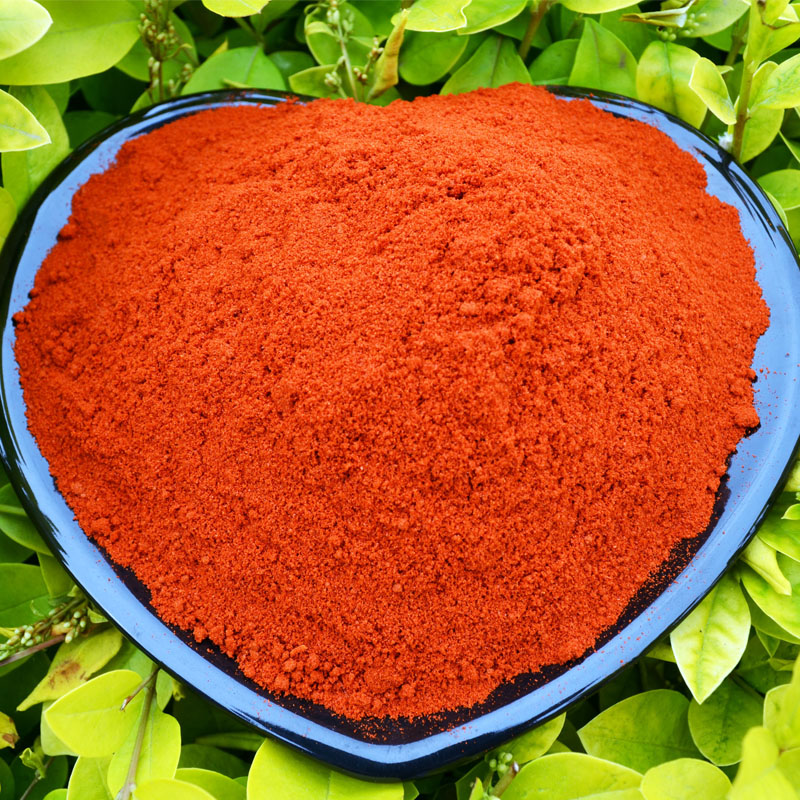
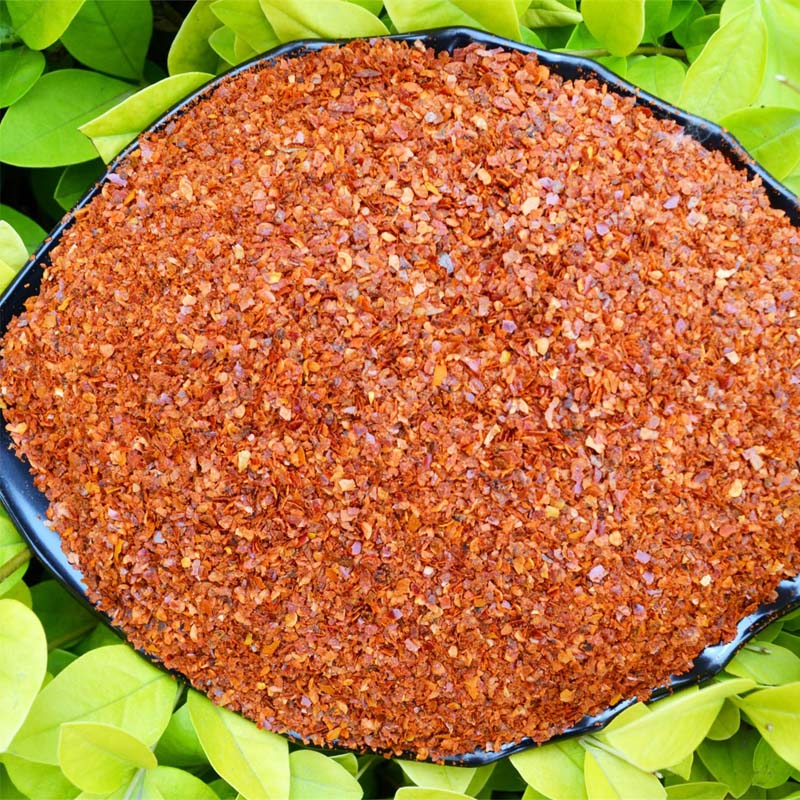
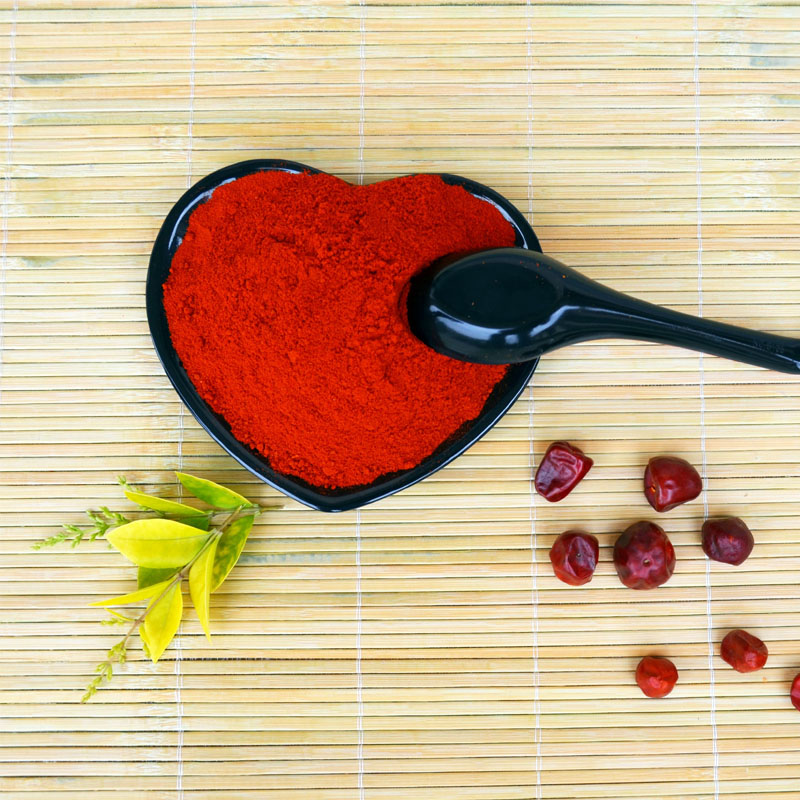
Having spent a good chunk of my career surrounded by conveyors, bulk powders, and spices, smoky flavors stand out as one of the most interesting parts of the palette — especially when it comes to smoked chili powder. Oddly enough, it’s a simple product in essence but carries a ton of character, complexity, and frankly, versatility. If you’ve ever walked through a processing plant and caught that whiff of something rich and woodsy, you might’ve been near some smoked chili powder being handled. That smoky depth isn’t just for flair; it’s a functional powerhouse in food manufacturing.
What fascinates me is how the industrial sector balances sourcing quality smoked chili powders and meeting tight specs for mass production. The product specs matter — moisture content, particle size, ash levels — all these tiny details affect flow, shelf life, and even flavor intensity. I've seen specs vary with origin, smoking technique, and grinding finesse. For instance, chili powders that are hand-smoked over oak tend to have slightly different pungency than those smoked with hickory chips.
Smoked Chili Powder: Specs That Matter in Industrial Applications
To give you a clearer picture, here’s a basic spec sheet that many engineers and quality managers check before approving any batch for production. From a functional perspective, precision counts a lot — too coarse and it clogs dosing equipment, too moist and it clumps, too light and it may not meet flavor profiles.
| Specification | Typical Range | Notes |
|---|---|---|
| Particle Size (Mesh) | 40–80 mesh | Fine enough for even seasoning |
| Moisture Content | ≤ 12% | Low moisture prevents caking |
| Smoke Intensity (Sensory) | Medium to Strong | Depends on wood type used |
| Ash Content | ≤ 5% | Higher ash may impact color & purity |
| Capsaicin Level | 500–1500 SHU | Varies by chili type |
Navigating Vendor Choices for Smoked Chili Powder
Over the years, one of the trickiest parts isn’t just the product spec but also sourcing a reliable vendor. You get what you pay for, many engineers say, but honestly, the choice tends to circle around consistency, timeliness, and how flexible the supplier is with custom blends or packaging. I’ve worked with three main types of suppliers — industrial giants, regional specialists, and smaller custom spice houses. There’s something to be said for each:
| Vendor | Strengths | Potential Drawbacks |
|---|---|---|
| Major Spice Corp. | Bulk availability, consistent specs, industry-standard packaging | Less flexibility on custom blends, pricier on smaller orders |
| Regional Smoke House | Handcrafted smoking processes, adaptable batch sizes, local sourcing | Longer lead times, variable specs batch-to-batch |
| Custom Spice Artisans | Highly customized blends, specialty packaging options, personal account reps | Limited volume capacity, premium pricing |
Speaking frankly, I once had a client who switched from a big-name supplier to a smaller artisan vendor just for that extra smoky punch they really wanted in their barbecue sauces. It was a bit of a gamble, but the results? Fantastic. It’s these nuances that make smoked chili powder such an interesting product in the industrial mix. Because for every ton of powder that hits the distribution lines, there’s a story about flavor, texture, and reliability.
So if you’re shopping for high-quality smoked chili powder — smoked chili powder, to be exact — consider not just the specs but the stories behind the suppliers and how adaptable they can be. Sometimes a small tweak in your powder can spell the difference between just “good enough” and a real standout product.
After all, spice isn’t just seasoning — it’s character.
References and further thoughts:
- Industrial Spice Handling and Quality Standards, FoodTech Journal, 2022
- “Flavor Profiles of Smoked Chili Powders,” SpiceWorld Symposium, 2023
- Personal interviews with food engineers, 2020–2024

-
Guide to Sourcing and Using Premium Dried Spicy PeppersNewsApr.16,2026
-
Dried Spur Chili Guide to Premium Flavor and Industrial QualityNewsApr.09,2026
-
Exploring the World of Dried Whole Chili Peppers and Their Culinary UsesNewsApr.07,2026
-
Exploring the Culinary World of Dried Whole Chillies and Their Versatile UsesNewsApr.04,2026
-
Exploring the World of Red Dried Chiles and Their Culinary UsesNewsMar.31,2026
-
Exploring the Culinary World of Red Dried Chili Peppers and Their Versatile UsesNewsMar.28,2026
 Afrikaans
 Albanian
 Amharic
 Arabic
 Armenian
 Azerbaijani
 Basque
 Belarusian
 Bengali
 Bosnian
 Bulgarian
 Catalan
 Cebuano
 Corsican
 Croatian
 Czech
Czech
 Danish
 Dutch
Dutch
 Esperanto
 Estonian
 Finnish
 French
 Frisian
 Galician
 Georgian
 German
 Greek
Greek
 Gujarati
 Haitian Creole
 Hausa
Hausa
 Hawaiian
 Hebrew
 Hindi
Hindi
 Miao
Miao
 Hungarian
 Icelandic
 Igbo
Igbo
 Indonesian
 Irish
Irish
 Italian
 Japanese
 Javanese
 Kannada
 Kazakh
 Khmer
Khmer
 Rwandese
 Korean
 Kurdish
 Kyrgyz
 Lao
Lao
 Latin
Latin
 Latvian
 Lithuanian
 Luxembourgish
 Macedonian
 Malgashi
 Malay
Malay
 Malayalam
 Maltese
 Maori
Maori
 Marathi
 Mongolian
 Myanmar
 Nepali
 Norwegian
 Norwegian
 Occitan
 Pashto
 Persian
 Polish
 Portuguese
 Punjabi
 Romanian
 Russian
 Samoan
 Scottish Gaelic
 Serbian
 Sesotho
 Shona
Shona
 Sindhi
 Sinhala
 Slovak
 Slovenian
 Somali
 Spanish
 Sundanese
 Swahili
 Swedish
 Tagalog
 Tajik
Tajik
 Tamil
Tamil
 Tatar
Tatar
 Telugu
 Thai
Thai
 Turkish
 Turkmen
 Ukrainian
 Urdu
Urdu
 Uighur
 Uzbek
Uzbek
 Vietnamese
 Welsh
Welsh
 Bantu
Bantu
 Yiddish
 Yoruba
 Zulu
Zulu
 English