- No. 268 Xianghe Street, Economic Development Zone of Xingtai city, Hebei 054001 China
- Byron@hbhongri.cn
Exploring the World of Paprika Types and Their Culinary Uses
Exploring the Diverse World of Paprika Types
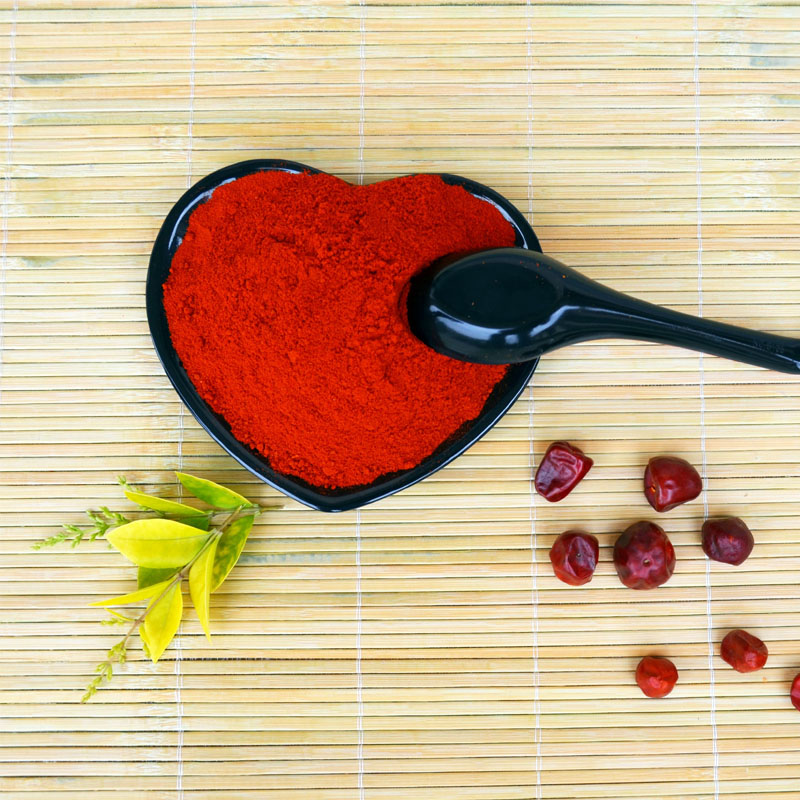
Paprika, a beloved spice derived from dried peppers of the Capsicum annuum family, boasts a remarkable range of flavors and colors. Far beyond simply a reddish powder, paprika encompasses a spectrum of varieties, each offering unique characteristics. Understanding these paprika types is crucial for chefs, food enthusiasts, and anyone seeking to elevate their culinary creations. From sweet and mild to smoky and intensely hot, the world of paprika is surprisingly complex and delightful. Hongri Spice provides a wide selection of authentic paprika to suit every palate.
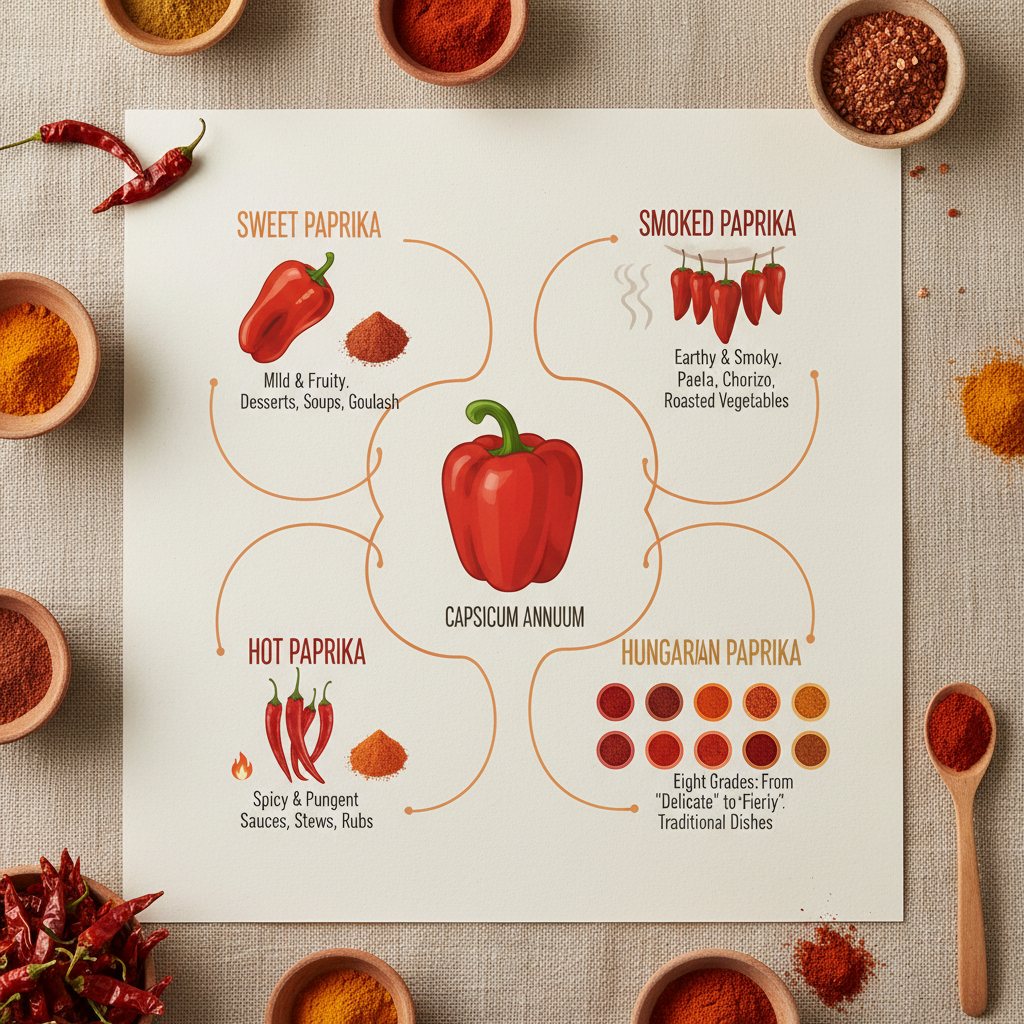
Sweet Paprika: The Mild and Fruity Foundation
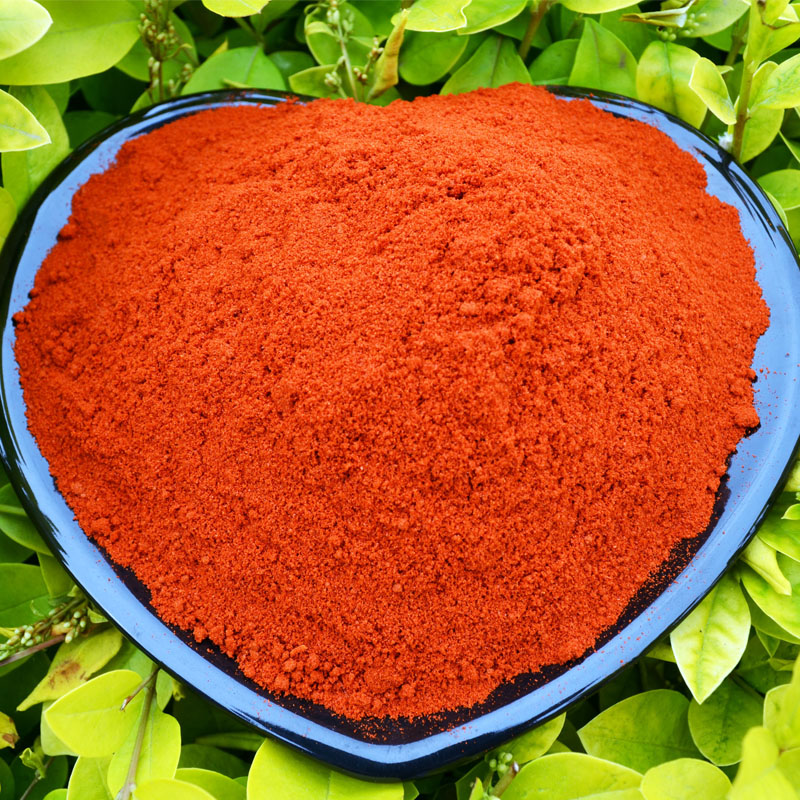
Sweet paprika is perhaps the most commonly recognized type, originating largely from Hungary. It's made from the dried, ground fruit of sweet pepper varieties, lacking the capsaicin that imparts heat. Its flavor is mildly sweet and fruity, with a vibrant red color. Sweet paprika serves as an excellent base for many dishes, adding color and a subtle flavor without overpowering other ingredients. It’s often used in stews, soups, and as a garnish. Hongri Spice's Sweet Paprika boasts a consistently delicate flavor profile.
Hot Paprika: Igniting the Palate
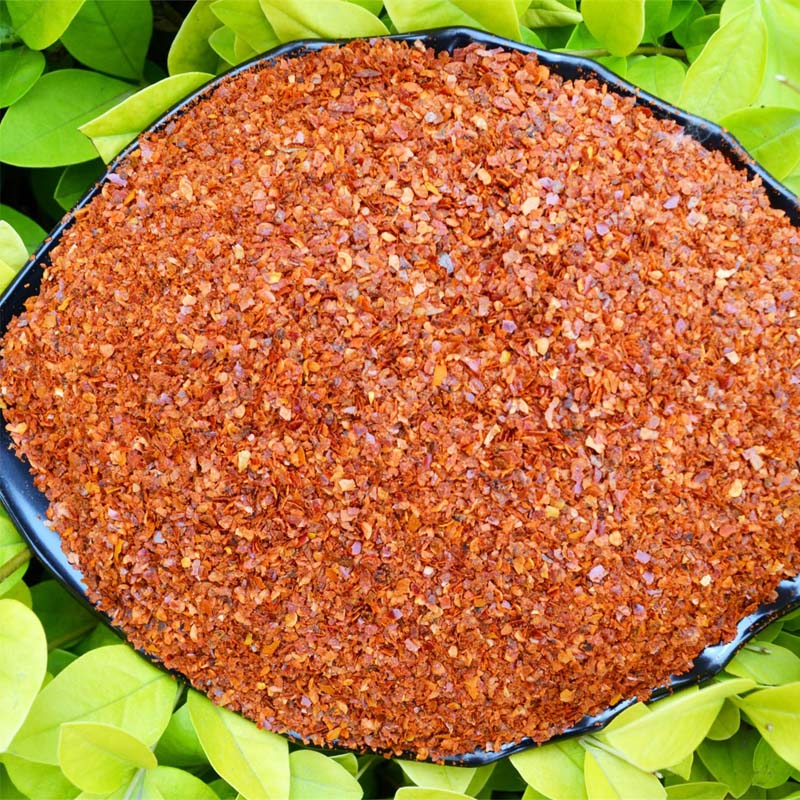
In stark contrast to sweet paprika, hot paprika delivers a significant kick. Produced from spicier pepper varieties, it contains a higher concentration of capsaicin, the compound responsible for heat. The color can range from bright red to a deeper, more brick-like hue. Hot paprika is often used to add a fiery element to chili, stews, and rubs for meats. Hongri Spice offers varying levels of heat in our hot paprika selection.
Smoked Paprika: A Touch of Culinary Magic
Smoked paprika, a favorite among many chefs, adds a distinctive smoky flavor to dishes. The peppers are traditionally dried over oak fires, imparting a rich, complex aroma. This type of paprika is particularly popular in Spanish cuisine, where it’s used in paella, chorizo, and other flavorful creations. It's also excellent in rubs for grilled meats and vegetables. Our Smoked Paprika at Hongri Spice undergoes a traditional smoking process for an authentic flavor.
Key Differences: Smoked paprika utilizes specific drying techniques, whereas hot and sweet paprika rely on the pepper variety's natural heat level.
Hungarian Paprika Varieties: A Deeper Dive
Hungary is renowned for its paprika production and boasts several distinct varieties, each carefully categorized by color, heat level, and flavor. These are often graded and certified to ensure quality. Some prominent types include:
Choosing the Right Paprika for Your Dish
Selecting the appropriate paprika type is key to achieving the desired flavor profile in your cooking. For dishes where you want a subtle sweetness and color, sweet paprika is ideal. If you crave heat, opt for hot paprika. Smoked paprika excels in recipes requiring a smoky depth. Exploring Hungarian paprika varieties allows for even more nuanced flavor experiences. Consider the origin and quality of the paprika – Hongri Spice sources its paprika from reputable growers to ensure exceptional quality.
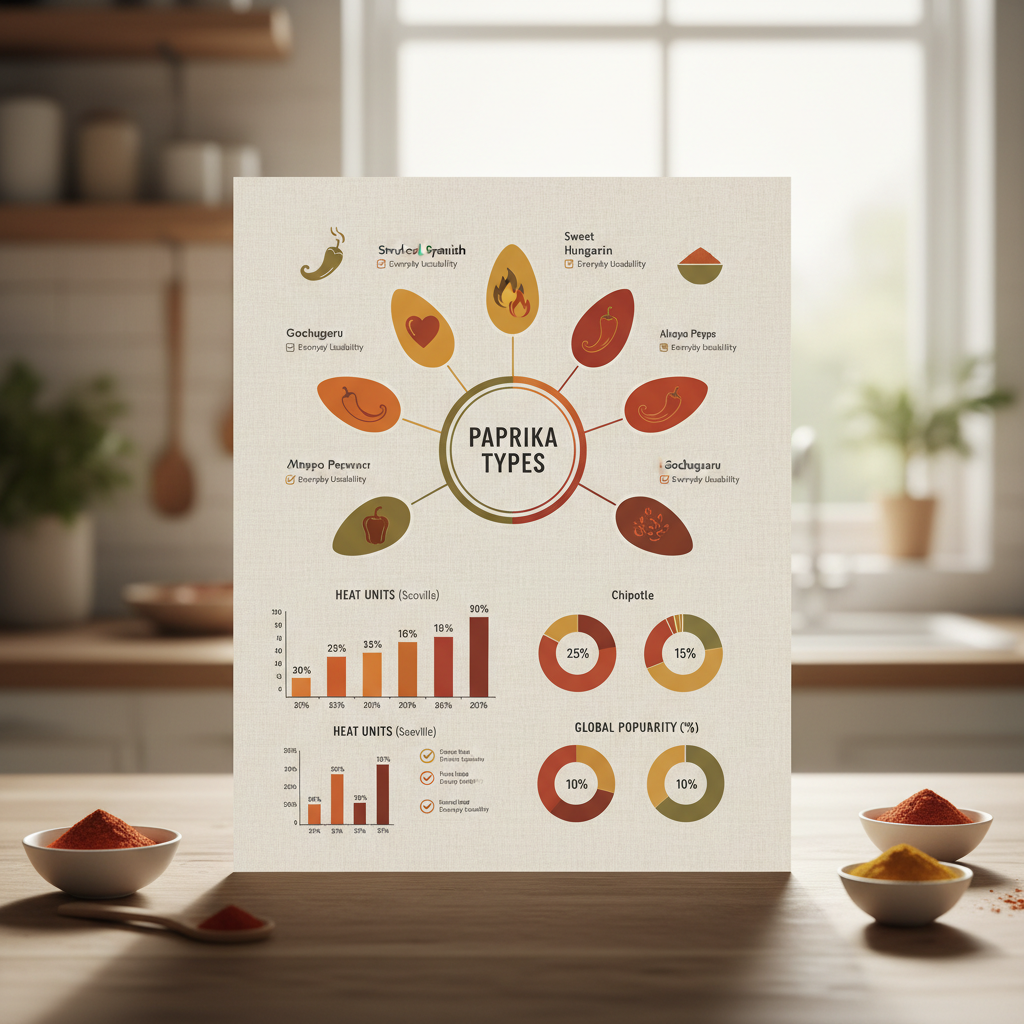
Conclusion: A World of Flavor Awaits
Embrace the Spectrum of Paprika
From the gentle sweetness of édesnemes to the fiery kick of csípős, the world of paprika is vast and rewarding. Understanding the nuances of each paprika type empowers you to create more flavorful and authentic dishes. Explore the selection at Hongri Spice and unlock a world of culinary possibilities.
Frequently Asked Questions (FAQs)
How should I store paprika to maintain its flavor?
To preserve the flavor and color of your paprika, store it in an airtight container in a cool, dark, and dry place. Avoid exposure to light, heat, and moisture. Properly stored paprika can retain its potency for up to two years, though the flavor may gradually diminish over time. Avoid storing near spices with strong aromas as paprika can absorb them. Investing in a high-quality, opaque container is recommended.
Can I substitute one type of paprika for another in a recipe?
While you can sometimes substitute, it's important to consider the desired flavor profile. Sweet paprika can generally be substituted for mild paprika. However, substituting hot paprika for sweet paprika will significantly increase the heat level. Smoked paprika is unique and doesn’t have a direct substitute; using a different spice will alter the flavor considerably. If a recipe calls for a specific type of paprika, it's best to use that type for optimal results.
What are the health benefits of paprika?
Paprika is rich in vitamins and antioxidants, particularly Vitamin C, Vitamin A, and carotenoids. These nutrients contribute to immune function, eye health, and overall well-being. Capsaicin, found in hot paprika, has anti-inflammatory properties and may boost metabolism. However, paprika should be consumed as part of a balanced diet and isn’t a substitute for medical treatment.
-
Guide to Sourcing and Using Premium Dried Spicy PeppersNewsApr.16,2026
-
Dried Spur Chili Guide to Premium Flavor and Industrial QualityNewsApr.09,2026
-
Exploring the World of Dried Whole Chili Peppers and Their Culinary UsesNewsApr.07,2026
-
Exploring the Culinary World of Dried Whole Chillies and Their Versatile UsesNewsApr.04,2026
-
Exploring the World of Red Dried Chiles and Their Culinary UsesNewsMar.31,2026
-
Exploring the Culinary World of Red Dried Chili Peppers and Their Versatile UsesNewsMar.28,2026
 Afrikaans
 Albanian
 Amharic
 Arabic
 Armenian
 Azerbaijani
 Basque
 Belarusian
 Bengali
 Bosnian
 Bulgarian
 Catalan
 Cebuano
 Corsican
 Croatian
 Czech
Czech
 Danish
 Dutch
Dutch
 Esperanto
 Estonian
 Finnish
 French
 Frisian
 Galician
 Georgian
 German
 Greek
Greek
 Gujarati
 Haitian Creole
 Hausa
Hausa
 Hawaiian
 Hebrew
 Hindi
Hindi
 Miao
Miao
 Hungarian
 Icelandic
 Igbo
Igbo
 Indonesian
 Irish
Irish
 Italian
 Japanese
 Javanese
 Kannada
 Kazakh
 Khmer
Khmer
 Rwandese
 Korean
 Kurdish
 Kyrgyz
 Lao
Lao
 Latin
Latin
 Latvian
 Lithuanian
 Luxembourgish
 Macedonian
 Malgashi
 Malay
Malay
 Malayalam
 Maltese
 Maori
Maori
 Marathi
 Mongolian
 Myanmar
 Nepali
 Norwegian
 Norwegian
 Occitan
 Pashto
 Persian
 Polish
 Portuguese
 Punjabi
 Romanian
 Russian
 Samoan
 Scottish Gaelic
 Serbian
 Sesotho
 Shona
Shona
 Sindhi
 Sinhala
 Slovak
 Slovenian
 Somali
 Spanish
 Sundanese
 Swahili
 Swedish
 Tagalog
 Tajik
Tajik
 Tamil
Tamil
 Tatar
Tatar
 Telugu
 Thai
Thai
 Turkish
 Turkmen
 Ukrainian
 Urdu
Urdu
 Uighur
 Uzbek
Uzbek
 Vietnamese
 Welsh
Welsh
 Bantu
Bantu
 Yiddish
 Yoruba
 Zulu
Zulu
 English