- No. 268 Xianghe Street, Economic Development Zone of Xingtai city, Hebei 054001 China
- Byron@hbhongri.cn
Exploring the World of Red Dried Peppers and Their Culinary Versatility
Exploring the Versatility of Red Dried Peppers
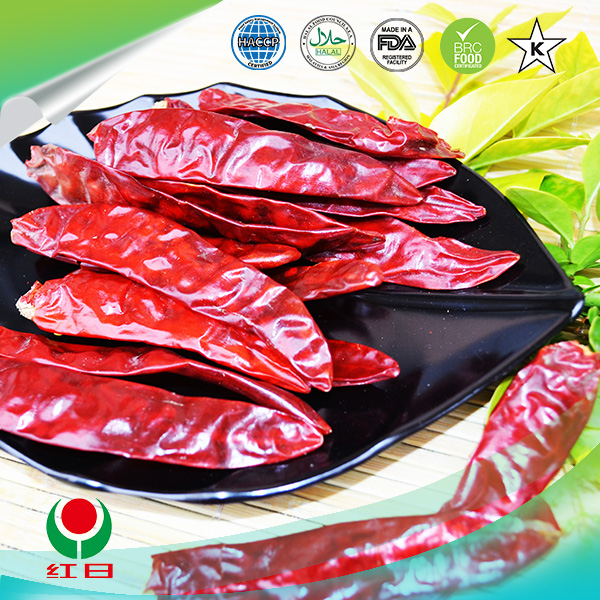
Red dried peppers are a staple ingredient in cuisines worldwide, prized for their vibrant color, intense flavor, and varying levels of heat. From adding a subtle warmth to a delicate sauce to igniting a fiery blaze in a spicy dish, their applications are incredibly diverse. At Hongri Spice, we specialize in sourcing and providing high-quality red dried peppers to meet the demands of chefs, food manufacturers, and spice enthusiasts. This article delves into the world of red dried peppers, covering their varieties, uses, health benefits, and how to select the best ones for your culinary creations.
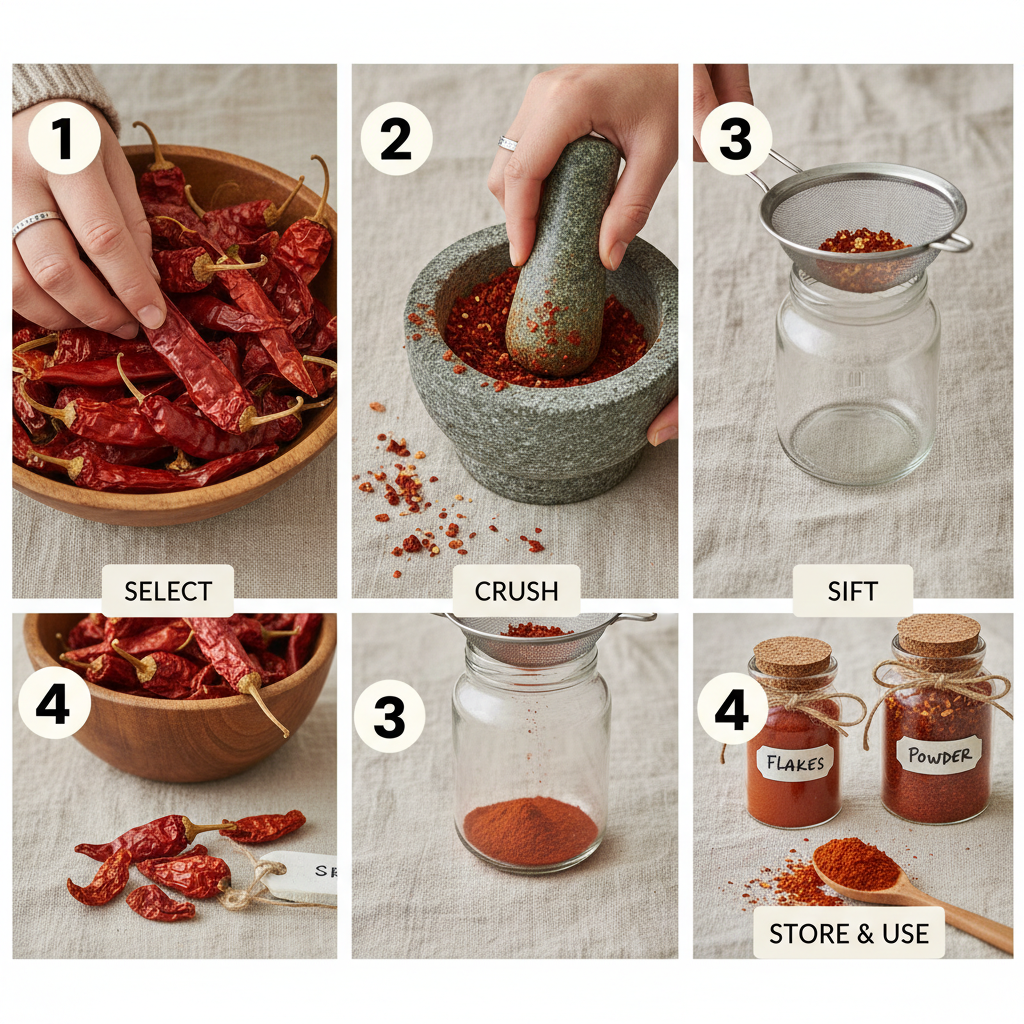
Understanding the Different Varieties of Red Dried Peppers
The term "red dried pepper" encompasses a wide range of varieties, each with unique characteristics. Some of the most popular include:
- Cayenne Peppers: Known for their moderate heat and bright red color, often used in Cajun and Creole cuisines.
- Chili de Arbol: These slender, reddish-brown peppers offer a significant kick and are frequently used in Mexican salsas.
- Guajillo Peppers: Mildly spicy with a fruity flavor, guajillos are a common ingredient in mole sauces.
- Pasilla Peppers: Dark red and wrinkly, pasillas provide a rich, smoky flavor with medium heat.
- Espelette Pepper: From the French Basque region, these peppers have a mild heat and a distinct, fruity aroma.
The heat level of a red dried pepper is measured using the Scoville scale, ranging from mild to extremely spicy. Understanding these varieties allows you to choose the perfect pepper to achieve your desired flavor profile.
Culinary Applications: From Salsas to Spice Rubs
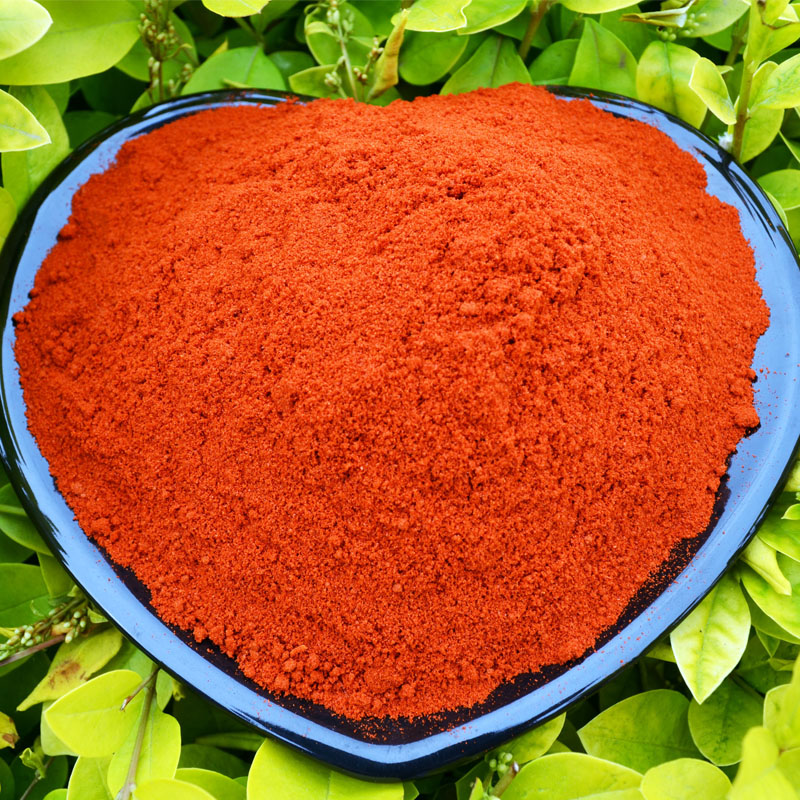
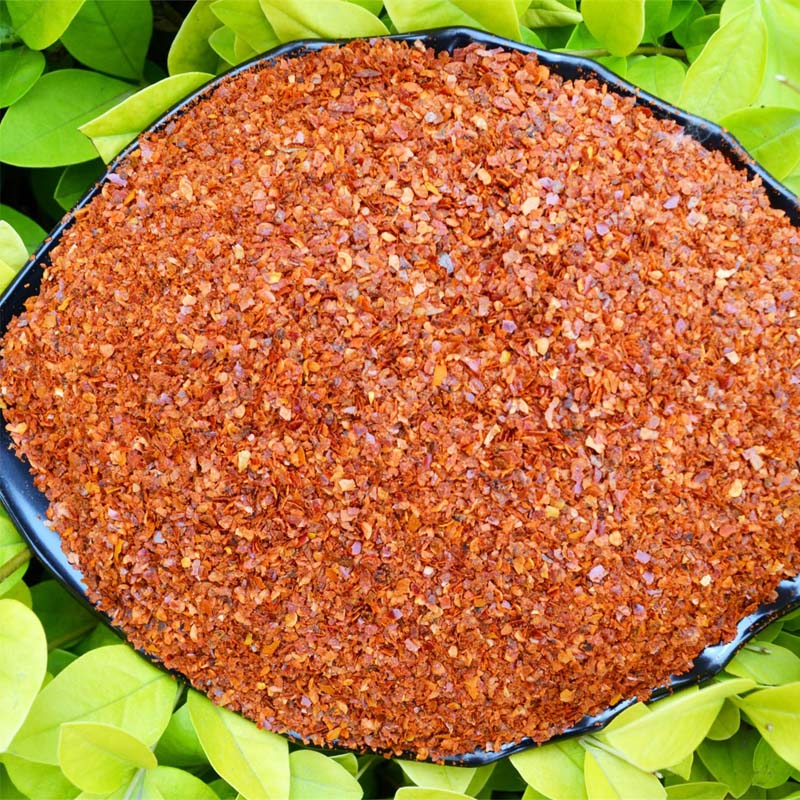
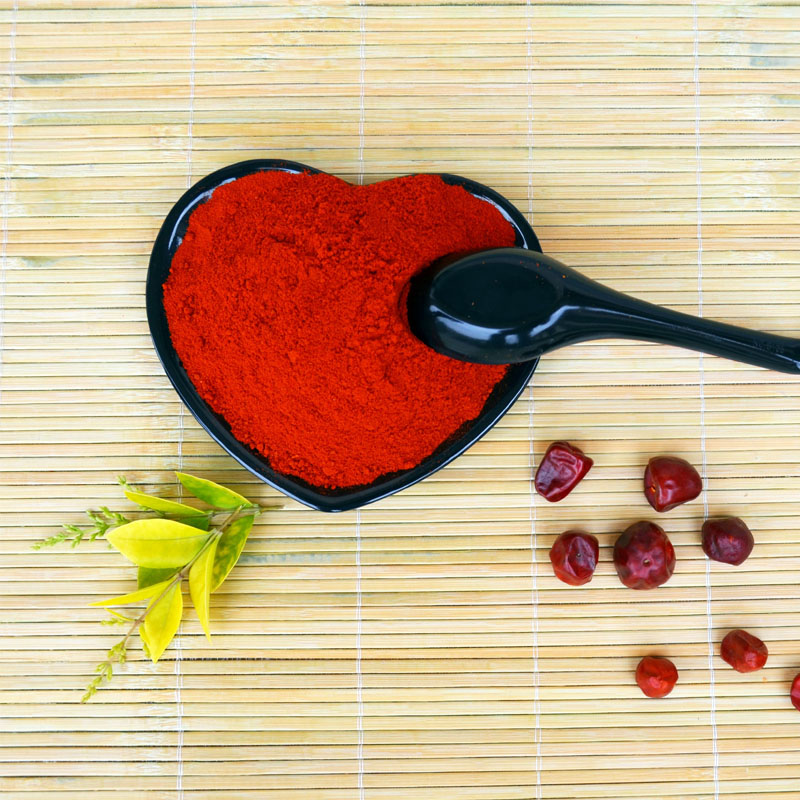
Red dried peppers are incredibly versatile in the kitchen. They can be used whole, crushed, flaked, or ground into powder. Common uses include:
- Salsas and Sauces: A foundational ingredient in countless salsas and chili sauces, providing both heat and flavor.
- Spice Rubs: Ground peppers add depth and complexity to spice rubs for meats, poultry, and fish.
- Marinades: Infusing marinades with red pepper provides a vibrant kick.
- Soups and Stews: Adding dried peppers to soups and stews imparts a warm, comforting flavor.
- Seasonings: Sprinkling crushed red pepper flakes is a simple way to add heat to pizzas, pastas, and other dishes.
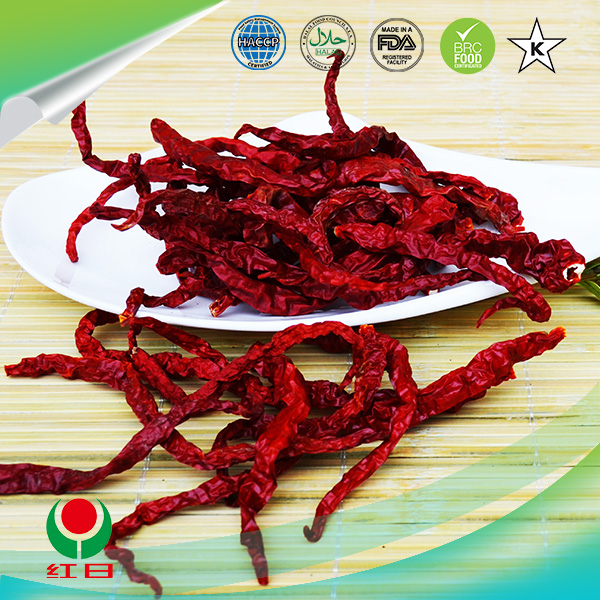
At Hongri Spice, we offer a variety of red dried pepper forms to suit your culinary needs.
Key Benefits: Red dried peppers add not only heat and flavor but also vibrant color and depth to your dishes. Their versatility makes them an essential ingredient for any home cook or professional chef.
Health Benefits of Incorporating Red Dried Peppers
Beyond their culinary uses, red dried peppers offer a range of health benefits. Capsaicin, the compound responsible for their heat, is known to:
- Boost Metabolism: Capsaicin can increase thermogenesis, helping the body burn more calories.
- Reduce Pain: Topical capsaicin creams are used to alleviate pain from arthritis and nerve damage.
- Improve Cardiovascular Health: Some studies suggest capsaicin may help lower cholesterol and blood pressure.
- Provide Antioxidants: Red peppers are rich in antioxidants, which protect against cell damage.
While enjoying the flavors of red dried peppers, you're also benefiting from their potential health-promoting properties.
Choosing the Right Red Dried Peppers: A Comparison
Selecting the right red dried pepper depends on your desired heat level and flavor profile. Here’s a quick comparison:
Sourcing Quality Red Dried Peppers from Hongri Spice
At Hongri Spice, we are committed to providing our customers with the highest quality red dried peppers. We carefully select our peppers from trusted growers and employ rigorous quality control measures to ensure freshness, flavor, and authenticity. We offer a wide range of varieties and packaging options to meet your specific requirements. Contact us today to learn more about our products and services.
Conclusion: Enhance Your Culinary Creations with Red Dried Peppers
Whether you’re crafting a complex mole sauce or simply adding a touch of heat to your favorite dish, red dried peppers are a versatile and essential ingredient. By understanding the different varieties and sourcing high-quality peppers from a trusted supplier like Hongri Spice, you can elevate your culinary creations to new heights.
Frequently Asked Questions (FAQs)
How should I store red dried peppers to maintain their freshness?
To preserve the flavor and color of your red dried peppers, store them in an airtight container in a cool, dark, and dry place. Exposure to light, heat, and moisture can cause them to lose their potency and develop mold. Whole dried peppers will generally stay fresh for 1-2 years, while ground pepper should be used within 6-12 months for optimal flavor. Avoid storing them near the stove or in humid environments.
Can I rehydrate dried peppers? If so, how?
Yes, you can easily rehydrate dried peppers. Remove the stems and seeds (optional, depending on your heat preference). Place the peppers in a bowl and cover with hot water. Let them soak for 20-30 minutes, or until softened. Alternatively, you can toast them lightly in a dry skillet before rehydrating for a deeper, smokier flavor. Once rehydrated, they can be blended into sauces, pureed, or chopped for use in various dishes.
What's the difference between red pepper flakes and cayenne pepper?
While both red pepper flakes and cayenne pepper are derived from chili peppers, they are not the same. Cayenne pepper is a specific variety of chili pepper that is ground into a fine powder. Red pepper flakes are typically a blend of various chili pepper varieties, often including cayenne, and are coarsely crushed rather than finely ground. Cayenne pepper provides a consistent, direct heat, while red pepper flakes offer a more complex flavor profile with varying levels of heat.
Are there any safety precautions I should take when handling red dried peppers?
Yes, it’s important to exercise caution when handling red dried peppers. Capsaicin can irritate the skin, eyes, and mucous membranes. Avoid touching your face while handling peppers, and wear gloves if you are sensitive to heat. If you do get capsaicin on your skin, wash it thoroughly with soap and water. Avoid inhaling the dust from ground peppers, as it can cause coughing and irritation.
-
Guide to Sourcing and Using Premium Dried Spicy PeppersNewsApr.16,2026
-
Dried Spur Chili Guide to Premium Flavor and Industrial QualityNewsApr.09,2026
-
Exploring the World of Dried Whole Chili Peppers and Their Culinary UsesNewsApr.07,2026
-
Exploring the Culinary World of Dried Whole Chillies and Their Versatile UsesNewsApr.04,2026
-
Exploring the World of Red Dried Chiles and Their Culinary UsesNewsMar.31,2026
-
Exploring the Culinary World of Red Dried Chili Peppers and Their Versatile UsesNewsMar.28,2026
 Afrikaans
 Albanian
 Amharic
 Arabic
 Armenian
 Azerbaijani
 Basque
 Belarusian
 Bengali
 Bosnian
 Bulgarian
 Catalan
 Cebuano
 Corsican
 Croatian
 Czech
Czech
 Danish
 Dutch
Dutch
 Esperanto
 Estonian
 Finnish
 French
 Frisian
 Galician
 Georgian
 German
 Greek
Greek
 Gujarati
 Haitian Creole
 Hausa
Hausa
 Hawaiian
 Hebrew
 Hindi
Hindi
 Miao
Miao
 Hungarian
 Icelandic
 Igbo
Igbo
 Indonesian
 Irish
Irish
 Italian
 Japanese
 Javanese
 Kannada
 Kazakh
 Khmer
Khmer
 Rwandese
 Korean
 Kurdish
 Kyrgyz
 Lao
Lao
 Latin
Latin
 Latvian
 Lithuanian
 Luxembourgish
 Macedonian
 Malgashi
 Malay
Malay
 Malayalam
 Maltese
 Maori
Maori
 Marathi
 Mongolian
 Myanmar
 Nepali
 Norwegian
 Norwegian
 Occitan
 Pashto
 Persian
 Polish
 Portuguese
 Punjabi
 Romanian
 Russian
 Samoan
 Scottish Gaelic
 Serbian
 Sesotho
 Shona
Shona
 Sindhi
 Sinhala
 Slovak
 Slovenian
 Somali
 Spanish
 Sundanese
 Swahili
 Swedish
 Tagalog
 Tajik
Tajik
 Tamil
Tamil
 Tatar
Tatar
 Telugu
 Thai
Thai
 Turkish
 Turkmen
 Ukrainian
 Urdu
Urdu
 Uighur
 Uzbek
Uzbek
 Vietnamese
 Welsh
Welsh
 Bantu
Bantu
 Yiddish
 Yoruba
 Zulu
Zulu
 English