- No. 268 Xianghe Street, Economic Development Zone of Xingtai city, Hebei 054001 China
- Byron@hbhongri.cn
What Paprika Powder Made Of Means: Origins, Quality & Global Impact | HongriSpice
The Spice Behind the Flavor: What “Paprika Powder Made Of” Really Means
At first glance, paprika powder might seem just like another kitchen staple—a splash of color, a whisper of warmth on your dishes. But here’s the thing: understanding paprika powder made of isn’t just for chefs or home cooks. Globally, it spirals into food heritage, international agriculture, trade economies, and even public health. So, why does knowing what paprika powder is made of matter? Well, it’s the difference between that smoky, sweet aroma you crave and a bland, unconvincing seasoning. Plus, it links to farmers’ livelihoods, sustainable farming, and quality control worldwide. Frankly, it’s more involved than you’d think.
Spicing Up the World: Why Paprika Powder’s Origins Matter Globally
Paprika powder is more than ground chili—it's a hallmark of Hungarian, Spanish, and increasingly global cuisine. According to FAO data, over 35 countries produce paprika or its variants, involving millions of farmers and traders. Yet, the exact makeup—the specific pepper varieties, cultivation methods, and processing—shapes its quality, flavor, and even nutritional value.
But here’s a twist: inconsistent definitions and blends cause market confusion and sometimes affect food safety. The ISO has even developed standards for ground paprika to help regulate quality. Challenges like crop diseases, climate impacts, and adulteration plague the trade. In humanitarian terms, paprika powder’s nutrient profile can contribute modestly to vitamin A intake in food aid packages when properly sourced.
Mini takeaway: Understanding what paprika powder is made of helps ensure consumers get authentic taste and nutritional benefits – plus it supports sustainable farming worldwide.
Defining Paprika Powder: The Basics Unpacked
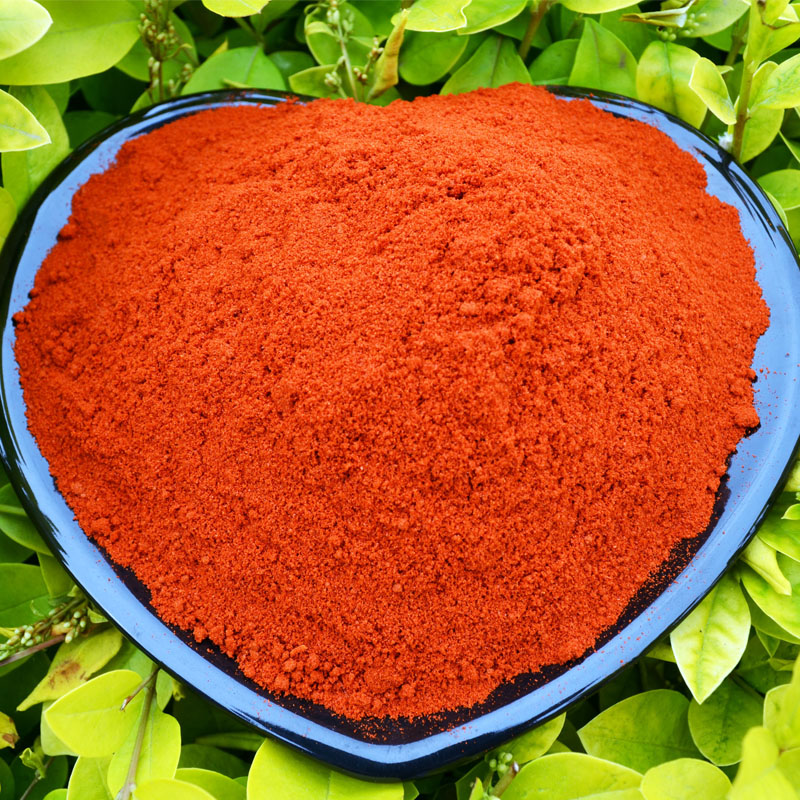
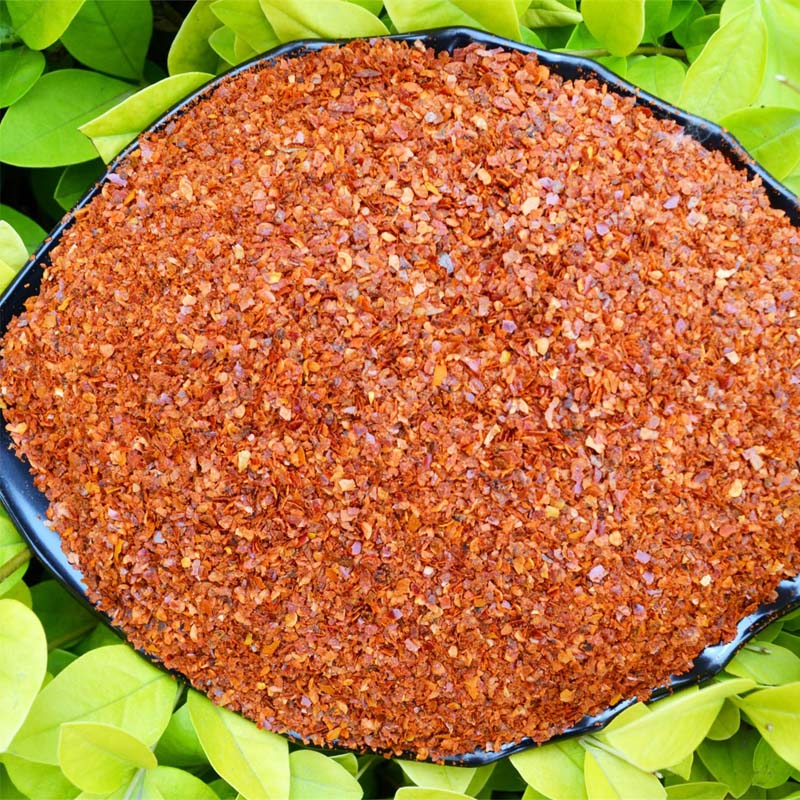
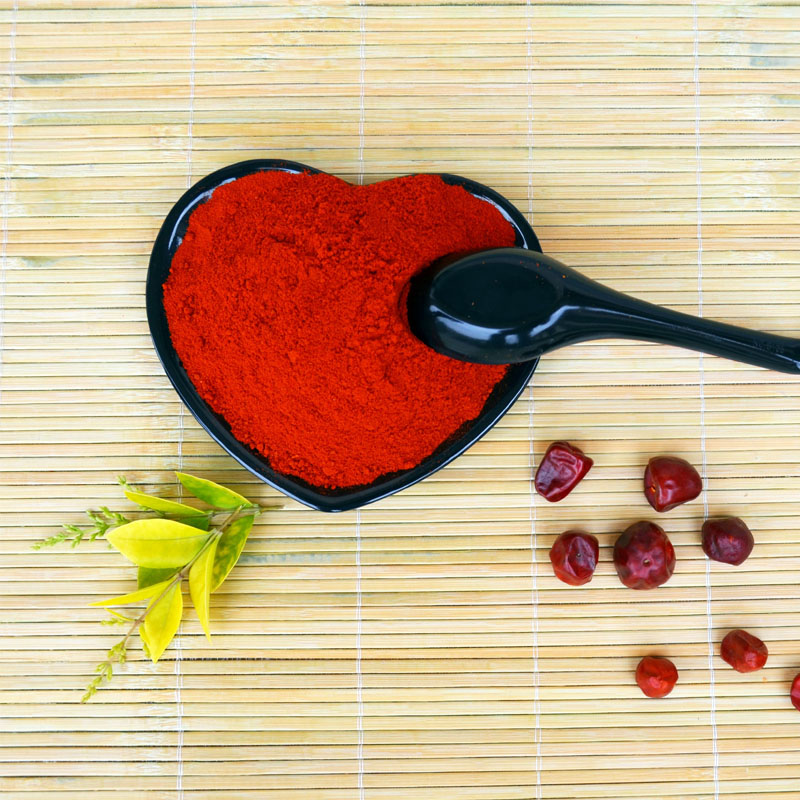
Simply put, paprika powder made of is dried and ground Capsicum annuum peppers—either sweet, mild, or hot varieties. The blend depends heavily on origin, drying processes (smoke-dried or sun-dried), and sometimes added ingredients like salt or preservatives. It’s this definition that ties paprika to modern industry, from packaged foods to spice mixes, as well as humanitarian aid, where standardized, shelf-stable food forms are essential.
Why It Matters Today
- Authenticity: Culinary identity across cultures
- Nutrition & Health: Vitamin A, antioxidants
- Trade: Economic driver in exporting countries
- Food Technology: Shelf stability and flavor retention
Core Components Behind Quality Paprika Powder
1. Pepper Variety
The pepper cultivar fundamentally influences flavor, color, and heat level. For example, Hungarian ‘Néma’ variety creates sweet, bright paprika, whereas Spanish ‘Piquillo’ lends mild smokiness.
2. Drying Method
Smoke-dried paprika has a rich, deep flavor often prized in Spanish cuisine, while sun-dried tends to be sweeter and lighter. The choice impacts not only aroma but preservation.
3. Grinding Fineness
Finer powder disperses more evenly in dishes; coarser grind might suit rustic, hearty recipes.
4. Additives and Purity
Some powders are pure ground paprika, while others include fillers or anti-caking agents. Purity corresponds with quality and consumer trust.
5. Color Intensity
Measured by pigment content like capsanthin, it’s a freshness and quality indicator impacting appearance and culinary appeal.
Mini takeaway: The journey from pepper to paprika powder involves many controllable factors that influence the final taste and nutritional punch.
Paprika Powder in the Real World: From Farms to Global Kitchens
Paprika powder enjoys versatile applications:
- Europe: Hungarian and Spanish kitchens rely heavily on region-specific paprika for iconic dishes like goulash or paella.
- North America: Increasingly popular in barbecue rubs and ethnic cuisines.
- Food Industry: It dyes sauces, snacks, and processed meats, sometimes as a natural alternative to artificial colorants.
- Humanitarian Use: Paprika powder’s nutritional benefits appear in some fortified blends supplied for food aid, especially in developing countries.
In post-disaster relief operations, stable, shelf-ready spice blends not only enhance bland staple rations but also preserve cultural food identity—a subtle but important dignity factor.
Advantages & Long-Term Value of High-Quality Paprika Powder
The benefits extend beyond flavor:
- Cost Efficiency: Good-quality paprika can reduce the need for multiple spices, making seasoning simpler and cheaper.
- Sustainability: Many producers now focus on organic farming and low-impact drying methods.
- Health & Nutrition: Rich in antioxidants and vitamins important for immune support.
- Cultural Trust: It’s about preserving culinary traditions in an increasingly homogenized food market.
Emotionally, nothing beats the comfort of a familiar aroma, evoking home and heritage—something that paprika powder made of real peppers delivers in spades.
Looking Ahead: Trends Shaping Paprika Powder
Automation in harvesting and processing improves consistency. Meanwhile, climate-smart agriculture influences pepper cultivation, aiming to reduce water use and improve resilience. On the tech side, innovative drying technologies, like infrared or vacuum drying, promise better flavor and nutrient retention.
Furthermore, food certification labels, organic standards, and fair trade practices increasingly guide consumer choices toward better-produced paprika. Digital traceability is another wave—imagine scanning a code and tracing your paprika powder from seed to table.
Common Challenges and Their Solutions
Supply chain variability, adulteration, and inconsistent quality are ongoing issues. For exporters, maintaining consistent spice color and taste is tough due to climate variability. However, newer testing methods like near-infrared spectroscopy help screen batches quickly for purity.
Farmers adopting integrated pest management and water-smart irrigation reduce crop failure risks, improving overall paprika powder yield and reliability. Plus, consumer education campaigns help to raise awareness of authentic products over blends.
Frequently Asked Questions About Paprika Powder Made Of
- Q1: What exactly is paprika powder made of?
- A: Paprika powder is essentially ground dried peppers, usually from the Capsicum annuum species. Depending on the source, it may be sweet, smoked, or hot. Pure paprika contains no additives unless specified.
- Q2: Why does the drying method of paprika matter?
- A: Drying affects the flavor and shelf life. Smoke-dried paprika has a deeper aroma and longer preservation but tends to cost more. Sun-dried is lighter and faster to produce.
- Q3: How can I tell if paprika powder is authentic?
- A: Look for clear labeling of origin, absence of fillers, vibrant red color, and sometimes certification marks. Testing labs can verify purity for commercial buyers.
- Q4: Is paprika powder nutritionally beneficial?
- A: Yes, paprika contains antioxidants, Vitamin A, and some B vitamins. In small doses, it supports immune function and eye health.
- Q5: How should paprika powder be stored to retain freshness?
- A: Keep it in an airtight container, away from light, heat, and moisture. Stored properly, it lasts about 6-12 months.
Quick Product Specification Table for Typical Paprika Powder
| Specification | Typical Value |
|---|---|
| Main Ingredient | Ground dried Capsicum annuum peppers |
| Color (ASTA Units) | 80-150 ASTA (vibrant red) |
| Moisture Content | ≤12% |
| Capsaicin Content | 0.02% - 1.5% (varies by type) |
| Particle Size | 150-300 micron (fine grind) |
| Additives | Generally none or anti-caking agents in spices blends |
Comparison of Leading Paprika Powder Vendors
| Vendor | Origin | Drying Method | Price per kg (USD) | Certifications |
|---|---|---|---|---|
| Hungarian Spice Co. | Hungary | Sun-dried | $15.50 | ISO 9001, Organic |
| La Roja Spain | Spain | Smoke-dried | $18.00 | ISO 22000, Fair Trade |
| Golden Capsicum Ltd. | India | Sun-dried | $12.00 | ISO 9001 |
Wrapping It Up: Why Understanding Paprika Powder Made Of Makes a Difference
So, when you sprinkle paprika on your meal, remember: you’re tasting generations of craft, agriculture, and a web of global trade all condensed into a humble powder. The more we know about paprika powder made of, the better decisions we make as consumers and suppliers—choices that respect authenticity, promote sustainability, and keep traditions alive. Whether you’re an industry professional or a home cook, that’s worth savoring.
Ready to explore authentic, high-quality paprika? Visit us at hongrispice.com and spice up your world!
References
-
Guide to Sourcing and Using Premium Dried Spicy PeppersNewsApr.16,2026
-
Dried Spur Chili Guide to Premium Flavor and Industrial QualityNewsApr.09,2026
-
Exploring the World of Dried Whole Chili Peppers and Their Culinary UsesNewsApr.07,2026
-
Exploring the Culinary World of Dried Whole Chillies and Their Versatile UsesNewsApr.04,2026
-
Exploring the World of Red Dried Chiles and Their Culinary UsesNewsMar.31,2026
-
Exploring the Culinary World of Red Dried Chili Peppers and Their Versatile UsesNewsMar.28,2026
 Afrikaans
 Albanian
 Amharic
 Arabic
 Armenian
 Azerbaijani
 Basque
 Belarusian
 Bengali
 Bosnian
 Bulgarian
 Catalan
 Cebuano
 Corsican
 Croatian
 Czech
Czech
 Danish
 Dutch
Dutch
 Esperanto
 Estonian
 Finnish
 French
 Frisian
 Galician
 Georgian
 German
 Greek
Greek
 Gujarati
 Haitian Creole
 Hausa
Hausa
 Hawaiian
 Hebrew
 Hindi
Hindi
 Miao
Miao
 Hungarian
 Icelandic
 Igbo
Igbo
 Indonesian
 Irish
Irish
 Italian
 Japanese
 Javanese
 Kannada
 Kazakh
 Khmer
Khmer
 Rwandese
 Korean
 Kurdish
 Kyrgyz
 Lao
Lao
 Latin
Latin
 Latvian
 Lithuanian
 Luxembourgish
 Macedonian
 Malgashi
 Malay
Malay
 Malayalam
 Maltese
 Maori
Maori
 Marathi
 Mongolian
 Myanmar
 Nepali
 Norwegian
 Norwegian
 Occitan
 Pashto
 Persian
 Polish
 Portuguese
 Punjabi
 Romanian
 Russian
 Samoan
 Scottish Gaelic
 Serbian
 Sesotho
 Shona
Shona
 Sindhi
 Sinhala
 Slovak
 Slovenian
 Somali
 Spanish
 Sundanese
 Swahili
 Swedish
 Tagalog
 Tajik
Tajik
 Tamil
Tamil
 Tatar
Tatar
 Telugu
 Thai
Thai
 Turkish
 Turkmen
 Ukrainian
 Urdu
Urdu
 Uighur
 Uzbek
Uzbek
 Vietnamese
 Welsh
Welsh
 Bantu
Bantu
 Yiddish
 Yoruba
 Zulu
Zulu
 English