- No. 268 Xianghe Street, Economic Development Zone of Xingtai city, Hebei 054001 China
- Byron@hbhongri.cn
Buy Crushed Red Pepper Flakes Bulk - Quality, Sustainability & Global Trade Insights
Understanding Crushed Red Pepper Flakes Bulk: Flavor, Global Demand, and Industry Insights
Crushed red pepper flakes bulk might sound like a niche culinary topic, but it actually touches on some surprisingly broad themes — from global supply chains to cultural flavors, and even food safety standards. Globally, chili peppers are more than just a heat element on the plate; they’re a staple in cuisines all over the world, boosting economies and satisfying palates. The demand for crushed red pepper flakes in bulk raises questions about sourcing, quality, and distribution that impact food manufacturers, restaurants, and wholesalers alike. So why should we care? Understanding these aspects helps consumers and businesses alike maintain flavor integrity, meet health codes, and support sustainable farming — benefits that ripple well beyond the kitchen.
Global Context: Why Bulk Crushed Red Pepper Matters
Red chili peppers are grown worldwide, with global production exceeding 37 million metric tons annually, according to the Food and Agriculture Organization (FAO). As a globally traded commodity, the bulk pepper flakes market reflects regional production strengths—countries like China, India, and Mexico lead the pack. For industries, buying crushed red pepper flakes in bulk offers consistency and cost advantages, crucial for large-scale food production and distribution.
Yet the supply chain isn’t without challenges: climatic changes affect harvest yields, while food safety regulations around contaminants like aflatoxins become stricter. These issues underscore why understanding the bulk market is critical for anyone dealing with this vibrant spice.
What Are Crushed Red Pepper Flakes Bulk, Exactly?
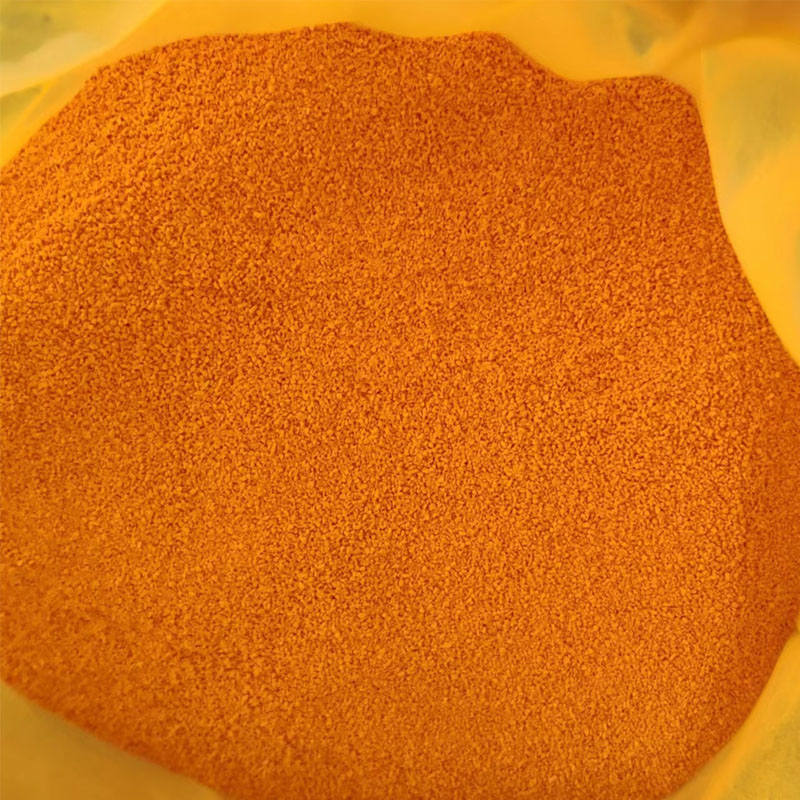
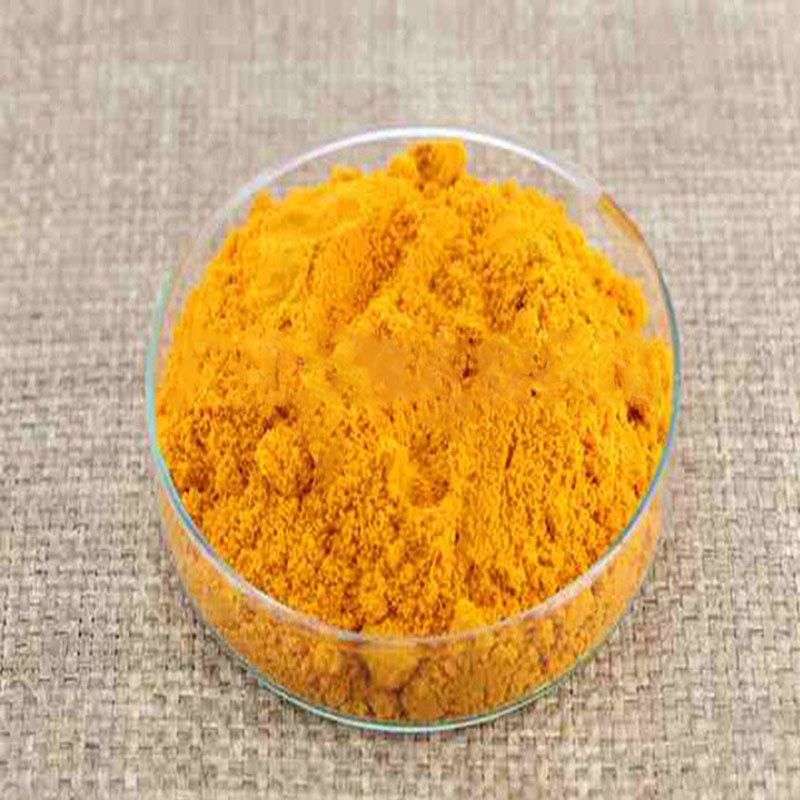
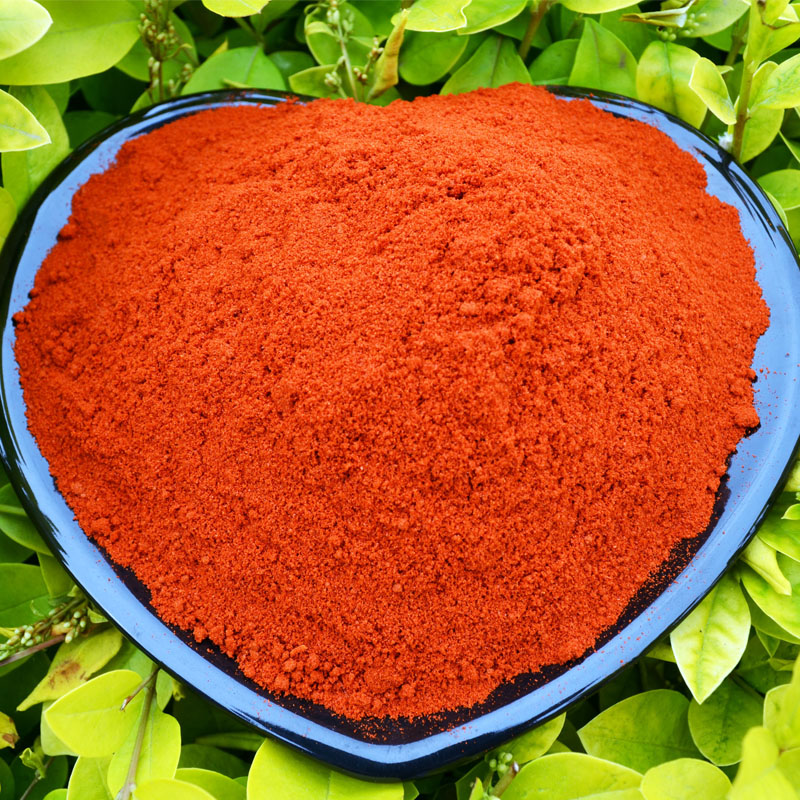
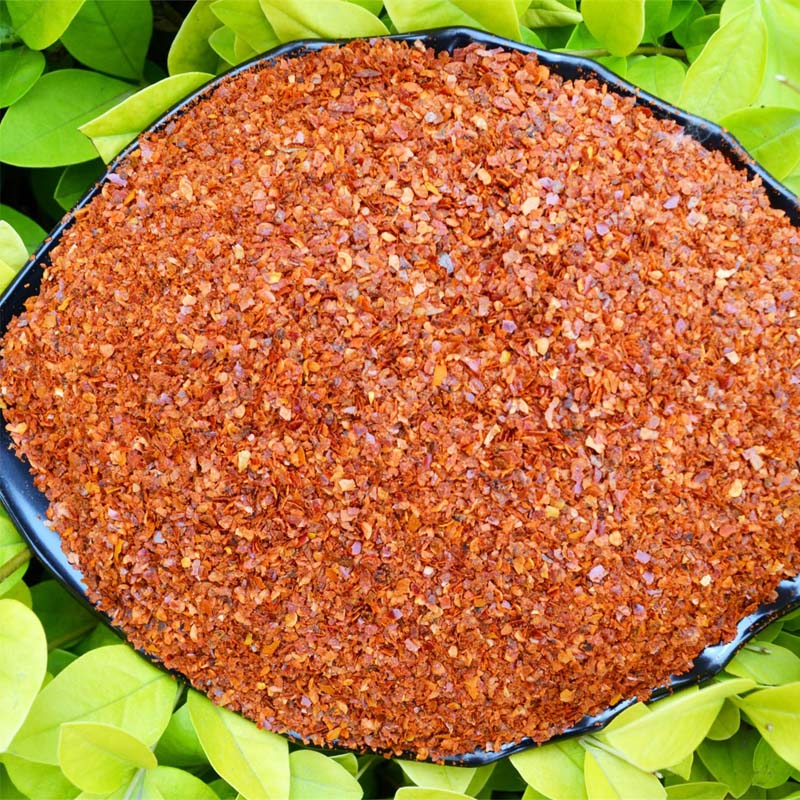
At its core, crushed red pepper flakes are dried, crushed red chili peppers, typically consisting of dried pods, seeds, and pieces of flesh. When bought “in bulk,” these are large quantities, usually sold to food processors, restaurants, retailers, or exporters. Their quality depends heavily on the variety of chili used (Cayenne and Aleppo peppers are common), drying methods, and freshness — all factors that influence heat intensity and flavor complexity.
This ingredient’s role extends beyond culinary uses. It’s often infused in food safety practices as a natural antimicrobial and used in packaging innovations. Plus, large-scale production ties into agricultural employment, export revenues, and even humanitarian food aid supplies where shelf stability is a must.
Core Factors: What to Consider When Purchasing Crushed Red Pepper Flakes in Bulk
1. Quality and Heat Level
Heat is measured in Scoville Heat Units (SHU). Bulk buyers must match the heat profile needed for their application, from mild to fiery. Purity also matters — unwanted seeds or stems can alter flavor or texture detrimentally.
2. Sourcing and Sustainability
Origin affects both taste and ethics. Responsible sourcing from farmers who use sustainable, pesticide-free methods ensures consistent supplies while supporting environmental health.
3. Packaging and Shelf Life
Bulk spices require packaging solutions that protect from moisture, light, and oxygen — all enemies of spice potency. Vacuum-sealed or nitrogen-flushed packaging is common to maintain freshness.
4. Compliance and Safety
Food safety standards like ISO 22000 and HACCP are indispensable. Bulk spice importers need to verify certifications to avoid contamination risks.
5. Cost Efficiency
Buying in bulk generally lowers the per-unit cost, but there’s a balancing act between price and quality.
Product Specification Table
| Specification | Details |
|---|---|
| Pepper Variety | Cayenne, Aleppo, Bird’s Eye |
| Scoville Heat Units (SHU) | 30,000 – 50,000 SHU typical |
| Moisture Content | Max 11% |
| Packaging | Vacuum-sealed, food-grade bulk bags |
| Shelf Life | 12-18 months under ideal storage |
Global Applications: Real-World Use Cases for Bulk Crushed Red Pepper Flakes
- Food manufacturing: Huge volumes go into seasoning blends, processed foods, and frozen meals worldwide.
- Hospitality and foodservice: Restaurants and caterers value bulk for cost savings and consistent spice levels.
- Retail packaging: Many brands buy bulk, then repackage into smaller retail units.
- Humanitarian food relief: Organizations use spice flakes in dry ration packs for flavor and morale boosting in crisis zones.
- Export/import: Critical commodity in international trade, linking farmers in Asia and Latin America to markets in North America and Europe.
Oddly enough, I once learned that in regions like Eastern Europe, bulk crushed red pepper flakes are essential for traditional dishes and have become a small economic lifeline during winter months, providing farmers steady income.
Advantages & Long-Term Value
Buying crushed red pepper flakes bulk has clear advantages: cost savings, flavor consistency, and supply reliability top the list. There’s also a sustainability angle — bulk shipments often reduce packaging waste compared to multiple small units. Emotionally, retailers and manufacturers speak of gaining customer trust by delivering the “expected heat” every time. Plus, from a social perspective, supporting bulk trade encourages fairer farmer deals and stable communities.
Future Trends and Innovations
The future is pretty exciting here. Technology advances in drying and sorting improve spice quality dramatically. You’ll see innovations like digital traceability — blockchain to verify origin, sustainable practices, and freshness. Automation in packaging bulk spices is becoming more common, reducing contamination risk and increasing efficiency. Not to mention the rising interest in organic and non-GMO crushed red pepper flakes in bulk containers addressing shifting consumer tastes and stricter international regulations.
Challenges & Solutions
Among persistent challenges: vulnerability to moisture (which can degrade flavor or cause spoilage), adulteration risks, and inconsistent heat levels. Solutions include better quality control, adoption of advanced packaging like modified atmosphere packaging (MAP), and stricter supplier audits. Industry experts advise establishing close partnerships with trusted growers and investing in lab testing to ensure compliance. Frankly, the spice trade’s complexity means vigilance is the best defense.
Vendor Comparison Table
| Supplier | Origin | Certifications | Price (per kg) | Packaging Options |
|---|---|---|---|---|
| SpiceCo Global | India | ISO 22000, Organic | $4.50 | Vacuum Bags, Bulk Sacks |
| PepperSource Ltd. | Mexico | HACCP, Fair Trade | $5.00 | Bulk Bags, Retail Packs |
| RedFlakes Co. | China | ISO 9001 | $3.80 | Bulk Sacks Only |
FAQ: Frequently Asked Questions About Crushed Red Pepper Flakes Bulk
- Q: What is the shelf life of crushed red pepper flakes when bought in bulk?
- A: Typically, crushed red pepper flakes have a shelf life of 12 to 18 months if stored in cool, dry conditions away from direct sunlight and moisture. Proper packaging helps maintain potency and flavor.
- Q: How can I verify the heat level when buying crushed red pepper flakes in bulk?
- A: Request certificates of analysis from suppliers indicating Scoville Heat Units (SHU). Some buyers also perform independent lab testing to ensure consistent heat profiles.
- Q: Are bulk crushed red pepper flakes suitable for organic and clean-label products?
- A: Yes, many suppliers offer certified organic crushed red pepper flakes suitable for clean-label formulations. Ensure you request proper organic certification documentation.
- Q: How should I store bulk crushed red pepper flakes to maximize freshness?
- A: Store in airtight containers in a cool, dry, dark environment. Avoid humidity and heat to prevent flavor degradation and caking.
- Q: Can I request customized blends or heat levels when purchasing in bulk?
- A: Many bulk suppliers offer custom blending services or specific heat-level selections to meet client needs. It’s worth discussing your requirements upfront.
Summary and Next Steps
To sum up, crushed red pepper flakes bulk is a critical ingredient that ties together agricultural production, international trade, and culinary arts. Its role is only set to grow as consumers demand quality, sustainability, and transparency. If you’re looking to source quality crushed red pepper flakes in bulk for your business or organization, considering these core factors and trusted vendors helps you make smarter decisions. For a great start, visit our website for more details and supplier options: crushed red pepper flakes bulk.
Oddly enough, spices like these connect people worldwide in a huge shared story about taste and culture — kind of a spicy thread in the fabric of global food systems.
References:
1. Food and Agriculture Organization of the United Nations (FAO). Chili Pepper Production Data, 2023.
2. International Organization for Standardization (ISO). ISO 22000:2018 Food Safety Management Systems.
3. World Trade Organization (WTO). Global Trade in Spices Reports, 2022.
-
Guide to Sourcing and Using Premium Dried Spicy PeppersNewsApr.16,2026
-
Dried Spur Chili Guide to Premium Flavor and Industrial QualityNewsApr.09,2026
-
Exploring the World of Dried Whole Chili Peppers and Their Culinary UsesNewsApr.07,2026
-
Exploring the Culinary World of Dried Whole Chillies and Their Versatile UsesNewsApr.04,2026
-
Exploring the World of Red Dried Chiles and Their Culinary UsesNewsMar.31,2026
-
Exploring the Culinary World of Red Dried Chili Peppers and Their Versatile UsesNewsMar.28,2026
 Afrikaans
 Albanian
 Amharic
 Arabic
 Armenian
 Azerbaijani
 Basque
 Belarusian
 Bengali
 Bosnian
 Bulgarian
 Catalan
 Cebuano
 Corsican
 Croatian
 Czech
Czech
 Danish
 Dutch
Dutch
 Esperanto
 Estonian
 Finnish
 French
 Frisian
 Galician
 Georgian
 German
 Greek
Greek
 Gujarati
 Haitian Creole
 Hausa
Hausa
 Hawaiian
 Hebrew
 Hindi
Hindi
 Miao
Miao
 Hungarian
 Icelandic
 Igbo
Igbo
 Indonesian
 Irish
Irish
 Italian
 Japanese
 Javanese
 Kannada
 Kazakh
 Khmer
Khmer
 Rwandese
 Korean
 Kurdish
 Kyrgyz
 Lao
Lao
 Latin
Latin
 Latvian
 Lithuanian
 Luxembourgish
 Macedonian
 Malgashi
 Malay
Malay
 Malayalam
 Maltese
 Maori
Maori
 Marathi
 Mongolian
 Myanmar
 Nepali
 Norwegian
 Norwegian
 Occitan
 Pashto
 Persian
 Polish
 Portuguese
 Punjabi
 Romanian
 Russian
 Samoan
 Scottish Gaelic
 Serbian
 Sesotho
 Shona
Shona
 Sindhi
 Sinhala
 Slovak
 Slovenian
 Somali
 Spanish
 Sundanese
 Swahili
 Swedish
 Tagalog
 Tajik
Tajik
 Tamil
Tamil
 Tatar
Tatar
 Telugu
 Thai
Thai
 Turkish
 Turkmen
 Ukrainian
 Urdu
Urdu
 Uighur
 Uzbek
Uzbek
 Vietnamese
 Welsh
Welsh
 Bantu
Bantu
 Yiddish
 Yoruba
 Zulu
Zulu
 English