- No. 268 Xianghe Street, Economic Development Zone of Xingtai city, Hebei 054001 China
- Byron@hbhongri.cn
Exploring the Art of Making Paprika A Comprehensive Guide to Quality and Uses
Making Paprika: A Guide to Production, Uses, and Quality
Paprika, a vibrant spice derived from dried peppers of the Capsicum annuum family, is a cornerstone of countless cuisines worldwide. From Hungarian goulash to Spanish chorizo, its distinctive flavor and color enhance a vast array of dishes. But have you ever wondered about the journey from pepper to powdered paprika? This article explores the intricate process of making paprika, its diverse uses, factors influencing quality, and why choosing a trusted supplier like Hongri Spice is crucial.
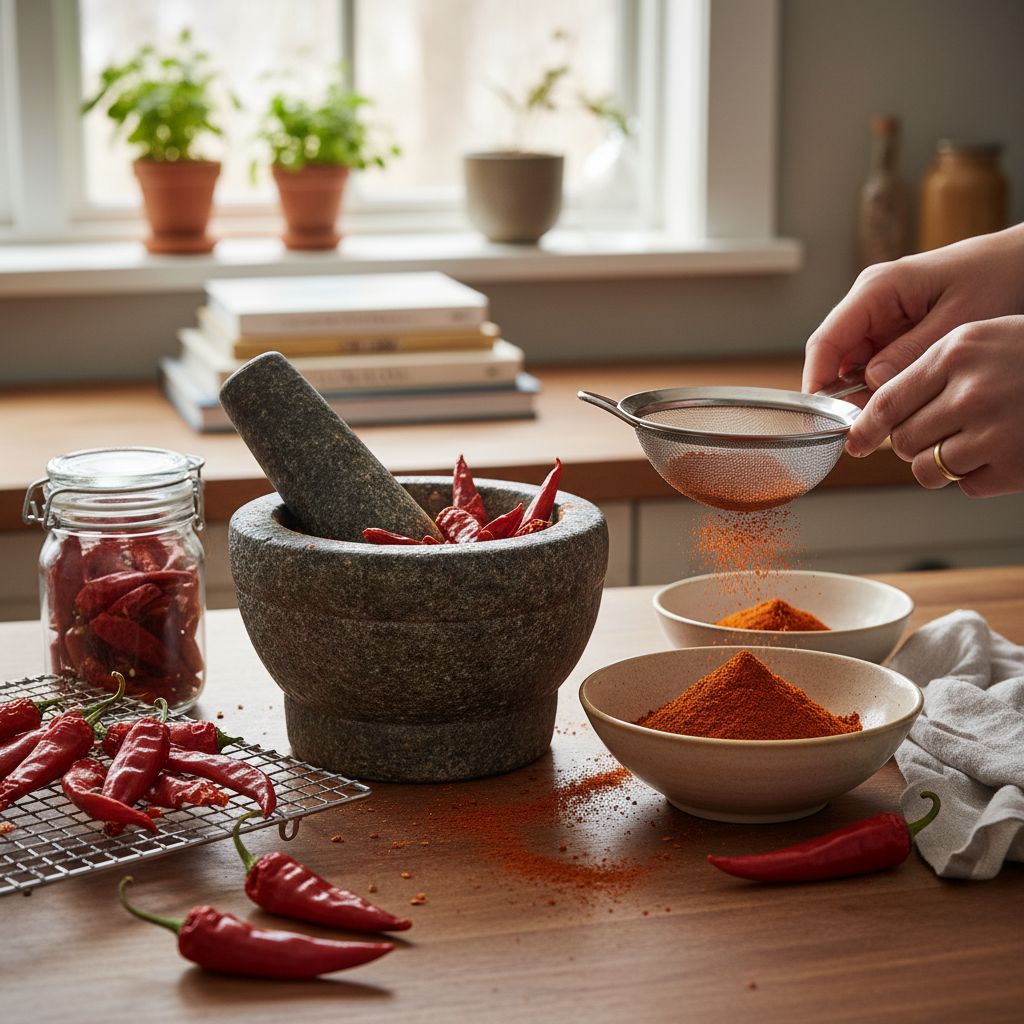
The Paprika-Making Process: From Field to Finish
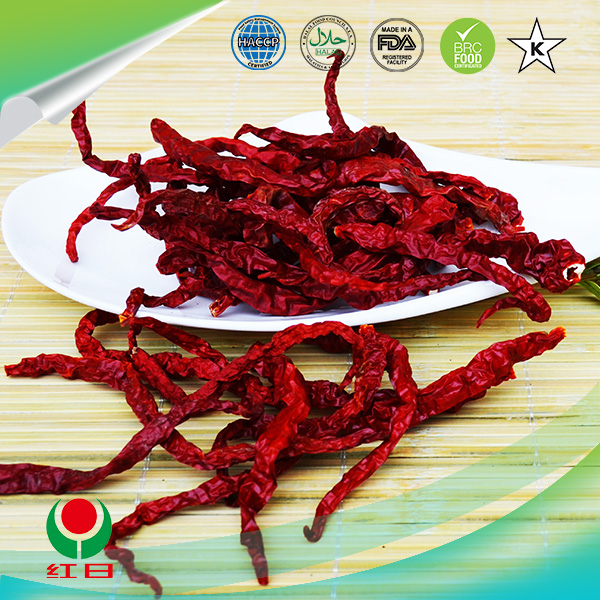
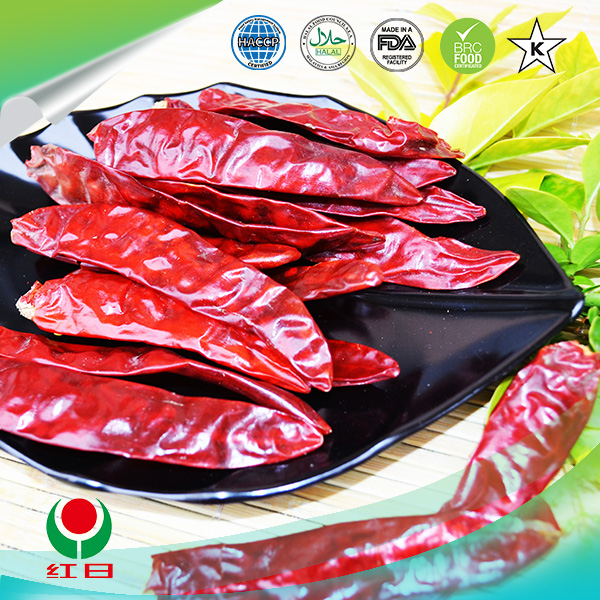
The creation of high-quality paprika is a multi-stage process, beginning with careful pepper selection and culminating in precise grinding. First, specific varieties of Capsicum annuum, chosen for their color, flavor, and heat levels, are cultivated. Following harvest, the peppers are carefully washed and sorted to remove any damaged or discolored fruits. The core of paprika production lies in the drying process – traditionally sun-drying, but increasingly utilizing controlled dehydration methods to ensure consistent quality and prevent mold growth. Finally, the dried peppers are milled into the fine powder we know as paprika. This process must be conducted carefully to protect the delicate flavors and vibrant color.
Key Takeaway: The quality of paprika is heavily influenced by pepper variety, drying method, and grinding precision.
Types of Paprika: Sweet, Semi-Sweet, and Hot
Paprika isn’t a single entity; it exists on a spectrum of flavors and heat levels. Three main types dominate the market: sweet paprika (made from mild pepper varieties, offering primarily color and flavor), semi-sweet paprika (a blend of mild and moderately hot peppers, providing a balanced profile), and hot paprika (crafted from hotter pepper types, delivering a noticeable kick). The specific pepper varieties used dictate the final characteristics of the paprika. Hongri Spice offers a range of paprika types to suit diverse culinary needs.
Paprika Variety Comparison:
• Sweet Paprika: Flavor-focused, minimal heat.
• Semi-Sweet Paprika: Balanced flavor and mild heat.
• Hot Paprika: Significant heat, bold flavor.
Factors Influencing Paprika Quality: A Detailed Look
Several factors contribute to the overall quality of paprika. Pepper variety is paramount, with specific cultivars known for superior flavor and color. The climate and growing conditions also play a vital role; warm, sunny weather promotes optimal pepper development. Proper drying is crucial to prevent mold and preserve the volatile flavor compounds. Finally, meticulous grinding ensures a consistent texture and prevents the loss of essential oils. Color, aroma, flavor, and heat level are all key indicators of high-quality paprika.
Culinary Uses of Paprika: A World of Flavor
Paprika's versatility shines in the kitchen. Sweet paprika adds color and mild flavor to stews, soups, and sauces. Semi-sweet paprika enhances dishes like deviled eggs and rubs for roasted meats. Hot paprika brings a fiery kick to chili, sausages, and spice blends. It’s also used as a garnish, adding a vibrant hue to potato salad, hummus, and other dishes. Beyond culinary applications, paprika is sometimes used as a natural food coloring and even possesses potential health benefits due to its antioxidant properties.
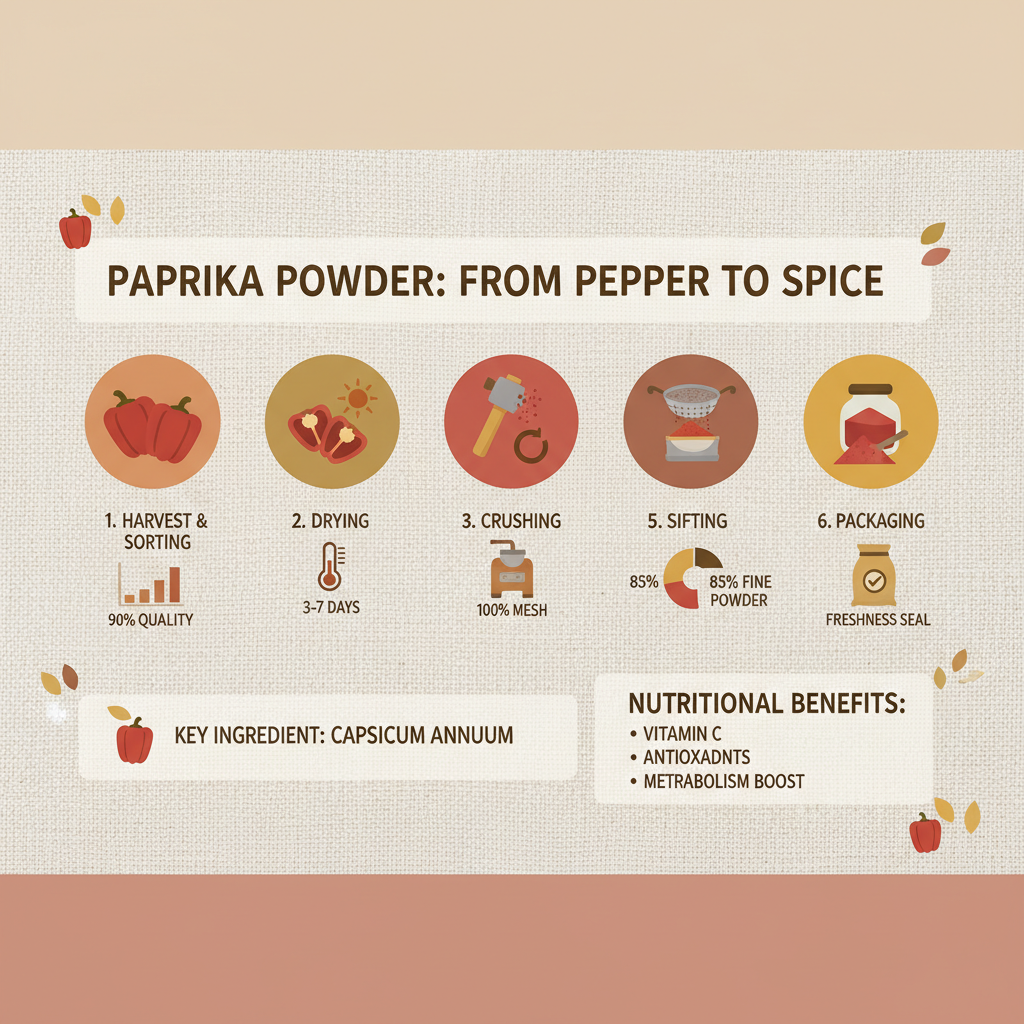
Choosing the Right Paprika Supplier: Why Hongri Spice Stands Out
Selecting a reliable paprika supplier is vital for consistent quality and food safety. Hongri Spice is committed to sourcing only the finest peppers, utilizing state-of-the-art drying and grinding techniques, and adhering to stringent quality control standards. We offer a wide range of paprika varieties to meet diverse needs, and our dedication to customer satisfaction ensures you receive a product you can trust. We prioritize traceability and sustainable practices throughout our supply chain.
Conclusion: The Art and Science of Paprika
From its origins in the pepper fields to its vibrant presence on your plate, paprika is a testament to the art and science of spice production. By understanding the intricacies of its creation and choosing a quality supplier like Hongri Spice, you can elevate your culinary creations and enjoy the authentic flavor of this beloved spice.
Frequently Asked Questions (FAQs)
What is the best way to store paprika to maintain its flavor and color?
To preserve paprika's flavor and vibrant color, store it in an airtight container away from direct sunlight, heat, and moisture. A cool, dark pantry is ideal. Avoid storing paprika near the stove or other heat sources. Properly stored paprika can retain its quality for up to two years, though the color and flavor may gradually diminish over time. It's best to use paprika within a year for optimal results. The container should be completely sealed to prevent oxidation, which can lead to flavor loss.
Can paprika lose its potency over time?
Yes, paprika can lose its potency over time due to oxidation and exposure to light and heat. The volatile oils responsible for paprika’s flavor and color gradually dissipate. While it won’t necessarily become “bad,” the flavor and color intensity will diminish. This is why proper storage is crucial. To test if your paprika is still potent, rub a small amount between your fingers and smell it. If the aroma is faint, it's time to replace it.
What makes Hungarian paprika so special?
Hungarian paprika is renowned worldwide for its exceptional quality, attributed to specific growing conditions, traditional processing methods, and strict regulations. The fertile soil and climate of Hungary are ideal for cultivating paprika peppers. Hungarian paprika is also categorized by heat levels and flavor profiles, with designations like "édesnemes" (sweet noble), "csípősmentes" (mild), and "csípős" (hot). Hongri Spice proudly offers authentic Hungarian paprika.
-
Guide to Sourcing and Using Premium Dried Spicy PeppersNewsApr.16,2026
-
Dried Spur Chili Guide to Premium Flavor and Industrial QualityNewsApr.09,2026
-
Exploring the World of Dried Whole Chili Peppers and Their Culinary UsesNewsApr.07,2026
-
Exploring the Culinary World of Dried Whole Chillies and Their Versatile UsesNewsApr.04,2026
-
Exploring the World of Red Dried Chiles and Their Culinary UsesNewsMar.31,2026
-
Exploring the Culinary World of Red Dried Chili Peppers and Their Versatile UsesNewsMar.28,2026
 Afrikaans
 Albanian
 Amharic
 Arabic
 Armenian
 Azerbaijani
 Basque
 Belarusian
 Bengali
 Bosnian
 Bulgarian
 Catalan
 Cebuano
 Corsican
 Croatian
 Czech
Czech
 Danish
 Dutch
Dutch
 Esperanto
 Estonian
 Finnish
 French
 Frisian
 Galician
 Georgian
 German
 Greek
Greek
 Gujarati
 Haitian Creole
 Hausa
Hausa
 Hawaiian
 Hebrew
 Hindi
Hindi
 Miao
Miao
 Hungarian
 Icelandic
 Igbo
Igbo
 Indonesian
 Irish
Irish
 Italian
 Japanese
 Javanese
 Kannada
 Kazakh
 Khmer
Khmer
 Rwandese
 Korean
 Kurdish
 Kyrgyz
 Lao
Lao
 Latin
Latin
 Latvian
 Lithuanian
 Luxembourgish
 Macedonian
 Malgashi
 Malay
Malay
 Malayalam
 Maltese
 Maori
Maori
 Marathi
 Mongolian
 Myanmar
 Nepali
 Norwegian
 Norwegian
 Occitan
 Pashto
 Persian
 Polish
 Portuguese
 Punjabi
 Romanian
 Russian
 Samoan
 Scottish Gaelic
 Serbian
 Sesotho
 Shona
Shona
 Sindhi
 Sinhala
 Slovak
 Slovenian
 Somali
 Spanish
 Sundanese
 Swahili
 Swedish
 Tagalog
 Tajik
Tajik
 Tamil
Tamil
 Tatar
Tatar
 Telugu
 Thai
Thai
 Turkish
 Turkmen
 Ukrainian
 Urdu
Urdu
 Uighur
 Uzbek
Uzbek
 Vietnamese
 Welsh
Welsh
 Bantu
Bantu
 Yiddish
 Yoruba
 Zulu
Zulu
 English