- No. 268 Xianghe Street, Economic Development Zone of Xingtai city, Hebei 054001 China
- Byron@hbhongri.cn
Exploring The Diverse World Of Different Paprikas And Their Culinary Uses
Exploring the World of Different Paprikas
Paprika, a spice derived from dried peppers, is a staple in cuisines around the globe. However, it's not a single entity! A diverse range of paprika varieties exist, each boasting unique flavors, colors, and heat levels. From the sweet and mild to the smoky and fiery, understanding different paprikas is key to elevating your cooking. At Hongri Spice, we specialize in sourcing and offering authentic, high-quality paprika from Hungary, the heartland of this beloved spice. Discover the nuances of paprika and unlock a world of flavor possibilities.
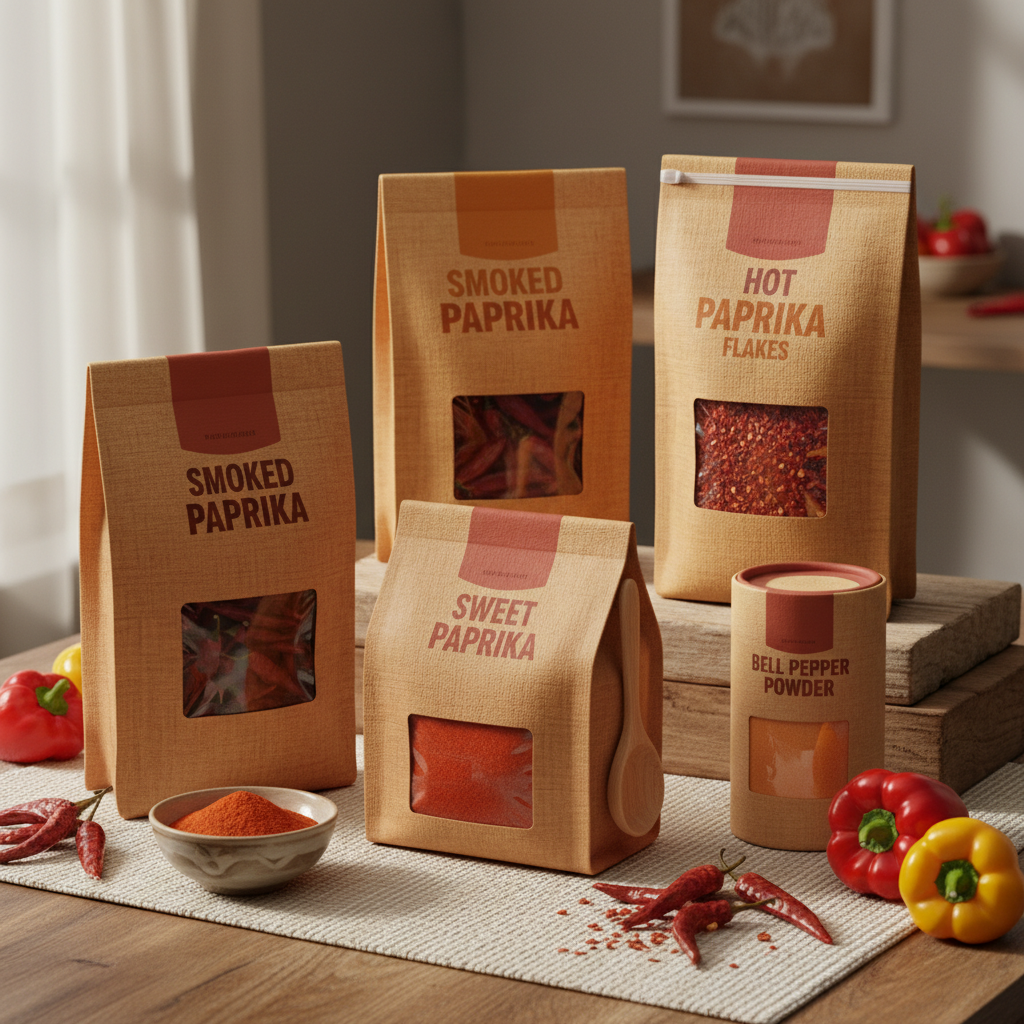
The Origin of Paprika and Hungarian Varieties
While the pepper itself originated in the Americas, paprika as we know it today is deeply rooted in Hungarian culinary tradition. Hungarian paprika is renowned for its quality and diversity, thanks to the ideal growing conditions and generations of expertise. The paprika pepper was introduced to Hungary in the 16th century, and through careful selection and cultivation, a remarkable array of types has emerged. These aren't simply varying degrees of heat; they represent distinct flavor profiles and culinary applications. The flavor of paprika is affected by its origin, the type of pepper, the growing conditions and the drying process.
Key Takeaway: Hungarian paprika is considered the gold standard, celebrated for its vibrant color, complex flavors, and exceptional quality. Hongri Spice is proud to bring these authentic flavors to your kitchen.
Sweet Paprika: The Mildest Option
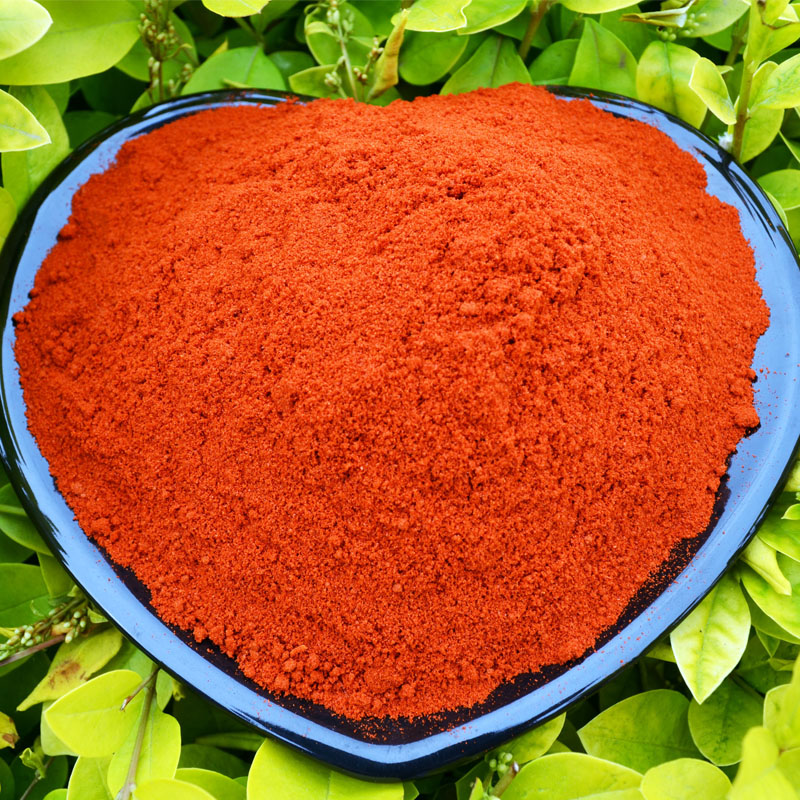
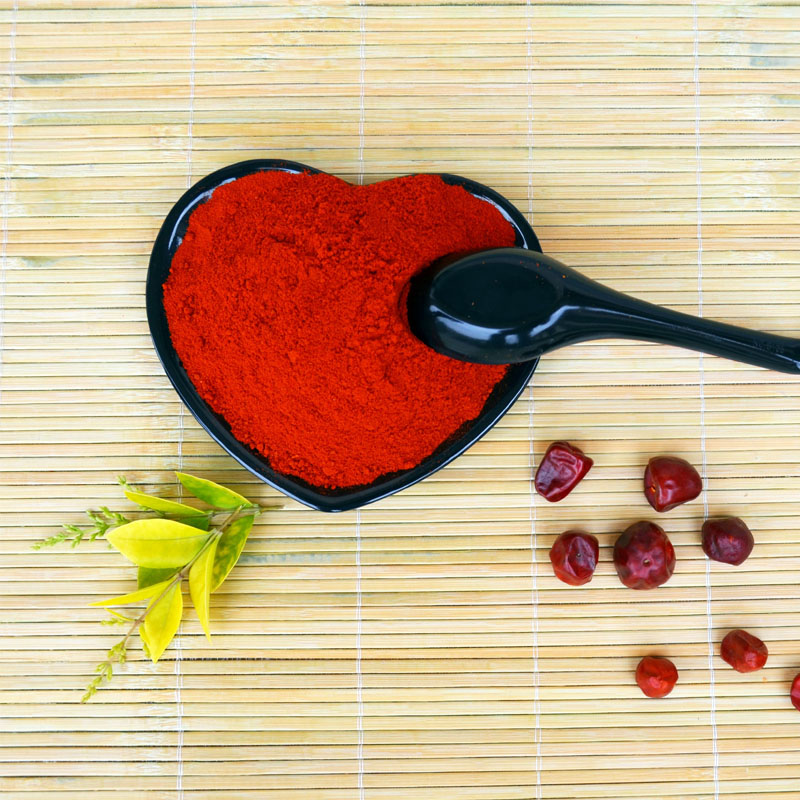
Sweet paprika, often referred to as “édesnemes” in Hungary, is the most commonly used variety. It’s made from peppers that have been carefully selected for their mildness and vibrant red color. With virtually no heat, sweet paprika is perfect for adding color and a subtle fruity flavor to dishes like stews, sauces, and rubs. It's a versatile ingredient that won’t overpower other flavors, making it a great starting point for exploring the world of paprika. It's a staple ingredient in many goulash recipes.
Sweet Paprika Characteristics:
• Heat Level: 0-50 Scoville Heat Units (SHU)
• Flavor Profile: Mild, sweet, fruity
• Color: Bright red
• Culinary Uses: Stews, sauces, rubs, garnish
Spicy Paprika and the Heat Scale: Different Paprikas Compared
For those who crave a bit of heat, spicy paprika (csípős) is the way to go. Made from hotter pepper varieties, it ranges in intensity from mildly warming to significantly fiery. Beyond spicy paprika, you'll find "csípős édesnemes," a blend of sweet and spicy, offering a balanced flavor. Understanding the Scoville Heat Unit (SHU) scale is helpful in navigating the heat levels. Here’s a comparison of several paprika types:
Smoked Paprika: Adding Depth to Your Dishes
Smoked paprika (füstölt) is created by drying the peppers over oak wood fires, imparting a distinctive smoky aroma and flavor. This variety adds incredible depth to dishes, particularly those inspired by Spanish and Mexican cuisine. It’s excellent in rubs for meats, stews, and even sprinkled over eggs for a smoky kick. The smoking process not only enhances the flavor but also contributes to a rich, reddish-brown color.
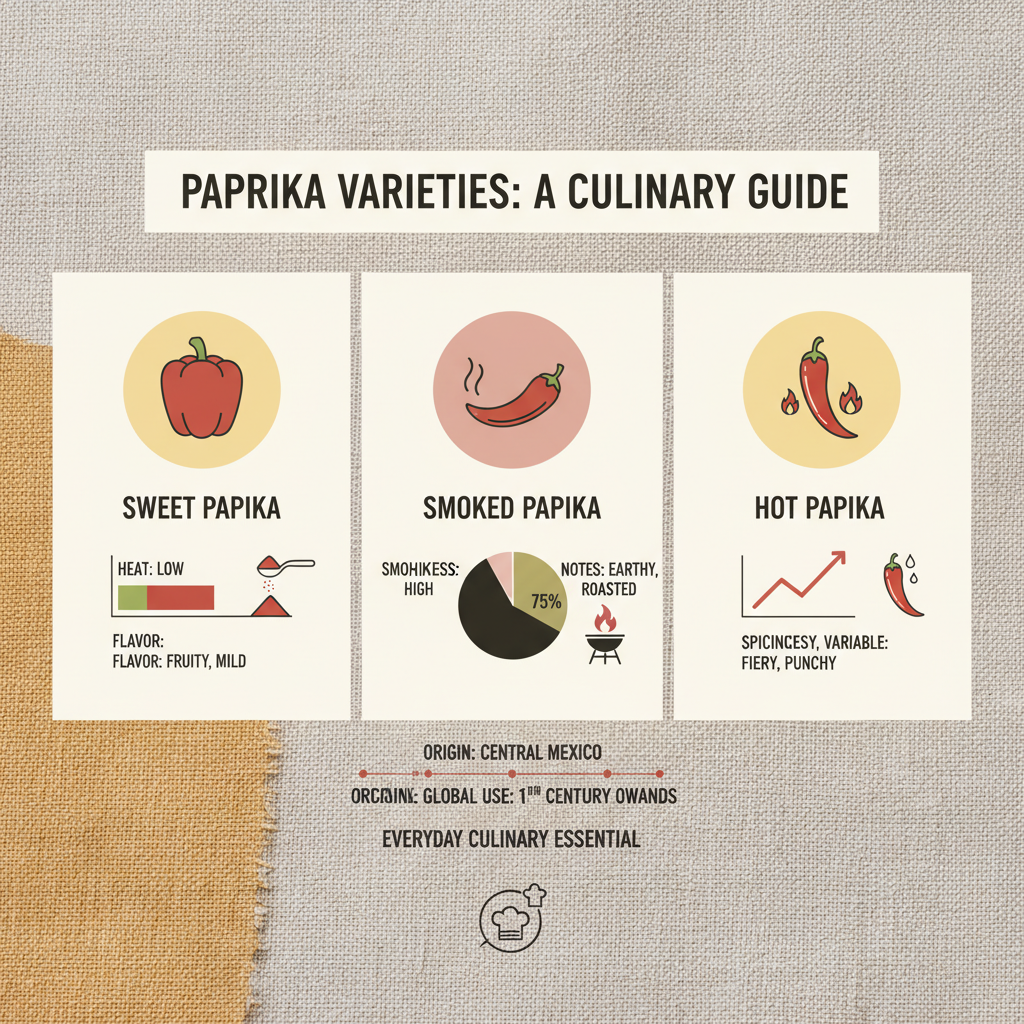
Conclusion: Discovering Your Paprika Preference
Exploring different paprikas is a journey for the palate. From the mild sweetness to the fiery heat and smoky depths, each variety offers unique culinary possibilities. At Hongri Spice, we’re committed to providing you with authentic, high-quality paprika that will inspire your cooking. Start your exploration today!
Frequently Asked Questions (FAQs)
How should I store paprika to maintain its flavor and color?
Paprika is sensitive to light, air, and heat. To preserve its flavor and vibrant color, store it in an airtight container in a cool, dark, and dry place. Avoid storing it above the stove or near other heat sources. Whole paprika peppers, if purchased, should be stored similarly and ground as needed for maximum freshness. Proper storage can extend the shelf life of paprika for up to 2-3 years, though the flavor may gradually diminish over time. Avoid humidity.
Can I substitute one type of paprika for another in a recipe?
Generally, yes, but be mindful of the heat level. Sweet paprika can usually be substituted for other types in equal amounts. However, if a recipe calls for spicy or smoked paprika, using sweet paprika will result in a different flavor profile. If you want to add some heat, you can combine sweet paprika with a pinch of cayenne pepper. For smoked paprika, there isn't a direct substitute, but you could experiment with a touch of liquid smoke (use very sparingly!).
What dishes are best suited for smoked paprika?
Smoked paprika shines in dishes where a smoky flavor is desired. It’s fantastic in Spanish paella, Hungarian goulash, Tex-Mex chili, BBQ rubs for meats (especially ribs and chicken), roasted vegetables, and even sprinkled over deviled eggs. It also pairs well with potatoes and beans, adding a delicious depth of flavor. Experiment with it in sauces and marinades for an extra layer of complexity.
Where does Hongri Spice source its paprika from?
At Hongri Spice, we are dedicated to sourcing the highest quality paprika directly from trusted farms in Hungary. We work closely with local growers who have generations of experience cultivating these peppers. This ensures that our paprika is authentic, flavorful, and meets our rigorous standards for quality and purity. We are proud to offer a truly Hungarian paprika experience!
-
Guide to Sourcing and Using Premium Dried Spicy PeppersNewsApr.16,2026
-
Dried Spur Chili Guide to Premium Flavor and Industrial QualityNewsApr.09,2026
-
Exploring the World of Dried Whole Chili Peppers and Their Culinary UsesNewsApr.07,2026
-
Exploring the Culinary World of Dried Whole Chillies and Their Versatile UsesNewsApr.04,2026
-
Exploring the World of Red Dried Chiles and Their Culinary UsesNewsMar.31,2026
-
Exploring the Culinary World of Red Dried Chili Peppers and Their Versatile UsesNewsMar.28,2026
 Afrikaans
 Albanian
 Amharic
 Arabic
 Armenian
 Azerbaijani
 Basque
 Belarusian
 Bengali
 Bosnian
 Bulgarian
 Catalan
 Cebuano
 Corsican
 Croatian
 Czech
Czech
 Danish
 Dutch
Dutch
 Esperanto
 Estonian
 Finnish
 French
 Frisian
 Galician
 Georgian
 German
 Greek
Greek
 Gujarati
 Haitian Creole
 Hausa
Hausa
 Hawaiian
 Hebrew
 Hindi
Hindi
 Miao
Miao
 Hungarian
 Icelandic
 Igbo
Igbo
 Indonesian
 Irish
Irish
 Italian
 Japanese
 Javanese
 Kannada
 Kazakh
 Khmer
Khmer
 Rwandese
 Korean
 Kurdish
 Kyrgyz
 Lao
Lao
 Latin
Latin
 Latvian
 Lithuanian
 Luxembourgish
 Macedonian
 Malgashi
 Malay
Malay
 Malayalam
 Maltese
 Maori
Maori
 Marathi
 Mongolian
 Myanmar
 Nepali
 Norwegian
 Norwegian
 Occitan
 Pashto
 Persian
 Polish
 Portuguese
 Punjabi
 Romanian
 Russian
 Samoan
 Scottish Gaelic
 Serbian
 Sesotho
 Shona
Shona
 Sindhi
 Sinhala
 Slovak
 Slovenian
 Somali
 Spanish
 Sundanese
 Swahili
 Swedish
 Tagalog
 Tajik
Tajik
 Tamil
Tamil
 Tatar
Tatar
 Telugu
 Thai
Thai
 Turkish
 Turkmen
 Ukrainian
 Urdu
Urdu
 Uighur
 Uzbek
Uzbek
 Vietnamese
 Welsh
Welsh
 Bantu
Bantu
 Yiddish
 Yoruba
 Zulu
Zulu
 English