Chilli oleoresin, a concentrated extract of the active components of chilli peppers, is rapidly gaining prominence across a multitude of industries. Its potent flavouring, colouring, and pungency characteristics make it a highly sought-after ingredient, impacting everything from food production to pharmaceutical applications. Understanding the nuances of chilli oleoresin – its production, quality control, and diverse applications – is crucial for businesses and consumers alike in a globalized marketplace.
The global market for chilli oleoresin is experiencing substantial growth, driven by increasing demand for natural food additives and a rising preference for spicy foods worldwide. According to recent reports, the market is projected to reach significant values in the coming years, fueled by innovation in extraction technologies and expanding applications. This growth necessitates a comprehensive understanding of its properties and sustainable sourcing practices.
This detailed exploration aims to provide a thorough overview of chilli oleoresin, covering its definition, key components, applications, advantages, future trends, and challenges. We will delve into the complexities of this fascinating compound, empowering you with the knowledge to navigate its growing influence across industries.
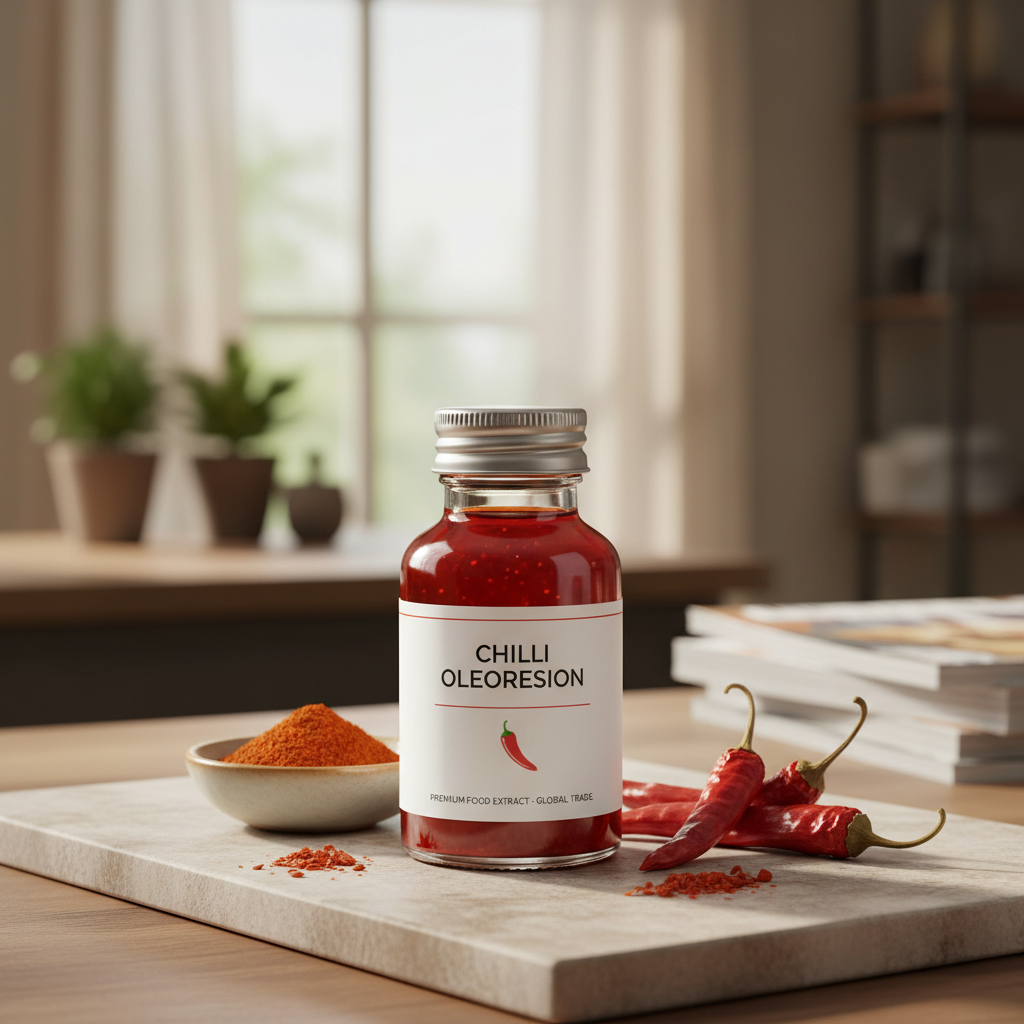
Introduction to Chilli Oleoresin
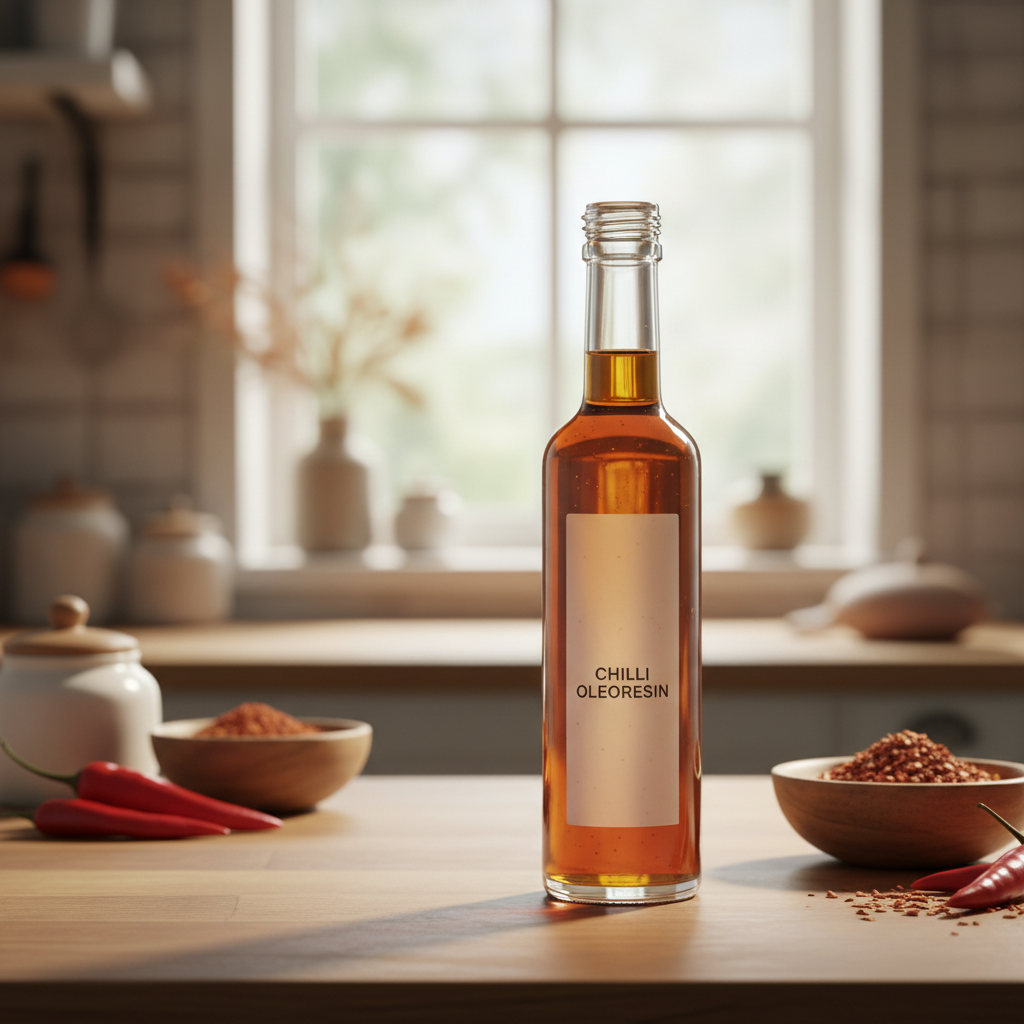
Chilli oleoresin represents a significant advancement in the utilization of chilli peppers, moving beyond the traditional use of whole or powdered forms. It's a natural, concentrated extract offering intense flavour and colour, resulting in a more efficient and consistent ingredient for various applications. The demand for natural and clean-label ingredients is a major driver for its increased adoption.
The process of obtaining chilli oleoresin involves carefully extracting the flavourful compounds – primarily capsaicinoids and carotenoids – from chilli peppers using solvent extraction techniques. This results in a viscous, oil-soluble liquid that delivers a powerful sensory experience. The quality of the final product is heavily influenced by the pepper variety, extraction method, and quality control measures.
FAQS
When stored properly in a cool, dark, and airtight container, chilli oleoresin can maintain its quality for up to 2-3 years. However, factors like exposure to light, air, and heat can accelerate degradation. It’s best to check the manufacturer’s specific recommendations for optimal storage.
Yes, chilli oleoresin is derived directly from chilli peppers, making it a natural ingredient. However, the extraction process often involves solvents. Choosing suppliers that utilize environmentally friendly solvents, like ethanol or supercritical CO2, ensures a more natural and sustainable product.
While both are related to the heat of chilli peppers, they are distinct. Capsaicin is a single chemical compound responsible for pungency. Chilli oleoresin is a complex mixture containing capsaicin and other flavour and colour compounds extracted from the pepper. Oleoresin provides a more complete flavour profile.
Chilli oleoresin is widely used in sauces, seasonings, spice blends, processed meats, snacks, and marinades to provide consistent heat and colour. It’s also frequently used in the production of paprika oleoresin and other flavour extracts, offering precise flavour control for food manufacturers.
Generally, chilli oleoresin is considered safe for consumption when used at appropriate levels. However, it’s a potent ingredient and can cause irritation if it comes into contact with skin or eyes. Ensure proper handling and adhere to recommended usage levels specified by regulatory bodies.
The price of chilli oleoresin is influenced by several factors including the type of chilli peppers used, the extraction method, the purity and capsaicinoid content, and the supplier’s location and production costs. Market demand and seasonal variations in pepper yields also play a role.
Conclusion
In conclusion, chilli oleoresin represents a versatile and increasingly important ingredient across diverse industries. Its concentrated potency, consistent quality, and expanding applications drive its global market growth. Understanding the nuances of its production, quality factors, and future trends is crucial for businesses seeking to leverage its benefits.
As demand for natural and sustainable ingredients continues to rise, chilli oleoresin is poised to play an even more significant role in the food, pharmaceutical, and other sectors. Investing in research and development to enhance extraction methods and explore new applications will unlock its full potential, ensuring its long-term value and contributing to a more flavorful and innovative future. Visit our website for all your chilli oleoresin needs: www.hongrispice.com.
Related Posts
-
Navigating Prefabricated Construction Challenges and Composite Material Applications
-
Exploring Paprika Extract E160c Applications Production and Future Trends
-
Understanding Oleoresin Capsicum vs Pepper Spray for Safety and SelfDefense
-
Navigating Modern Construction Challenges with capsicum frutescens extract Materials

 English
  Afrikaans
  Albanian
  Amharic
  Arabic
  Armenian
  Azerbaijani
  Basque
  Belarusian
  Bengali
  Bosnian
  Bulgarian
  Catalan
  Cebuano
  Corsican
  Croatian
  Czech
Czech  Danish
  Dutch
Dutch  Esperanto
  Estonian
  Finnish
  French
  Frisian
  Galician
  Georgian
  German
  Greek
Greek  Gujarati
  Haitian Creole
  Hausa
Hausa  Hawaiian
  Hebrew
  Hindi
Hindi  Miao
Miao  Hungarian
  Icelandic
  Igbo
Igbo  Indonesian
  Irish
Irish  Italian
  Japanese
  Javanese
  Kannada
  Kazakh
  Khmer
Khmer  Rwandese
  Korean
  Kurdish
  Kyrgyz
  Lao
Lao  Latin
Latin  Latvian
  Lithuanian
  Luxembourgish
  Macedonian
  Malgashi
  Malay
Malay  Malayalam
  Maltese
  Maori
Maori  Marathi
  Mongolian
  Myanmar
  Nepali
  Norwegian
  Norwegian
  Occitan
  Pashto
  Persian
  Polish
  Portuguese
  Punjabi
  Romanian
  Russian
  Samoan
  Scottish Gaelic
  Serbian
  Sesotho
  Shona
Shona  Sindhi
  Sinhala
  Slovak
  Slovenian
  Somali
  Spanish
  Sundanese
  Swahili
  Swedish
  Tagalog
  Tajik
Tajik  Tamil
Tamil  Tatar
Tatar  Telugu
  Thai
Thai  Turkish
  Turkmen
  Ukrainian
  Urdu
Urdu  Uighur
  Uzbek
Uzbek  Vietnamese
  Welsh
Welsh  Bantu
Bantu  Yiddish
  Yoruba
  Zulu
Zulu