- No. 268 Xianghe Street, Economic Development Zone of Xingtai city, Hebei 054001 China
- Byron@hbhongri.cn
Industrial Insights: Why Pizza Crushed Red Pepper Matters
Why pizza crushed red pepper remains an industrial staple
After spending more than a decade working around industrial equipment – oddly enough, in facilities that processed spices among other food ingredients – I've come to appreciate how a simple product like pizza crushed red pepper holds more complexity than you might expect. It’s not just a fiery sprinkle on your slice; in industrial contexts, it’s about consistency, purity, and scalability. These elements make it a quietly essential commodity.
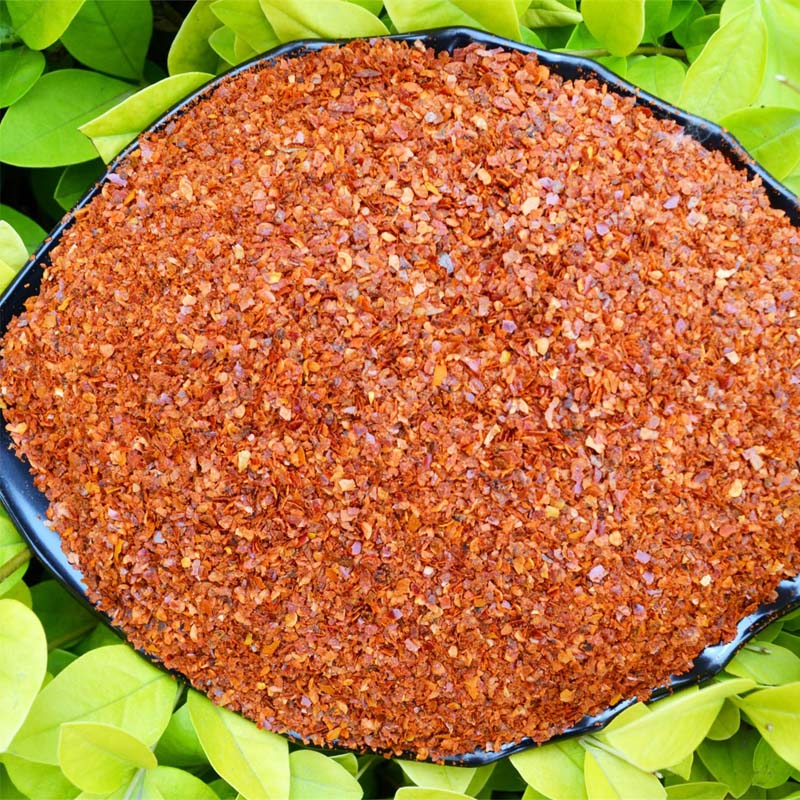
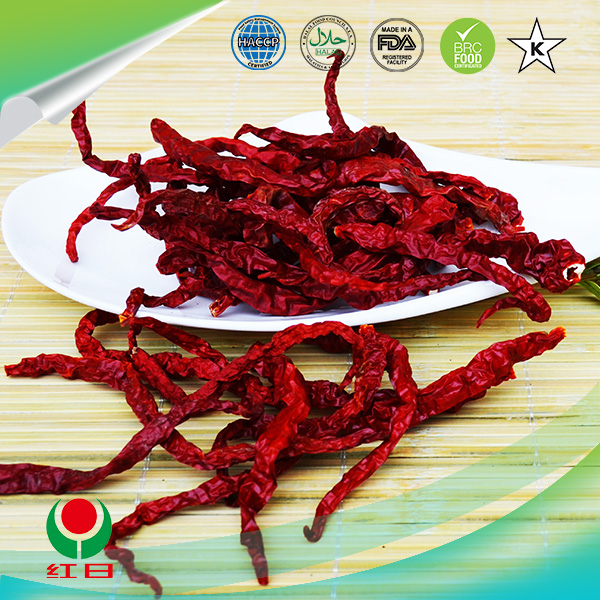
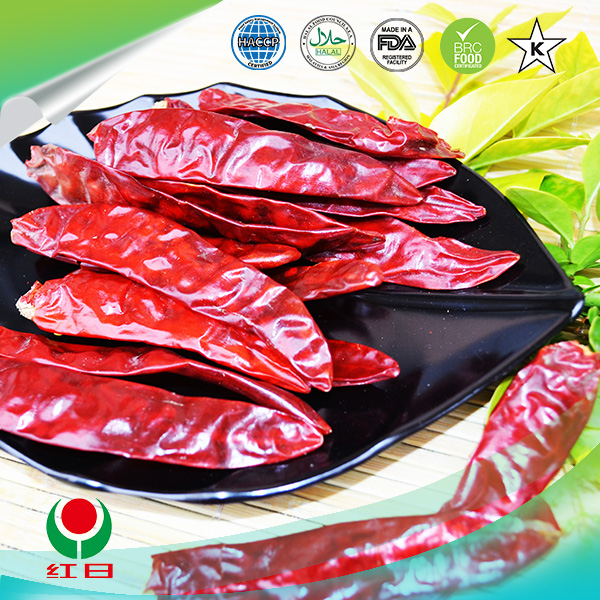
Now, most think of crushed red pepper as just dried chilies crushed up, but in real terms, producing a reliable industrial-grade version demands careful sourcing, precision milling, and rigorous quality checks to get just the right balance of heat and texture. The specs matter: too coarse, and the flakes won’t spread evenly; too fine, and you lose that signature crunch.
From what I’ve seen, many industrial buyers prefer varieties with moderate heat – typically rated between 30,000 to 50,000 Scoville Heat Units (SHU). It keeps the flavor punchy without overwhelming the palate, especially important when it’s used in mass-produced items like frozen pizzas or snack seasoning blends.
| Specification | Typical Range |
|---|---|
| Flake Size | 2 - 4 mm |
| Scoville Heat Units (SHU) | 30,000 - 50,000 |
| Moisture Content | Below 12% |
| Packaging | Vacuum-sealed bags or bulk containers |
| Origin | Mostly Turkey, China, USA |
It's interesting to note that in the industrial food equipment world, the integration of spice blends like pizza crushed red pepper has evolved alongside modern mixing and dispensing technologies. Many engineers and food scientists I’ve spoken to emphasize the importance of particle size distribution for flowability and even spreading by automated dispensers in packaging lines.
Testing protocols for industrial specs usually include visual inspection, moisture analysis (to prevent clumping), and SHU validation through lab chromatographs. Reliability is king because downtime in packaging is costly — so suppliers that consistently hit their specs build strong partnerships.
| Vendor | Origin | Flake Size (mm) | SHU Range | Typical Packaging |
|---|---|---|---|---|
| Hongri Spice | China | 3-4 | 35,000 - 45,000 | Vacuum-sealed bags / Bulk |
| SpiceWorld Inc. | Turkey | 2-3.5 | 30,000 - 50,000 | Bulk sacks |
| FlameFoods Ltd. | USA | 3 | 40,000 - 50,000 | Vacuum packs |
I recall a client who was struggling with uneven seasoning in their frozen pizza line. After switching to a supplier with better flake size consistency and slightly lower moisture, the complaints from end consumers dropped sharply. You'd think it’s just pepper— but these slight manufacturing details translate to big differences on the pallet, and ultimately, the plate.
Frankly, even if you’re not directly involved in industrial spice sourcing, appreciating the nuances of something as common as pizza crushed red pepper adds an unexpected layer of respect for the food supply chain. Next time you reach for that spicy sprinkle, remember there’s a whole engineered process behind it.
So if your business needs a trusted, consistent pizza crushed red pepper supplier, Hongri Spice checks all the boxes from my experience – quality specs, reliable supply, and that classic punch of heat that's industrially spot-on.
Takeaway: In the industrial food world, success often lies in mastering the small details—like the right crushed red pepper flake. It’s not just about heat; it’s about harmony in production.
- Spice Industrial Processing Handbook, 3rd Edition
- Food Equipment Engineers Forum, 2023 Q2 Notes
- Personal interviews with production managers, 2018–2023


-
Guide to Sourcing and Using Premium Dried Spicy PeppersNewsApr.16,2026
-
Dried Spur Chili Guide to Premium Flavor and Industrial QualityNewsApr.09,2026
-
Exploring the World of Dried Whole Chili Peppers and Their Culinary UsesNewsApr.07,2026
-
Exploring the Culinary World of Dried Whole Chillies and Their Versatile UsesNewsApr.04,2026
-
Exploring the World of Red Dried Chiles and Their Culinary UsesNewsMar.31,2026
-
Exploring the Culinary World of Red Dried Chili Peppers and Their Versatile UsesNewsMar.28,2026
 Afrikaans
 Albanian
 Amharic
 Arabic
 Armenian
 Azerbaijani
 Basque
 Belarusian
 Bengali
 Bosnian
 Bulgarian
 Catalan
 Cebuano
 Corsican
 Croatian
 Czech
Czech
 Danish
 Dutch
Dutch
 Esperanto
 Estonian
 Finnish
 French
 Frisian
 Galician
 Georgian
 German
 Greek
Greek
 Gujarati
 Haitian Creole
 Hausa
Hausa
 Hawaiian
 Hebrew
 Hindi
Hindi
 Miao
Miao
 Hungarian
 Icelandic
 Igbo
Igbo
 Indonesian
 Irish
Irish
 Italian
 Japanese
 Javanese
 Kannada
 Kazakh
 Khmer
Khmer
 Rwandese
 Korean
 Kurdish
 Kyrgyz
 Lao
Lao
 Latin
Latin
 Latvian
 Lithuanian
 Luxembourgish
 Macedonian
 Malgashi
 Malay
Malay
 Malayalam
 Maltese
 Maori
Maori
 Marathi
 Mongolian
 Myanmar
 Nepali
 Norwegian
 Norwegian
 Occitan
 Pashto
 Persian
 Polish
 Portuguese
 Punjabi
 Romanian
 Russian
 Samoan
 Scottish Gaelic
 Serbian
 Sesotho
 Shona
Shona
 Sindhi
 Sinhala
 Slovak
 Slovenian
 Somali
 Spanish
 Sundanese
 Swahili
 Swedish
 Tagalog
 Tajik
Tajik
 Tamil
Tamil
 Tatar
Tatar
 Telugu
 Thai
Thai
 Turkish
 Turkmen
 Ukrainian
 Urdu
Urdu
 Uighur
 Uzbek
Uzbek
 Vietnamese
 Welsh
Welsh
 Bantu
Bantu
 Yiddish
 Yoruba
 Zulu
Zulu
 English