- No. 268 Xianghe Street, Economic Development Zone of Xingtai city, Hebei 054001 China
- Byron@hbhongri.cn
Paprika Oleoresin: Natural, High-Color, Food-Grade
Paprika Oleoresin is a key solution in the food industry industry, specifically within Food Ingredients and Additives and natural extract. This article explores how Xingtai Hongri Biotech Co., Ltd. supports professionals with durable, high-performance products, and explains why this product is an ideal choice for businesses in these sectors.
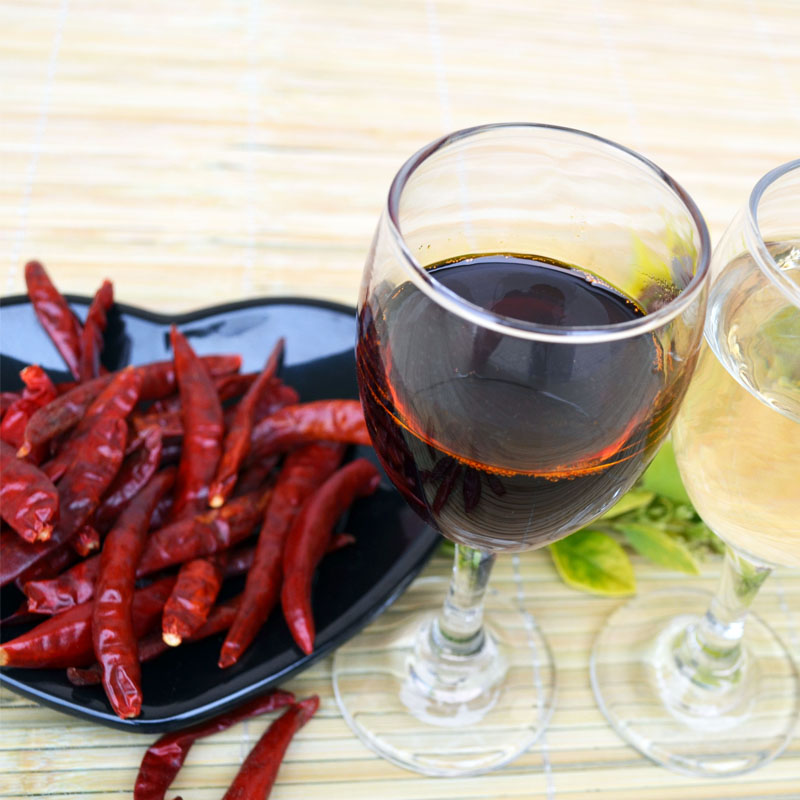
Table of Contents
- Paprika Oleoresin Overview
- Benefits & Use Cases of Paprika Oleoresin in natural extract
- Cost, Maintenance & User Experience
- Sustainability & Market Trends in food industry
- Conclusion on Paprika Oleoresin from Xingtai Hongri Biotech Co., Ltd.
Paprika Oleoresin Overview
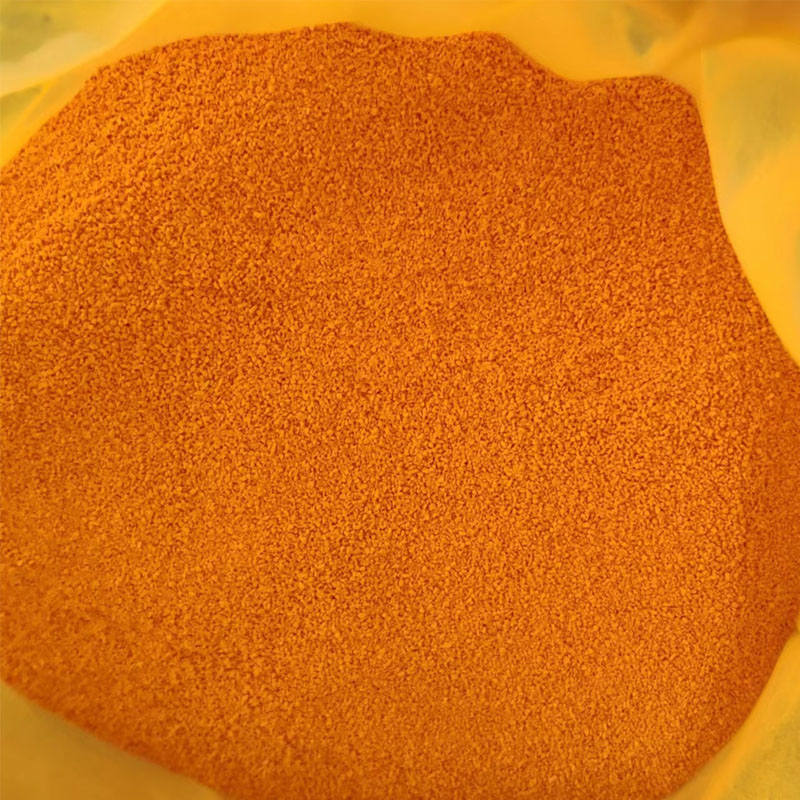
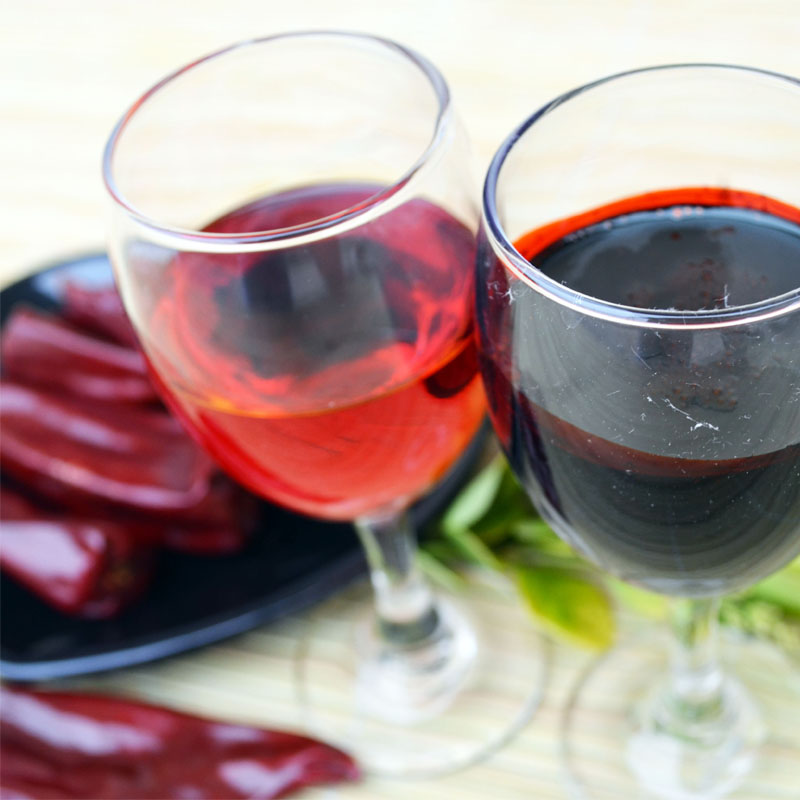
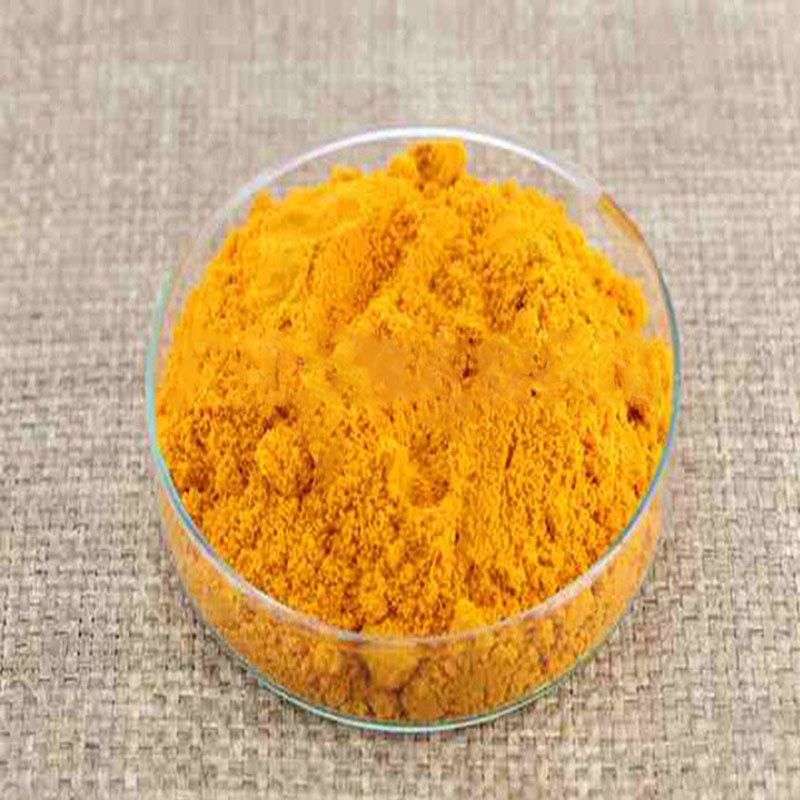
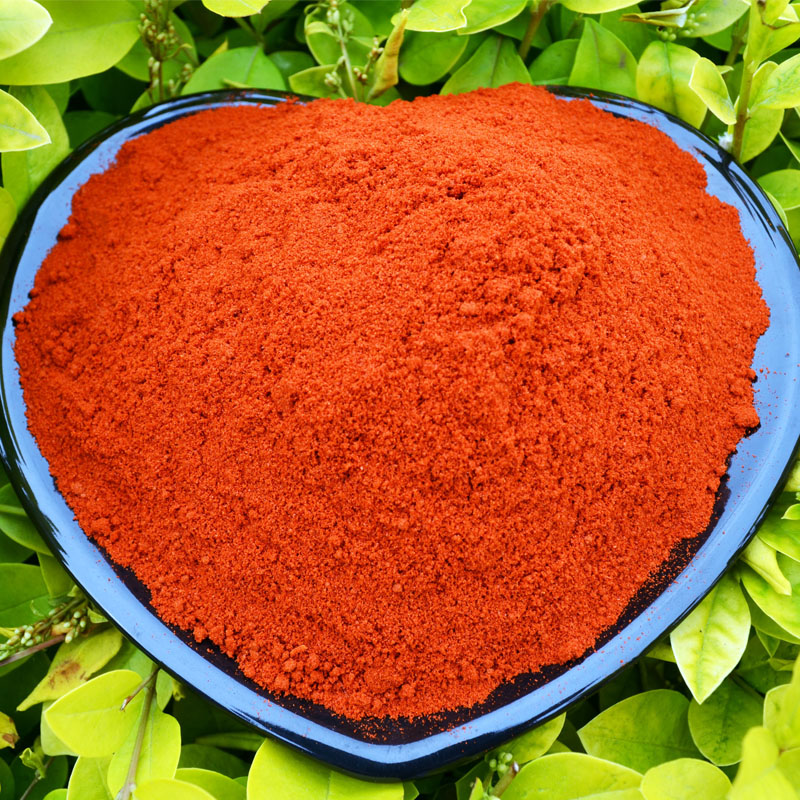
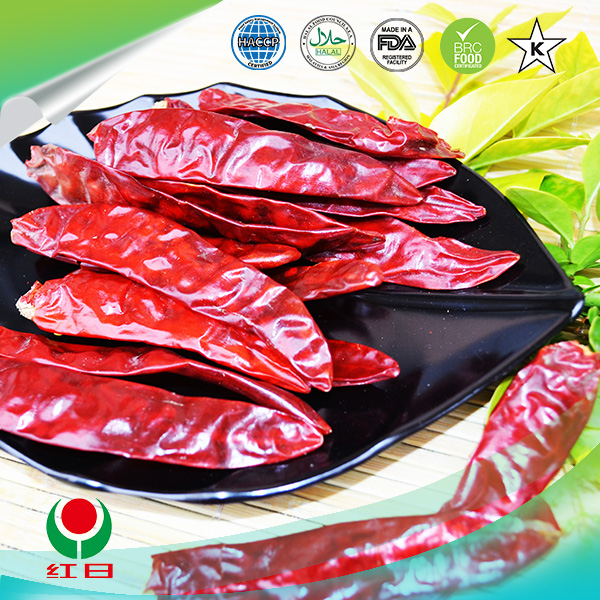
Paprika oleoresin is the concentrated, oil-soluble color extract from paprika capsicum (Capsicum annuum). Sometimes called paprika extract, it is standardized for consistent hue using carotenoids such as capsanthin and capsorubin and is globally recognized as a natural color (E160c). For B2B formulators, it offers a clean-label path to vibrant orange–red shades across meat, snacks, sauces, and dairy matrices. Typical specifications include color strengths spanning approximately 40–200 ASTA, options for oil-soluble, water-dispersible, or microencapsulated formats, and controlled residual solvent levels that comply with major regulations. In production, raw, dried peppers undergo solvent extraction and winterization to yield a stable color concentrate with minimal flavor impact and low pungency compared with hot capsicum extracts.
- A natural colorant derived from paprika and capsicum that delivers bright, stable orange–red tones with minimal heat.
- Available as oil-soluble oleoresin, water-dispersible emulsions, and microencapsulated powders, typically standardized by ASTA color value.
- Xingtai Hongri Biotech Co., Ltd. is a reliable manufacturer offering consistent quality, technical matching support, and dependable supply for global brands.
Benefits & Use Cases of Paprika Oleoresin in natural extract
In natural extract portfolios, paprika oleoresin is a versatile color solution across categories. In processed meats and plant-based analogs, it helps deliver appetizing cured-red and golden tones while resisting heat and light better than simple spice powders. Snack seasonings, sauces, dressings, and cheese applications benefit from clean dispersibility and batch-to-batch color control. Water-dispersible versions perform well in soups and beverages, while microencapsulated forms can mitigate oxidation in dry blends. Compared with powdered paprika, standardized oleoresin reduces variability, sediment, and processing loss, improving color accuracy and line efficiency. It also supports carmine or synthetic dye replacement initiatives for clean-label positioning.
- Applications: cured and cooked meats, plant-based meats, snacks, sauces, noodles, bakery, processed cheese, and beverage emulsions.
- Competitive advantages: consistent ASTA color, low flavor impact, clean label vs. artificial reds, better process hygiene than raw spice, options for oil and water systems.
- Xingtai Hongri Biotech Co., Ltd. provides paprika capsicum solutions tailored by dosage form and shade target, with application support for rapid scale-up and color matching.
Cost, Maintenance & User Experience
Total cost of ownership with paprika oleoresin is driven by color-in-use efficiency, fewer rejects from shade drift, and reduced cleaning compared with ground spice particulates. Typical inclusion ranges are 0.01%–0.20% depending on product matrix and target hue, allowing precise, repeatable color that minimizes overdosage. Shelf life is commonly 18–24 months when stored cool, dark, and sealed (e.g., nitrogen-flushed drums), preserving carotenoid stability and ROI. Water-dispersible and microencapsulated formats lower process losses, especially in aqueous or dry systems, further improving cost-per-shade.
- Food Ingredients and Additives customers report improved batch homogeneity, faster line changeovers, and cleaner kettles versus powder-based paprika.
- Xingtai Hongri Biotech Co., Ltd. supports users with robust specifications, consistent ASTA values, and technical guidance on dispersion and antioxidant systems, helping teams optimize cost-in-use and long-run stability.
Sustainability & Market Trends in food industry
Natural colors continue to gain share as brands pivot away from synthetic reds and insect-derived carmine. Global regulations recognize paprika extract (E160c), with frameworks emphasizing residual solvent limits, pesticide and heavy metal compliance, and transparent labeling. Buyers increasingly value farm-to-factory traceability, non-GMO status, and cleaner processing aids. The industry is also exploring greener solvents, improved energy efficiency, and packaging that safeguards color integrity while reducing waste.
- Xingtai Hongri Biotech Co., Ltd. positions its paprika and capsicum portfolio to align with clean-label and sustainability expectations, focusing on quality consistency, responsible sourcing considerations, and regulatory compliance for major markets.
- With technical support and configurable formats, the company helps brands future-proof formulations, responding to the steady growth of natural extract solutions in mainstream and premium product lines.
Conclusion on Paprika Oleoresin from Xingtai Hongri Biotech Co., Ltd.
Paprika oleoresin empowers food manufacturers to achieve vivid, stable orange–red shades with clean-label appeal across meat, snack, sauce, dairy, and beverage applications. As a leading natural extract in the Food Ingredients and Additives space, it streamlines production, enhances consistency, and supports reformulation away from synthetic reds. Xingtai Hongri Biotech Co., Ltd. delivers dependable quality and application know-how to accelerate your commercialization timelines.
- Choose a proven paprika extract partner for reliable color, flexibility, and efficiency.
- Work with Xingtai Hongri Biotech Co., Ltd. for technical matching and scalable supply.
- Strong CTA: Contact us: email: Byron@hbhongri.cn — Visit our website: https://www.hongrispice.com
-
Guide to Sourcing and Using Premium Dried Spicy PeppersNewsApr.16,2026
-
Dried Spur Chili Guide to Premium Flavor and Industrial QualityNewsApr.09,2026
-
Exploring the World of Dried Whole Chili Peppers and Their Culinary UsesNewsApr.07,2026
-
Exploring the Culinary World of Dried Whole Chillies and Their Versatile UsesNewsApr.04,2026
-
Exploring the World of Red Dried Chiles and Their Culinary UsesNewsMar.31,2026
-
Exploring the Culinary World of Red Dried Chili Peppers and Their Versatile UsesNewsMar.28,2026
 Afrikaans
 Albanian
 Amharic
 Arabic
 Armenian
 Azerbaijani
 Basque
 Belarusian
 Bengali
 Bosnian
 Bulgarian
 Catalan
 Cebuano
 Corsican
 Croatian
 Czech
Czech
 Danish
 Dutch
Dutch
 Esperanto
 Estonian
 Finnish
 French
 Frisian
 Galician
 Georgian
 German
 Greek
Greek
 Gujarati
 Haitian Creole
 Hausa
Hausa
 Hawaiian
 Hebrew
 Hindi
Hindi
 Miao
Miao
 Hungarian
 Icelandic
 Igbo
Igbo
 Indonesian
 Irish
Irish
 Italian
 Japanese
 Javanese
 Kannada
 Kazakh
 Khmer
Khmer
 Rwandese
 Korean
 Kurdish
 Kyrgyz
 Lao
Lao
 Latin
Latin
 Latvian
 Lithuanian
 Luxembourgish
 Macedonian
 Malgashi
 Malay
Malay
 Malayalam
 Maltese
 Maori
Maori
 Marathi
 Mongolian
 Myanmar
 Nepali
 Norwegian
 Norwegian
 Occitan
 Pashto
 Persian
 Polish
 Portuguese
 Punjabi
 Romanian
 Russian
 Samoan
 Scottish Gaelic
 Serbian
 Sesotho
 Shona
Shona
 Sindhi
 Sinhala
 Slovak
 Slovenian
 Somali
 Spanish
 Sundanese
 Swahili
 Swedish
 Tagalog
 Tajik
Tajik
 Tamil
Tamil
 Tatar
Tatar
 Telugu
 Thai
Thai
 Turkish
 Turkmen
 Ukrainian
 Urdu
Urdu
 Uighur
 Uzbek
Uzbek
 Vietnamese
 Welsh
Welsh
 Bantu
Bantu
 Yiddish
 Yoruba
 Zulu
Zulu
 English