- No. 268 Xianghe Street, Economic Development Zone of Xingtai city, Hebei 054001 China
- Byron@hbhongri.cn
Premium Hot Crushed Peppers for Industrial Use | Quality & Consistency
Discovering the Value of Hot Crushed Peppers in Industrial Applications
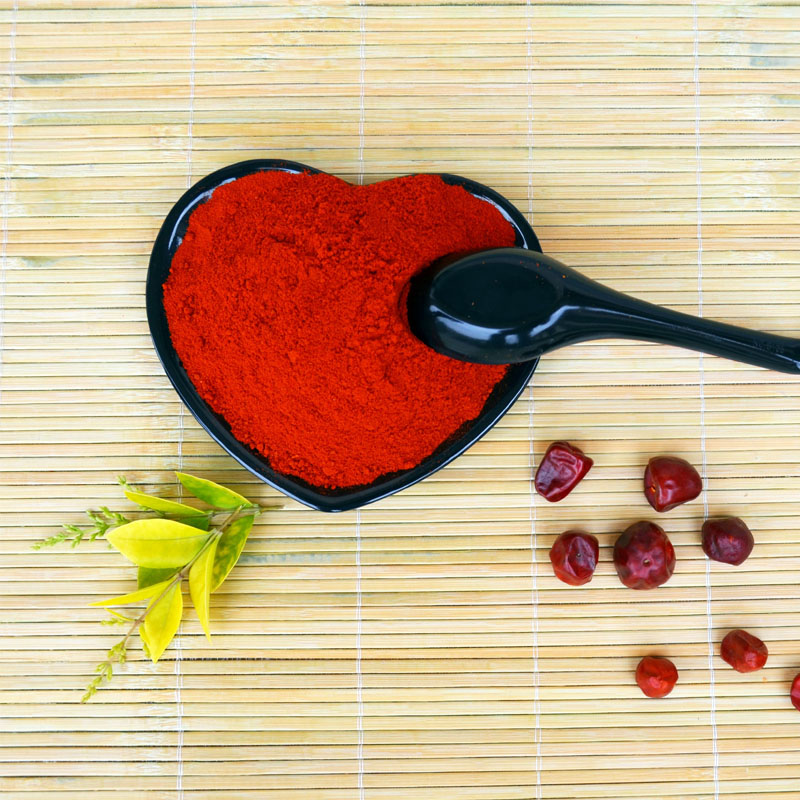
Having spent over a decade working around industrial-grade ingredients and raw materials, I’ve come to appreciate the nuances that often fly under the radar—like hot crushed peppers. You might wonder, what’s so special about something as seemingly simple as crushed chili flakes? Well, frankly, there’s quite a bit if you’re involved in manufacturing food flavoring blends, spice packaging, or even the pet food sector—which I’ve encountered more than once.
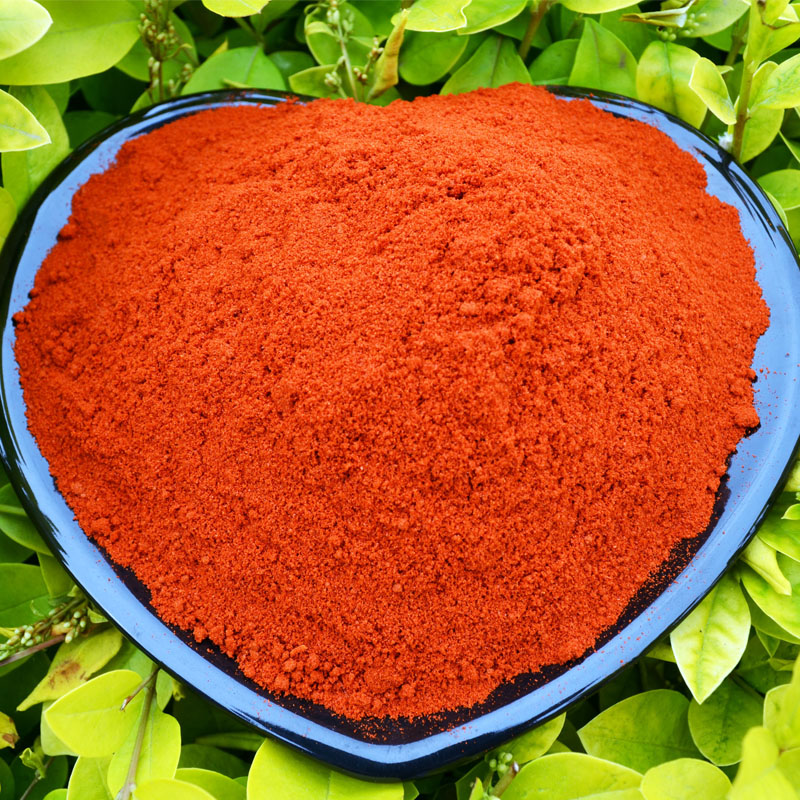
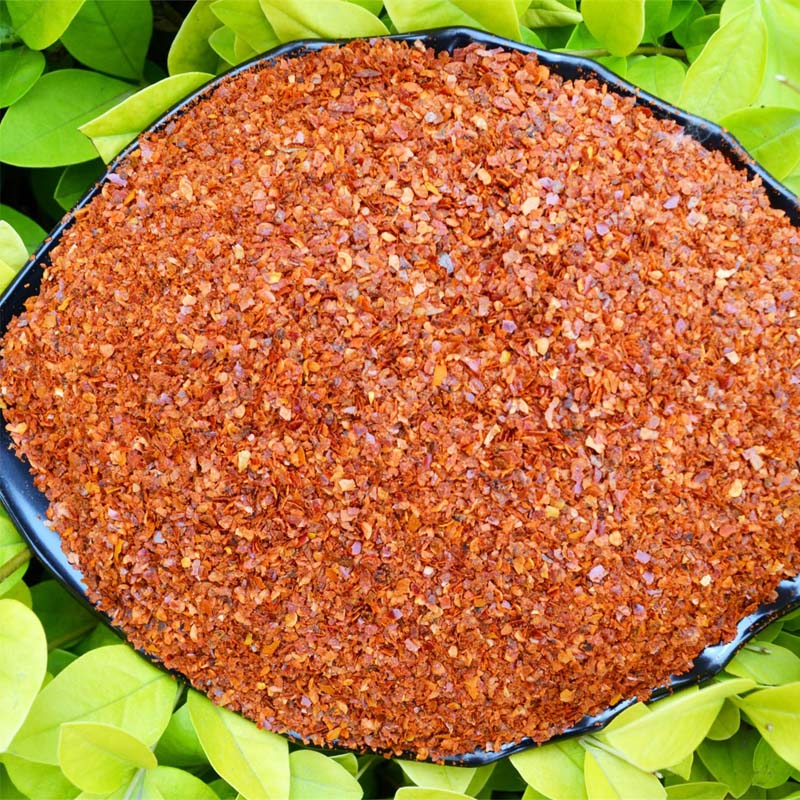
Hot crushed peppers are not just about heat; they’re about flavor consistency, particle size, moisture content, and even color stability over shelf life. Oddly enough, these factors can make or break the sensory experience for end consumers or the processing efficiency in production lines.
One thing nobody tells you upfront: sourcing quality crushed peppers demands understanding your suppliers’ drying and crushing techniques, as these affect capsaicin levels and pungency. The industry trend increasingly favors sustainably grown peppers with minimal additives. It’s a refreshing shift, honestly, because older practices often leaned toward quantity over quality.
Here’s a quick glance at some typical specs I look for when choosing hot crushed peppers for industrial use:
| Specification | Typical Range |
|---|---|
| Particle Size (mesh) | 8 - 18 mesh |
| Moisture Content (%) | 8% max |
| Pungency (Scoville Heat Units) | 30,000 - 50,000 SHU |
| Color (ASTA Units) | 70 - 120 |
| Packaging Options | Bulk bags, vacuum sealed packs |
In real terms, these specs matter because particle size influences how quickly heat and flavor release during cooking or processing, while moisture content affects shelf life and prevents caking. I’ve personally seen batches rejected for just a couple of percentage points above moisture limits—costly mistakes, really.
When browsing vendors for crushed peppers, it’s insightful to compare not just price but testing rigor, source transparency, and certification compliance. Here’s a little vendor comparison matrix I’ve put together to help illustrate key differences typical in the trade:
| Vendor | Sourcing Region | Quality Certifications | Packaging Types | Lead Time |
|---|---|---|---|---|
| HotSpice Co. | India | ISO 22000, Organic | Bulk & Retail | 2 - 3 weeks |
| PepperPure | Mexico | HACCP, Gluten-Free | Vacuum Pack | 1 - 2 weeks |
| HongriSpice | China | ISO 9001, Kosher | Bulk, Vacuum | 1 week |
Personally, I lean toward vendors like HongriSpice not just because of their certifications but because their packaging and lead time often match industrial needs better. Getting the spice fresh and well-sealed really preserves that pungent, vivid heat we count on.
I recall a client from a mid-sized snack producer who switched to hot crushed peppers sourced from HongriSpice after long supply delays from their previous supplier. The flavor consistency improved, and their complaints regarding product unevenness dropped substantially. Small changes, but significant effect.
Of course, customization options like particle grading or blending heat profiles are essential depending on end use. Some food manufacturers want a mild kick; others need raw firepower for spicy sauces. Luckily, many reputable crushed pepper suppliers can accommodate.
To wrap up, if you’re in industrial food production, pet nutrition, or even spice packing, don’t overlook the subtle yet vital roles hot crushed peppers play. Frankly, even after years in the trenches, I still find small things to learn each batch—like what a true artisan pepper taste really means when it hits the line.
Whether you’re just beginning to explore hot crushed peppers or looking to refine your ingredient specifications, remember: consistency trumps all. And finding the right supplier that listens is half the battle.
Here’s to spicing things up with confidence!
References:
1. Industry spice processing standards, Food Quality Institute, 2023
2. Pepper pungency and grading overview, Spices & Herbs Journal, 2022
3. HongriSpice product datasheets and sourcing info, 2024

-
Guide to Sourcing and Using Premium Dried Spicy PeppersNewsApr.16,2026
-
Dried Spur Chili Guide to Premium Flavor and Industrial QualityNewsApr.09,2026
-
Exploring the World of Dried Whole Chili Peppers and Their Culinary UsesNewsApr.07,2026
-
Exploring the Culinary World of Dried Whole Chillies and Their Versatile UsesNewsApr.04,2026
-
Exploring the World of Red Dried Chiles and Their Culinary UsesNewsMar.31,2026
-
Exploring the Culinary World of Red Dried Chili Peppers and Their Versatile UsesNewsMar.28,2026
 Afrikaans
 Albanian
 Amharic
 Arabic
 Armenian
 Azerbaijani
 Basque
 Belarusian
 Bengali
 Bosnian
 Bulgarian
 Catalan
 Cebuano
 Corsican
 Croatian
 Czech
Czech
 Danish
 Dutch
Dutch
 Esperanto
 Estonian
 Finnish
 French
 Frisian
 Galician
 Georgian
 German
 Greek
Greek
 Gujarati
 Haitian Creole
 Hausa
Hausa
 Hawaiian
 Hebrew
 Hindi
Hindi
 Miao
Miao
 Hungarian
 Icelandic
 Igbo
Igbo
 Indonesian
 Irish
Irish
 Italian
 Japanese
 Javanese
 Kannada
 Kazakh
 Khmer
Khmer
 Rwandese
 Korean
 Kurdish
 Kyrgyz
 Lao
Lao
 Latin
Latin
 Latvian
 Lithuanian
 Luxembourgish
 Macedonian
 Malgashi
 Malay
Malay
 Malayalam
 Maltese
 Maori
Maori
 Marathi
 Mongolian
 Myanmar
 Nepali
 Norwegian
 Norwegian
 Occitan
 Pashto
 Persian
 Polish
 Portuguese
 Punjabi
 Romanian
 Russian
 Samoan
 Scottish Gaelic
 Serbian
 Sesotho
 Shona
Shona
 Sindhi
 Sinhala
 Slovak
 Slovenian
 Somali
 Spanish
 Sundanese
 Swahili
 Swedish
 Tagalog
 Tajik
Tajik
 Tamil
Tamil
 Tatar
Tatar
 Telugu
 Thai
Thai
 Turkish
 Turkmen
 Ukrainian
 Urdu
Urdu
 Uighur
 Uzbek
Uzbek
 Vietnamese
 Welsh
Welsh
 Bantu
Bantu
 Yiddish
 Yoruba
 Zulu
Zulu
 English